




Storage Costs in Logistics
Table of Contents
What exactly are storage costs? A definition
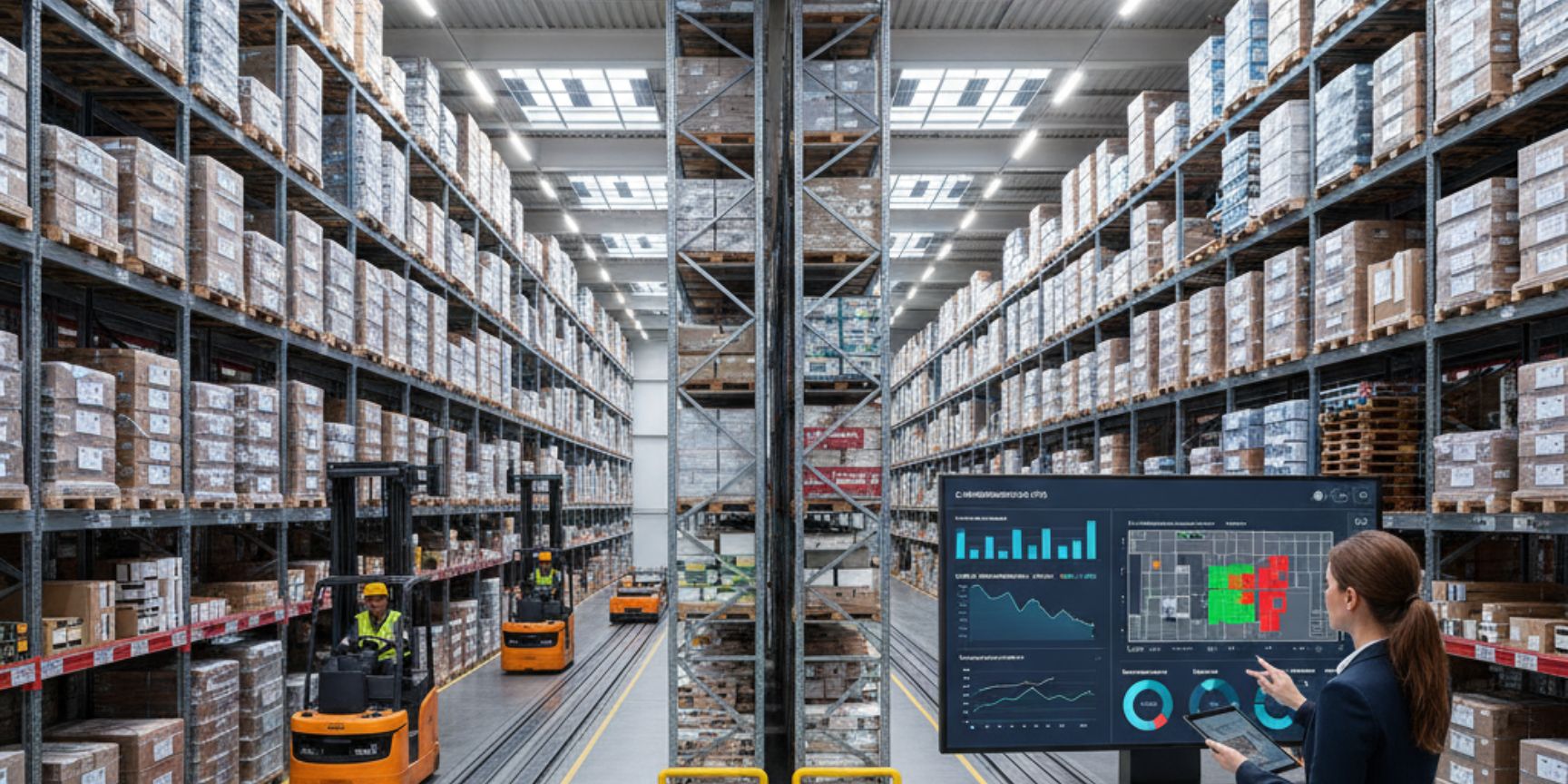
Storage costs, often referred to as storage costs, include all expenses incurred in the storage of goods, materials or products. They are an essential part of the overall logistics costs and directly affect the margin of a product. These costs begin with the receipt of goods, extend over the entire duration of the storage and only end with the issue of goods. Precise recording and analysis is the basic prerequisite for any form of process optimization in logistics.
What components are included in the storage costs?
The composition of storage costs is complex. They can be roughly divided into four main categories, but in practice they often flow smoothly into each other.
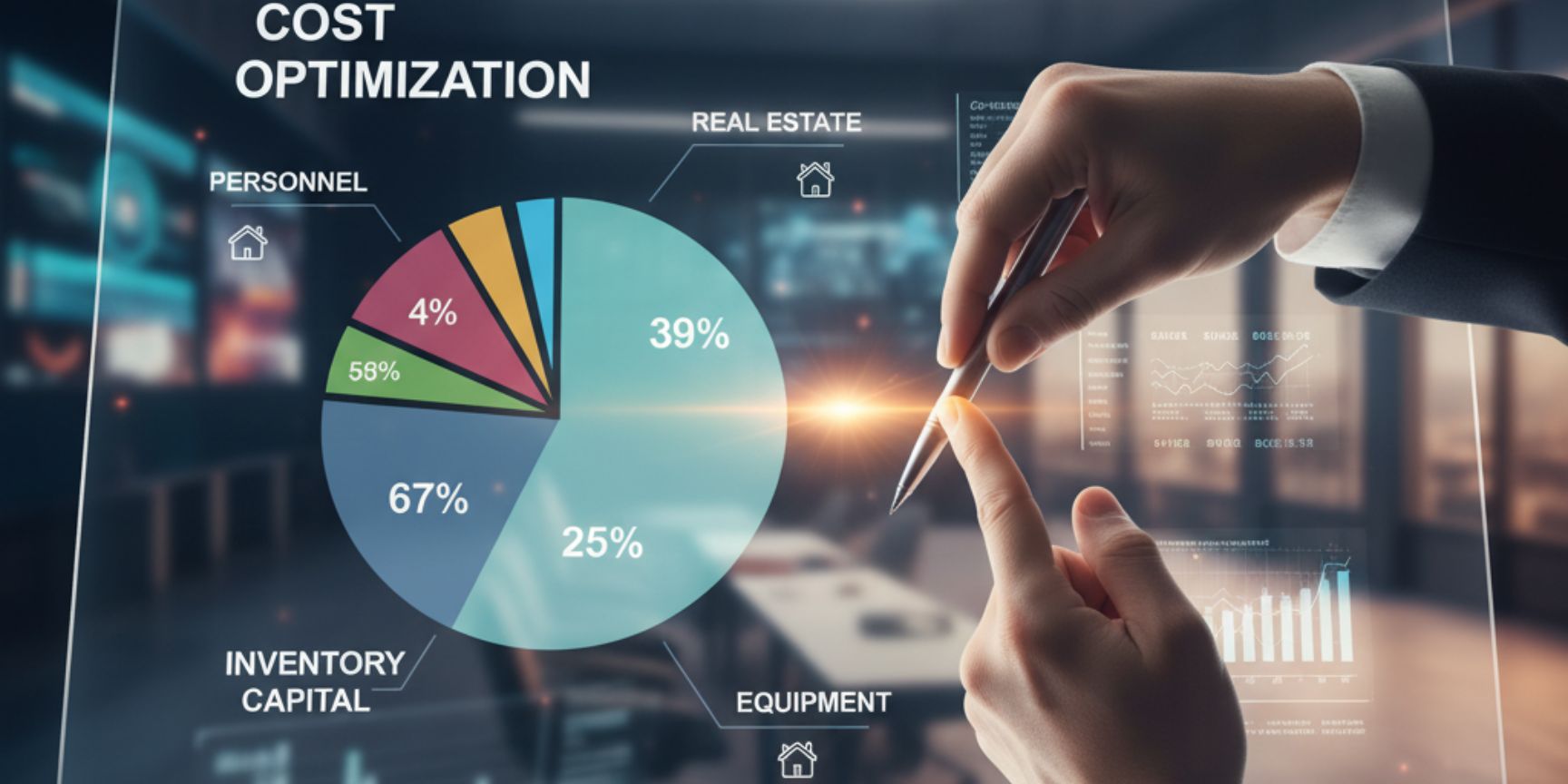
- Personnel costs: This is often the largest single item. It includes wages and salaries for warehouse staff (warehouse managers, order pickers, forklift drivers, administrative staff), social security contributions and costs for training and further education.
- Real estate costs: This includes the rent or depreciation of the warehouse (in the case of ownership). Maintenance, property tax, insurance for the building and energy costs (heating, electricity, lighting) also fall into this category.
- Costs for warehouse equipment: This includes depreciation, leasing instalments and maintenance costs for industrial trucks (e.g. forklift trucks), racking systems, conveyor technology as well as for the hardware and software used (e.g. warehouse management system – WMS).
- Inventory costs (cost of capital): This item is often underestimated. It represents the capital tied up in the warehouse that is not available for other investments. It is often calculated as an interest rate (imputed interest) on the average inventory. In addition, there are costs for insurance against theft, fire or damage to the goods as well as costs due to shrinkage, obsolescence or spoilage (depreciation on the value of the goods).
How are storage costs calculated?
A key indicator for control is the storage cost rate. It relates the total storage costs to the average value of the inventory and is expressed as a percentage.
Formula for calculating the storage cost rate:
- Total storage costs: The sum of all the above cost types over a certain period of time (e.g. one year).
- Average Inventory Value: (Beginning Inventory + Ending Inventory) / 2 or the average value over multiple key dates for greater accuracy.
For example, a storage cost rate of 10% means that for every euro tied up in the warehouse, 10 cents are incurred annually in storage costs.
Focus on logistics real estate: Which costs are decisive?
From the perspective of a logistics property, costs are of central importance, as they directly affect the rental income and the value of the property. In addition to the pure rent per square metre (which depends heavily on location, equipment and connections), operating and ancillary costs are a decisive factor. In modern logistics properties ("Big Box", "Green Buildings"), increasing attention is being paid to energy efficiency. Lower costs for heating, ventilation and lighting through the use of heat pumps, LED technology and photovoltaic systems are becoming an important rental argument and significantly reduce the "second rent" for the user. For the owner, the costs for maintenance (roof, façade, technical systems) and facility management are also relevant.
Focus on contract logistics: Who bears which costs?
In contract logistics, a service provider (3PL – Third Party Logistics Provider) takes over complex logistics services for a client. The cost structure is particularly interesting here and is precisely regulated in the service contract.
Question: How are warehouse costs typically billed in a contract logistics relationship?
Answer: There are different models. A combination of the following is common:
- Fixed costs: A fixed monthly fee that covers a certain basic expense for personnel, space and IT (e.g. "management fee").
- Variable costs: These are transaction-based. Examples are costs per pallet stored, per "pick" in picking, per parcel shipped or per hour for additional services (value-added services such as labelling, packing).
This transparent allocation enables the client to bill according to consumption ("pay-per-use") and the service provider to cover its fixed and variable expenses. The service provider must know its internal storage costs exactly in order to calculate its prices profitably.
How can storage costs be effectively reduced?
Optimizing storage costs is a continuous process that starts at several points.
- Inventory optimization: Reducing inventory levels while maintaining the same delivery capability is the biggest lever. Concepts such as just-in-time (JIT) or improved demand forecasting reduce capital commitment and space requirements.
- Process automation: The use of modern warehouse technology such as automatic small parts warehouses, automated guided vehicles (AGVs) or pick-by-voice systems can drastically reduce personnel costs per process and minimize the error rate.
- Layout and space utilization: An intelligent arrangement of racks (e.g. narrow-aisle warehouses), the use of the entire hall height and dynamic storage space allocation (chaotic warehousing) can maximize space efficiency and reduce the need for expensive floor space.
- Energy efficiency: As already mentioned, investments in modern building technology significantly reduce ongoing operating costs.
- Outsourcing: Outsourcing to a specialized contract logistics service provider can save costs, as economies of scale (e.g. using a warehouse for several customers) allow them to use their resources more efficiently and achieve more favorable conditions in terms of personnel and equipment.