




Logistics services in logistics
Table of contents
- Optimized logistics services for efficient supply chains
- Transportation management
- Optimization of warehousing and inventory management
- Ensuring the fulfillment of orders
- Supply chain integration
- Effective risk management
- Full performance monitoring and optimization
- Forwarding services
- Third-party logistics (3PL) and fourth-party logistics (4PL)
- Global logistics management
Optimized logistics services for efficient supply chains
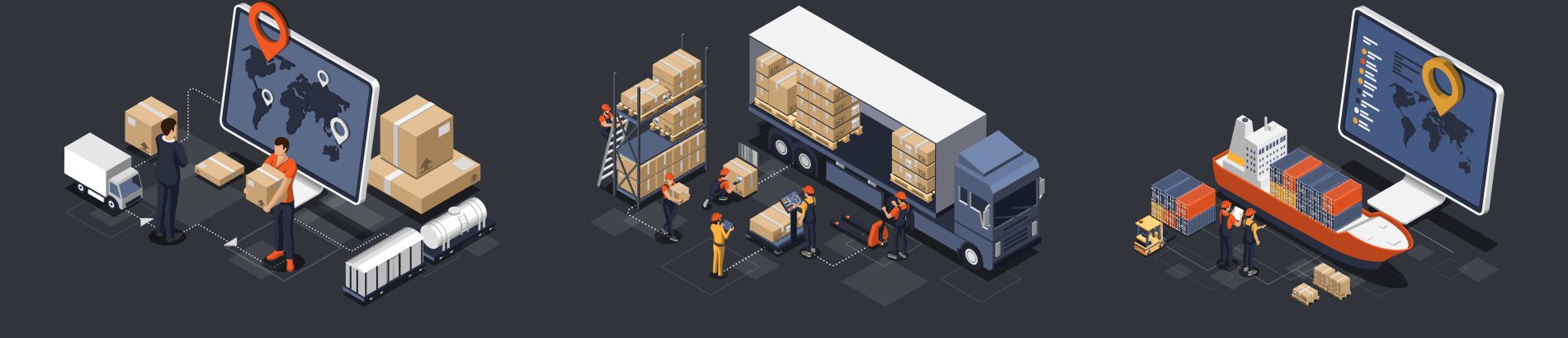
The management of logistics services includes the planning, implementation and monitoring of the movement and storage of goods, services and information within a supply chain.
Transportation management:
This includes selecting the appropriate means of transport (e.g. road, rail, air or sea) and organizing the flow of goods from one location to another. The aim is to optimize routes, coordinate shipments and ensure on-time delivery.
Optimization of warehousing and inventory management:
Logistics management involves the management of storage facilities, including warehouses and distribution centers, to store goods before they are shipped to customers. It includes inventory control, ensuring optimal stock levels and efficient order processing.
Ensuring the fulfillment of orders:
This refers to the process of receiving and processing customer orders, picking and packing products and preparing them for shipment. It requires close collaboration between different departments to ensure accurate and timely order fulfillment.
Supply chain integration:
Managing logistics services requires effective integration and coordination with suppliers, manufacturers, distributors and customers to ensure a smooth flow of goods and information throughout the supply chain. This can include the use of technologies such as enterprise resource planning (ERP) systems and supply chain management (SCM) software.
Effective risk management:
Logistics managers are required to identify and minimize risks that could affect the movement of goods, such as transportation disruptions, natural disasters or problems with suppliers. They develop contingency strategies and take measures to mitigate the impact of such risks.
Full performance monitoring and optimization:
Managing logistics services involves monitoring key performance indicators (KPIs) to evaluate the efficiency and effectiveness of logistics operations. This includes the analysis of data, the identification of potential improvements and the implementation of strategies to optimize logistics processes.
Forwarding services:
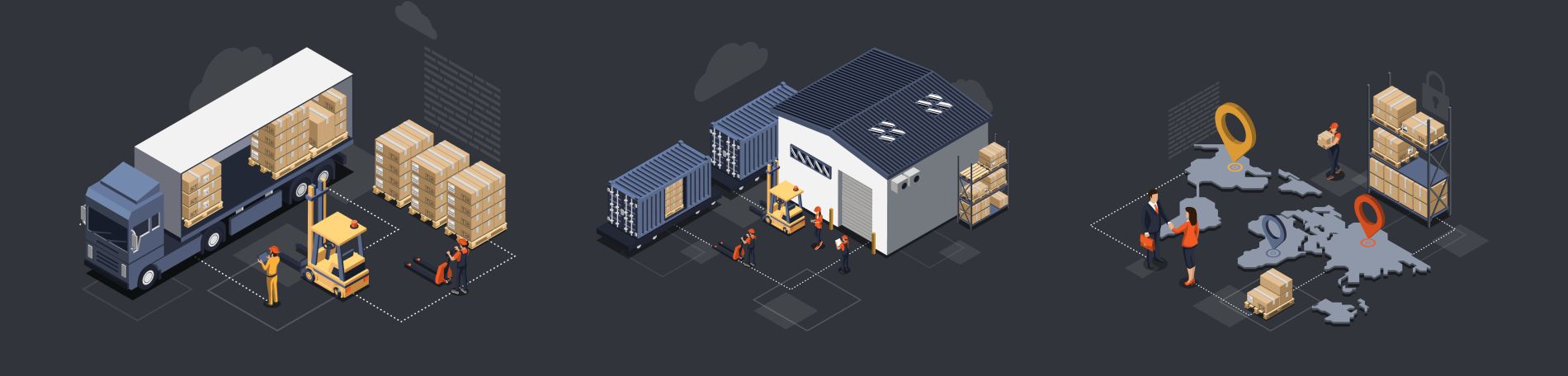
Freight forwarding is an essential part of the management of logistics services. Freight forwarders act as intermediaries between shippers and carriers and organize the transport of goods.
Third-party logistics (3PL) and fourth-party logistics (4PL):
Numerous companies outsource their logistics tasks to specialized service providers known as third party logistics providers (3PLs). 3PLs offer services such as transportation, warehousing and order processing. In addition, fourth party logistics providers (4PLs) take on a more strategic role by managing and coordinating the entire supply chain on behalf of the customer.
Global logistics management:
Global logistics management deals with the challenges of international trade, including cross-border transportation, customs regulations and compliance with import and export requirements.