



The German Freight Centers Network
Freight Transport Centers (GVZ) in Germany
A comprehensive list of Germany's most important logistics hubs.
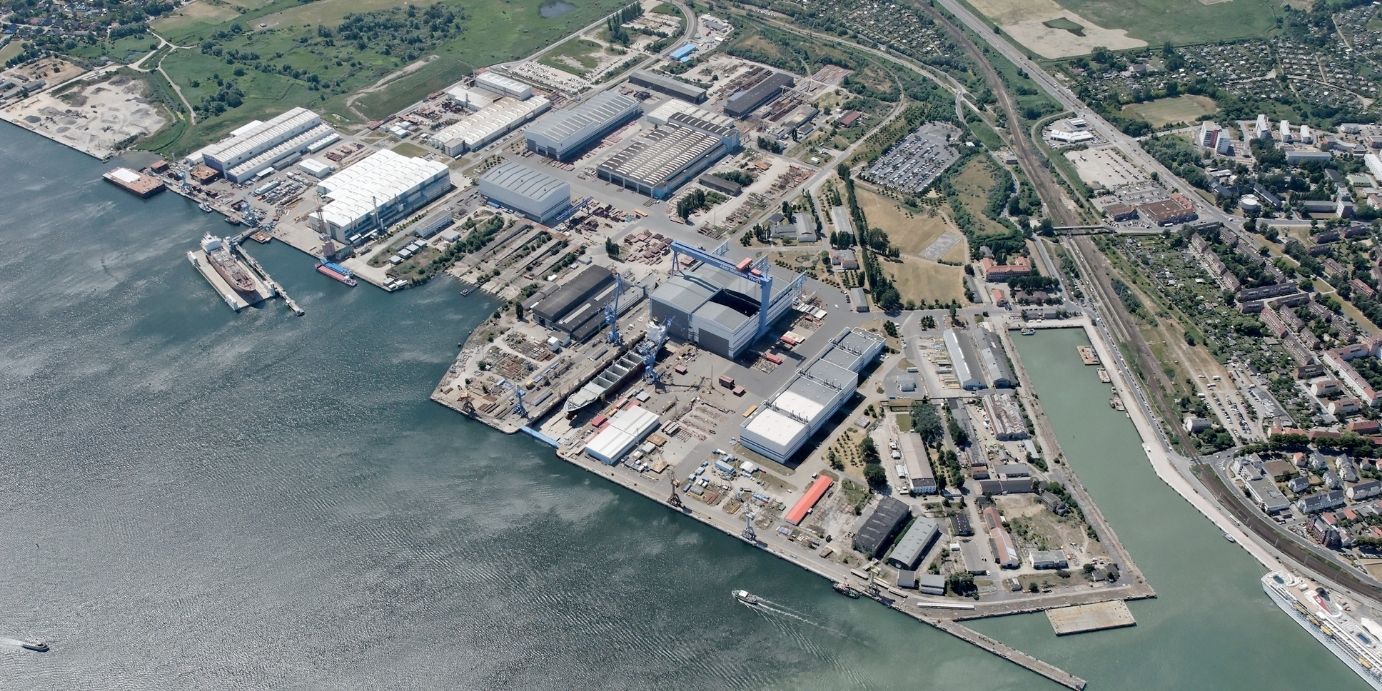
Welcome to our overview of freight transport centers (GVZ) in Germany. These strategically located logistics hubs are the backbone of modern supply chains, seamlessly connecting various modes of transport such as road, rail, and inland waterways. On this page, you'll find a comprehensive list of the most important GVZ locations in Germany, highlighting their importance for national and international trade.
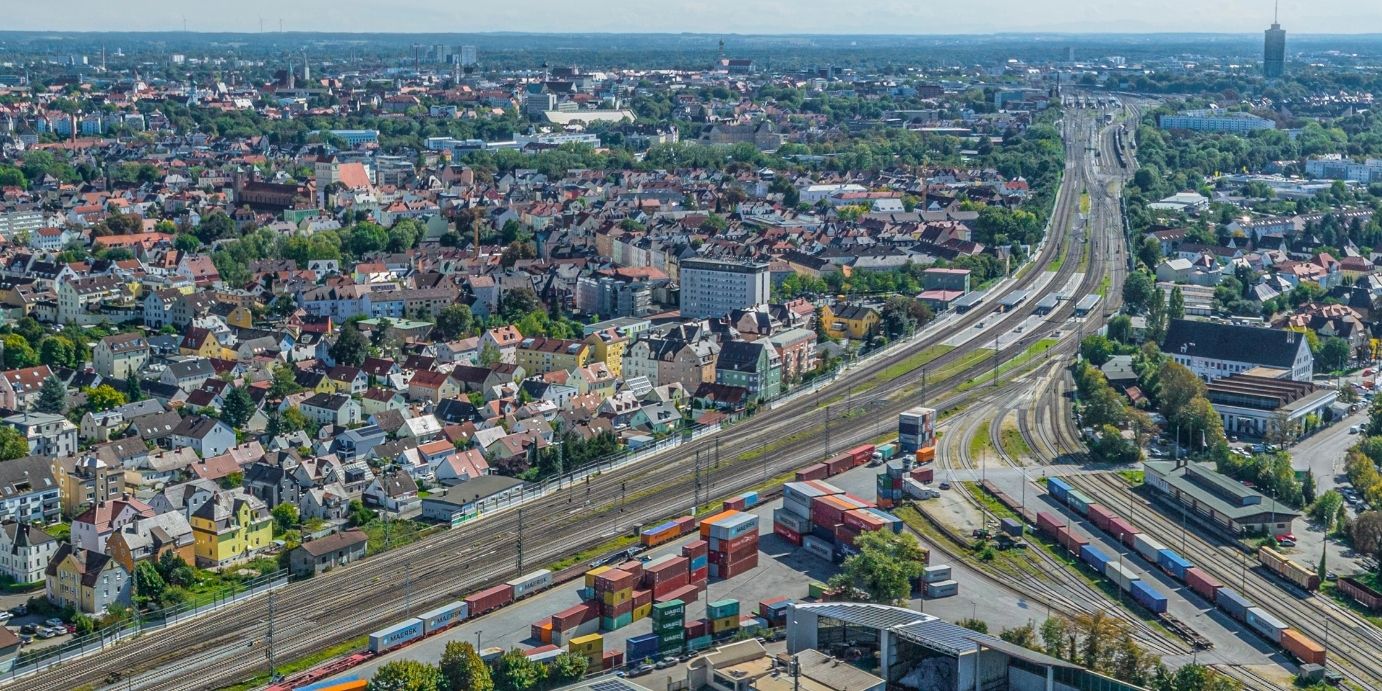
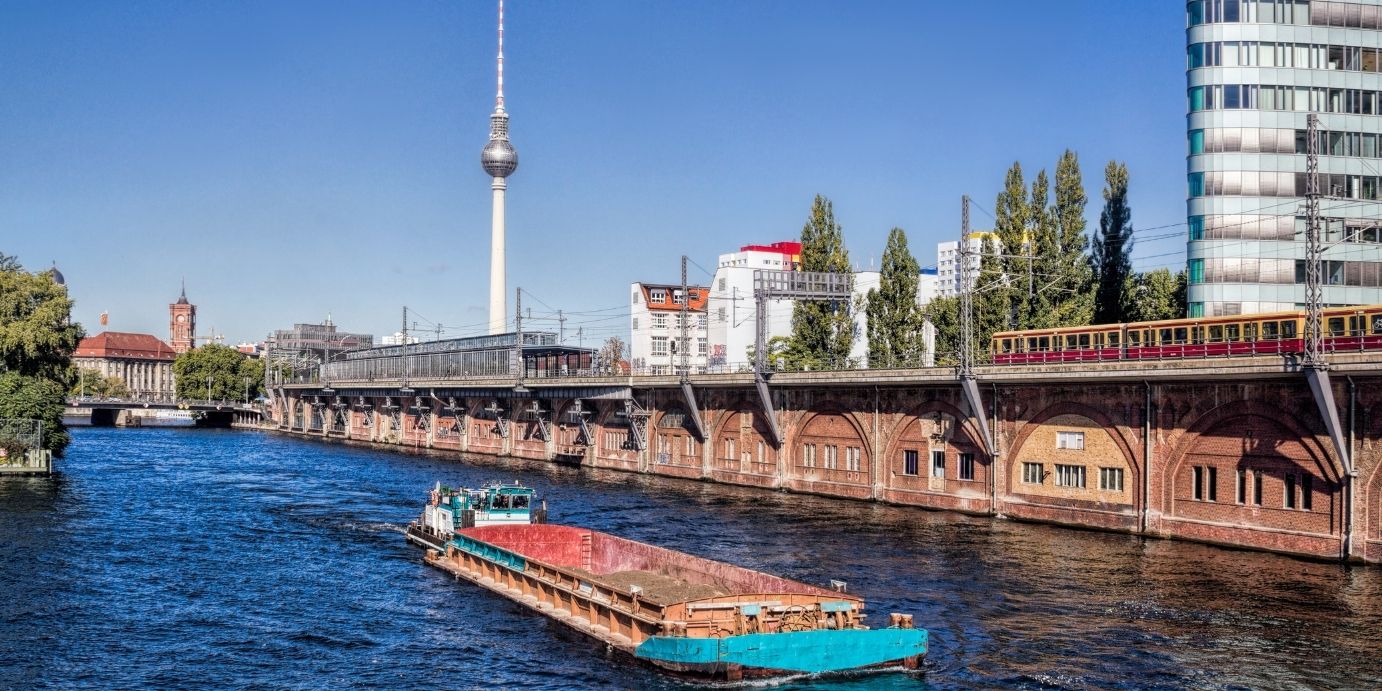
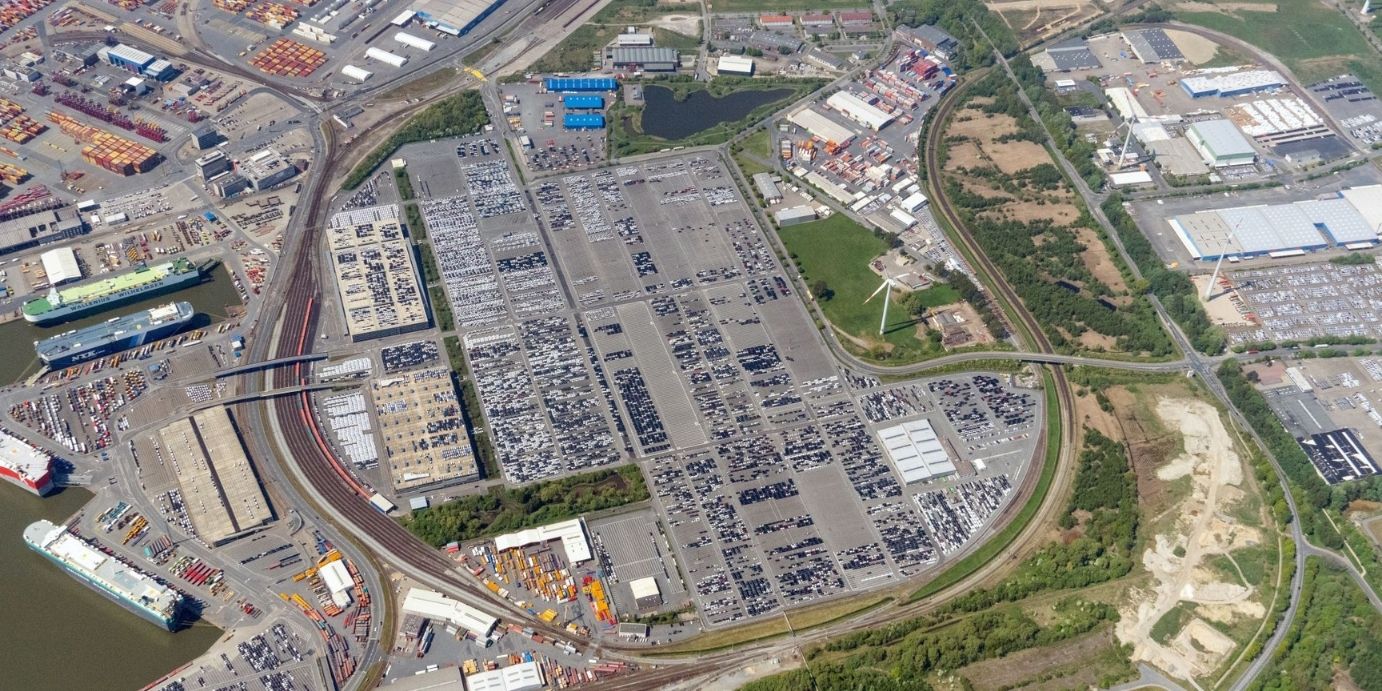

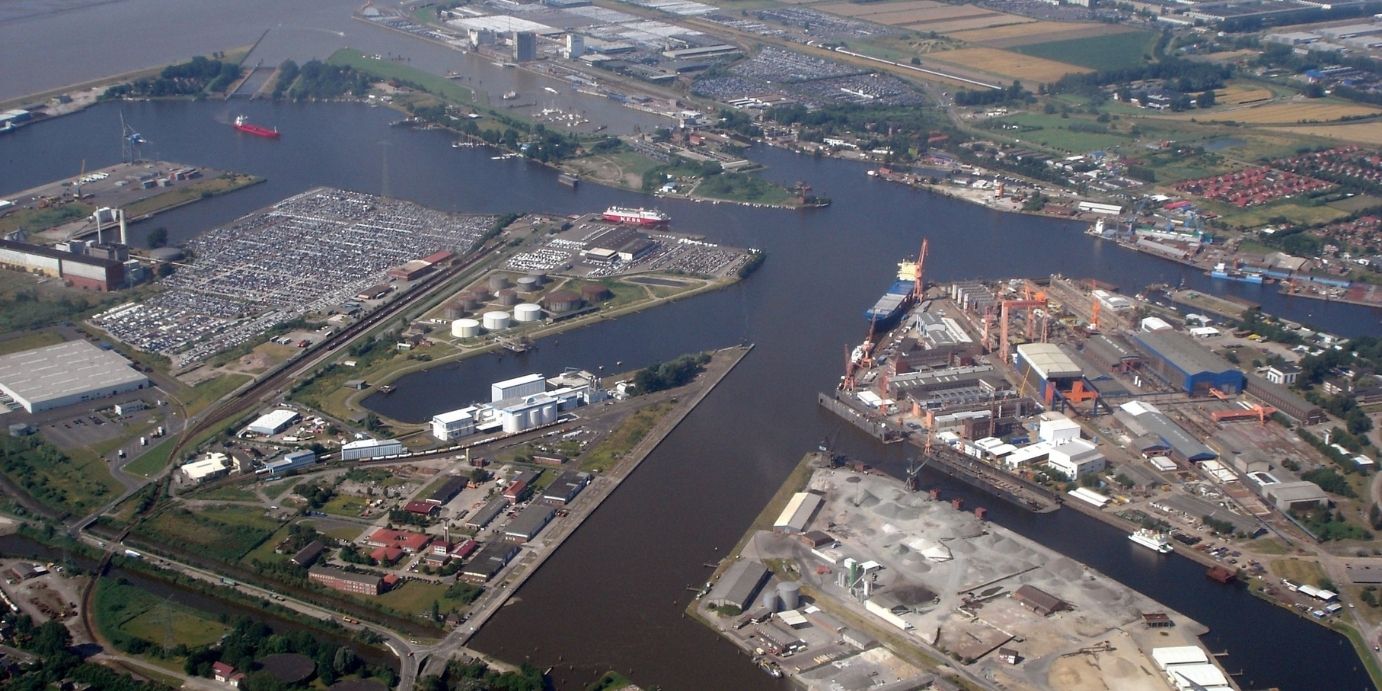



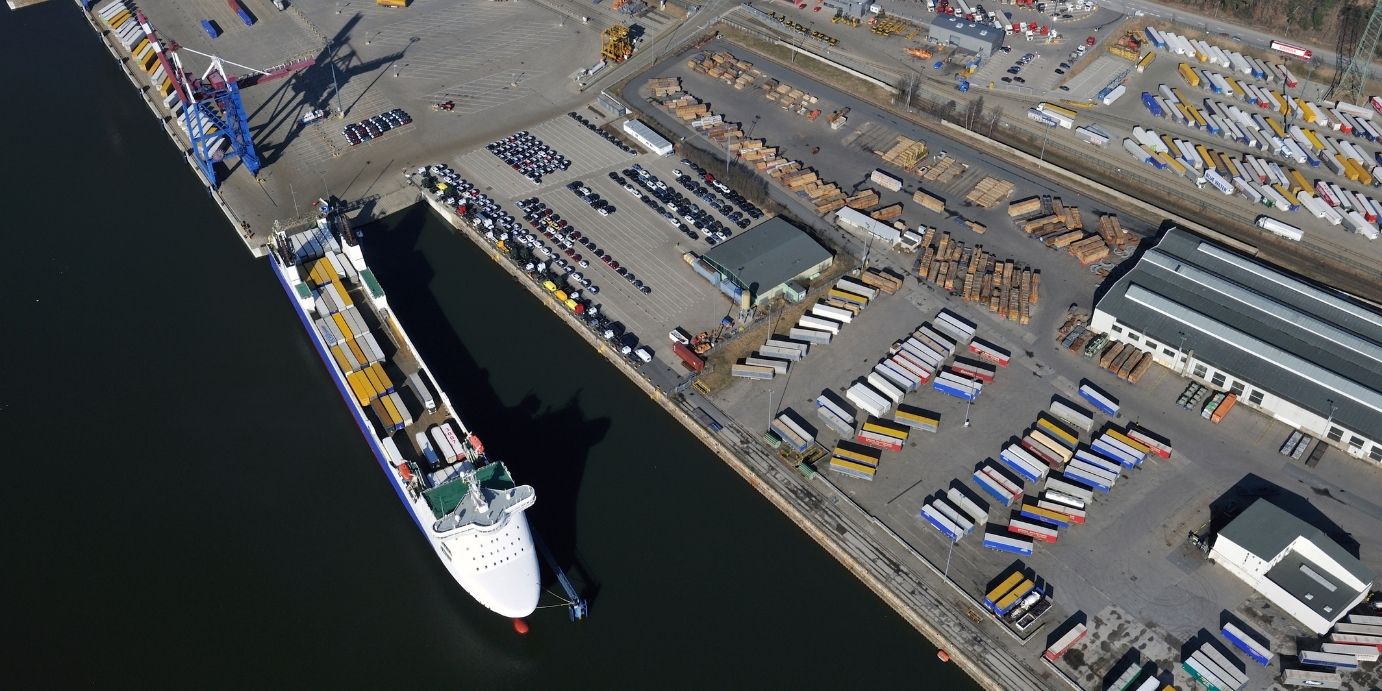
The Freight Transport Center Concept (GVZ)
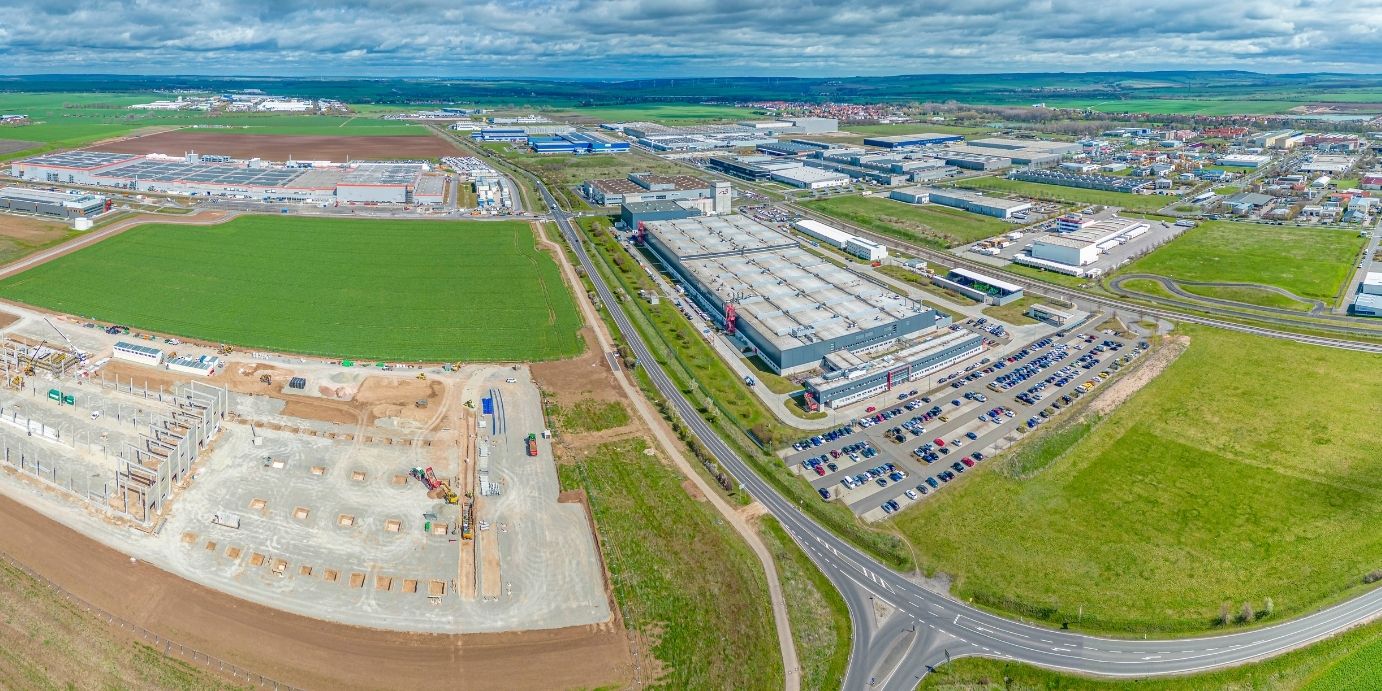
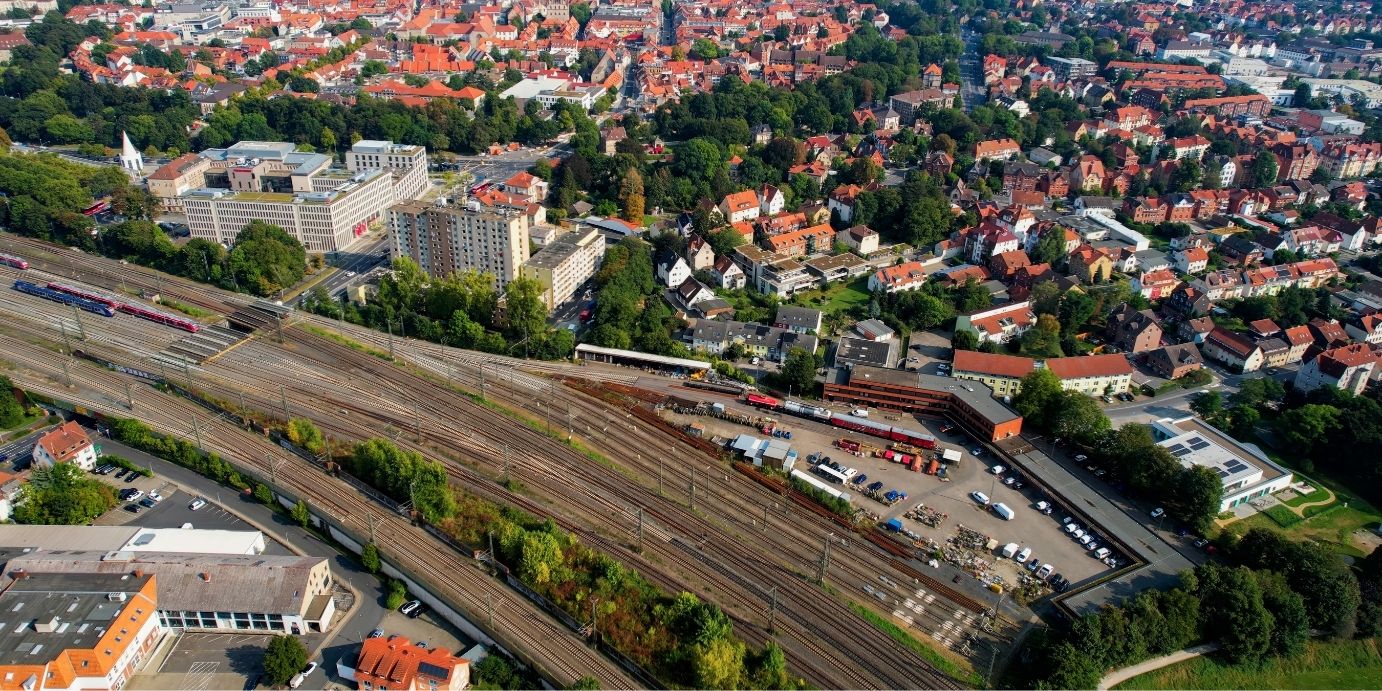
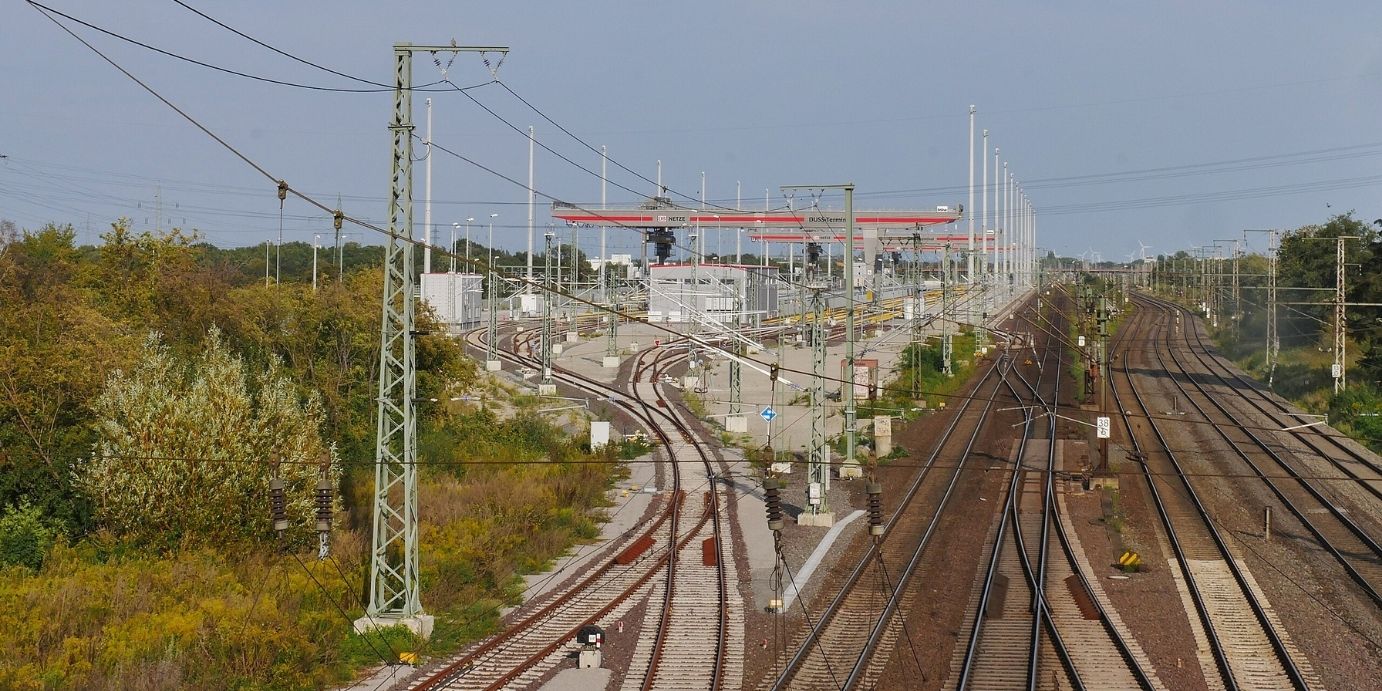
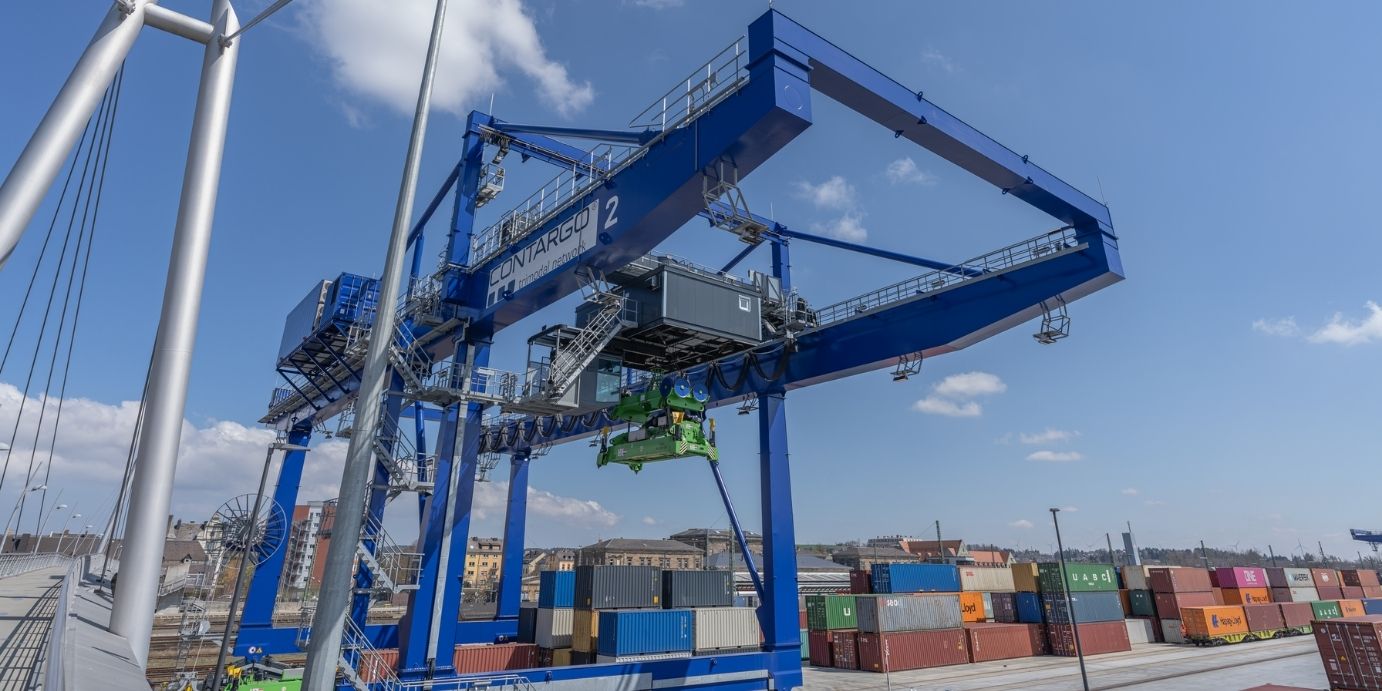
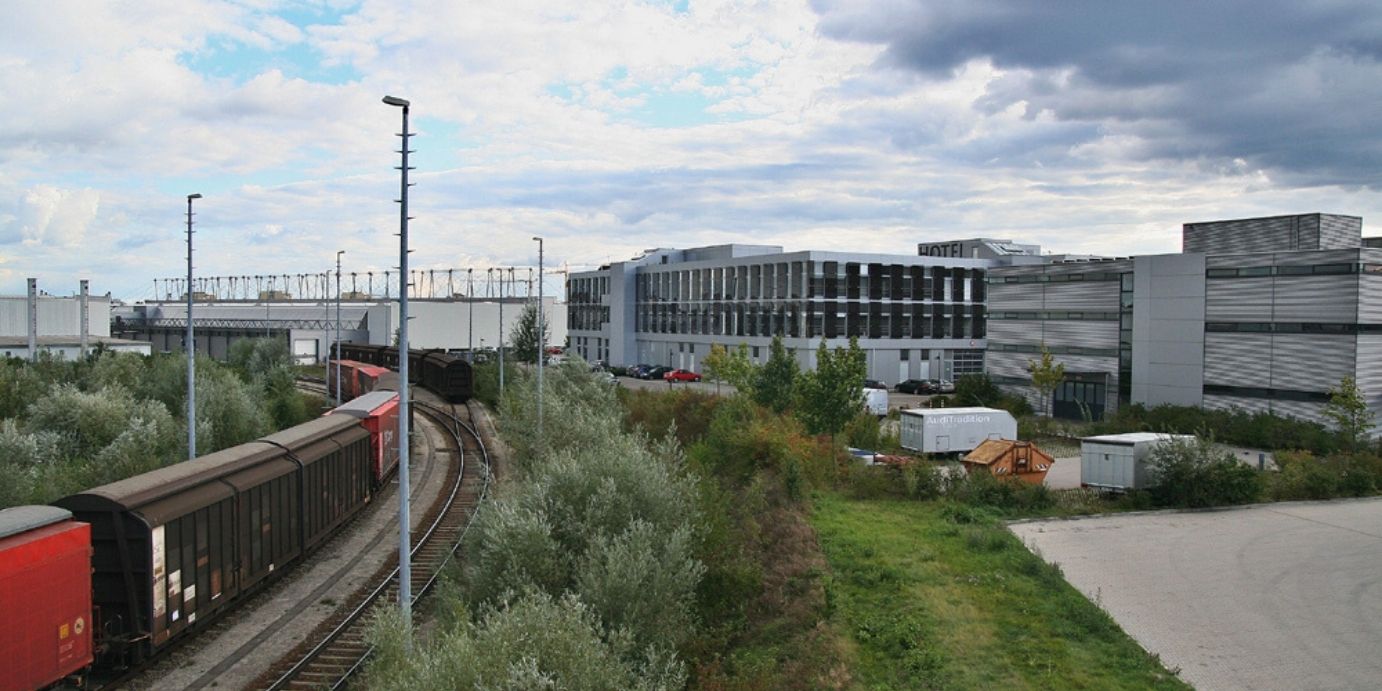
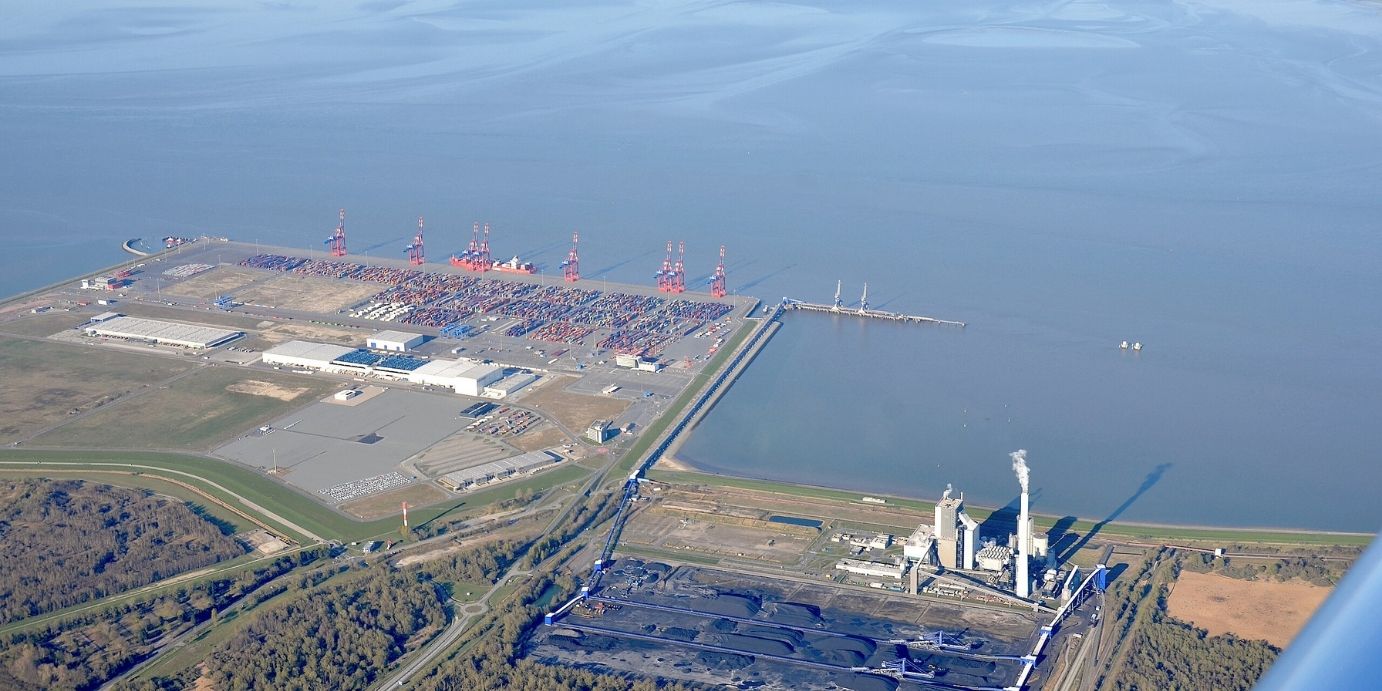
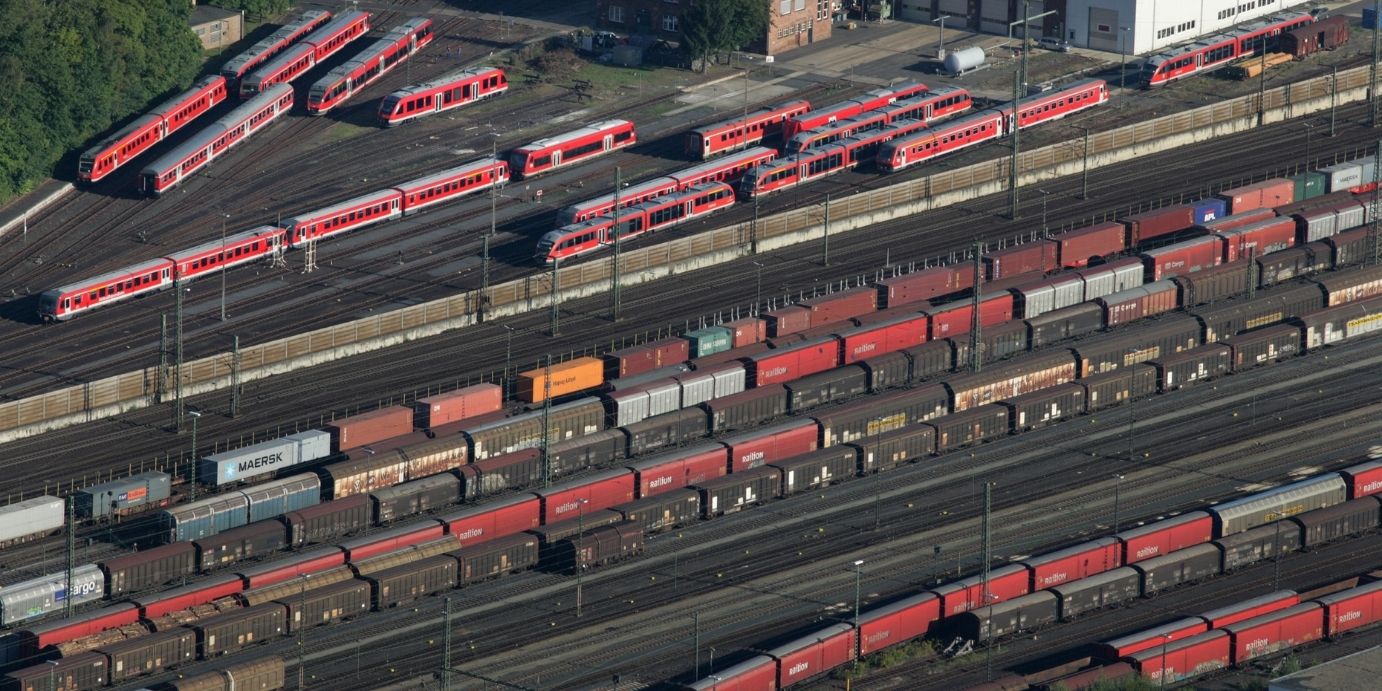
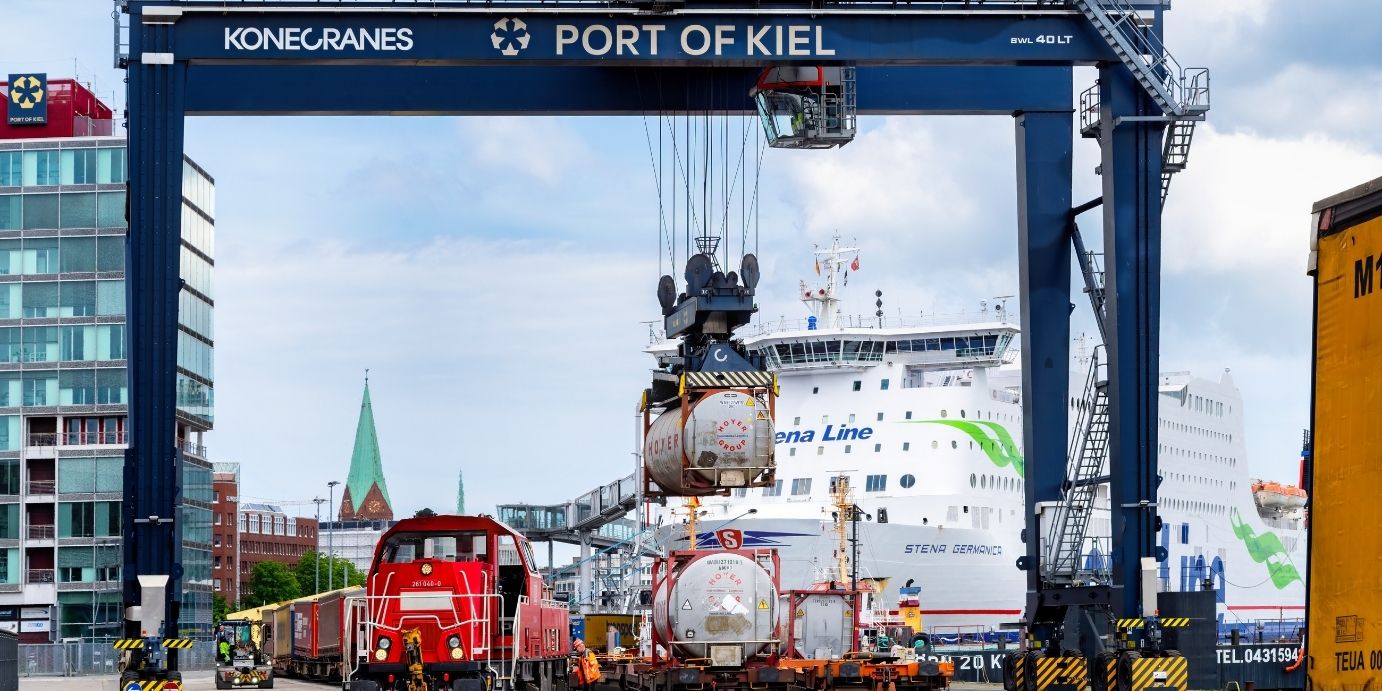
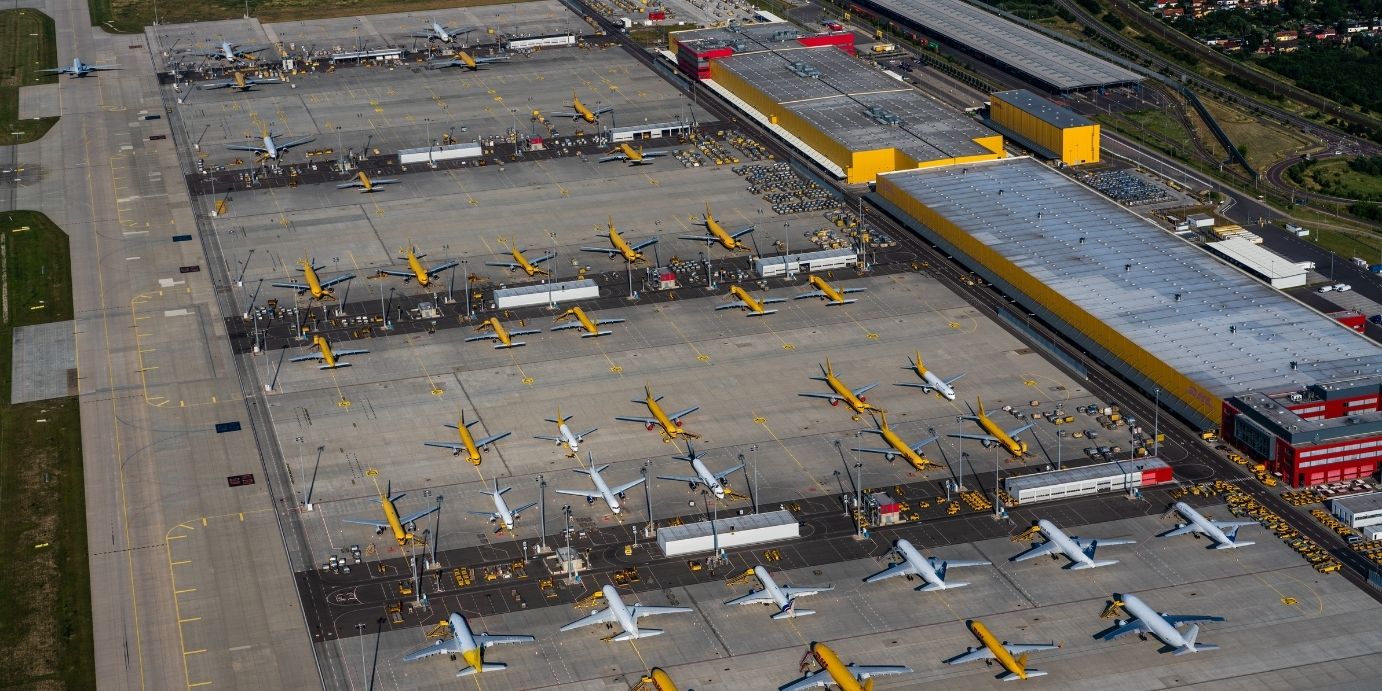
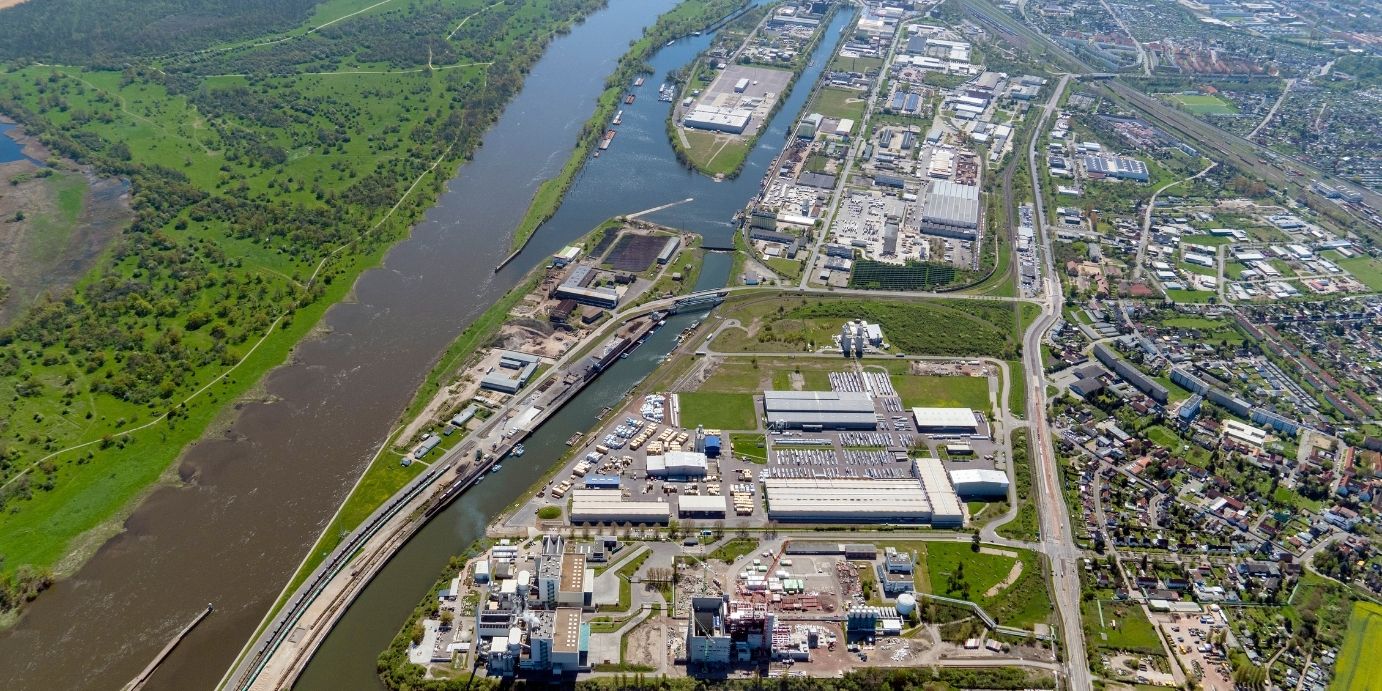
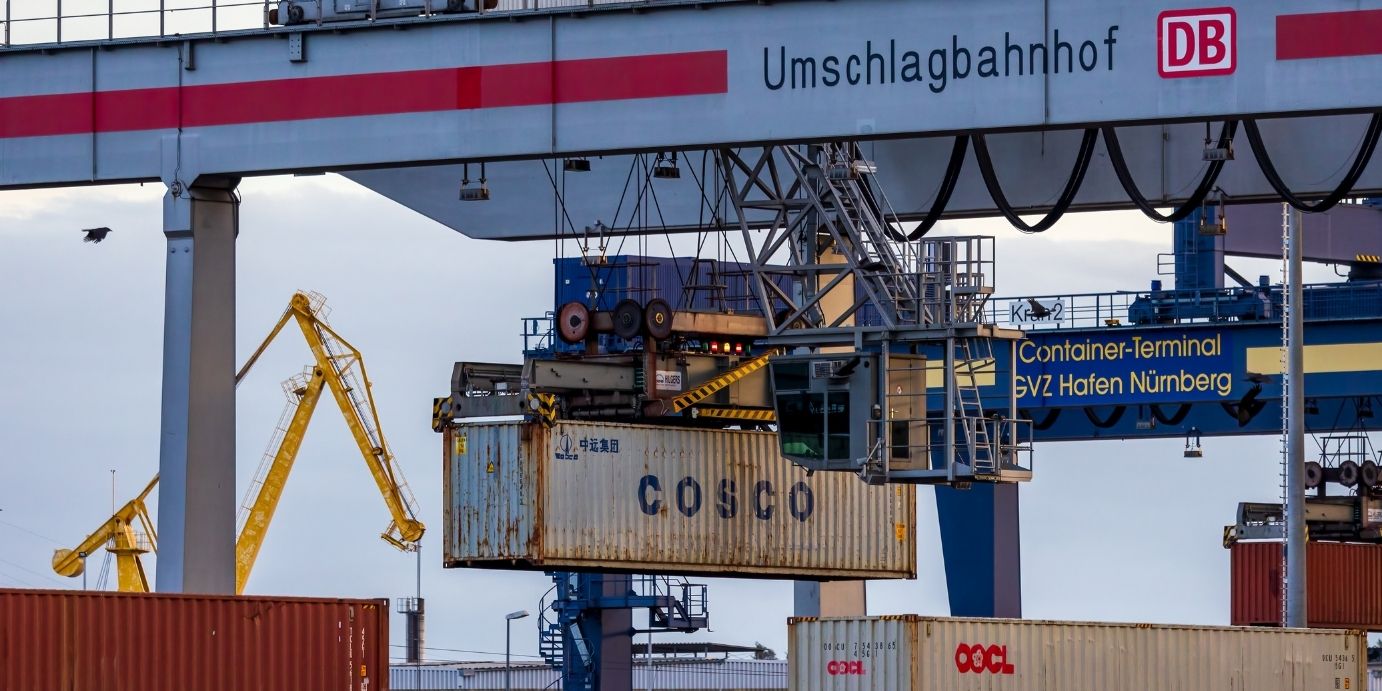
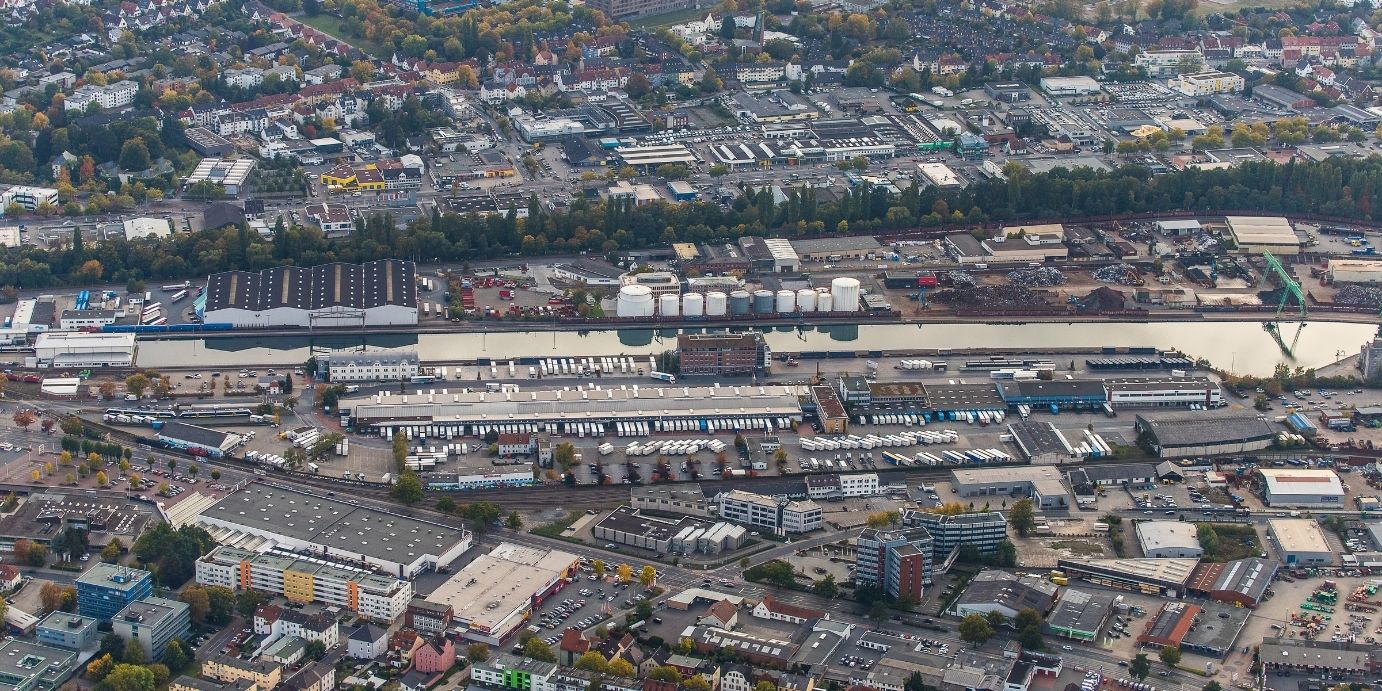
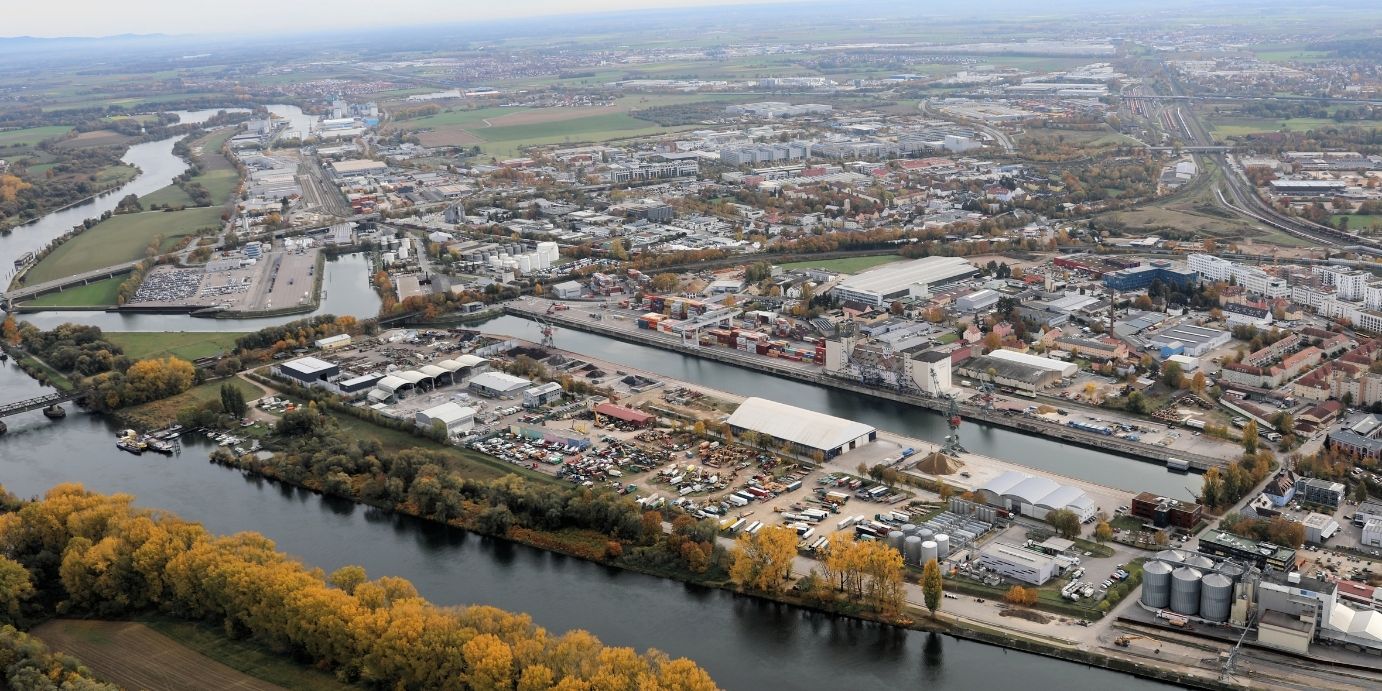
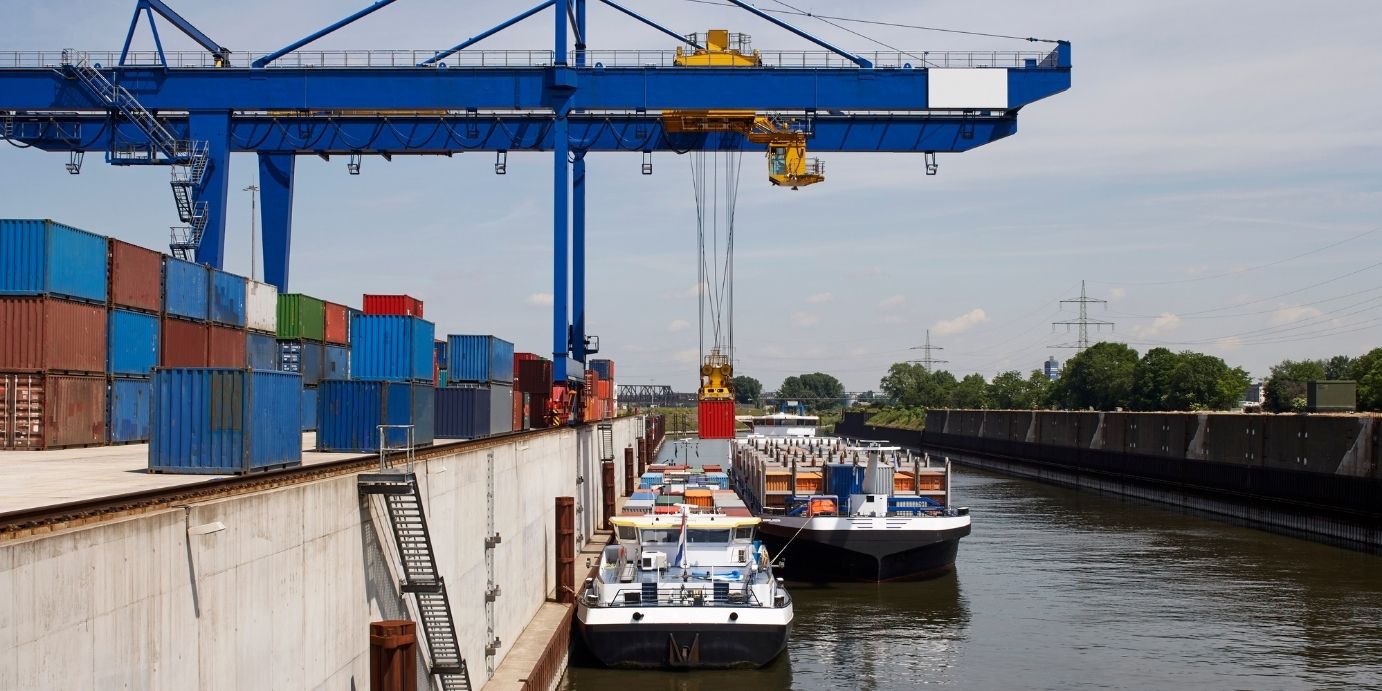
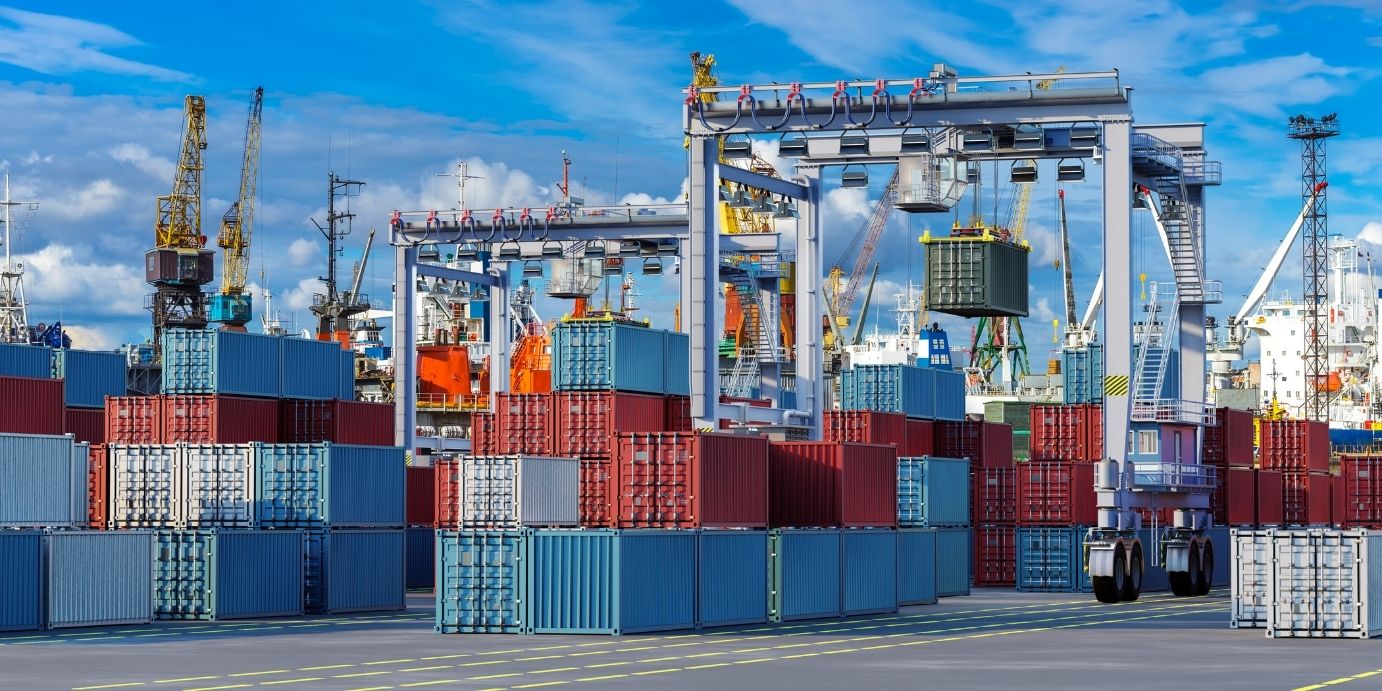
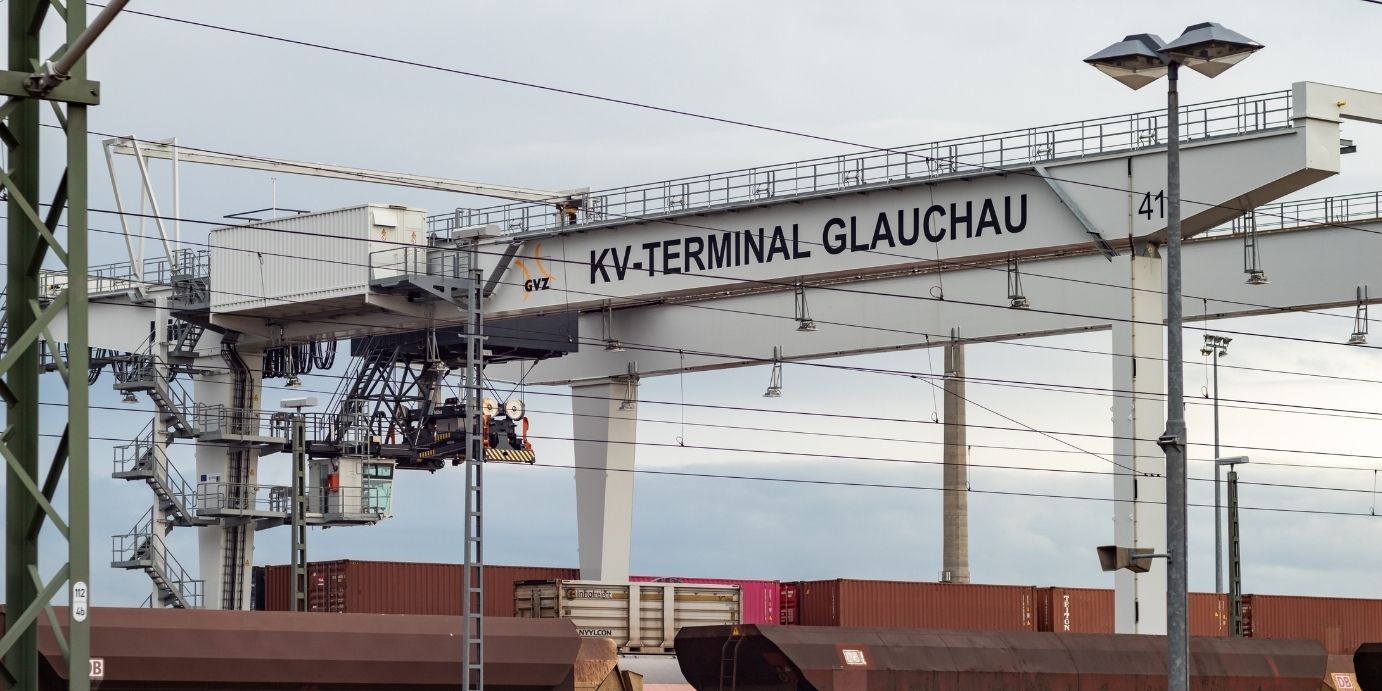
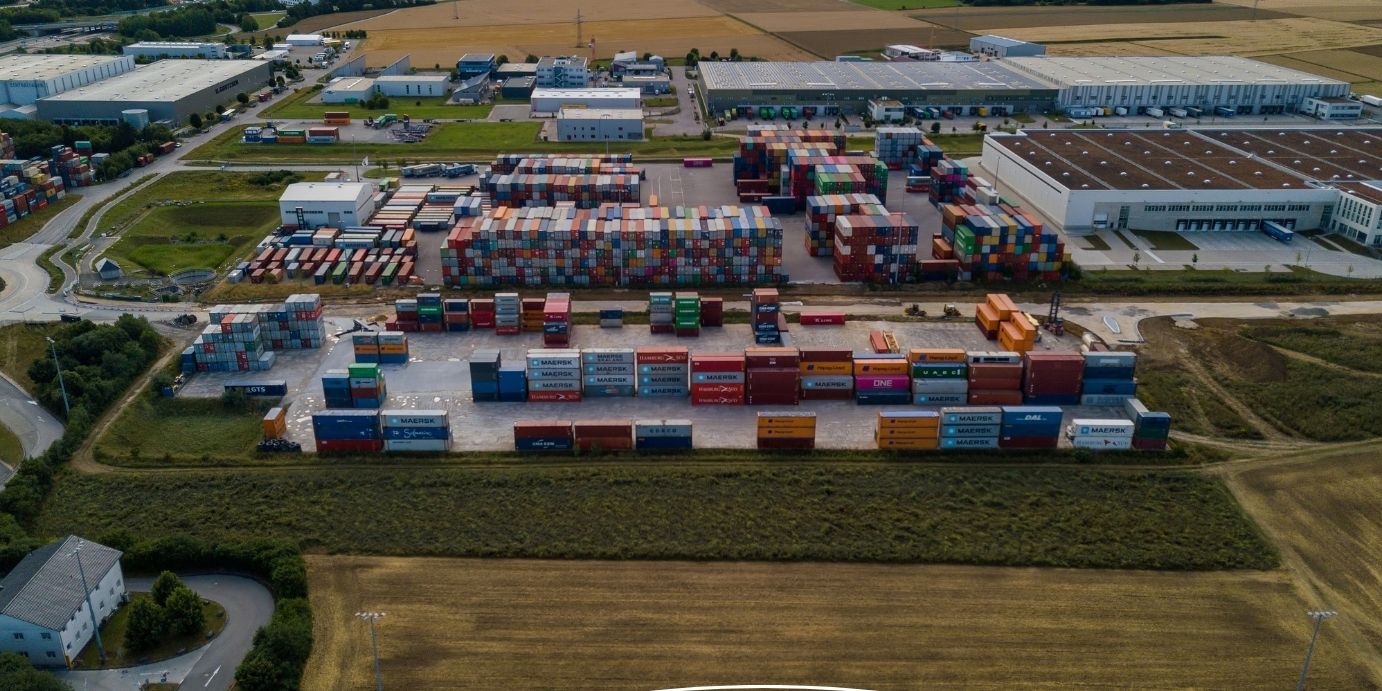
A freight transport center is a centrally located commercial area where various logistics and transport companies, service providers, and distribution centers are located. The core principle of a GVZ is to promote intermodal transport – the efficient transfer of goods between different modes of transport (e.g., from truck to rail). By concentrating logistics activities in one location, GVZs create powerful synergies, optimize supply chain management, and enable freight bundling, leading to greater efficiency and lower costs for companies.
Economic and Environmental Benefits
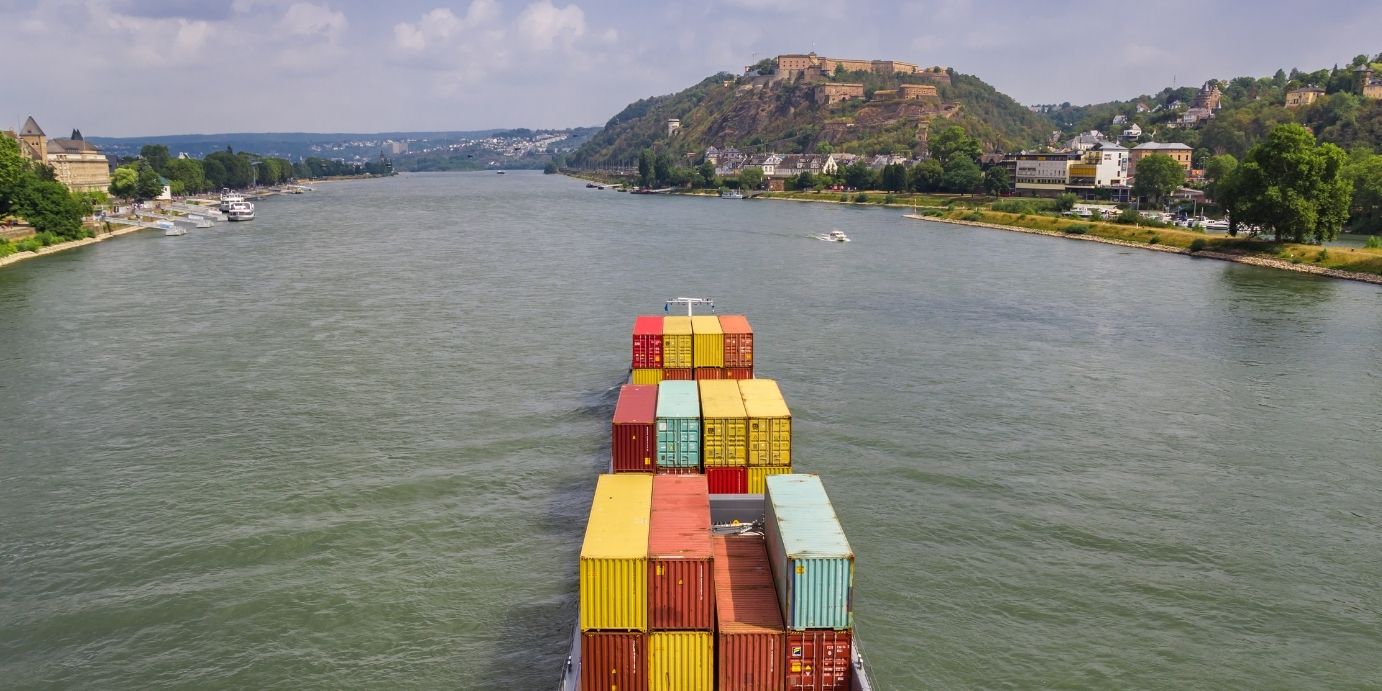
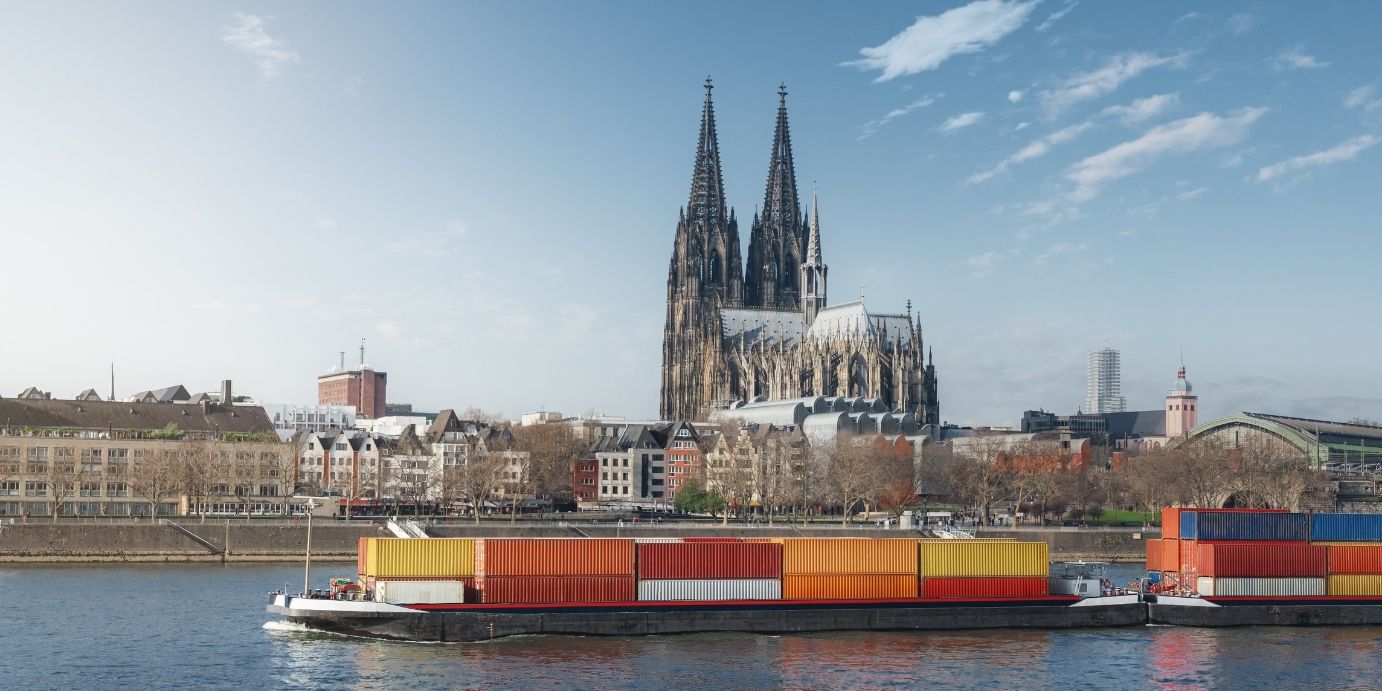
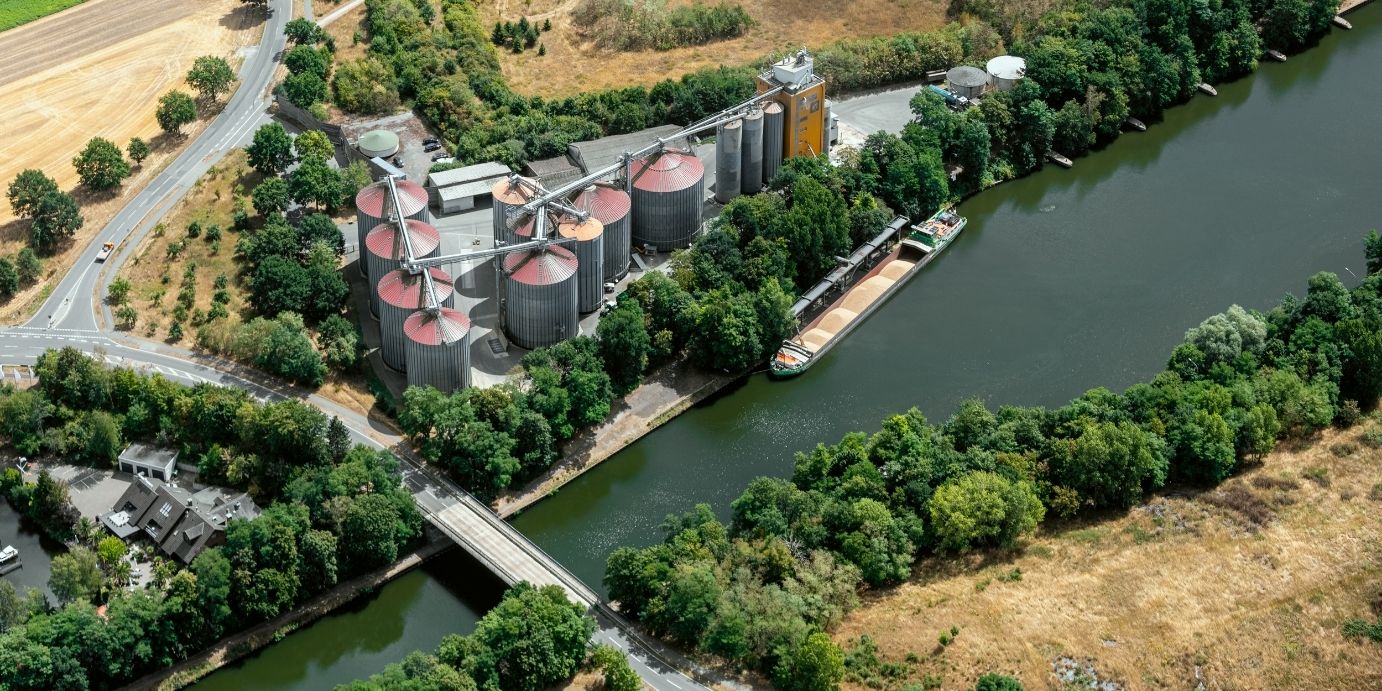
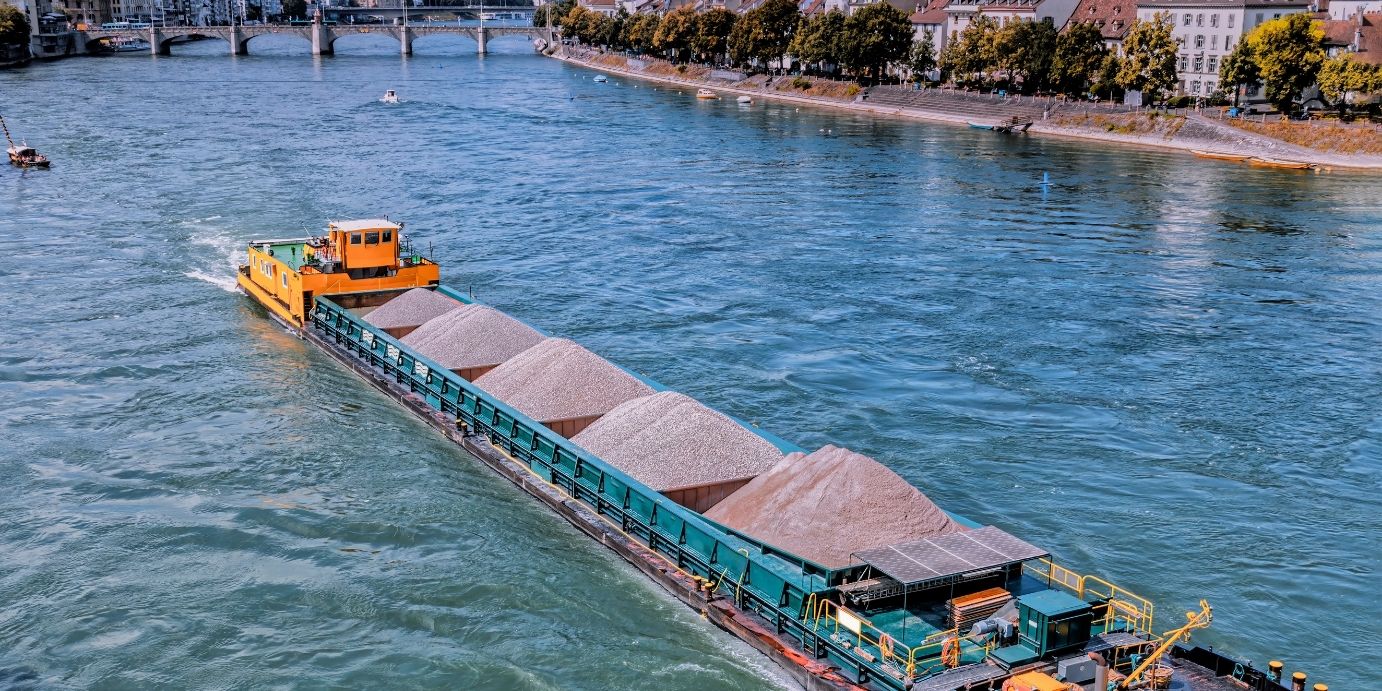
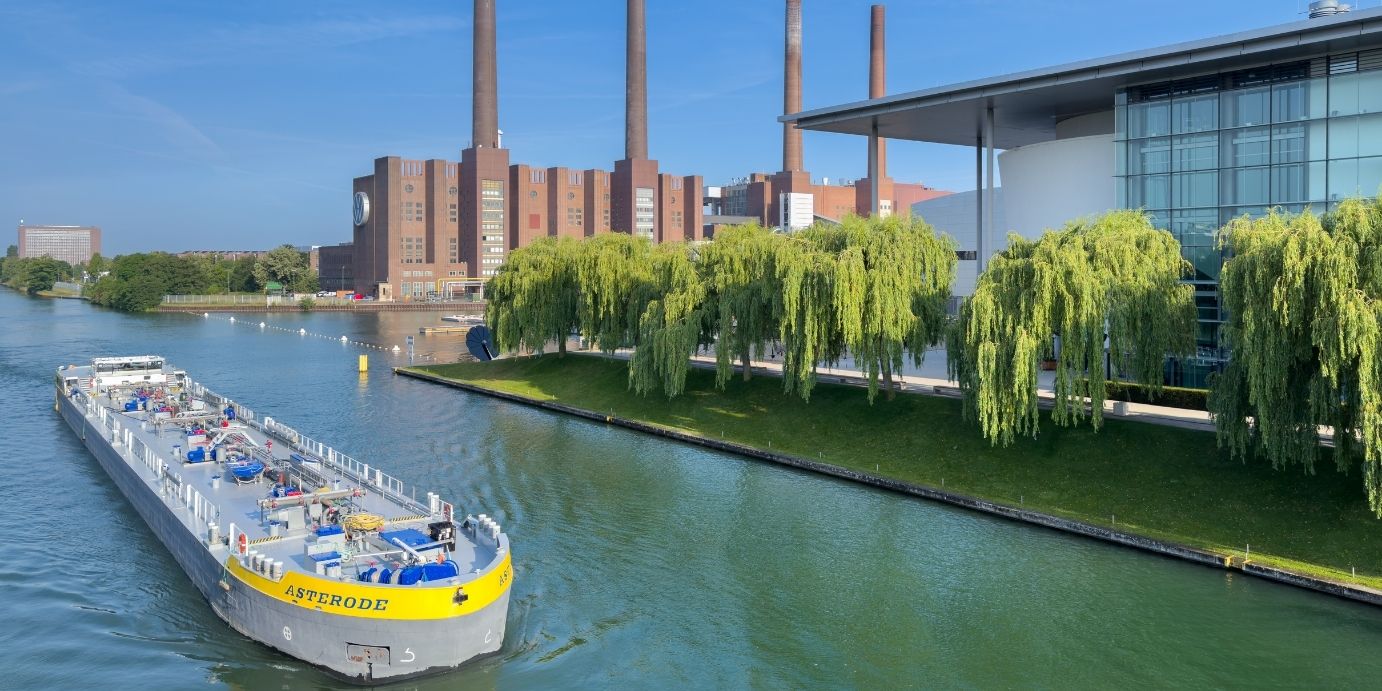
The German GVZ network offers significant economic and environmental benefits. Economically, these hubs strengthen a region's competitiveness by attracting investment, creating jobs, and providing efficient infrastructure for local industry. They reduce operating costs for logistics companies through shared infrastructure and optimized transport routes. From an ecological perspective, freight villages play a crucial role in promoting sustainable logistics. By facilitating the shift from road to the more environmentally friendly modes of transport, rail and waterways, they contribute to reducing CO₂ emissions, mitigating noise pollution, and relieving congestion on German motorways.
Germany's Role as a European Logistics Hub
Germany's dense network of sophisticated freight villages is a cornerstone of its position as a leading logistics market in Europe. Thanks to its central geographical location, Germany serves as a critical transit country for European trade. The freight villages are strategically positioned along key national and trans-European transport corridors, ensuring optimal connectivity for the flow of goods across the continent. This sophisticated network not only supports the German economy but is also essential for the smooth functioning of the entire European single market.