




Self-storage the small storage room
Table of contents
- Definition: What is self-storage?
- The demarcation: Logistics property and warehouse logistics at a glance
- Self-storage vs. logistics property: A question of structure
- Self-storage vs. warehouse logistics: The difference in service level
- Target Groups and Use Cases in Comparison
- Conclusion: Specialization as a decisive factor
Definition: What is self-storage?
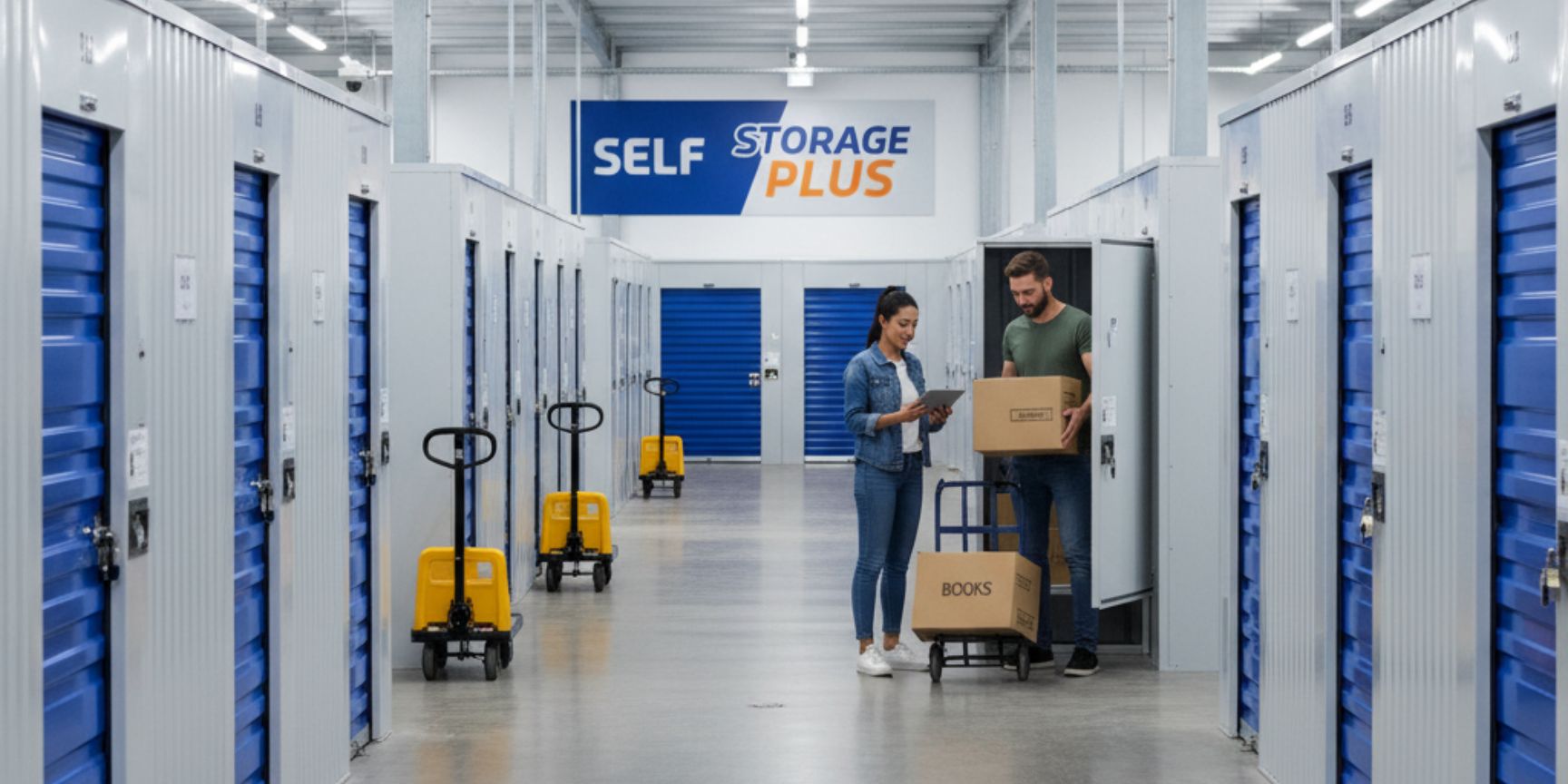
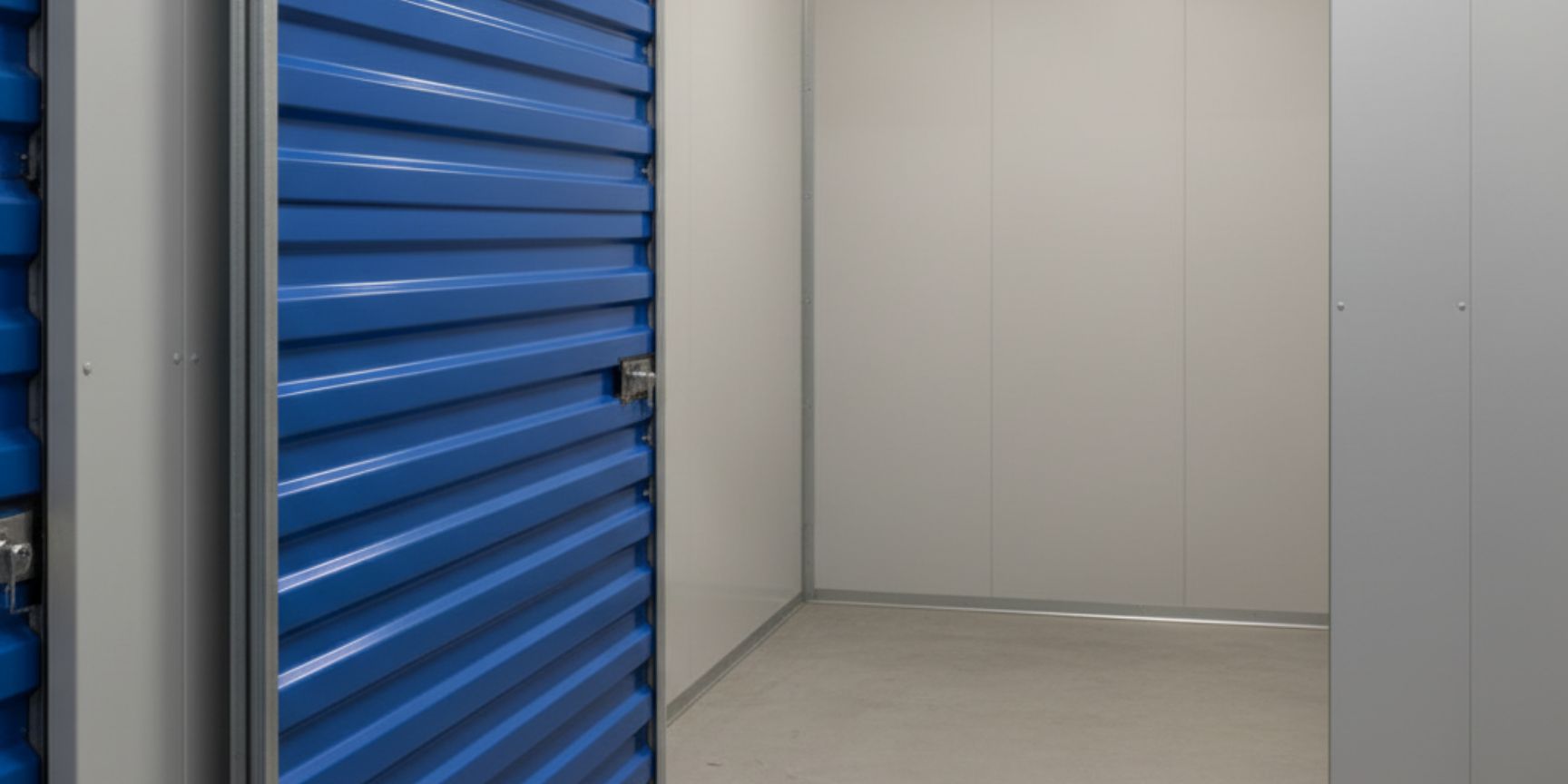
Self-storage, literally "store yourself", refers to the rental of individual, lockable and view-protected storage units (storage boxes, compartments) of different sizes to private individuals and small businesses. The user only rents the pure, unheated storage unit (defined as "room for storage") on a flexible, usually monthly contract basis. He is responsible for the storage, management and transport of his belongings. The facilities are typically located in consumer-oriented, urban locations and are characterized by high security standards (video surveillance, access controls) and easy, often round-the-clock access for tenants. The provider provides the passive infrastructure, but does not provide any logistical service.
The demarcation: Logistics property and warehouse logistics at a glance
To understand the difference, two related terms must be clearly defined:
- The logistics property: This is the physical shell – the hall itself. It is a specialized commercial property designed to meet the requirements of modern logistics processes. Characteristics are large, low-column areas, high ceilings (often >10 metres), a high floor load capacity, a large number of loading ramps (delivery gates) and a strategic location on supra-regional transport axes. Tenants are usually individual, large companies (production, trade, logistics service providers).
- Warehouse logistics: This describes the active service that is provided within a logistics property. It encompasses the entire process of moving goods: from receipt and quality control to storage, inventory management (using warehouse management systems), picking and packing to shipping of goods. Warehouse logistics is a full-service offering operated by specialized companies (3PL service providers) or the companies themselves.
Self-storage vs. logistics property: A question of structure
The most fundamental difference lies in the structural structure and the usage concept. A logistics property is a large-scale unit designed for the handling and movement of large quantities of goods by machines such as forklifts. Their efficiency is measured by factors such as the throughput per hour or the optimal utilization of the cubature.
A self-storage building, on the other hand, is extremely small-scale. It consists of hundreds or thousands of small, separate units connected by corridors. The infrastructure is designed for access for individuals with cars or vans, not 40-ton trucks. The added value per square metre is achieved here by the sum of many small leases, not by the long-term lease of a single major user.
Self-storage vs. warehouse logistics: The difference in service level
This is where the decisive functional demarcation lies. Self-storage is a pure "do-it-yourself" model. The tenant receives a key or code and is solely responsible for his stored goods from this moment on. The provider has neither knowledge of nor access to the contents of the box and assumes no liability for the stored items.
Warehouse logistics is the exact opposite: a "managed service" model. The logistics service provider takes full responsibility for the goods as soon as they arrive at the ramp. It actively manages inventory, optimises storage locations, executes orders and guarantees the integrity and availability of products. The warehouse logistics customer buys a complex service, not just empty space.
Target Groups and Use Cases in Comparison
The differences result in clearly separate markets:
Self-storage users:
- Private: When moving, renovating, lack of space or for seasonal storage (tires, garden furniture).
- Trade: craftsmen for tools and materials, small online retailers as warehouses, sales representatives for sample collections, companies for file archiving.
Users of logistics real estate & warehouse logistics:
- Medium-sized to large companies from retail, e-commerce and industry.
- They need a central location for their distribution or fulfillment processes to efficiently manage supply chains and ship goods to end customers or other companies.
Conclusion: Specialization as a decisive factor
In summary, self-storage is a specialized niche in the small-scale commercial rental sector, aimed at end consumers and micro-enterprises. It is a real estate business. Warehouse logistics, on the other hand, is a complex B2B service that takes place within specialized logistics properties. While the self-storage provider provides passive space, the warehouse logistics provider actively manages the flow of goods from its customers. A confusion of terms ignores the fundamental differences in business model, infrastructure and depth of service offered.