




Macrologistics in logistics
Table of contents
- What is macrologistics? An economic perspective
- Question & Answer: What is the relationship between macrologistics, mesologistics and micrologistics?
- The logistics property: The physical backbone of macrologistics
- What role does warehouse logistics play in the macroeconomic structure?
- Contract logistics: The intelligent service component
- Outlook: Future challenges of macrologistics
What is macrologistics? An economic perspective
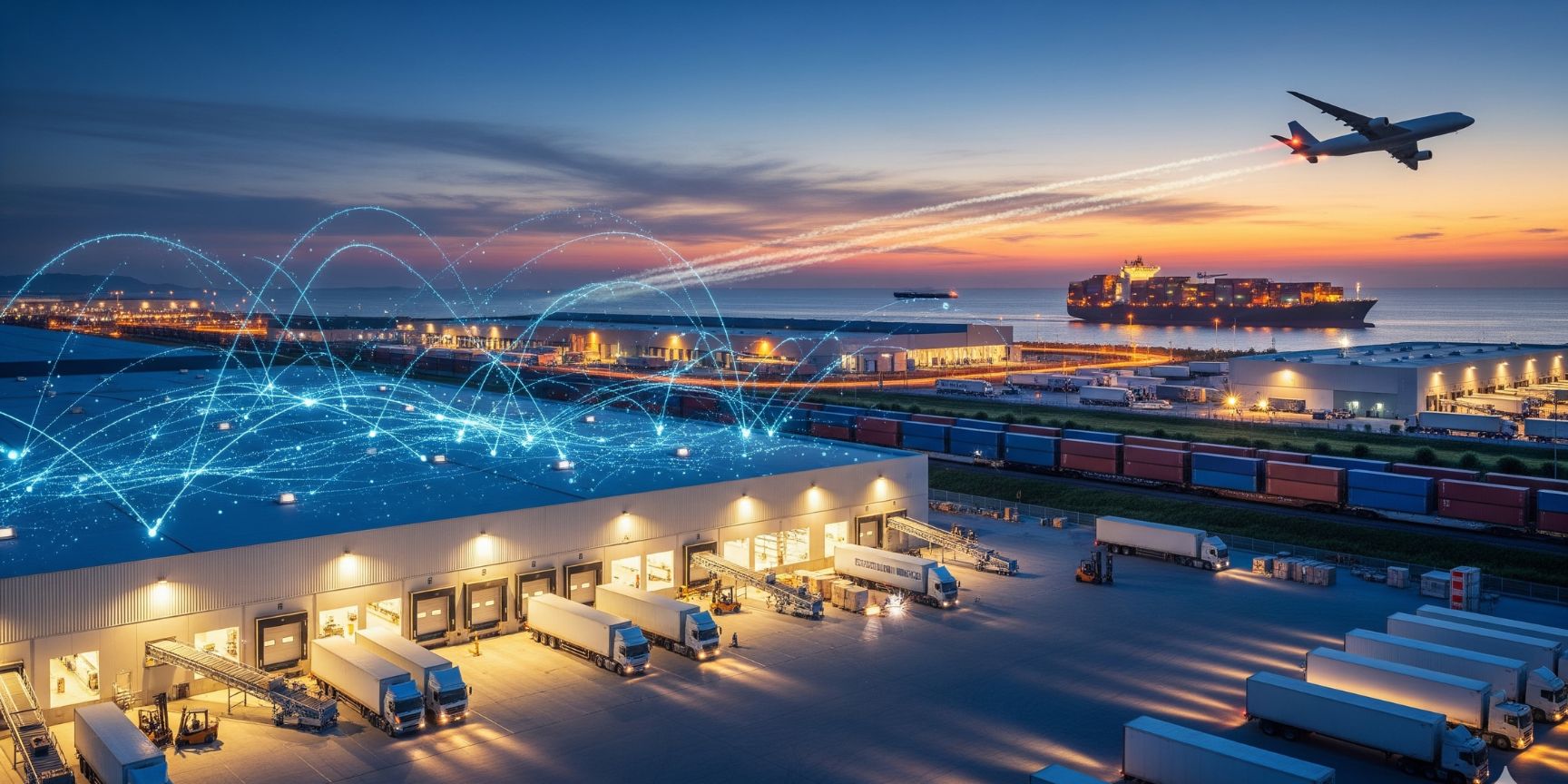
Macrologistics takes a bird's eye view and looks at logistics systems in a macroeconomic context. Instead of focusing on the processes within a single company (micrologistics), it analyzes the flows of goods, information, and finance between different economies (international) or within a single economy (national). It is the "operating system" of global and national trade, so to speak.
At its core, macrologistics deals with the design, control and optimization of nationwide or global logistics networks. This includes fundamental elements such as:
- The infrastructure: transport routes such as motorways, rail networks, waterways and airports.
- The political and legal framework: customs regulations, trade agreements and environmental requirements.
- The technological standards: communication networks (e.g. 5G for IoT applications) and IT systems that enable smooth data exchange.
The aim of macrologistics is to increase the efficiency of the entire system, reduce costs, ensure security of supply and thus strengthen the competitiveness of a business location.
What is the relationship between macrologistics, mesologistics and micrologistics?
These three terms describe the different flight altitudes of the logistics consideration:
Question: What is the main difference between the levels?
Answer: The decisive difference lies in the focus of observation. Think of logistics as a huge network.
- Macrologistics is a bird's-eye view of the entire network – the major highways and data lines that connect countries and continents. It is economically oriented.
- Mesologistics zooms one level deeper and looks at cooperative networks of several independent companies, e.g. logistics centres, freight transport centres or the supply chain of a specific industry (e.g. automotive). It is inter-company.
- Micrologistics is the ground view and deals with all logistical processes within a single company – from incoming goods to intralogistics to outgoing goods. It is business-oriented .
All three levels are inextricably linked. Efficient micrologistics can only develop its potential if the macrologistics infrastructure is efficient.
The logistics property: The physical backbone of macrologistics
Every macrologistic system needs physical hubs where flows of goods are bundled, sorted, stored and redistributed. This is exactly where logistics real estate comes into play. It is much more than just a "hall". Modern logistics properties are high-tech centers and the heart of the physical supply chain.
In Germany, Europe's logistics hub, take-up for logistics and industrial properties has consistently exceeded 7 million square metres per year in recent years. This underlines the immense importance of this asset class. A logistics property fulfils the following key functions in a macrologistics context:
- Consolidation: Goods from different senders are bundled together for onward transport to a destination.
- Deconsolidation: Large shipments are split into smaller units for regional distribution.
- Buffering: They compensate for fluctuations between supply and demand and secure the supply chain.
What role does warehouse logistics play in the macroeconomic structure?
- Question: Isn't warehouse logistics a purely operational (micrologistical) task?
- Answer: Yes and no. Operational processes take place at the company level, but their efficiency has direct macrologistical implications. Optimized warehouse logistics in thousands of companies ensures higher speed, lower error rates and better capital commitment throughout the national goods cycle.
Warehouse logistics is the engine within the logistics property. It covers all processes from the receipt of goods to storage (chaotic, fairground, etc.), order picking, packaging and loading. Efficient warehouse processes reduce throughput times, lower costs and increase the flexibility of the entire supply chain. If this engine fails or stutters, this has direct consequences for the stability of the overarching macrologistic network (for example supply bottlenecks during the pandemic).
Contract logistics: The intelligent service component
Contract logistics goes far beyond pure transport and storage (the classic freight forwarding business). It refers to the long-term takeover of complex, networked logistics services by an external provider (3PL - Third Party Logistics Provider). These services often also include so-called value-added services such as assembly, quality control, returns management or even parts of the ordering system.
For the macrologistics system, contract logistics is a decisive factor for specialisation and efficiency. Companies no longer have to build up every logistical competence themselves, but can fall back on highly specialized service providers. This promotes:
- Flexibility: Companies can react more quickly to market fluctuations.
- Efficiency: Specialists bundle volume and know-how, which leads to cost advantages.
- Focus: Companies can concentrate on their core competencies.
This will make the entire economic system more agile and competitive.
Outlook: Future challenges of macrologistics
Macrologistics is facing enormous upheavals. The most important drivers for the future are:
- Sustainability (Green Logistics): The decarbonisation of supply chains, the optimisation of transport routes to reduce CO₂ emissions and the creation of sustainable logistics properties (e.g. with DGNB certification) are key challenges.
- Resilience: Geopolitical crises and pandemics have shown the vulnerability of global supply chains. The creation of more robust, diversified and regional networks is a macrological goal.
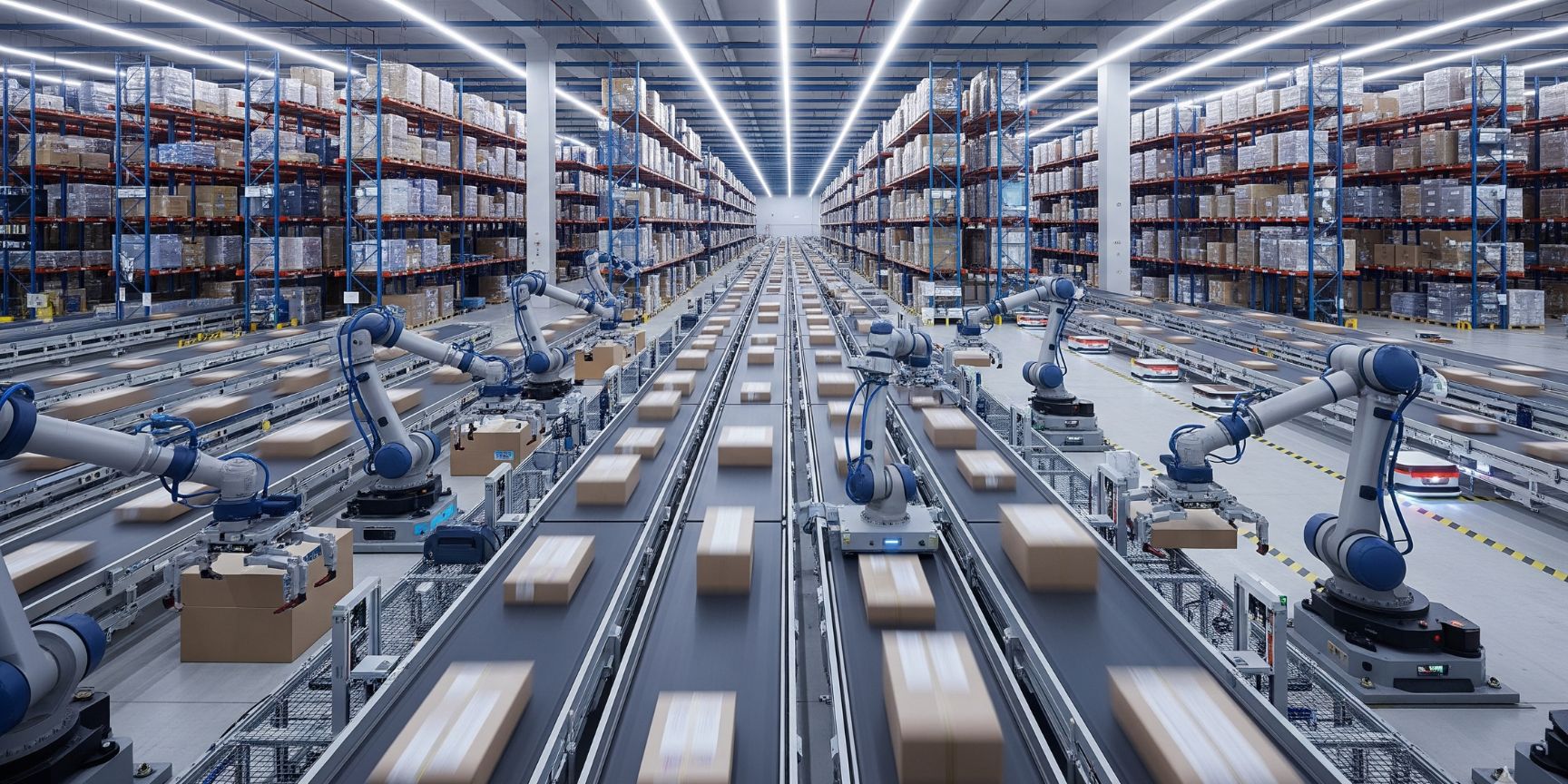
- Digitization and automation: The use of AI to predict the flow of goods, autonomous trucks and fully automated warehouses will take efficiency to a new level, but will also require massive investments in digital infrastructure.