



Reverse Logistics as part of logistics
Table of Contents
- Stress-free returns: how do I optimise my reverse logistics for a smooth process?
- How are returns processed?
- Communicate and offer clear return conditions
- Using technology to automate reverse logistics
- How do I ensure effective communication with the customer during the returns process?
- Analysis and optimisation of your reverse logistics
- How can customer satisfaction in reverse logistics be improved?
Stress-free returns: how do I optimise my reverse logistics for a smooth process?
Optimised reverse logistics are of great importance for companies in e-commerce in order to satisfy customers and gain their loyalty. Communicating clear returns conditions, establishing simple returns processes and using technology for automation are important steps for optimising reverse logistics.
Effective communication with customers during the returns process and analysing reverse logistics for continuous improvement are also crucial. Improved reverse logistics can also help to increase customer satisfaction and improve the company's image.
Efficient processing can not only increase customer satisfaction, but also save time and costs. Clear communication of the returns conditions and simple, customer-friendly returns processes create trust in the company. The automation of reverse logistics through technology helps to speed up the process and minimise errors.
Transparent communication with the customer throughout the entire returns process also contributes to satisfaction. Through analysis and optimisation, a company can achieve additional savings. It is important to emphasise that optimised reverse logistics is not only beneficial from the company's point of view, but also creates a pleasant shopping experience for the customer.
How are returns processed?
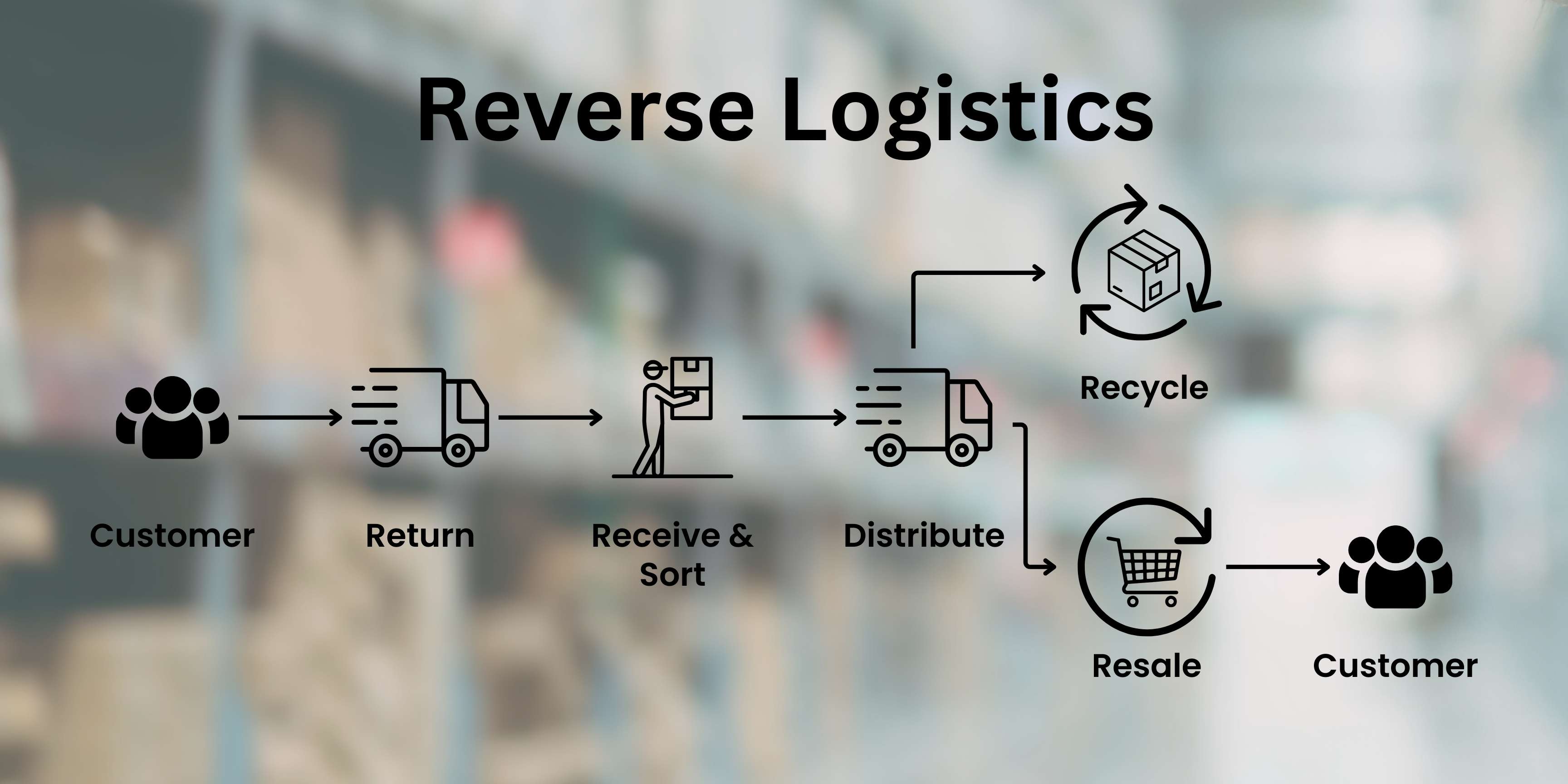
Processing returns is an important part of customer service and customer loyalty. A standardised process ensures that the customer completes the returns form and the product is checked. Traceability is important for transparency and the protection of companies and customers. Efficient processing strengthens customer trust and promotes long-term relationships. It is important to establish simple and customer-friendly returns processes. Well-organised logistics ensure that returned goods are quickly available again and increase customer satisfaction. Companies should not underestimate the importance of optimised reverse logistics - it can be a decisive competitive advantage!
Communicate and offer clear return conditions
To be successful in e-commerce, companies should communicate and offer clear return conditions. This includes clearly stating the conditions on the website as well as various return options for the customer.
A simple and customer-friendly returns registration process is also important, for example through online returns options or pre-franked returns labels. Fast processing of returns and transparent communication with customers are other important factors. A customer-orientated returns process enables companies to reduce their returns rate and increase customer satisfaction, which can contribute to the company's success.
Using technology to automate reverse logistics
By automating reverse logistics, e-commerce companies can increase their customer satisfaction and become more competitive. Technology enables retailers to simplify and speed up the entire process from returns registration to restocking.
Customers can register their returns online and automatically receive a confirmation email with all the relevant information. The centralised collection of all data facilitates the management of reverse logistics and improves communication with customers. This saves companies time and resources while guaranteeing the smooth processing of their returns - an important factor for satisfied customers in a highly competitive market environment.
How do I ensure effective communication with the customer during the returns process?
An important step in optimising your reverse logistics is effective communication with your customers during the returns process. It is very important that your customers are informed about the status of their return at all times and can feel confident that their goods will be returned successfully. To do this, it is a good idea to send automated emails informing the customer that their return has been received and how long the process is likely to take.
Clear communication regarding the return conditions and possible problems during the process also contributes to customer satisfaction. An easy way to do this is to include an FAQ page on your website or contact them directly by email or phone. You should also make sure that your customers can register a return quickly and easily - registration and login forms are ideal for this. All in all, transparent and customer-orientated communication in reverse logistics will make a significant contribution to your company's ability to compete in e-commerce.
Analysis and optimisation of your reverse logistics
If you want to improve your reverse logistics, you should analyse and optimise your returns process. To do this, you should collect data from past returns and identify weak points.
Technological tools such as Google Analytics can help you to understand customer behaviour. Good communication with customers and appropriate registration of returns are also important.
How can customer satisfaction in reverse logistics be improved?
To improve customer satisfaction in reverse logistics, retailers should communicate clear returns terms and offer customer-friendly processes.
Technology can help to promote automation and support active communication with customers throughout the returns process. Continuous analysis and optimisation of reverse logistics processes and training for customer service staff are also crucial.
Regularly adapting to e-commerce news and personalised experiences can increase customer loyalty and encourage customers to shop with a retailer again - even in the event of a return.
Through precise analysis, you can not only optimise processes, but also identify reasons for returns and take targeted measures. Regular training for your team keeps you up to date with the latest developments in the e-commerce market.