




Micrologistics in logistics
Table of contents
What is micrologistics?
Micrologistics is the planning, controlling, execution and control of all physical and informational processes that take place within a limited operational system. In contrast to macrologistics, which looks at global and cross-company flows of goods, micrologistics zooms in on the smallest logistics units and movements. It is the DNA of intralogistics, so to speak.
The focus is on optimizing the flow of materials and information at the lowest process level. This includes, for example, the transport of individual parts to an assembly station, the movement of a picking box in the warehouse or the sorting of goods on a sorter. The goal is always to minimize waste, shorten throughput times and maximize process reliability.
- Question: Is micrologistics just another word for intralogistics?
- Answer: No, not quite. Intralogistics is the overarching term for the organization of the flow of materials and goods within a company premises. Micrologistics is a sub-discipline of this that deals with the most detailed level of these internal processes . You could say that intralogistics plans the highways in the warehouse, while micrologistics optimizes traffic on each individual lane right down to the movement of the individual vehicle.
The core areas of micrologistics in the warehouse
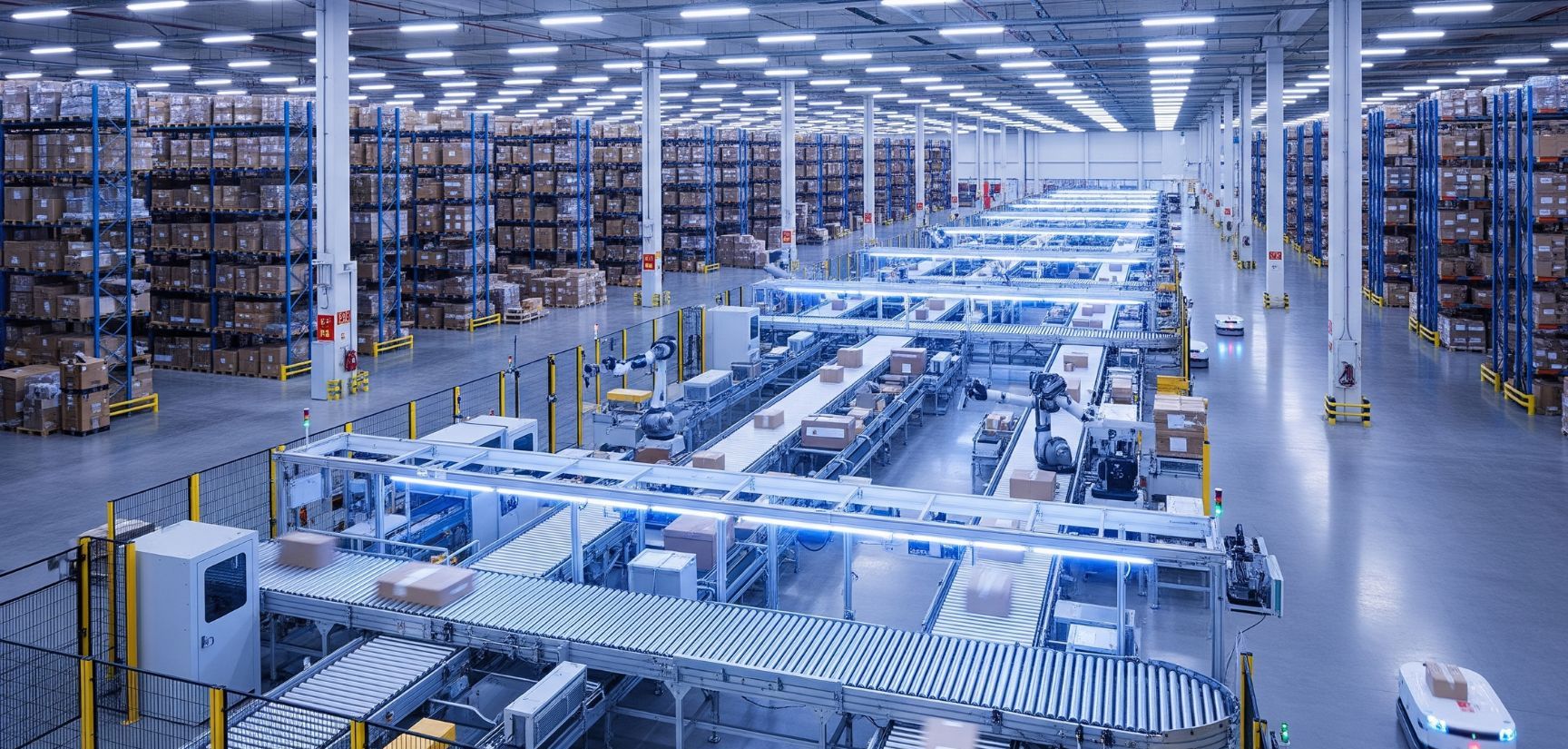
In the context of warehouse logistics, micrologistics unfolds its full importance. It is at the heart of efficient warehousing and management. Their main areas of responsibility can be clearly defined:
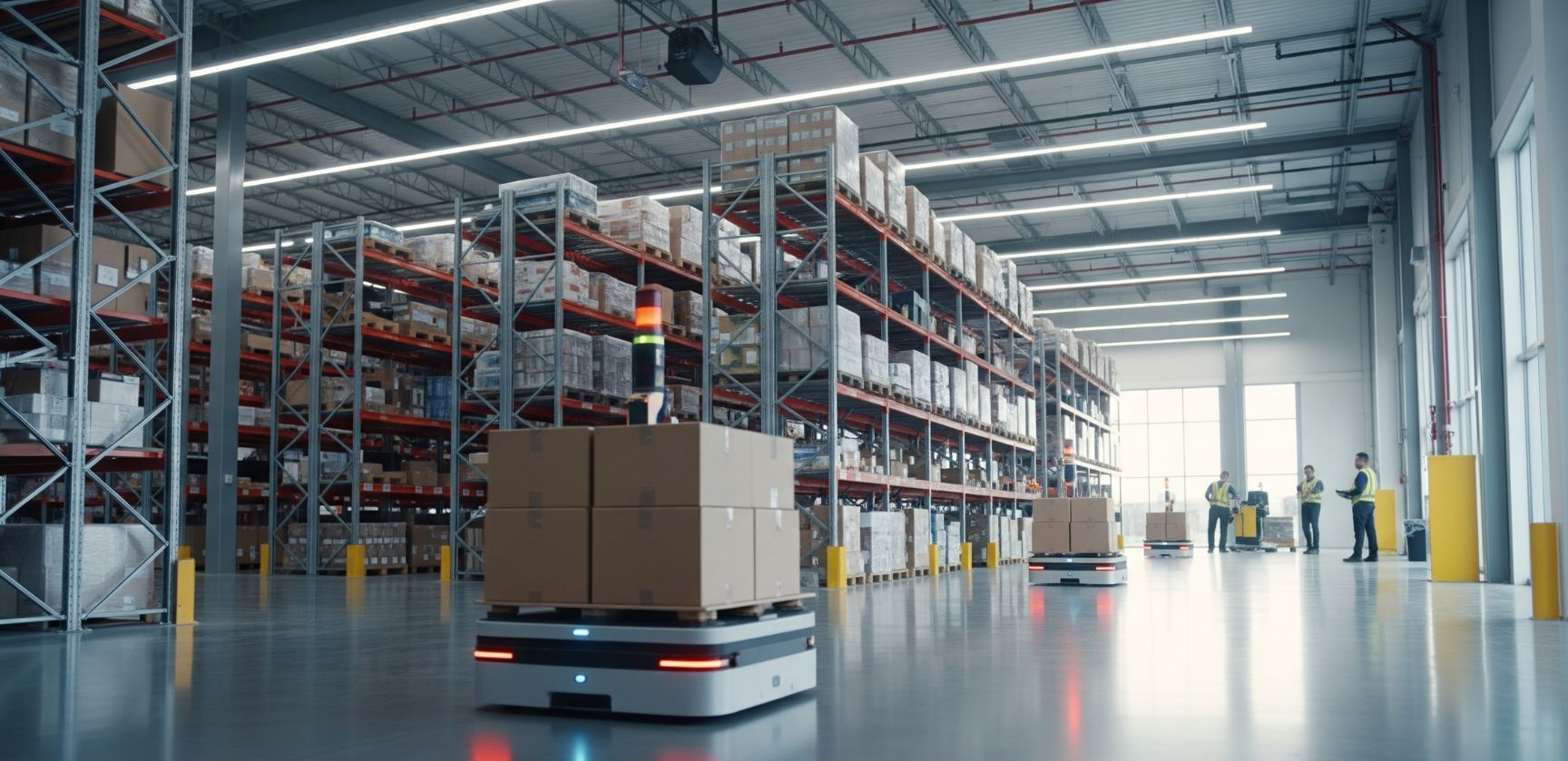
- Transport and handling: This includes all physical movements of goods. From storing the goods to moving between different storage zones to making them available for picking. Every handle, every journey of a forklift or automated guided vehicle (AGV) is the subject of micrological analysis.
- Storage: This is about the optimal placement of items in the warehouse (slotting). Factors such as access frequency (ABC analysis), volume, weight and expiration dates determine the ideal storage location to minimize distances.
- Picking: This is often the most costly and time-consuming process in the warehouse and thus a prime example of the application of micrologistics. The optimisation of pick routes, the choice of picking method (e.g. pick-by-light, pick-by-voice) and the ergonomic design of the workstation are central tasks.
- Sorting and packing: After picking, the goods must be assigned to the right orders, sorted efficiently and optimally packed for shipping. Here, too, throughputs and error rates are analysed and improved at the micrological level.
What role does logistics real estate play in micrologistics?
The logistics property is much more than just a shell; it is the playing field on which the micrologistic processes take place. The physical conditions of a hall have a direct and massive influence on efficiency.
- Question: How does the layout of a hall influence micrologistics?
- Answer: Quite significantly. The layout of storage areas, the width of the aisles, the position of gates and the integration of social and office spaces determine the length of transport routes. A poorly planned property can slow down even the best processes. Modern logistics properties are therefore planned "from the inside out": First, the ideal micrologistics material flow is designed, and the appropriate building envelope is designed around it. Aspects such as floor conditions (crucial for the use of AGVs), ceiling height (for high-bay warehouses) or the number of loading ramps are critical factors that directly limit or promote the performance of micrologistics.
Key Performance Indicators (KPIs) to Measure Micrologistic Efficiency
In order to optimize processes, they must be measurable. In micrologistics, specific key performance indicators (KPIs) are used for this purpose.
- Question: What are typical KPIs in the micrologistics of a warehouse?
- Answer: The most important KPIs include:
- Pick performance per hour: Measures the number of picks that an employee or system can do per hour.
- Lead time: The time it takes for an order to go from receipt to shipment. A reduction is a clear sign of improved micrologistics.
- Picking Error Rate: Indicates how many picks per 1,000 (or more) are defective. A low rate stands for high process reliability.
- Warehouse Fill Level: Measures the efficiency of space utilization.
- Distance per pick/order: Shorter distances mean less time and energy expenditure and are a direct result of good micrological planning.
The analysis of this data reveals weaknesses and enables targeted process improvement.
Technologies and automation as drivers
Modern micrologistics is hardly conceivable without technological support. Automation is the key to leveraging the potential at this detailed level.
From automated small parts warehouses (AS/RS) that store and retrieve containers in seconds, to automated guided vehicles (AGVs) that take over the internal transport of goods, to robots in order picking (goods-to-person systems) – the technology intervenes directly in micrologistics processes. Even software such as a warehouse management system (WMS) is a central tool of micrologistics, as it takes over the control of all processes, intelligently manages storage locations and transmits transport orders to forklifts or AGVs in a route-optimized manner.
Conclusion: Why is micrologistics crucial for success?
Concentrating on micrologistical details is not a "nice-to-have", but a fundamental competitive factor. In a time of increasing customer requirements (same-day delivery), growing cost pressure and a shortage of skilled workers, optimization at the lowest process level is the decisive lever. A company that has mastered its micrologistics can act faster, more error-free and more cost-effectively. It makes optimal use of the space of its logistics property, maximizes the performance of its employees and technologies, and thus creates the basis for scalable and future-proof logistics. Every second saved in a pick and every meter of distance avoided multiply over thousands of operations per day to a massive gain in efficiency.