



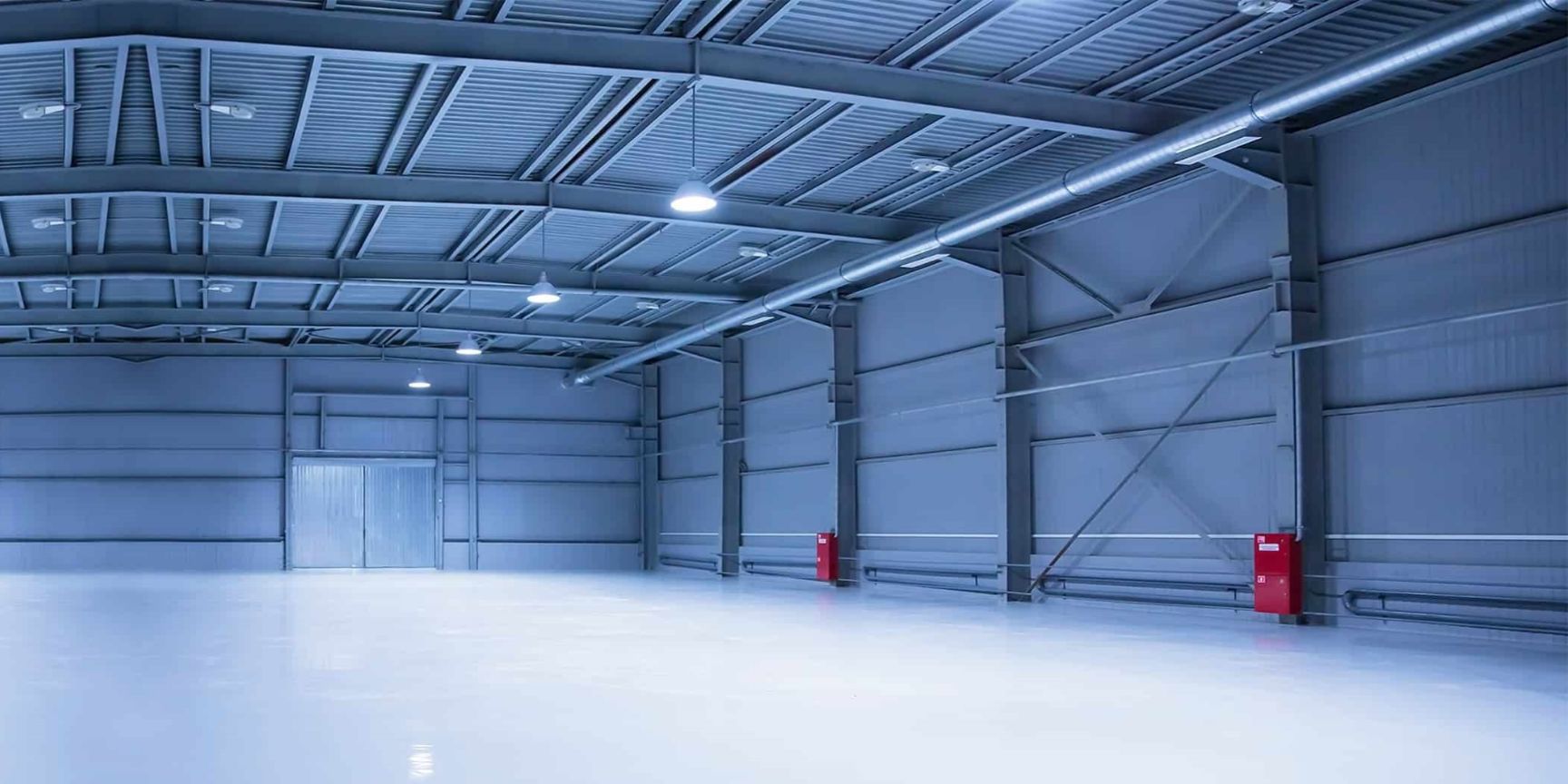
Warehouse Prices Germany 2025: Essential Insights for Logistics Professionals & Businesses
The German logistics market remains dynamic, with sustained high demand for warehouse space. But how will prices for hall space, storage facilities, and complex logistics solutions develop in 2025? What factors influence storage costs, and where can companies optimize their operations? This blog post offers an in-depth analysis of pricing within the German warehouse market, providing a comprehensive overview. Stay informed to leverage the latest trends and forecasts for your logistics strategy!
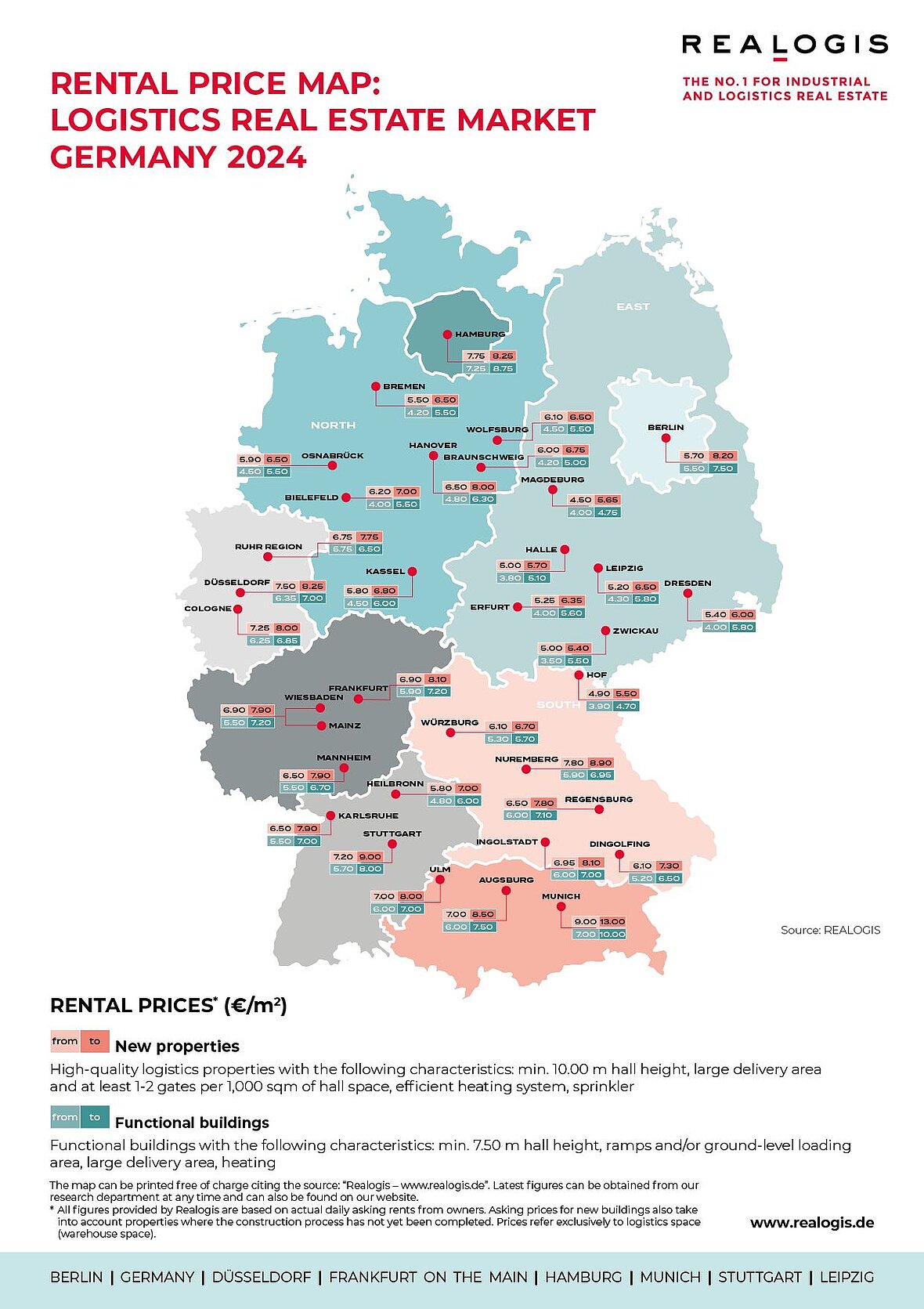
Per-Square-Meter Pricing: Understanding Warehouse & Hall Rental Costs in 2025
The rent per square meter (m²) for hall and warehouse space forms the foundation of every calculation. In 2025, we continue to observe price differentiation based on region, location, and facility features.
- Top Logistics Regions (e.g., Rhine-Ruhr, Frankfurt, Munich, Hamburg, Berlin): These areas command prime rents due to high demand and excellent infrastructure. For modern, efficient hall spaces with good connectivity, prices of €5.50 to €7.50 per m² per month are realistic. Premium locations or specialized properties may exceed this range.
- Secondary Logistics Locations: In less established or peripheral regions, prices tend to be more moderate, often ranging between €4.00 and €5.50 per m² per month.
- Existing Properties vs. New Construction: Newly built, energy-efficient, and state-of-the-art halls fetch higher prices than older existing properties, which may require renovation or offer less flexible usage options.
- Facility Features Impact Pricing: The availability of loading docks, floor load capacity, ceiling height, heating, and specific fire protection systems can also influence the per-m² price.
It is crucial to precisely define individual needs to secure the right property at the optimal price-performance ratio and effectively optimize storage costs in Germany.
Managed Warehousing Solutions: Beyond Space – Comprehensive Logistics Efficiency
Simply renting storage space is often just the first step. Many companies prefer or require a fully managed warehousing solution. In addition to pure rental costs, further service fees apply. Pricing for these solutions is inherently more complex and heavily depends on the scope of services.
The costs typically comprise:
- Rental Costs for the Space: As described in Section 1.
- Personnel Costs: For warehouse workers, forklift operators, team leaders, etc.
- Operating Costs: Energy, heating, maintenance, cleaning.
- IT Infrastructure: Warehouse Management Systems (WMS), scanners, etc.
- Equipment Fleet: Acquisition and maintenance of forklifts, racking systems, etc.
For a fully managed warehouse where the logistics service provider handles operational management, costs can be billed per occupied pallet space or per item. Alternatively, fixed monthly costs for the total service are common. A rough guide for such comprehensive logistics solutions is between €15 and €30 per pallet space per month, depending on throughput frequency and specific management requirements for warehouse processes.
Value Added Services (VAS): Enhancing Value in the Warehouse – Examples & Pricing
Value Added Services (VAS) extend beyond basic storage, encompassing additional services that create value for the product or customer. These services are often billed separately and increase overall costs, yet simultaneously optimize the supply chain and can alleviate internal operational burdens.
Examples of VAS and their pricing impact:
- Order Picking: Varies by complexity (individual items, boxes, pallets) and volume. Billed per pick, per line, or hourly.
- Co-packing/Repacking: Packaging according to customer requirements, display construction, labeling. Billed per unit or hourly.
- Quality Control: Incoming inspection, random checks. Billed per batch or hourly.
- Returns Management: Processing returns, reprocessing. Billed per return.
- Kitting/Assembly: Assembling sets, simple assembly tasks. Billed per set.
The cost of VAS is usually calculated based on actual effort (working time, material consumption) or per unit handled. A blanket statement on pricing is challenging, as it heavily depends on the type and scope of the service. Companies should obtain detailed quotes to precisely plan their logistics costs.
Contract Logistics: Customized Solutions for Complex Supply Chain Needs & Pricing Strategies
Contract logistics represents the highest level of integration, forming a long-term, strategic partnership between businesses and logistics service providers. Here, the provider not only handles storage and transport but often entire process chains, including procurement or distribution logistics.
Pricing in contract logistics is highly customized and based on a detailed Service Level Agreement (SLA). Factors that influence costs include:
- Volume and Throughput: The specific design of the pricing structure correlates with the volume and complexity of the throughput.
- Specific Infrastructure: Required specialized warehouses (temperature-controlled, dangerous goods), automated systems.
- IT System Integration: Interfaces with the client's ERP systems.
- Manpower and Specialization: Highly qualified personnel, e.g., for pharmaceutical logistics.
- Risk Sharing: The extent to which the service provider assumes risks and liabilities.
Typically, contract logistics agreements involve a mix of fixed costs (for provided capacities) and variable costs (performance-based per unit or process step). Investing in contract logistics yields benefits through increased efficiency, scalability, and allowing the client to focus on their core business. This is a key strategy for logistics cost optimization.
Price-Influencing Factors in 2025: Energy, Inflation & Skilled Labor Shortage in Logistics
In addition to fundamental market mechanisms, several other significant factors will influence warehouse prices in Germany in 2025:
- Energy Prices: The volatility of energy prices, particularly for electricity and heating, directly impacts warehouse operating costs and can lead to price adjustments.
- Inflation and Wage Costs: General inflation and rising wage costs (especially due to the ongoing skilled labor shortage in the logistics sector) pressure service provider margins and are often passed on to customers.
- Construction and Land Costs: Continuously high costs for land and construction services in urban areas limit the supply of new space and drive rents upward.
- Sustainability and ESG Requirements: Investments in green logistics (e.g., photovoltaic systems, e-charging infrastructure) may initially incur higher costs but are crucial for long-term competitiveness and are increasingly demanded by customers.
These factors are critical for accurately calculating logistics costs.
Conclusion & Outlook: Smart Strategies for Your Warehouse Needs in 2025
The pricing trend for warehouse space in Germany in 2025 will continue to be characterized by high demand and rising costs. Therefore, it is essential for companies to thoroughly review their logistics strategy and consider the following points:
- Needs Analysis: Precisely define the required space and services.
- Location Selection: Weighing top locations against more cost-effective alternatives.
- Flexibility: Evaluating short-term rental options versus long-term contracts.
- Automation: Assessing the potential for cost reduction and efficiency gains through smart warehouse solutions.
- Partnership: Selecting a logistics service provider that offers not only competitive costs but also added value and innovation capabilities.
The German warehouse market will continue to offer diverse opportunities in 2025. Those who understand the pricing structures and act proactively can optimize their logistics costs and set the course for future growth.
Latest Blog Posts
Stay up to date with the newest trends, insights, and tips in warehouse and logistics. Our latest articles help you navigate the industry with confidence.

Data Centres vs. Logistics Facilities: The Race for Power and Land
Across Europe, logistics operators are competing for more than land and transport access. They increasingly need something much harder to secure: grid capacity. Data centres are intensifying that competition — and changing how logistics locations are evaluated....

Chinese companies discover Europe's logistics real estate
Chinese companies are becoming an increasingly visible user group in Europe's logistics real estate market. What does this mean for warehouse space, 3PL structures and the requirements for European logistics locations?...
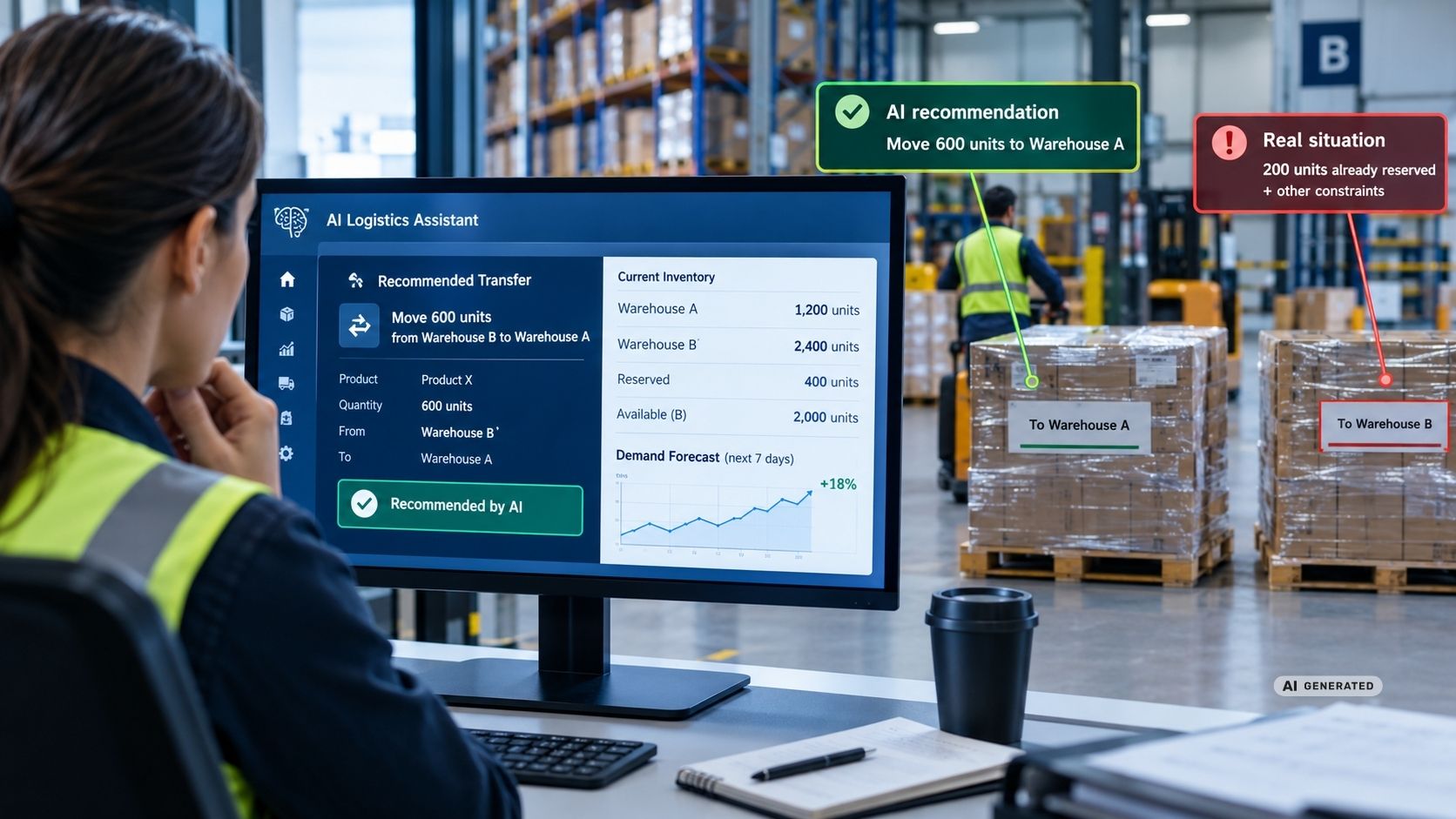
AI Hallucinations in Logistics: When AI Plans the Wrong Delivery
AI can analyze enormous amounts of logistics data — but it can also produce a convincing answer that is simply wrong. The critical question is not whether AI makes mistakes, but what happens when a wrong recommendation becomes an operational decision....
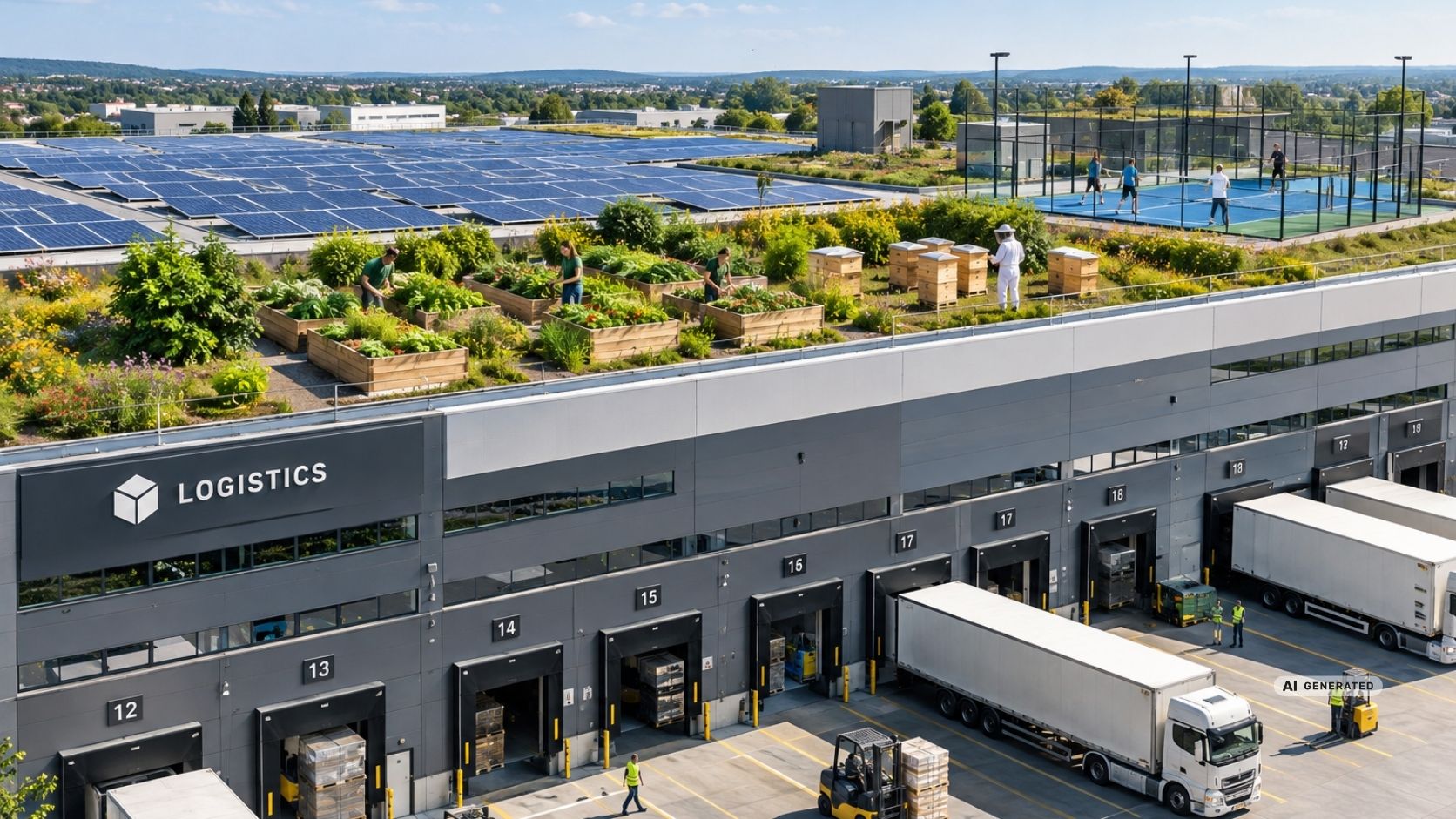
The Green Revolution on the Hall Roof: From Concrete Block to Ecological Power Plant?
Logistics roofs can do more than PV: greening, bees, urban farming and even sports areas turn unused roof space into multifunctional rooms....