



Build-to-suit Logistics Property
Table of Contents
What is a build-to-suit logistics property?
A build-to-suit (BTS) logistics property is a new construction project that is planned and implemented by an investor or project developer according to the exact specifications and needs of a future, single occupant. In contrast to speculative development, in which a developer builds a property based on general market standards and then markets it, the BTS solution determines the tenant or buyer from the outset. All aspects – from the property to the layout and technical building equipment to special requirements such as cooling zones, hazardous materials warehouses or automation infrastructure – are individually tailored to the user's processes. This approach guarantees maximum accuracy of fit and operational efficiency.
The project process: From the request to the handover of the keys
The realisation process of a BTS property is a partnership and multi-stage process that requires close cooperation between users, developers and optionally consulting professionals.
- Requirements analysis and specifications: The first step is the detailed definition of the operational, technical and site-specific requirements by the future user. Space requirements, process flows, technical specifications (e.g. floor load capacity, ceiling height, number of doors), IT infrastructure and sustainability goals (e.g. DGNB certification) are precisely defined in a requirement specification.
- Location and developer selection: Based on the requirements profile, the search for a suitable plot of land and a suitable project developer is carried out. Factors such as transport connections, labour availability and building law are intensively examined. Often, a structured tendering process is carried out to find the ideal partner.
- Planning and contract design: The selected developer creates a detailed design and approval plan based on the requirement specification. At the same time, the contractual basis, usually a long-term lease, is negotiated and finalized.
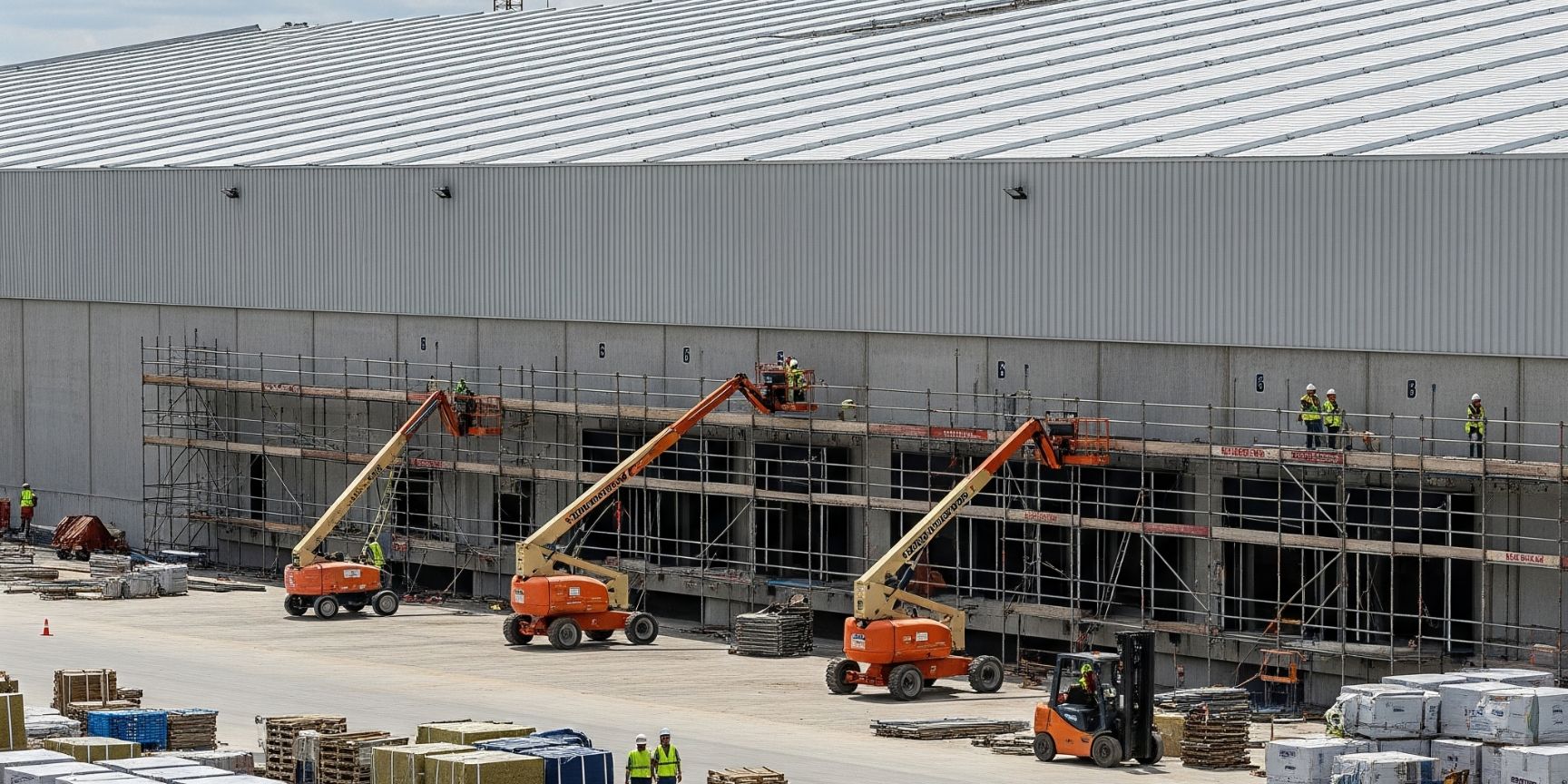
- Implementation phase: After the building permit has been granted, the construction phase begins, which is controlled by the developer and closely monitored by the user. Regular construction meetings and quality controls ensure compliance with specifications.
- Handover and commissioning: After completion and successful acceptance, the property will be handed over to the user on a turnkey basis, who can start installing their own logistics systems and commissioning.
Benefits and Strategic Considerations
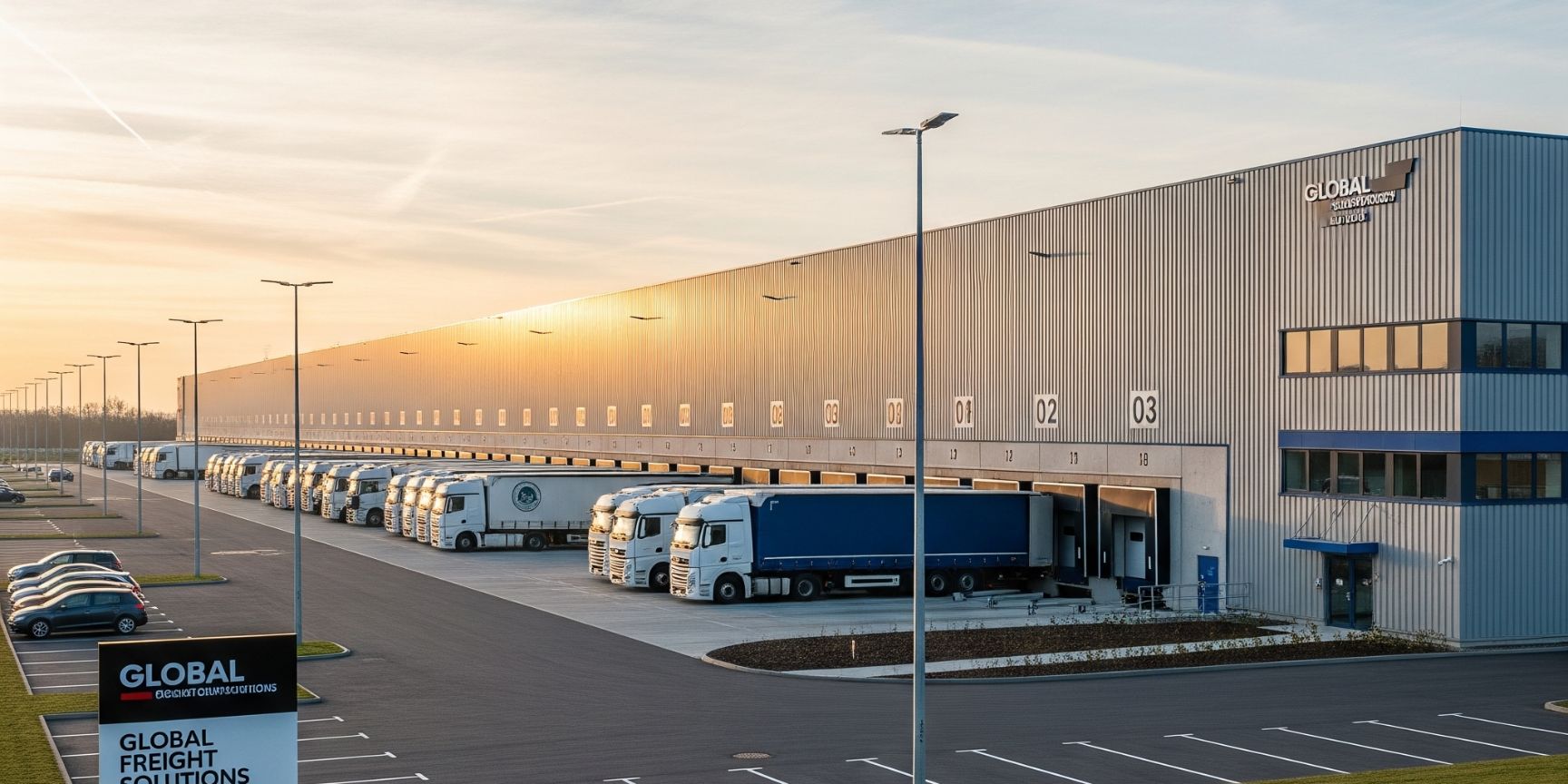
Choosing a BTS property offers significant advantages to the user. The tailor-made design allows for optimized workflows, which can lead to an increase in productivity and a reduction in operating costs. Companies can reflect their corporate identity in building design and implement state-of-the-art sustainability and energy standards, which not only saves costs but also increases employer attractiveness. In addition, space efficiency is maximized, as there is no need to compromise as with existing properties. On the other hand, there are longer lead times for planning and construction as well as the commitment to a long-term lease, which typically runs for 10 to 15 years.
Cost structure and profitability
The cost of a build-to-suit solution is made up of land, planning, and construction costs. These are borne by the investor and refinanced through the rent. The rent amount is determined by factors such as the price of the land, the construction costs (depending on the complexity of the equipment), the duration of the contract and the creditworthiness of the tenant. Although the rent per square metre can be higher than that of a speculatively built standard property, an overall consideration (total cost of occupancy) is crucial. Due to the higher operational efficiency, lower ancillary costs due to modern energy standards and the avoidance of expensive conversions or inefficient processes, the BTS solution can be the more economical alternative in the long term.
Contract models and their special features
The dominant contract model is the long-term lease. In addition to the rental period and the rent amount, this fixes the construction and equipment description in detail in a building specification, which becomes an integral part of the contract. Important clauses also regulate maintenance obligations, options for extensions or extensions as well as regulations in the event of premature termination of the contract. As an alternative to the rental model, a hire-purchase or the direct purchase (forward deal) of the completed property can also be agreed, which offers the user greater flexibility and the possibility of capitalizing the property on their own balance sheet.
Conclusion: When standard is not enough
The build-to-suit logistics property is the answer to the increasing complexity and individualization in logistics. It is not a pure construction project, but a strategic corporate decision. For companies with special requirements that can be planned in the long term, for which a standard property would mean operational disadvantages, the tailor-made solution represents a decisive competitive advantage. Careful planning and the choice of partners are the critical success factors for the realization of a logistics facility that is optimally geared to the future.
Your Ideal Logistics Warehouse
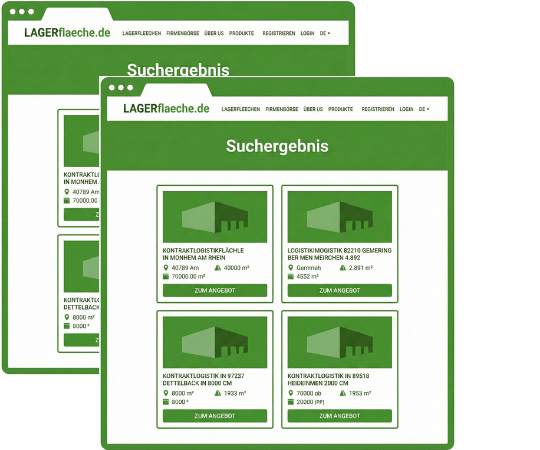
Browse listings for warehouse space, logistics real estate, industrial land, and contract logistics solutions.
Browse Exposés
Maximize Exposure for Your Warehouse Space
Showcase your logistics properties and attract qualified inquiries.
Discover Products