



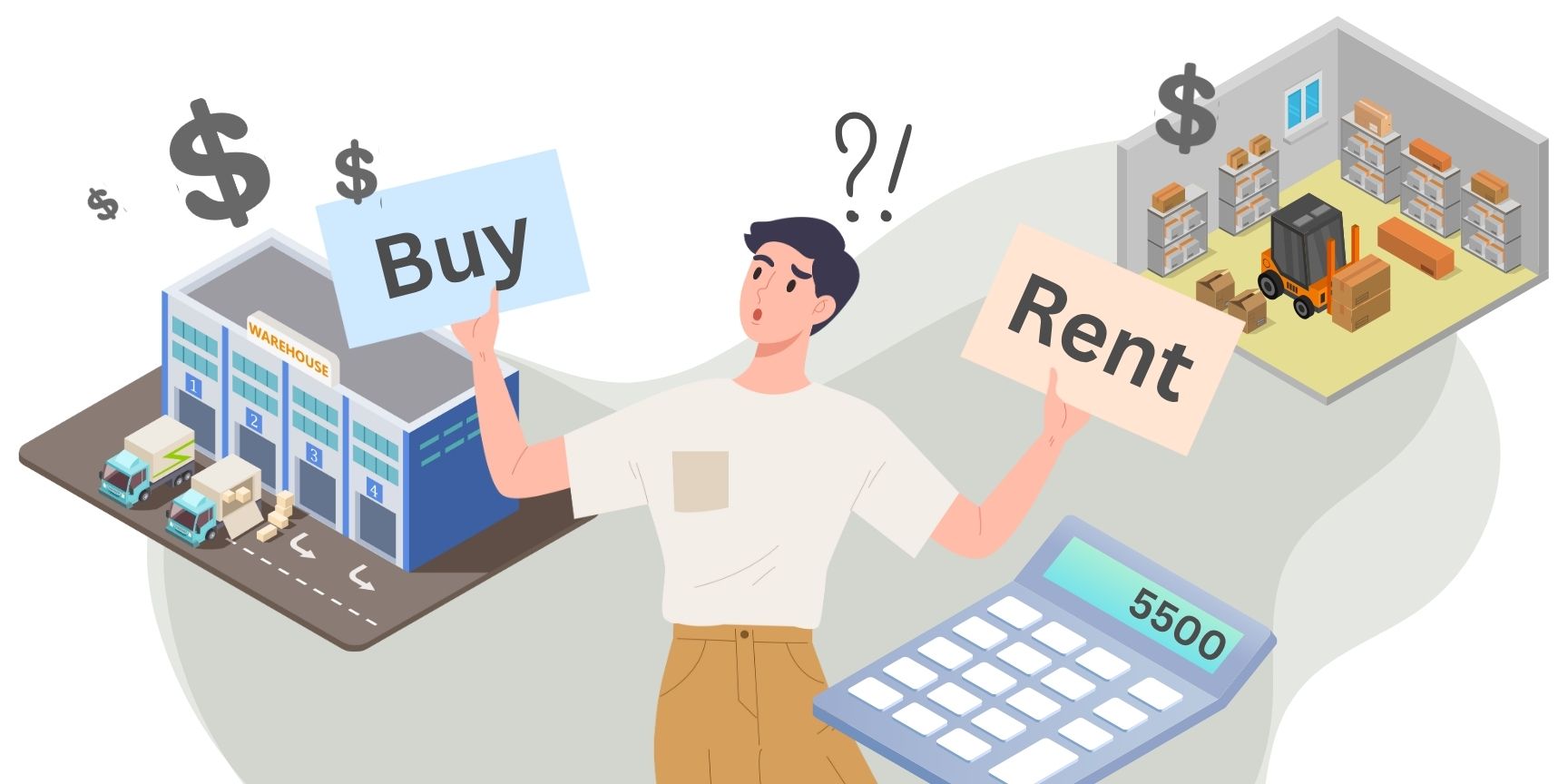
Rent or buy a warehouse? Tips for choosing the best location
Table of Contents
- Buying or renting: A strategic decision
- Location is everything: The strategic location of your warehouse
- Equipment and infrastructure: More than just walls and roof
- Legal and contractual aspects: Understanding the small print
- Cost analysis: Direct and indirect factors at a glance
- Conclusion: Your warehouse as a success factor
The warehouse is much more than just a building for storing goods; it is a strategic hub of your supply chain and can make a significant difference to efficiency, costs and the success of your business. But how do you navigate through the jungle of options to find the right warehouse property? And above all: Does it make more sense to buy or rent a warehouse? This fundamental question concerns many companies, whether start-ups or established medium-sized companies. In this comprehensive blog post, we'll shed light on the key factors that go into choosing the right warehouse and help you set the course for optimized logistics. Read on to discover how to make an informed decision that will move your business forward!
Buying or renting: A strategic decision
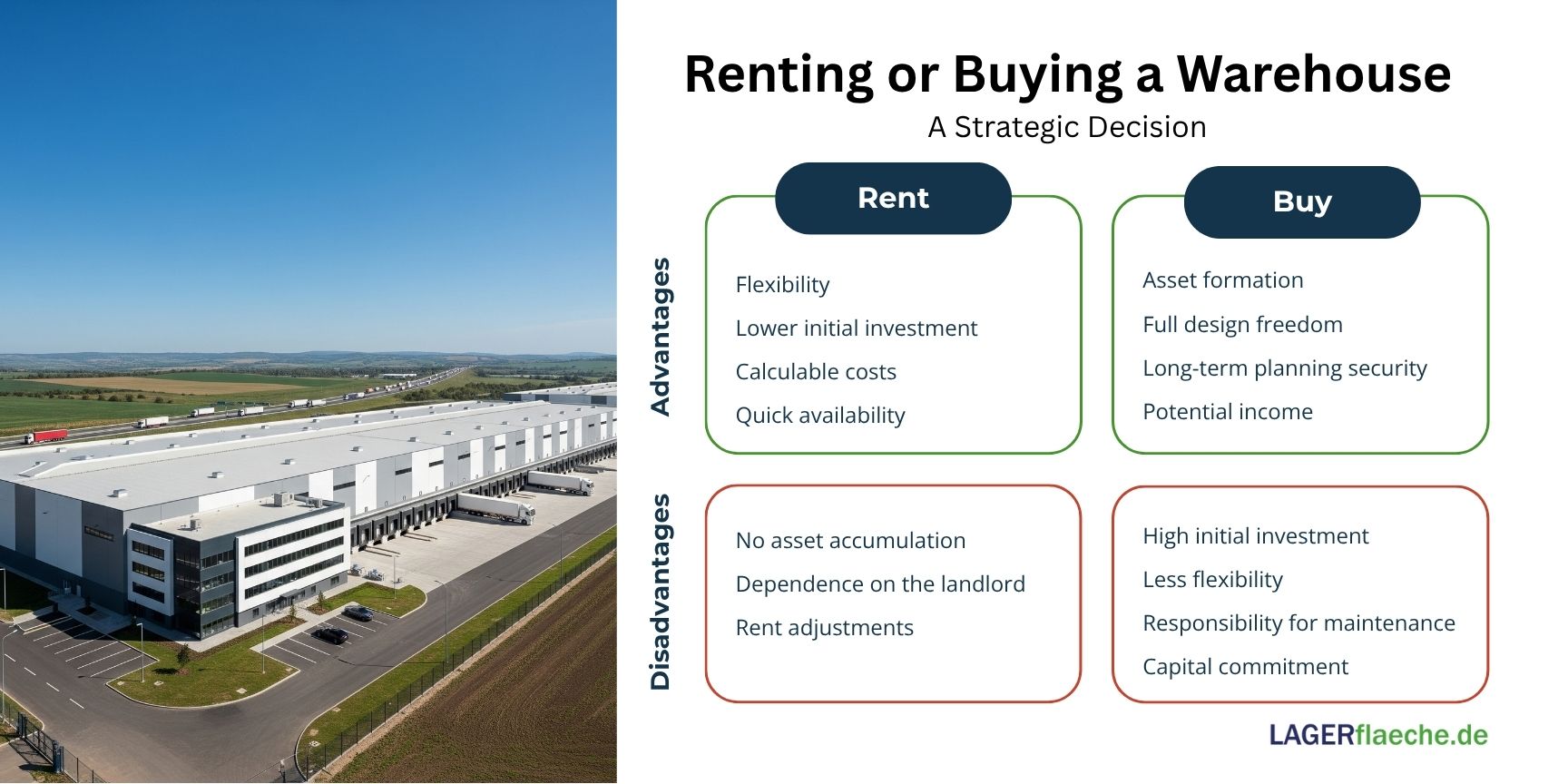
Choosing between buying and renting a warehouse is not a purely financial decision, but a strategic one that has long-term implications for your business. Both options offer specific advantages and disadvantages that must be carefully considered:
Advantages of Renting a Warehouse
- Flexibility: Leases are usually temporary, which allows for greater flexibility when it comes to capacity adjustments or relocations. Ideal for companies with fluctuating needs or in growth phases.
- Lower initial investment: There are no high acquisition costs, notary and land registry fees. The freed-up capital can be invested in core competencies.
- Calculable costs: Rents are often fixed costs, which simplifies budget planning. Maintenance and repairs are usually the responsibility of the landlord (depending on the rental agreement).
- Quick availability: Rented halls can often be occupied at shorter notice than a new building or purchase process.
Disadvantages of Renting a Warehouse:
- No asset accumulation: The rent paid does not flow into the accumulation of tangible assets.
- Dependence on the landlord: Fewer design options and possibly limited conversion options.
- Rent adjustments: The landlord can adjust the rent within the framework of the contractual agreements.
Advantages of Buying a Warehouse
- Asset formation: The property becomes property and represents a tangible asset that can increase in value in the long term.
- Full design freedom: You can adapt and rebuild the hall to your specific needs as you wish.
- Long-term planning security: No rent adjustments or terminations by the landlord.
- Potential income: If the hall is not needed, the hall can be rented out or sold by yourself.
Disadvantages of Buying a Warehouse
- High initial investment: Considerable capital costs for the purchase price, ancillary costs (real estate transfer tax, notary, broker) and, if necessary, financing.
- Less flexibility: A sales process is time-consuming and can lead to losses if prices fall.
- Responsibility for maintenance: All costs and the organization of repairs and maintenance are the responsibility of the owner.
- Capital commitment: The invested capital is tied up for the long term and is not available for other purposes.
Location is everything: The strategic location of your warehouse
The location of a warehouse is one of the most important factors in its efficiency and profitability. A good location can reduce transportation costs, shorten delivery times, and improve accessibility for employees and customers.
- Transport connections: Direct proximity to motorways, federal roads and important transport hubs is crucial. Check the connection to railways or waterways if multimodal transport is relevant to you.
- Infrastructure: Availability of broadband internet, sufficient power supply (especially for automated warehouses or cold storage) and good mobile phone coverage.
- Workforce potential: Are there enough qualified personnel available in the region and what is the connection to public transport for employees?
- Customer proximity/delivery area: How far is the location from your most important customers or your main delivery area? Optimal positioning minimizes the costs of the "last mile".
- Expansion options: Is there potential for future expansion of the warehouse space or operation?
Equipment and infrastructure: More than just walls and roof
A modern warehouse must offer much more than just empty space. The technical equipment and infrastructure are crucial for smooth processes and the shelf life of your products.
- Storage space and height: Does the space fit your current and future needs? The usable hall height is often more important than the pure floor space, as it influences stackability and thus storage capacity.
- Floor conditions and load capacity: Is the floor level, robust and designed for high point loads (e.g. from heavy-duty racks or forklifts)?
- Gates and docking stations: Sufficient number of suitably sized gates (ramps, ground-level gates) for efficient loading and unloading, ideally with weather protection.
- Temperature control: Are heating, cooling or special air conditioning available for temperature-sensitive goods or can they be retrofitted?
- Security standards: fire alarm systems, sprinkler systems, burglar protection, video surveillance – depending on the value and type of stored goods.
- Office and social rooms: Are there enough office space for administration, social rooms for employees (changing rooms, sanitary facilities) and break areas?
- Manoeuvring areas: Enough space for trucks to manoeuvre, parking spaces for trucks and cars.
Legal and contractual aspects: Understanding the small print
Whether it's a purchase or rental contract, the legal and contractual details are crucial to avoid unpleasant surprises and protect your interests.
When renting:
- Lease term and extension options: Does the term fit your long-term planning? Look for fair renewal options.
- Notice periods: Are the deadlines reasonably flexible for your business development?
- Maintenance obligations: Who bears the costs of repairs and maintenance (tenant, landlord or shared)?
- Rent adjustment clauses: How and when can the rent be increased (e.g. indexed rent)?
- Intended use: Is the contractually defined purpose of use broad enough for your current and future activities?
- Condition upon return: What are the requirements for the condition of the hall at the end of the lease?
When buying:
- Land register excerpt and building encumbrance register: Check carefully for encumbrances, easements or public encumbrances.
- Legal zoning plan and permits: Is the planned use (e.g. extension) permissible? Are all the necessary permits in place?
- Condition of the property: Professional technical due diligence is essential to identify hidden defects or the need for renovation.
- Environmental requirements: Are there any contaminated sites or special environmental requirements for the site?
- Purchase contract: Have the contract reviewed by a lawyer specializing in real estate law.
Cost analysis: Direct and indirect factors at a glance
The pure rent or the purchase price are only part of the equation. A comprehensive cost analysis must take into account all direct and indirect factors:
Direct cost:
- Rent/purchase price: The most obvious item.
- Ancillary costs (rent): Operating costs (heating, electricity, water, garbage disposal, insurance, property tax, etc.), which are often borne by the tenant.
- Ancillary costs (purchase): real estate transfer tax, notary and court costs, brokerage commission.
- Maintenance costs: Ongoing costs for repairs and maintenance (especially when purchasing).
- Insurance: building, fire, liability insurance.
- Energy costs: For heating, cooling, lighting, operation of warehouse technology.
- Personnel and administrative costs: For the internal logistics department (if in-house).
Indirect costs/benefits:
- Optimisation of transport costs: A good location can bring considerable savings.
- Efficiency gains: Through optimized warehouse processes in a suitable hall.
- Scalability: The ability to react quickly to market changes can secure revenue or avoid overcapacity costs.
- Capital commitment: How does investing in a property affect your liquidity and investment opportunities in core areas?
- Tax aspects: depreciation options (at the time of purchase), deductibility of rent as a business expense.
A Total Cost of Ownership (TCO) analysis over a longer period of time (e.g. 5-10 years) is advisable to compare the actual total costs of both options.
Conclusion: Your warehouse as a success factor
Finding the right warehouse is a complex task that requires thorough planning and analysis. The decision between buying and renting depends heavily on your business strategy, your financial situation and your growth prospects. While the purchase offers long-term security and design options, the rental scores with flexibility and lower initial investments.
Regardless of which path you choose, it is crucial to carefully examine the location, the equipment, the infrastructure and the legal and contractual framework. Consider your warehouse not only as a cost factor, but as a strategic success factor that significantly influences your competitiveness. A well-founded decision today ensures you an efficient and future-proof logistics of tomorrow. Take the time to make this important choice – it will pay off!
Latest Blog Posts
Stay up to date with the newest trends, insights, and tips in warehouse and logistics. Our latest articles help you navigate the industry with confidence.
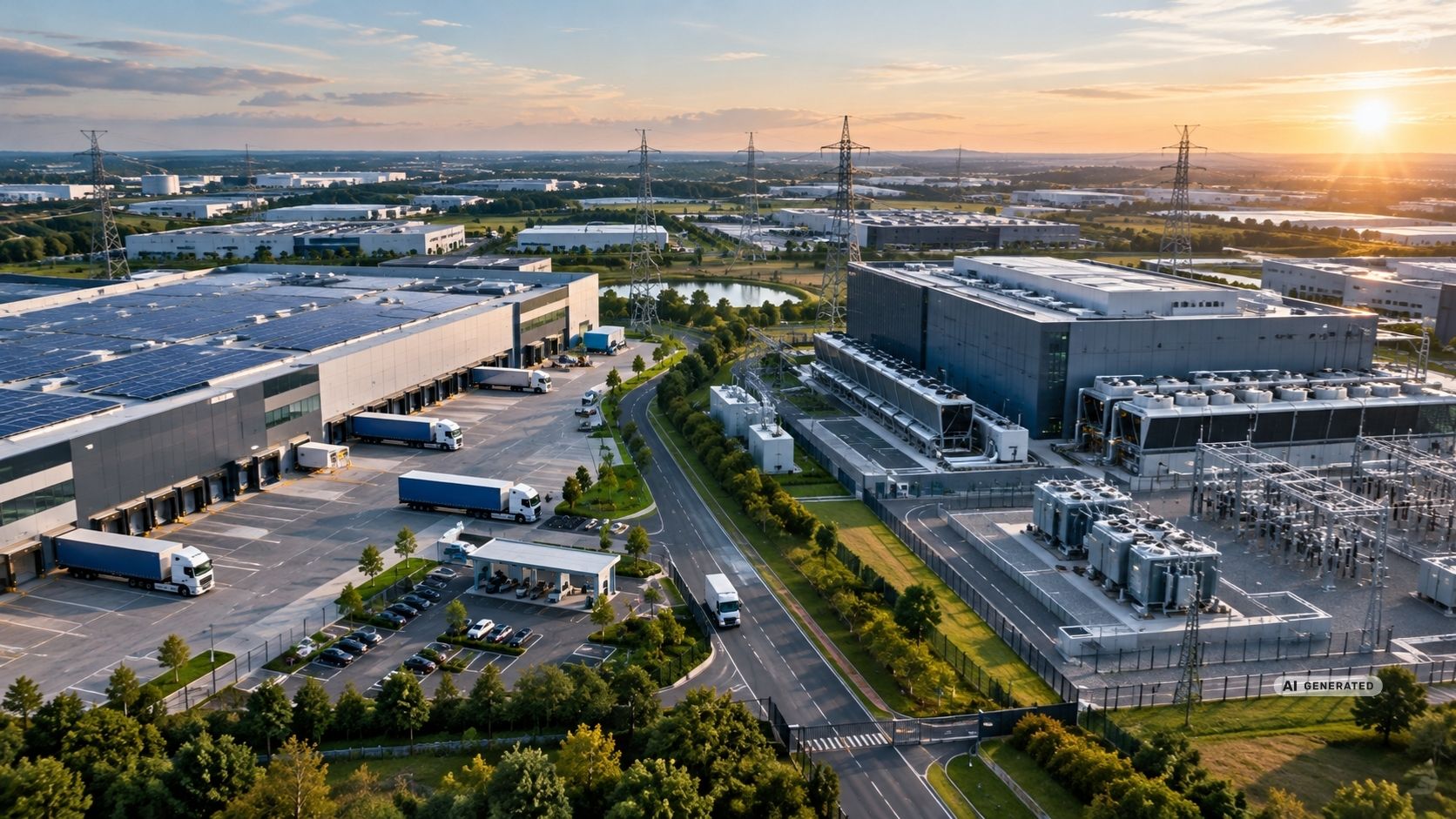
Data Centres vs. Logistics Facilities: The Race for Power and Land
Across Europe, logistics operators are competing for more than land and transport access. They increasingly need something much harder to secure: grid capacity. Data centres are intensifying that competition — and changing how logistics locations are evaluated....

Chinese companies discover Europe's logistics real estate
Chinese companies are becoming an increasingly visible user group in Europe's logistics real estate market. What does this mean for warehouse space, 3PL structures and the requirements for European logistics locations?...
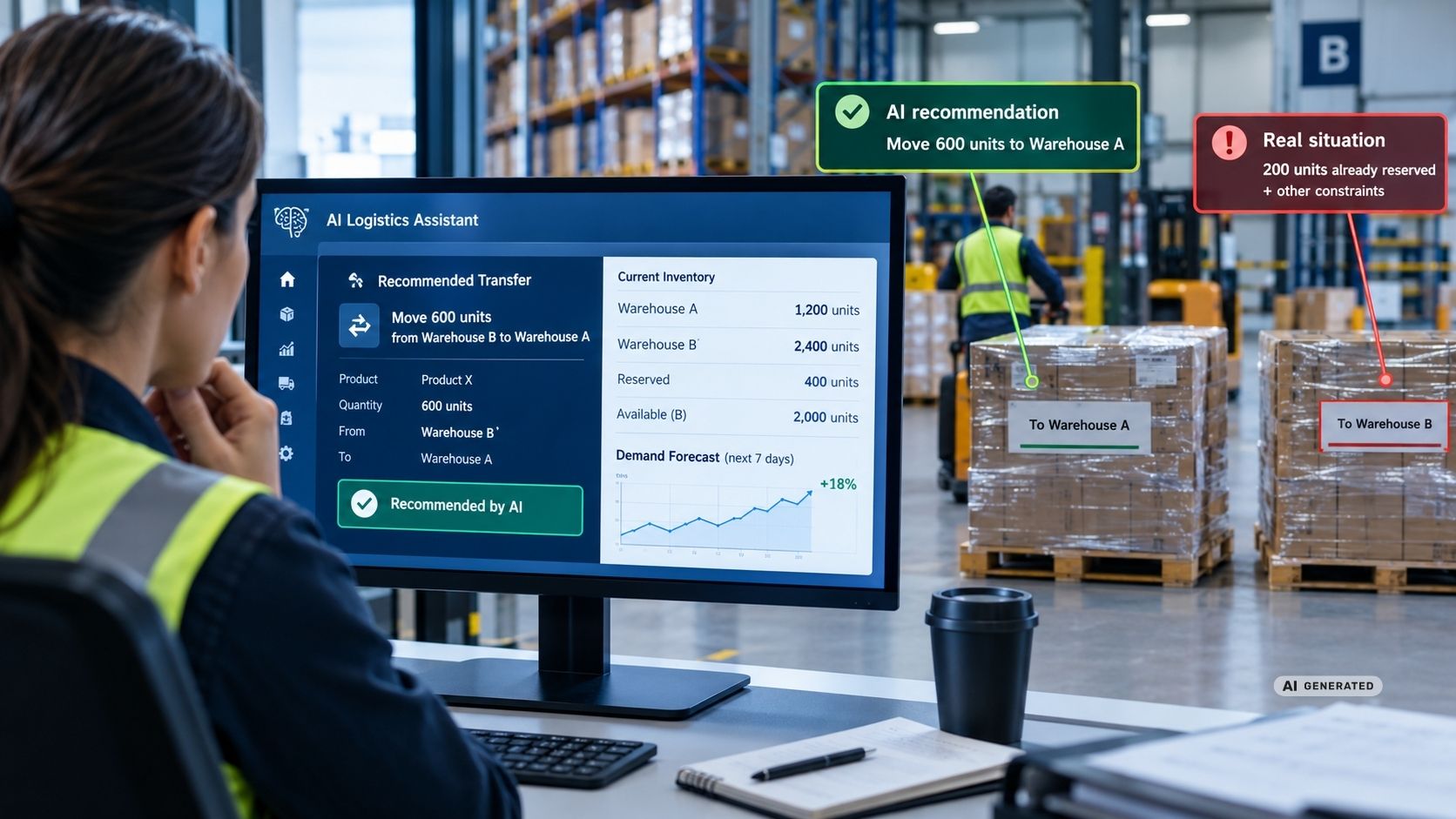
AI Hallucinations in Logistics: When AI Plans the Wrong Delivery
AI can analyze enormous amounts of logistics data — but it can also produce a convincing answer that is simply wrong. The critical question is not whether AI makes mistakes, but what happens when a wrong recommendation becomes an operational decision....
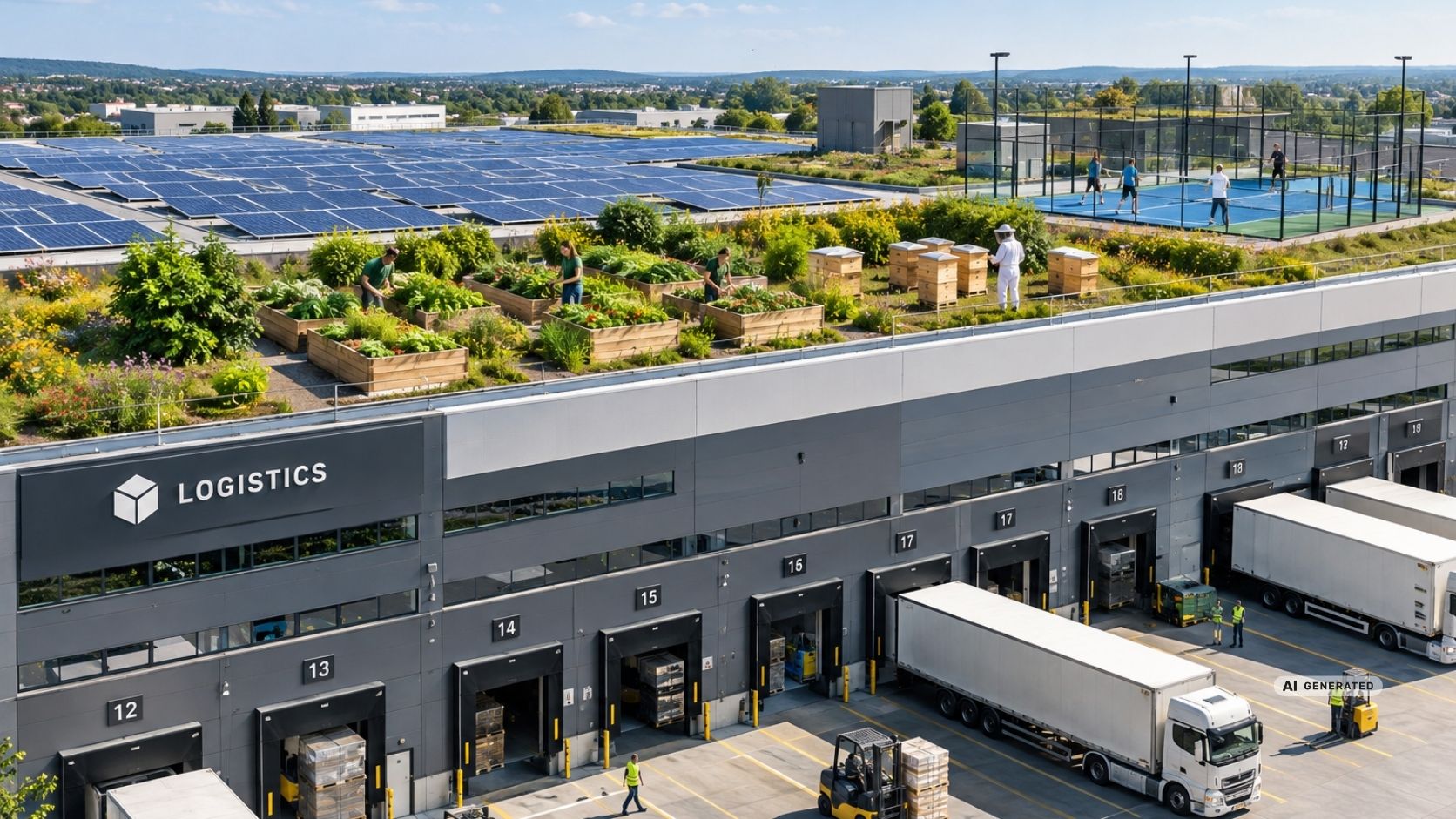
The Green Revolution on the Hall Roof: From Concrete Block to Ecological Power Plant?
Logistics roofs can do more than PV: greening, bees, urban farming and even sports areas turn unused roof space into multifunctional rooms....