



The Flood of Logistics from the Far East: How Temu, Shein & Co. Are Challenging the European Ecosystem
Table of Contents
- The Renaissance of E-commerce: Why the Knot Burst in 2025
- The Privilege of Small Consignments: The 150-euro Customs Trap
- Infrastructure at the Limit: Why Europe's Warehouse Logistics are Stagnating
- Germany in Comparison: Why Poland and the Netherlands are Passing by
- The "Last Mile" as a Bottleneck
- Practical Example: The Struggle of a Medium-sized E-commerce Retailer
- Questions that Move the Industry – and the Answers to Them
- Solutions: How European Logistics can Survive
- Conclusion for Experts
After a period of stagnation between 2021 and 2024, online retail in Europe has picked up massively since 2025. But the growth brings with it a dark side: An avalanche of small parcels from third countries – primarily driven by platforms such as Temu, Shein and AliExpress – is overrunning the European infrastructure. While consumers are happy about bargains, warehouse and transport logistics are facing a structural dilemma.
Why is the system reaching its limits? What role does the outdated customs legislation play? And how does Germany fare in an international comparison? In this article, we shed light on the depth of the crisis and look for sustainable solutions.
The Renaissance of E-commerce: Why the Knot Burst in 2025
After the post-pandemic dip and inflation-related reluctance to buy, European e-commerce has been recording double-digit growth rates again since 2025. According to data from the German Retail Association (HDE) and Statista, the market volume in the EU increased by around 12% in 2025 compared to the previous year.
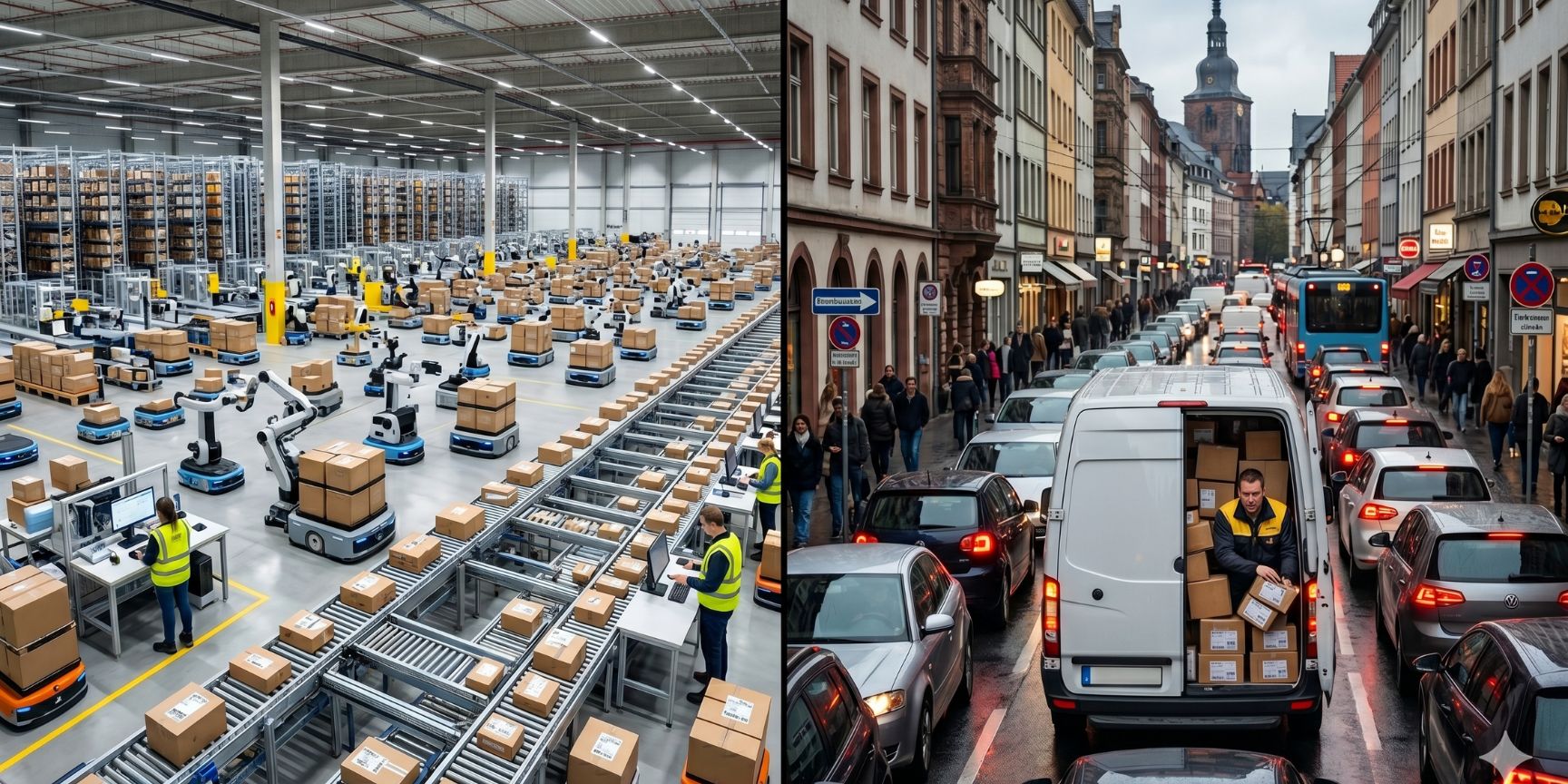
However, this upswing is not primarily driven by domestic retailers, but by the "direct-from-factory" model of Chinese giants. These companies bypass classic trade stages and send goods directly from the producer to the end customer. The result: The number of shipments increases exponentially faster than the actual value of the goods. This leads to a massive overload of the sorting centers, which were not designed for such small-scale volumes.
The Privilege of Small Consignments: The 150-euro Customs Trap
One of the most burning problems is the so-called de minimis regulation. Until now, shipments with a value of goods of less than 150 euros have been exempt from customs duties (import VAT has been payable since 2021, but is often circumvented by "under-declaring").
Why is this a problem for logistics?
- Bulk shipments: It is worthwhile for providers to split orders in order to stay below the 150 euro limit.
- Inspection effort: Customs is not in a position to physically control the estimated 2 billion small consignments that flow into the EU every year (as of forecast 2026).
- Competitive disadvantage: European warehousekeepers often have to keep imported goods already customs cleared and taxed, which puts a massive burden on the cost structure compared to direct shipping.
Although the EU Commission is planning to abolish this limit, the logistical implementation of seamless recording is a bureaucratic tour de force that threatens to suffocate the existing systems.
Infrastructure at the Limit: Why Europe's Warehouse Logistics are Stagnating
While the flood of parcels is increasing, European warehouse logistics is struggling with home-made problems. In Germany, the lack of land is the biggest obstacle to growth.
Shortage of space and regulatory hurdles
In conurbations such as the Ruhr area or the surrounding area of Hamburg, the vacancy rate for modern logistics properties tends to be around 1%. New zoning often fails because:
- Strict environmental regulations and sealing stops.
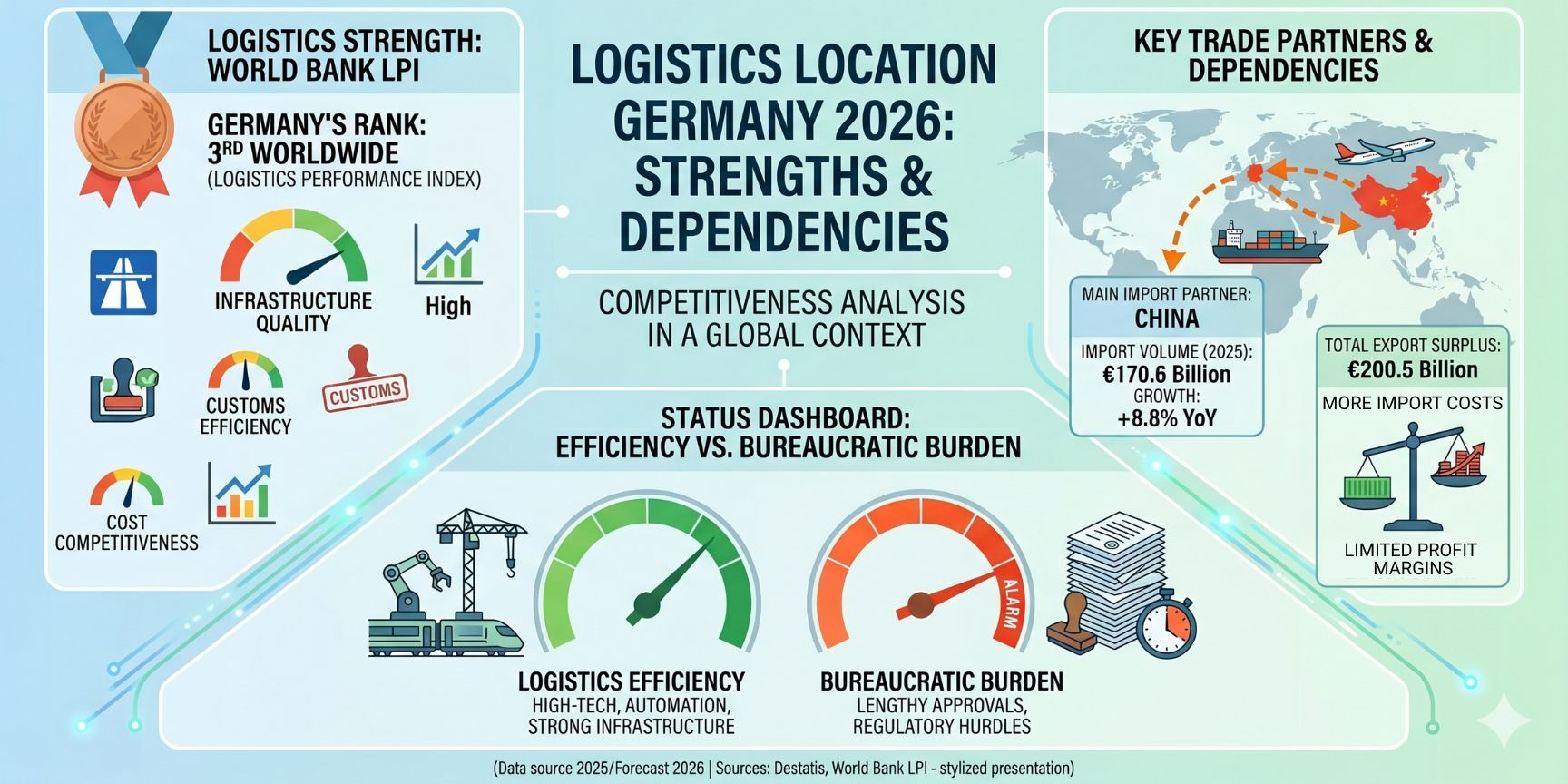
- Lengthy approval procedures (bureaucracy), which take an average of 24 to 36 months in Germany.
- Resistance in the population ("Not In My Backyard" syndrome).
As a result, logistics service providers have to switch to inefficient, older existing properties that are not suitable for modern automation technology (robotics, AGVs).
Germany in Comparison: Why Poland and the Netherlands are Passing by
In a European comparison, there is a clear gap. While Germany is being slowed down by bureaucratic hurdles and high energy costs, neighboring countries have invested strategically.
| Country | Logistics Advantage | Challenge |
| Germany | Central location, strong rail connection | High wage costs, extreme bureaucracy, lack of space |
| Poland | Modern space, lower costs, e-commerce hub for CEE | Shortage of skilled workers begins to worsen |
| Netherlands | Gateway to Europe, high-efficiency ports (Rotterdam) | Limited land area, nitrogen regulations slow down new construction |
| USA | De minimis limit at $800, huge economies of scale | Extreme dependence on Chinese imports |
Poland has become the preferred location for cross-border logistics to Germany. Many Temu shipments are routed through Polish or Czech sorting centers, as processing there is faster and more cost-effective than in the highly regulated German hubs.
The "Last Mile" as a Bottleneck
Delivery to the end customer (last mile) accounts for up to 50% of the total logistics costs. The mass of cheap packages exacerbates the situation:
- Delivery density: More parcels per stop sound efficient, but the sheer volume is clogging up city centers.
- Returns chaos: Cheap goods are often not returned in the first place, but disposed of, which is ecologically disastrous. If they do, the processes collapse due to the lack of economic efficiency of the repatriation.
- Staffing shortage: Despite wage increases, there will be a shortage of around 30,000 delivery staff in Germany by the end of 2026, according to BIEK (Federal Association of Parcel and Express Logistics).
Practical Example: The Struggle of a Medium-sized E-commerce Retailer
Let's take a look at the "Outdoor-Ausrüstung Müller GmbH" from Bavaria.
Situation: Müller imports high-quality tents and accessories. He pays 12% customs duty and 19% VAT on the total value of the container on import.
The problem: A competitor on Temu ships similar (inferior) products as individual packages directly from Shenzhen. Since each package remains under 150 euros, the competitor pays 0 euros in customs duty.
Logistics impact: Müller has to invest in expensive warehouse space in Germany to guarantee 24-hour delivery. The China trader uses the "Slow Logistics" model (7-10 days), which is kept artificially cheap by state-subsidized air freight rates from China.
The result: Müller is losing market share, not because of a lack of quality, but because of unequal treatment in logistics and customs law.
Questions that Move the Industry – and the Answers to Them
Question: Is the problem only with China?
Answer: No. China is merely taking advantage of the existing gaps in the Universal Postal Convention and European customs regulations. The problem is the inertia of European legislation and the lack of investment in digital infrastructure.
Question: Can automation compensate for the shortage of space?
Answer: Partially. AutoStore systems or high-bay warehouses can triple the capacity per square meter. But this technology requires high initial investments, which hardly pay off given the low margins in the low-cost segment.
Question: What happens if the 150 euro limit falls?
Answer: In the short term, it will lead to administrative chaos. In the long term, it will clean up the market, as the logistical effort for "scrap products" will become too high.
Solutions: How European Logistics can Survive
In order to withstand the pressure, politics and business must turn three screws:
- Digital customs clearance (ICS2): The complete digital advance declaration of shipments must become standard. AI-powered risk analysis can help identify black sheep among the billions of packages without stopping the flow of goods.
- Urban hubs & micro-fulfillment: Instead of huge warehouses on greenfield sites, empty department stores in city centers must be converted into logistics hubs to shorten distances.
- Correction of World Postal Fees: Emerging market status advantages for China in postal fees must finally be a thing of the past in order to create fair transport costs.
Conclusion for Experts
The logistics crisis of 2026 is not a temporary phenomenon, but the result of a fundamental shift in world trade towards the "ultra-direct consumer" model. Germany is in danger of losing touch as a logistics location if bureaucracy reduction and land reactivation are not prioritized. For companies, this means investing in radical automation and looking for locations in more logistics-friendly neighboring EU countries.
Sources:
- HDE Online-Monitor 2025/26
- BIEK Market Analysis 2026
- Eurostat: Cross-border e-commerce statistics 2025
- Fraunhofer IML: Study on the shortage of space in logistics
Latest Blog Posts
Stay up to date with the newest trends, insights, and tips in warehouse and logistics. Our latest articles help you navigate the industry with confidence.
Data Centres vs. Logistics Facilities: The Race for Power and Land
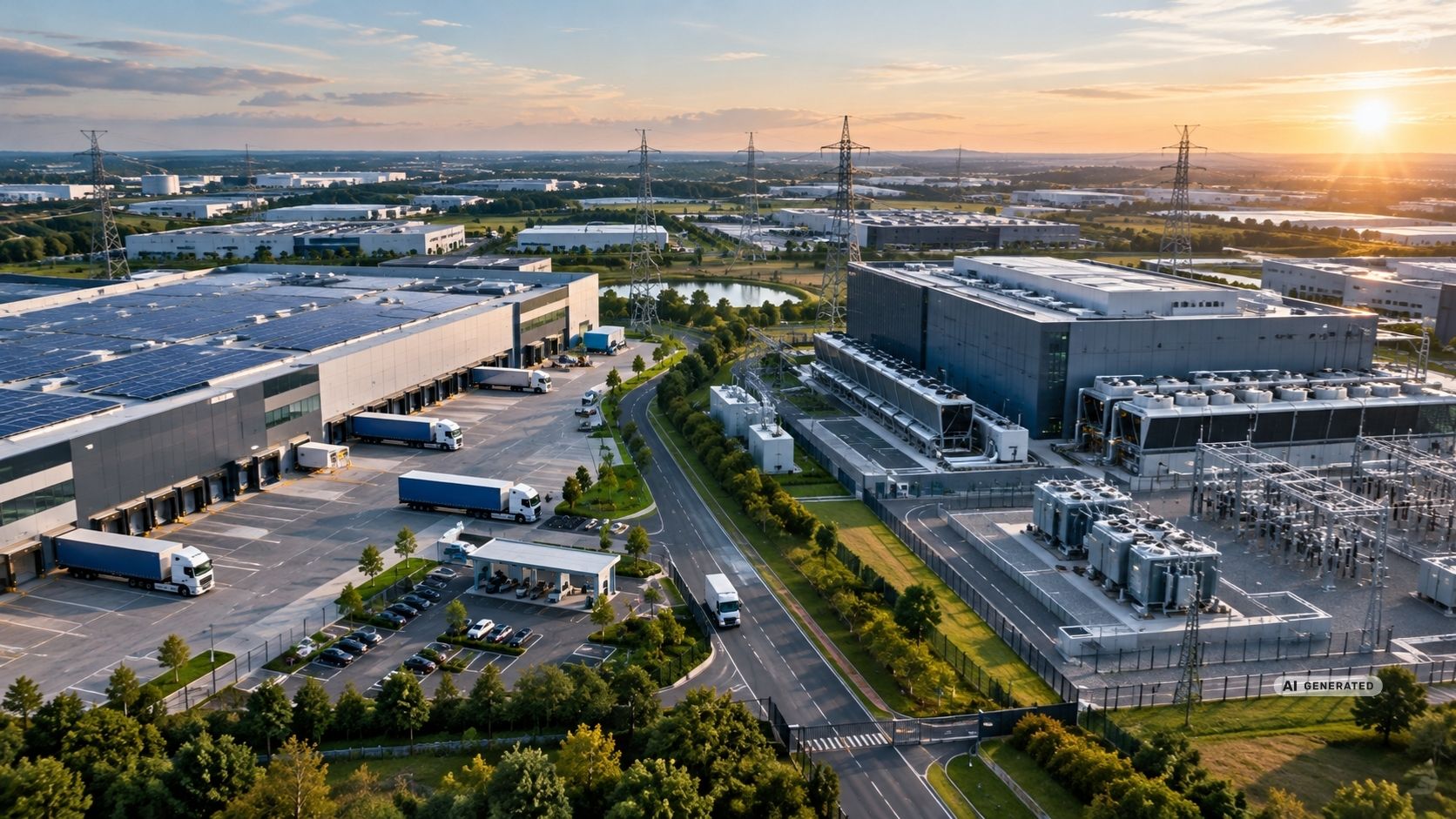
Across Europe, logistics operators are competing for more than land and transport access. They increasingly need something much harder to secure: grid capacity. Data centres are intensifying that competition — and changing how logistics locations are evaluated....
Chinese companies discover Europe's logistics real estate
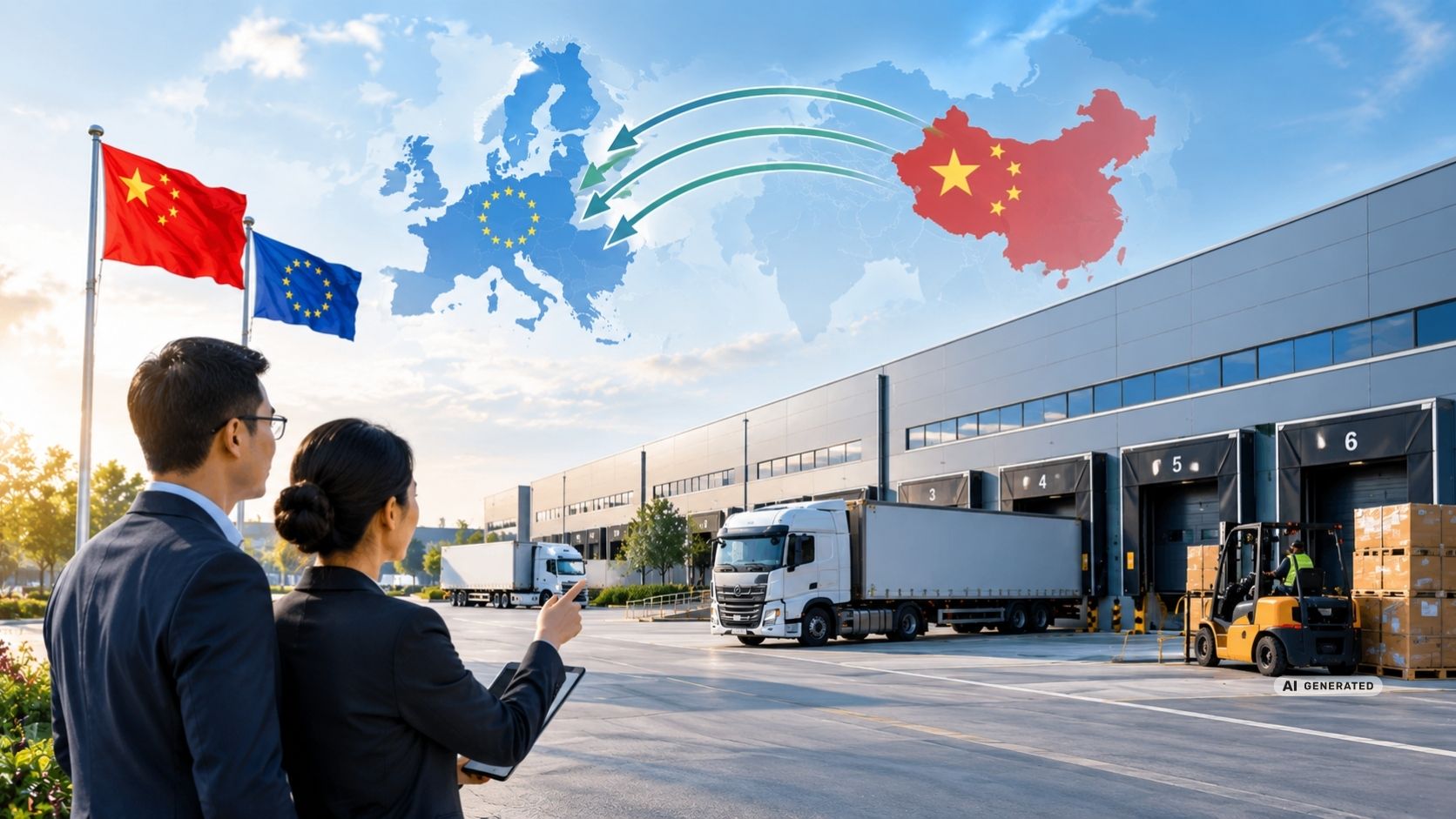
Chinese companies are becoming an increasingly visible user group in Europe's logistics real estate market. What does this mean for warehouse space, 3PL structures and the requirements for European logistics locations?...
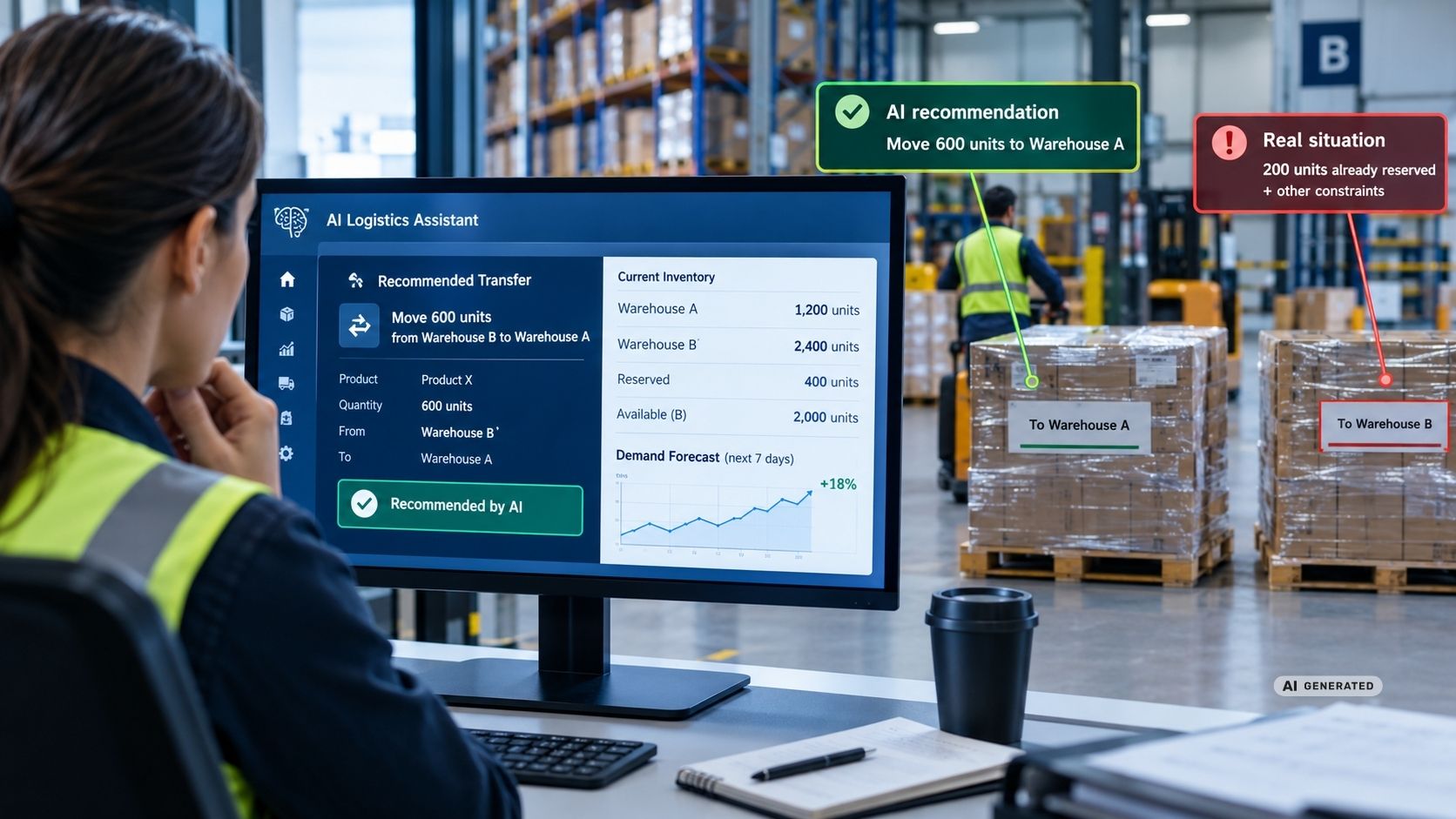
AI Hallucinations in Logistics: When AI Plans the Wrong Delivery
AI can analyze enormous amounts of logistics data — but it can also produce a convincing answer that is simply wrong. The critical question is not whether AI makes mistakes, but what happens when a wrong recommendation becomes an operational decision....
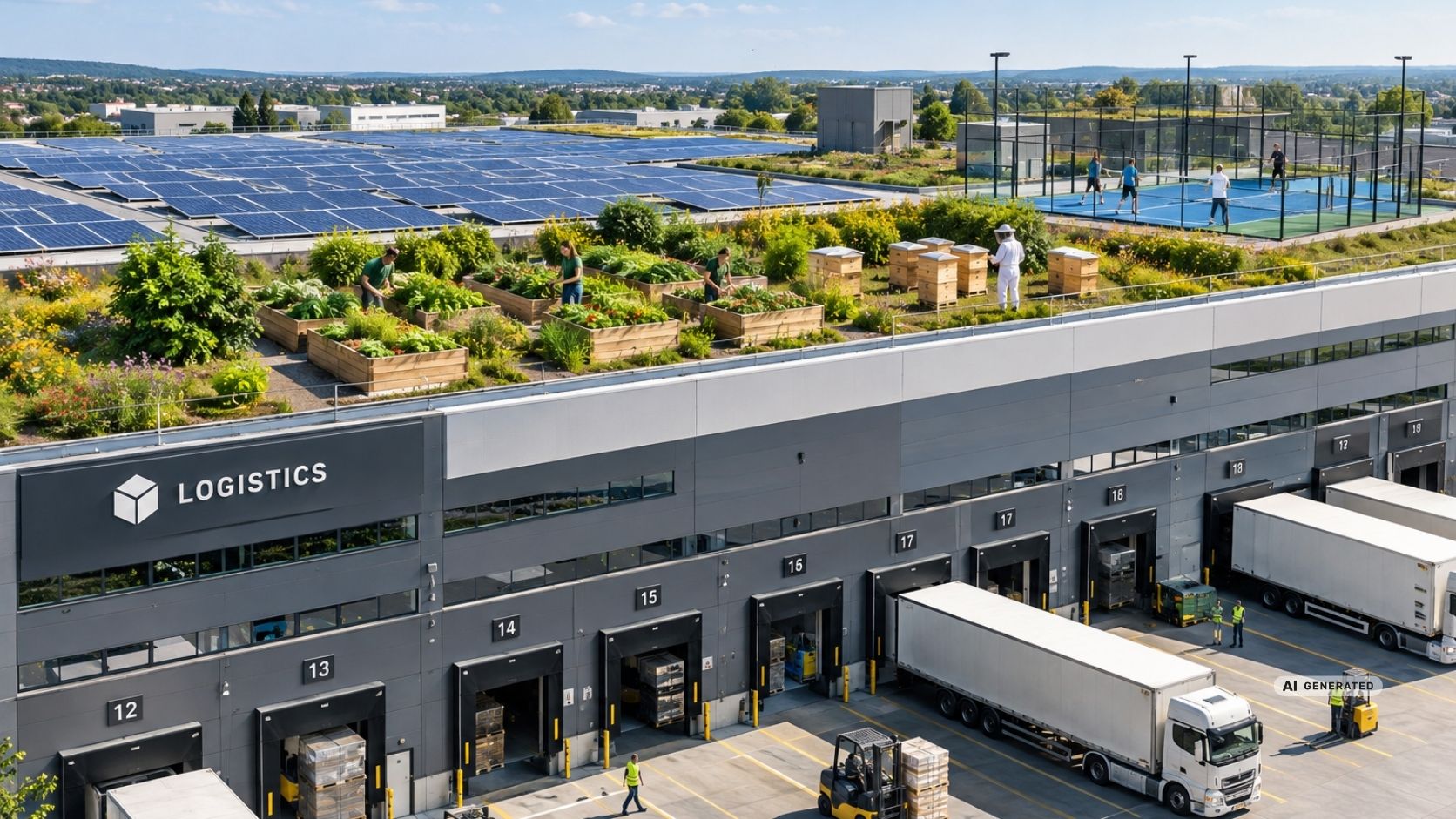
The Green Revolution on the Hall Roof: From Concrete Block to Ecological Power Plant?
Logistics roofs can do more than PV: greening, bees, urban farming and even sports areas turn unused roof space into multifunctional rooms....