




The Warehouse Logistics Crossroads: Deciding Between In-House Control and Outsourcing Efficiency
Warehouse logistics is far more than just storing goods; it is the beating heart of every supply chain and a critical lever for efficiency, cost control, and customer satisfaction. Every growing company inevitably faces a strategic turning point: Should we manage our warehouse logistics in-house or entrust them to a specialized external partner (outsourcing)? This decision is fundamental and can significantly influence business success.
But how do you make the right choice in a market characterized by fluctuating demand, technological change, and rising customer expectations? This article delves deep, examining both models with concrete figures, data, and facts, providing you with a solid basis for making a decision to sustainably optimize your logistics processes.
In-House Warehouse Logistics: The Fortress of Full Control
Opting for in-house logistics means keeping the reins firmly in your own hands. Every process, from inventory management and order picking to the final shipment, is managed internally.
The advantages are clear:
- Maximum Control: You have direct influence over all processes and can immediately monitor and adjust quality standards.
- Deep Product Know-How: Internal teams develop invaluable, specific knowledge of your products and their unique requirements. This industry-specific expertise can lead to tailor-made solutions.
- Data Sovereignty: Sensitive company and product data never leave your premises, a critical factor for security-conscious industries.
- Direct Communication: Short communication lines between the warehouse, production, and sales departments accelerate internal coordination.
The Business Challenges:
The other side of the coin involves high capital commitment and a lack of flexibility. Setting up your own warehouse requires massive upfront investments in real estate, technology (shelving systems, conveyor belts, forklifts), and software (Warehouse Management System). Depending on the level of automation, these fixed costs can quickly run into six or seven figures. Added to this is lower scalability: seasonal peaks or an unexpected drop in demand inevitably lead to expensive over or under-capacity, as space and personnel cannot be adjusted on short notice. The operational risk, for instance from technical failures or staff shortages, also lies 100% with the company.
Outsourcing Warehouse Logistics: Buying Flexibility and Expertise
When you outsource, you hand over your warehouse processes to a specialized logistics provider, often a Third-Party Logistics (3PL) or even a Fourth-Party Logistics (4PL) provider. This approach transforms high fixed costs into variable costs. You only pay for the services and storage space you actually use.
The Strategic Advantages of Outsourcing:
- Cost Flexibility & Scalability: This is the biggest advantage. Providers bundle the volumes of many clients, allowing them to efficiently balance demand fluctuations. This is ideal for fast-growing e-commerce companies or businesses with strong seasonal sales.
- Access to Technology & Expertise: You benefit directly from the provider's know-how and modern technologies without having to invest yourself.
- Focus on Core Competencies: By outsourcing logistics, you can fully concentrate your resources on your core business, such as product development, marketing, and sales.
- Risk Transfer: Operational risks, such as staff shortages or technical defects, are transferred to the service provider.
- Simplified Expansion: A partner with an international network can significantly facilitate expansion into new geographical markets.
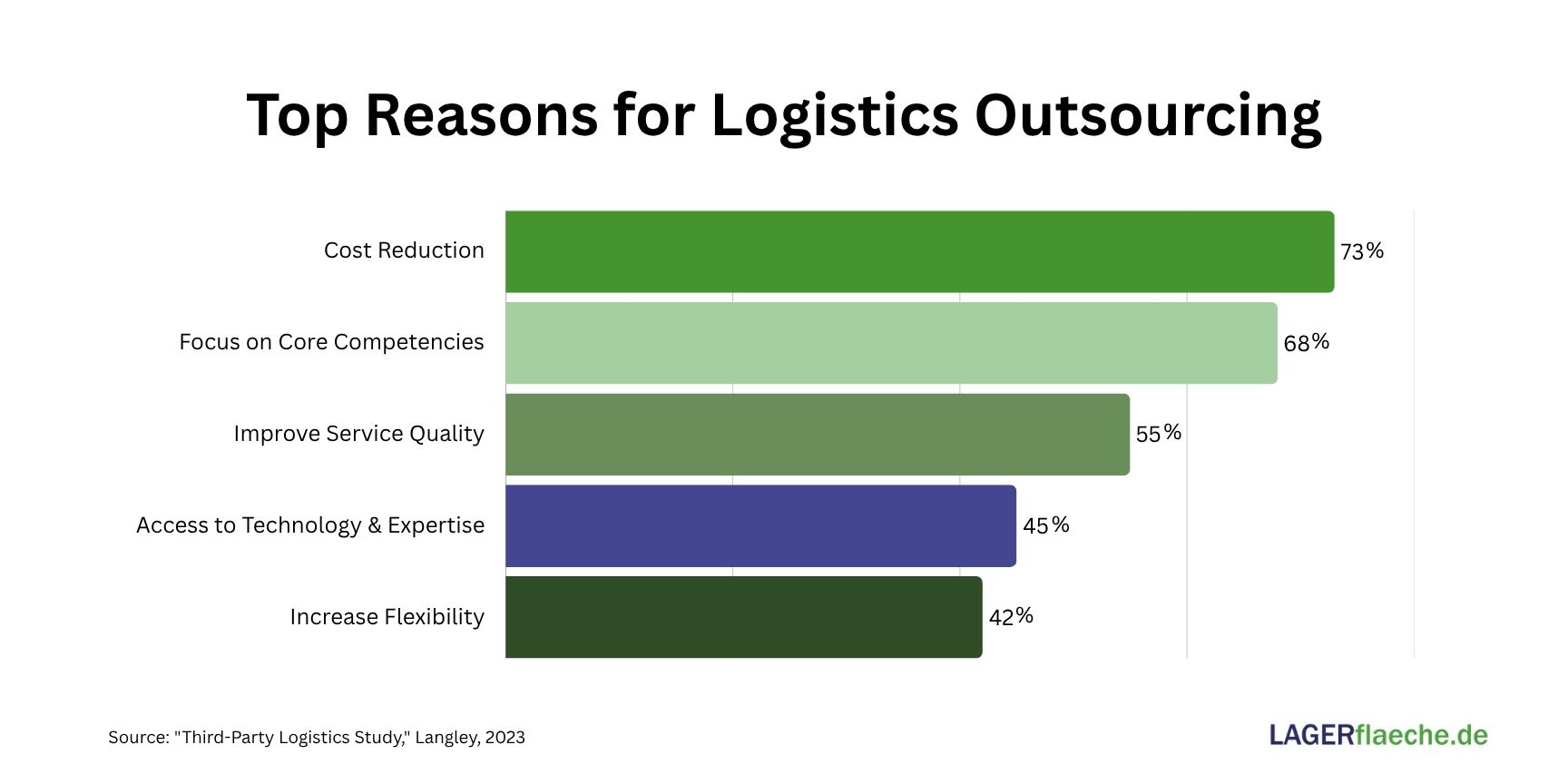
Facts and Figures: The Changing Logistics Market
The trend towards outsourcing is unbroken. According to forecasts, the global 3PL market is expected to reach $1.79 trillion by 2030, driven by the globalization of supply chains and booming e-commerce. Studies show that by outsourcing logistics, companies can reduce their logistics costs by an average of 11% and their inventories by 6%.
The Challenges of Outsourcing: What You Need to Consider
Despite the clear advantages, outsourcing also presents challenges. A certain loss of direct control is unavoidable. The performance of your logistics depends directly on the quality and reliability of your partner. Therefore, clear communication and watertight Service Level Agreements (SLAs) are essential. Other critical points include ensuring data security when exchanging sensitive information and the initial effort required to integrate IT systems and processes.
The Hybrid Model: Tailoring Logistics Through Combination
Why not combine the best of both worlds? For many companies, neither a purely in-house nor a complete outsourcing model is ideal. Hybrid approaches allow for a customized logistics strategy:
- Partial Outsourcing: You keep core processes in-house but outsource specific areas, such as returns management or international shipping.
- Specialized Outsourcing: Standard goods are stored internally, while complex requirements like hazardous materials or cold storage are handed over to highly specialized providers.
- Shared Warehousing: Multiple companies share a provider's warehouse infrastructure to save costs while remaining flexible.
These models enable intelligent risk distribution and efficiency maximization.
The Strategic Checklist: Which Path is Right for You?
The decision depends on an honest analysis of your company's individual situation. Answer the following questions:
- Business Volume: Do you have a high, stable volume that justifies your own warehouse, or sharp fluctuations that favor outsourcing?
- Product Complexity: Do your products require special storage conditions (e.g., temperature control, security) that a specialized partner could better provide?
- Capital & Resources: Do you have the financial means and expert personnel for your own modern logistics infrastructure?
- Core Competency: Do you see logistics as a strategic competitive advantage you want to master yourself, or as a necessary function that an expert should handle?
- Geographic Reach: Are you planning to expand? A logistics partner with an existing network can be a crucial accelerator.
- Risk Appetite: How much operational risk are you willing to bear yourself?
A detailed cost-benefit analysis is essential for this decision.
Partner Selection in Outsourcing: What Really Matters
If you choose to outsource, the crucial process of selecting a partner begins. Don't just look at the price; pay close attention to:
- References and Reputation: Check the provider's track record and customer satisfaction.
- Specialization: Does the provider's industry experience match your products?
- Technology: Are the IT systems (WMS, TMS) modern and compatible with your infrastructure?
- Flexibility & Scalability: Can the partner handle your growth and fluctuations smoothly?
- Transparency: Insist on open communication and meaningful reporting (KPIs).
- Sustainability: Does the partner consider environmental and social aspects (Green Logistics)?
A thorough due diligence process, secured by clear Service Level Agreements (SLAs), is the foundation for a successful long-term partnership.
Conclusion: Your Individual Strategy for Future-Proof Logistics
The choice between in-house warehouse logistics and outsourcing is not a "one-size-fits-all" solution but one of the most important strategic decisions for your company. While the in-house model offers maximum control, outsourcing provides unbeatable flexibility and access to external expertise. Hybrid models can build an intelligent bridge between the two.
Take the time to thoroughly analyze your requirements and goals. A logistics strategy that is perfectly aligned with your business model is the key to an optimized supply chain, satisfied customers, and sustainable success in a dynamic market environment.
Latest Blog Posts
Stay up to date with the newest trends, insights, and tips in warehouse and logistics. Our latest articles help you navigate the industry with confidence.

Data Centres vs. Logistics Facilities: The Race for Power and Land
Across Europe, logistics operators are competing for more than land and transport access. They increasingly need something much harder to secure: grid capacity. Data centres are intensifying that competition — and changing how logistics locations are evaluated....
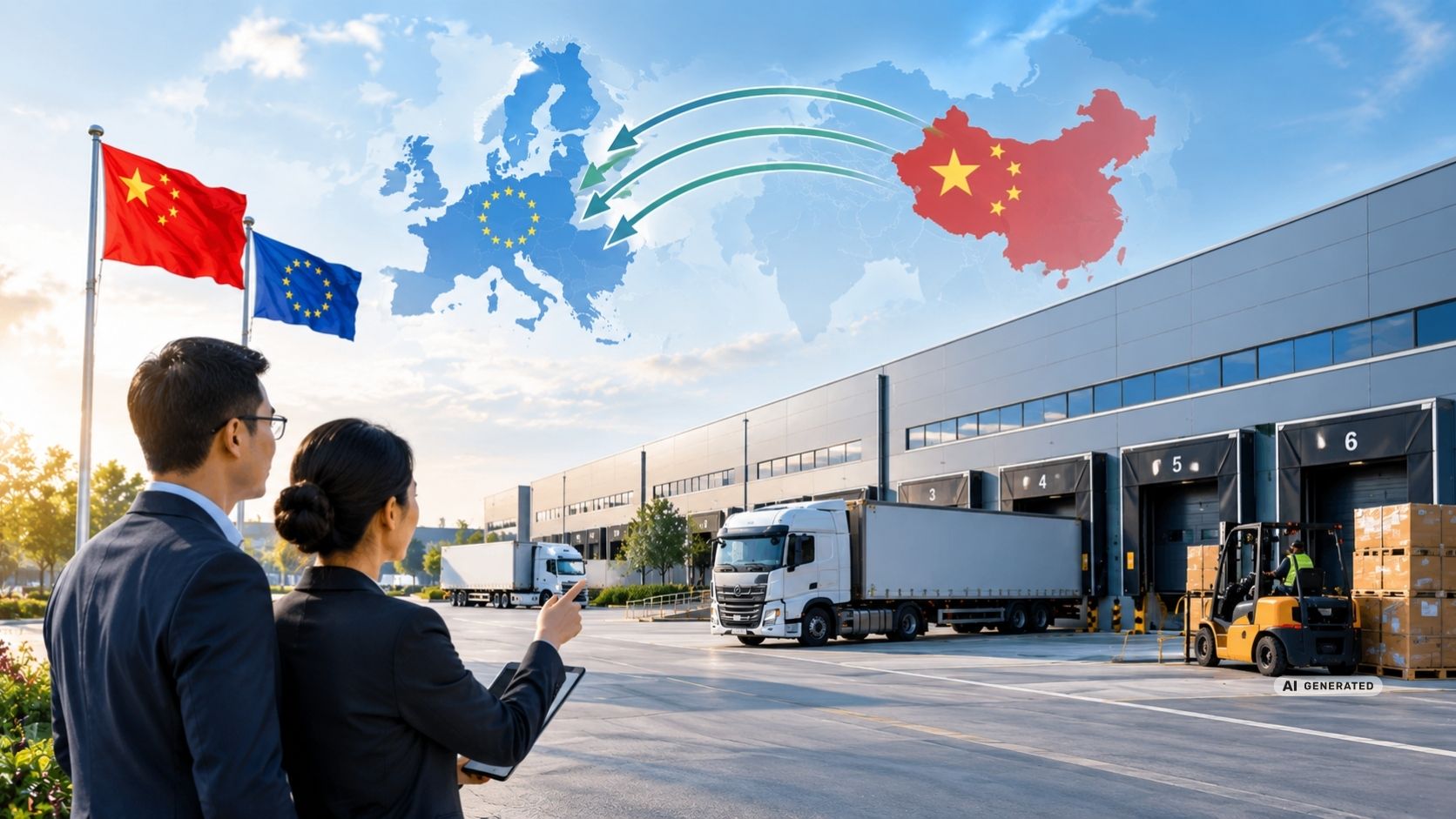
Chinese companies discover Europe's logistics real estate
Chinese companies are becoming an increasingly visible user group in Europe's logistics real estate market. What does this mean for warehouse space, 3PL structures and the requirements for European logistics locations?...
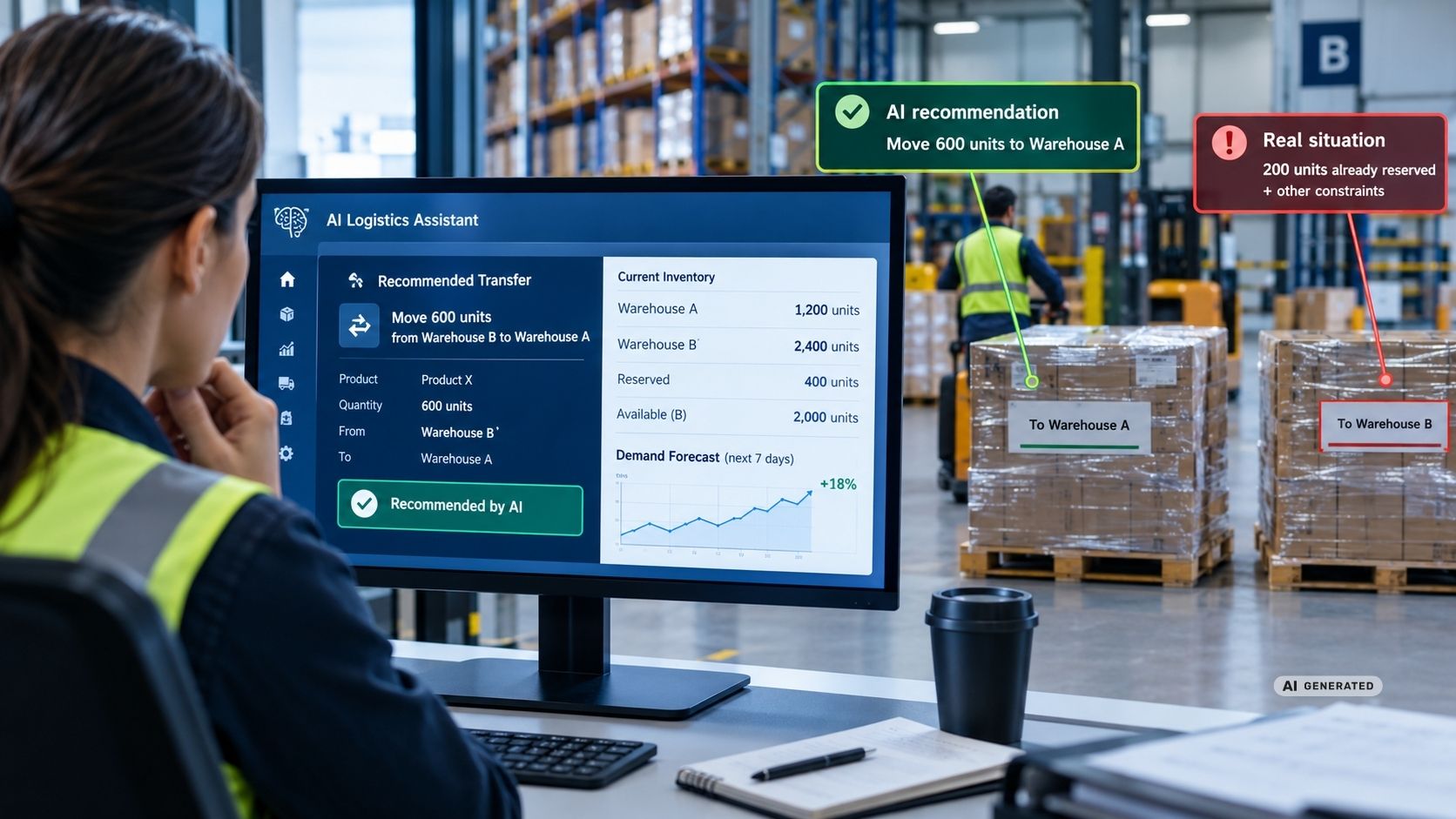
AI Hallucinations in Logistics: When AI Plans the Wrong Delivery
AI can analyze enormous amounts of logistics data — but it can also produce a convincing answer that is simply wrong. The critical question is not whether AI makes mistakes, but what happens when a wrong recommendation becomes an operational decision....
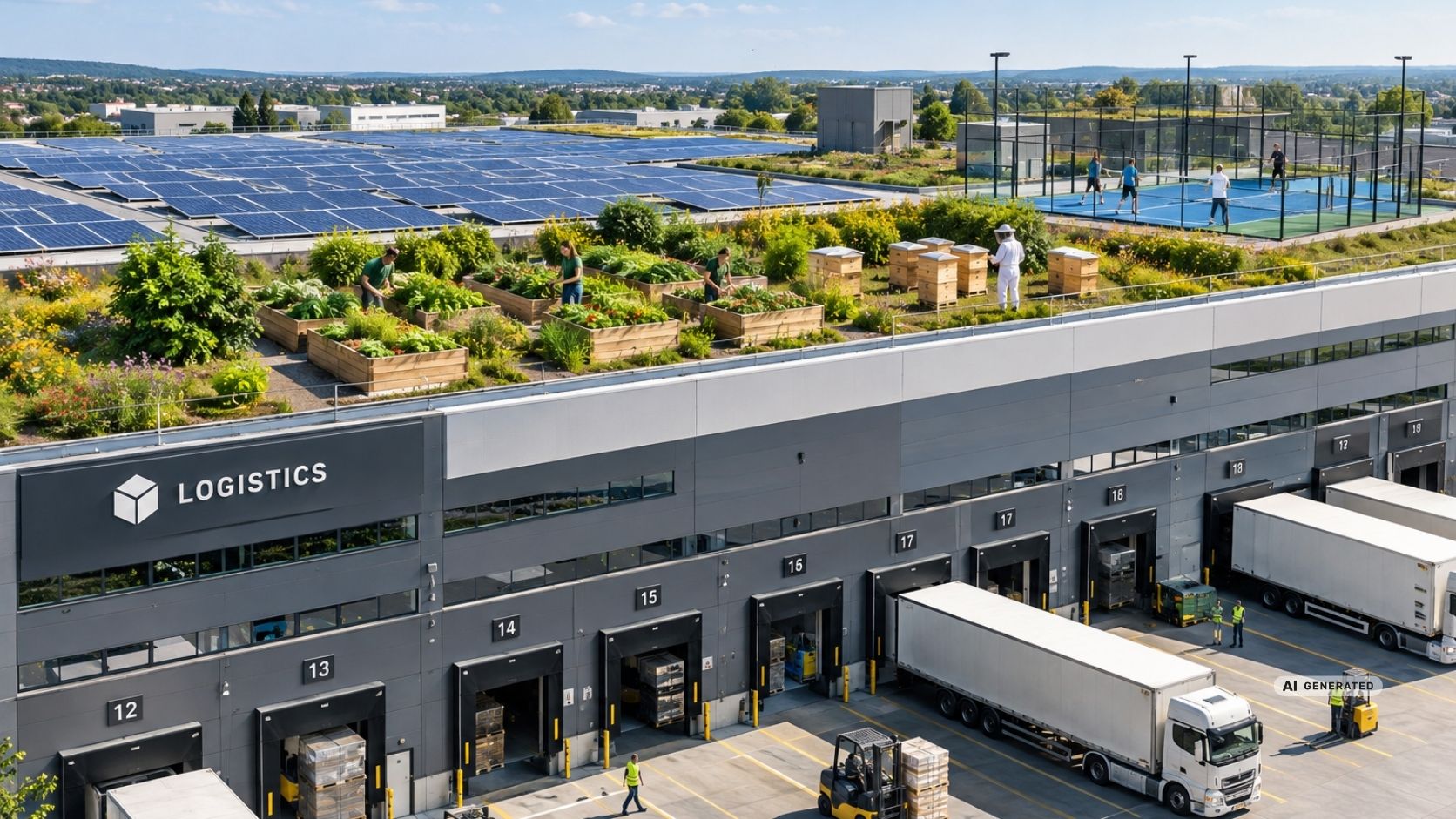
The Green Revolution on the Hall Roof: From Concrete Block to Ecological Power Plant?
Logistics roofs can do more than PV: greening, bees, urban farming and even sports areas turn unused roof space into multifunctional rooms....