


The "Final Repository" of Logistics: Strategic Long-term Stockpiling as a Pearl of Returns?
Table of Contents
- Definition and Spectrum: Which Products End Up in the Repository?
- The Time Factor: How Long is a Repository Necessary?
- Challenges for Contract Logistics Companies and Real Estate
- Profitability: Is the Business Lucrative?
- Players in the Market: Who Offers Final Disposal?
- Permits, Insurance and Rental Agreements
- The Role of AI in the Repository
- International Comparison: Germany vs. World
- Practical Example: The "Savior" of the Wind Turbine
- Conclusion: Niche with Depth
Imagine that a high-speed train of the latest generation has to be stopped because a tiny microchip on the control board is defective – a component that was produced 15 years ago and is no longer offered by any manufacturer in the world today. This is where the hour of the "final repository" in logistics strikes.
But what is behind this term, which is often wrongly associated with nuclear waste? In the logistics world, we speak of strategic lasttime buy (LTB). It is about securing the operability of durable capital goods for decades.
In this article, we clarify the crucial questions:
- Which products will survive the years in these "time capsules"?
- Why is this niche business highly lucrative, but also risky?
- How does artificial intelligence change the way outages are predicted?
- What are the differences between German perfectionism and the global market?
Definition and Spectrum: Which Products End Up in the Repository?
A final repository in logistics is not a dynamic transshipment warehouse. It is a vault for the future. Primarily, goods that are subject to an obsolescence risk are stored here. This means that the product is still needed (e.g. for a maintenance warranty of 30 years), but the supplier stops production.
Typical product groups:
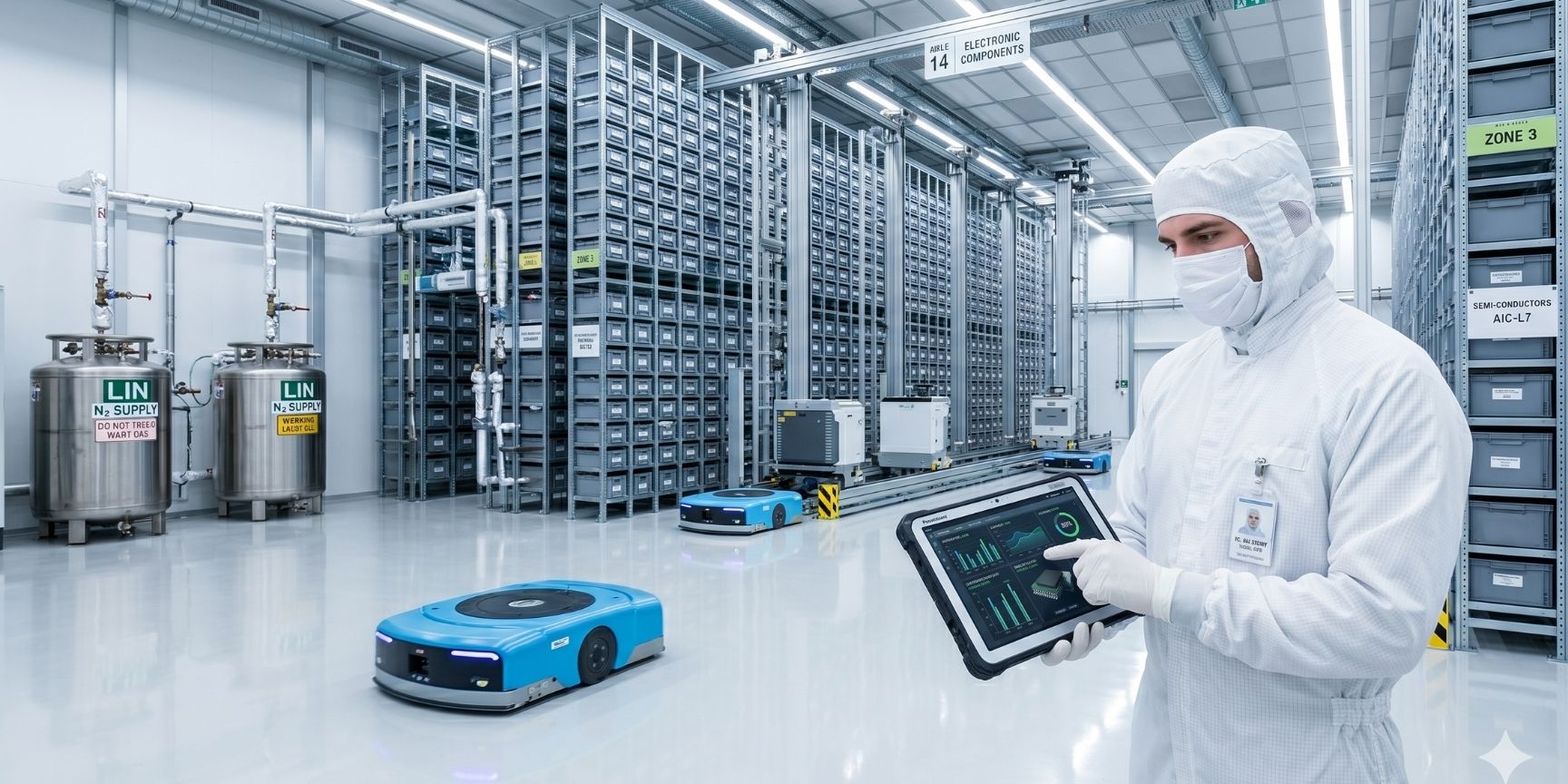
- Electronic components: Semiconductors, microchips, capacitors (often stored under nitrogen to prevent aging/oxidation).
- Mechanical engineering: Specific molds, shafts or gear parts for equipment with a service life of 20+ years.
- Automotive: Spare parts for small series or classic car warranties.
- Aerospace and defense: Highly specialized components that would cost millions to recertify.
- Medical technology: Components for MRI machines or dialysis stations.
The Time Factor: How Long is a Repository Necessary?
The duration of storage depends on the life cycle of the end product. While two years is an eternity in consumer electronics, different laws apply in other industries:
- Rail vehicles: 30 to 50 years.
- Power plant technology: 40+ years.
- Aviation: 25 to 40 years.
According to the German Association for Component Distribution (FBDi), requests for storage periods of more than 15 years are steadily increasing, as the innovation cycles of chip manufacturers (approx. 2 years) and the usage cycles of industry (approx. 20 years) are diverging more and more.
Challenges for Contract Logistics Companies and Real Estate
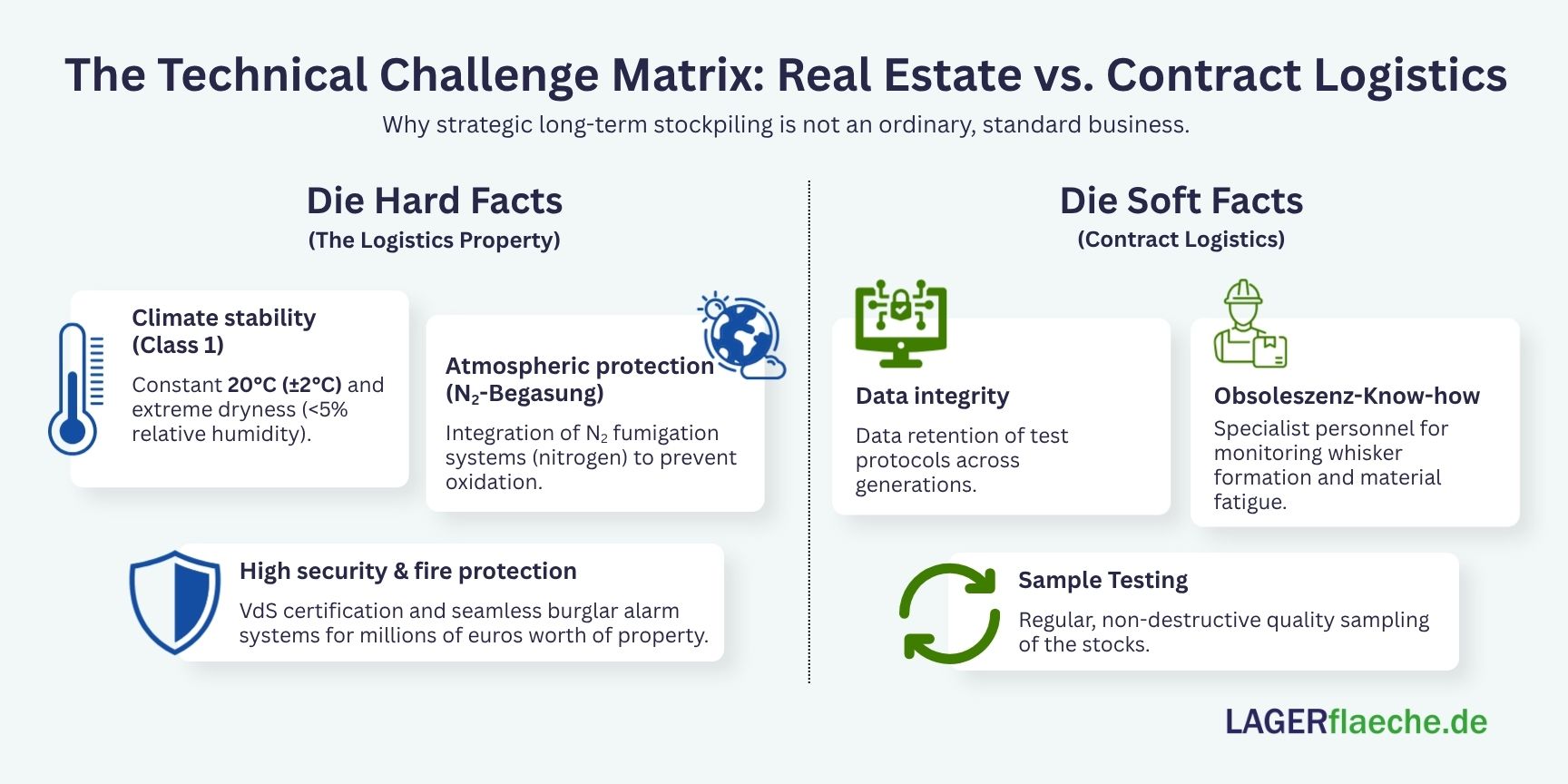
Anyone who operates a repository is not selling space, but risk management. The demands on the property and the service provider are extreme:
The logistics property
- Climate stability: A constant 20°C (±2 degrees) and a relative humidity of less than 5% (when stored dry) are standard.
- Cleanroom conditions: Dust particles can cause contacts to corrode for decades.
- Security: Highest burglary protection classes (VdS certification), as the value of goods per square metre often runs into the millions.
The logistician
- Data integrity: The documentation must outlive the hardware. What good is a component in 20 years if no one knows how to read the test protocols?
- Skilled personnel: Knowledge of material fatigue and chemical processes (e.g. whisker formation in tin) is essential.
Profitability: Is the Business Lucrative?
In short, yes, but the barriers to entry are high. While a standard pallet space in a high-bay warehouse is often rented out for 5.00 to 10.00 euros per month (depending on the region), different calculations apply to final warehouses.
Prices per pitch:
In specialized long-term warehouses (e.g. for wafers or medical components), the costs range from 35.00 to 150.00 euros per month. However, the price per parking space is often misleading, as the business is handled via service level agreements (SLAs) and insurance flat rates.
Why it's worth it:
- Low fluctuation: Once stored, the goods often remain untouched for 10 years. This massively reduces personnel costs for handling.
- High customer loyalty: A change of service provider is extremely rare due to the sensitive goods and the transport risk.
Players in the Market: Who Offers Final Disposal?
In Germany, there are a handful of specialized providers who have focused on obsolescence management and long-term storage:
- HTV Halbleiter-Test-Vertriebs-GmbH: Market leader in the field of long-term storage of electronics (TAB® process).
- Kuehne + Nagel (High-Tech/Aerospace Division): Provides global solutions for critical spare parts.
- Rhenus Logistics: Specializing in long-term industrial projects.
- Specialized medium-sized companies: Often located in clusters around Stuttgart (automotive) or Munich (high-tech).
Locations in Germany:
These deposits are particularly common in areas with high industrial density and stable geological conditions (no earthquake zones):
- Baden-Württemberg: Greater Stuttgart/Karlsruhe area.
- Bavaria: Munich/Erlangen (Siemens environment).
- NRW: Ruhr area as a central logistics hub.
Permits, Insurance and Rental Agreements
Operating a repository means walking on thin ice legally if the contracts are not precise.
Permits
In addition to the standard building permit for logistics properties, fire protection certificates are often required for long-term storage, as the fire load is assessed differently due to special packaging (vacuum, ESD protection). In the case of nitrogen storage, occupational health and safety guidelines for the handling of gases also apply.
Insurance
Standard freight forwarding liability (ADSp) is far from sufficient here. The following are necessary:
- All-risk insurance: Also covers damage caused by technical failure of the air conditioning system.
- Financial loss liability: If an entire production line at the customer's site comes to a standstill due to a bearing defect (business interruption damage).
Rental contracts
These are usually concluded as service contracts for 5, 10 or 15 years. The "exit clause" is important: Who bears the risk when outsourcing after 20 years? A condition guarantee is often agreed, which is underpinned by regular sample testing.
The Role of AI in the Repository
Artificial intelligence is the gamechanger in obsolescence management. It is not used for stacking boxes, but for predictive maintenance of inventories.
Application examples:
- Demand forecasting: AI algorithms analyze global repair data to predict how many components will actually need to be stored for the next 20 years. This prevents overstocking (dead capital).
- Aging simulation: Digital twins can be used to simulate the chemical aging of components under the specific storage conditions.
- Automated quality inspection: Image recognition AIs check random samples for the smallest traces of corrosion that escape the human eye.
International Comparison: Germany vs. World
Why is the topic so big in Germany in particular?
| Feature | Germany | USA | China |
| Focus | Quality & durability (DIN standards) | Cost-effectiveness & fast replacement | Scaling & New Purchase |
| Duration of the contract | Long-term (10-30 years) | Rather short to medium term | Very dynamic |
| Technology | Nitrogen storage, high-end | Standard air conditioning | Highly automated, focus on throughput |
| Reason | Strong mechanical engineering / rail | IT-heavy / software focus | Mass production |
Why the difference?
German industry (hidden champions) builds machines that have to last 40 years. A US tech company often relies more on "redundancy through software" or faster replacement cycles. In China, on the other hand, new buildings are often built instead of repaired, although this is currently changing due to the growing awareness of quality.
Practical Example: The "Savior" of the Wind Turbine
An operator of an offshore wind farm is faced with a problem: the control units of the converters (built in 2012) fail in rows. The manufacturer no longer exists.
Solution in the repository:
12 years ago, a contract logistics company carried out a "last time buy" of 5,000 specific processors on behalf of a consortium. These were stored at HTV in southern Germany under a nitrogen atmosphere.
- Result: The chips are chemically in the condition of 2012.
- Cost savings: A redesign of the control system would have cost about 2.5 million euros. The storage costs over 12 years amounted to only 180,000 euros.
Conclusion: Niche with Depth
The repository in logistics is much more than just a "dead area". It is an insurance policy for the industry. For logistics companies, it offers stable margins and extreme customer loyalty, but requires massive investment in technology and know-how.
Question to the readers:
Have you already defined the "point of no return" for your critical components in your supply chain strategy? Or do you rely on the grey market when production stops?
References:
- VDI guideline 2884: Procurement, operation and maintenance of production equipment.
- Study by the IIOM (International Institute of Obsolescence Management) on the cost structure of LTB logistics.
- Market analysis by the Fraunhofer Working Group for Supply Chain Services SCS.
Latest Blog Posts
Stay up to date with the newest trends, insights, and tips in warehouse and logistics. Our latest articles help you navigate the industry with confidence.
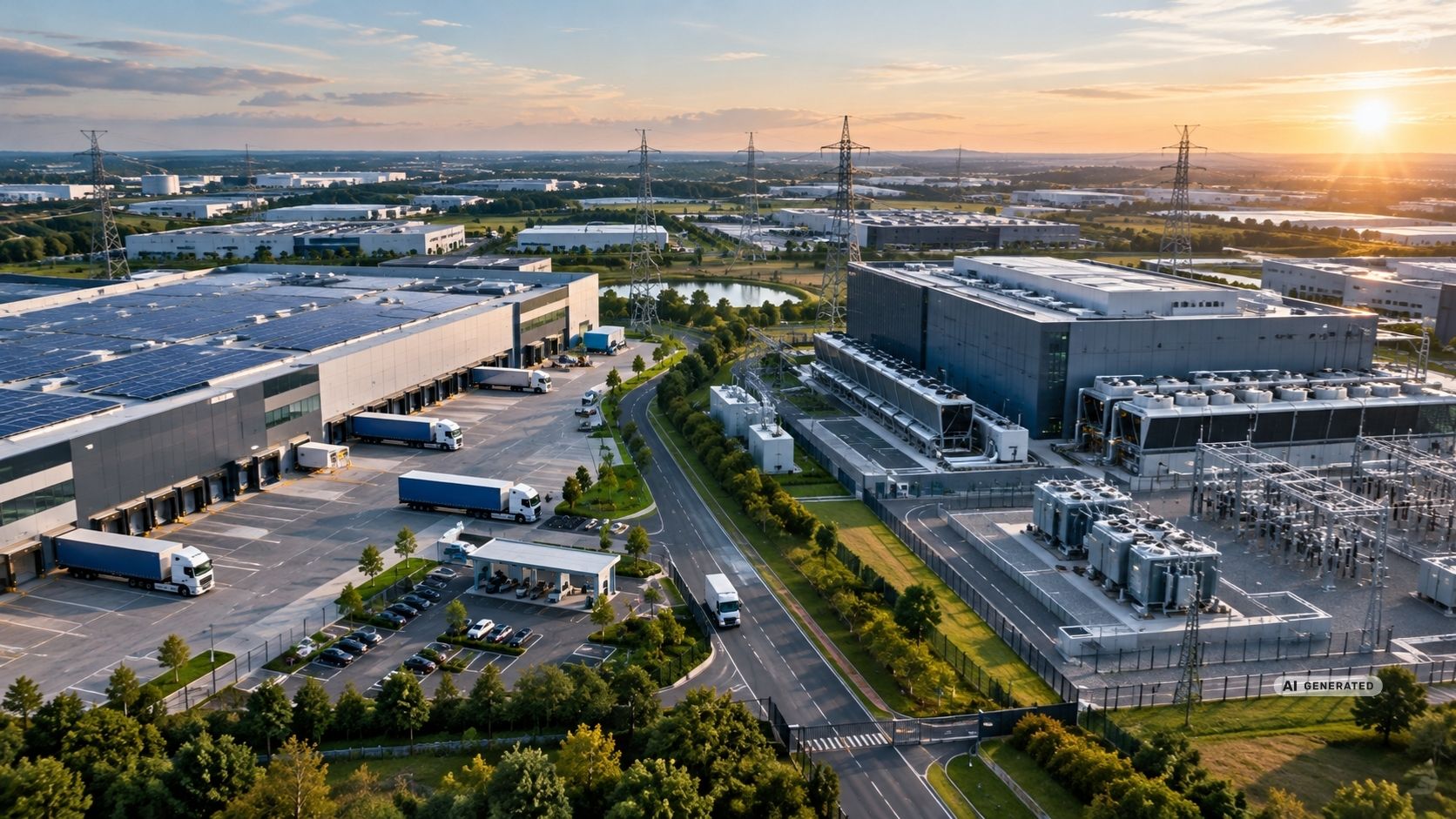
Data Centres vs. Logistics Facilities: The Race for Power and Land
Across Europe, logistics operators are competing for more than land and transport access. They increasingly need something much harder to secure: grid capacity. Data centres are intensifying that competition — and changing how logistics locations are evaluated....
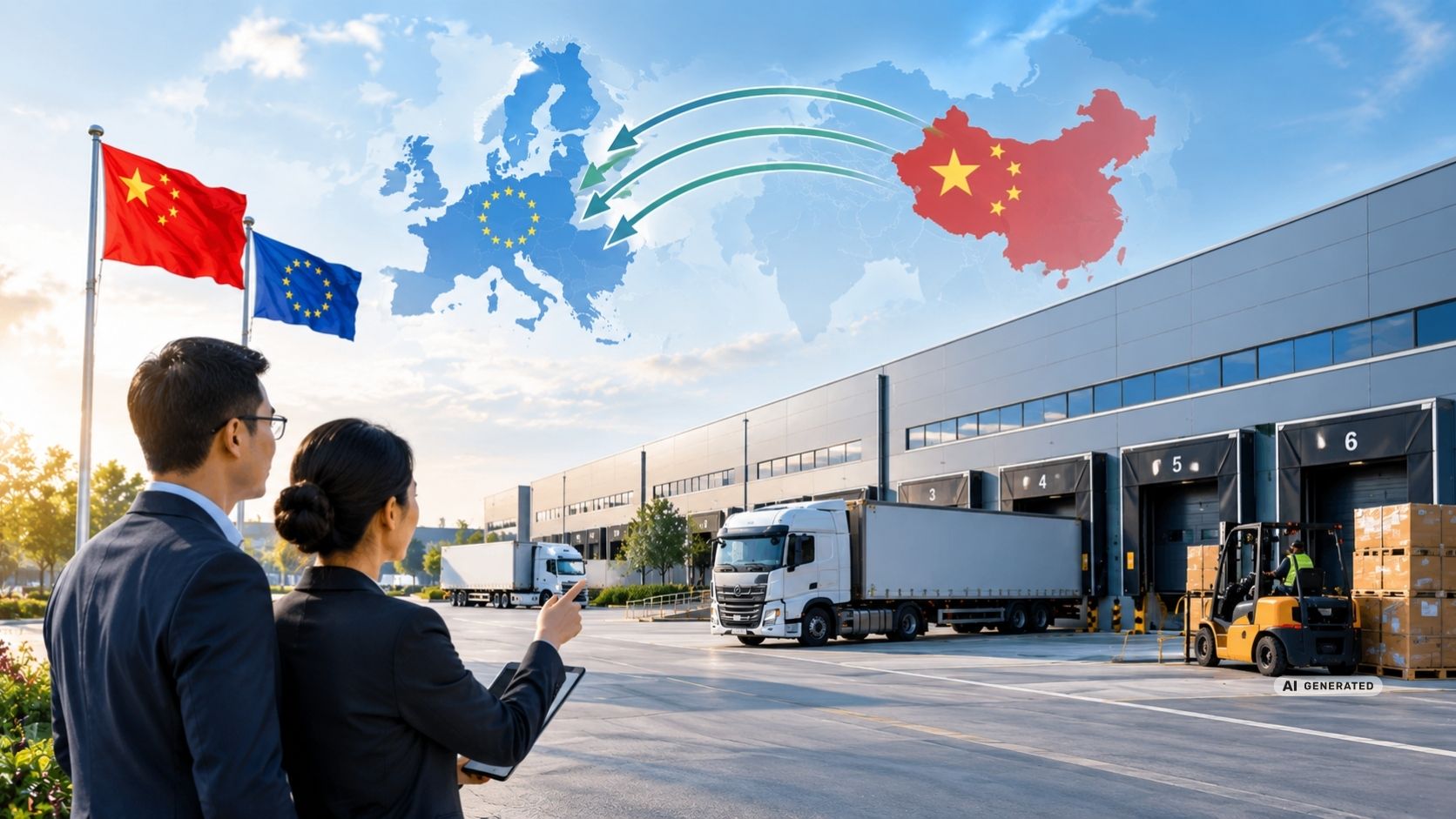
Chinese companies discover Europe's logistics real estate
Chinese companies are becoming an increasingly visible user group in Europe's logistics real estate market. What does this mean for warehouse space, 3PL structures and the requirements for European logistics locations?...
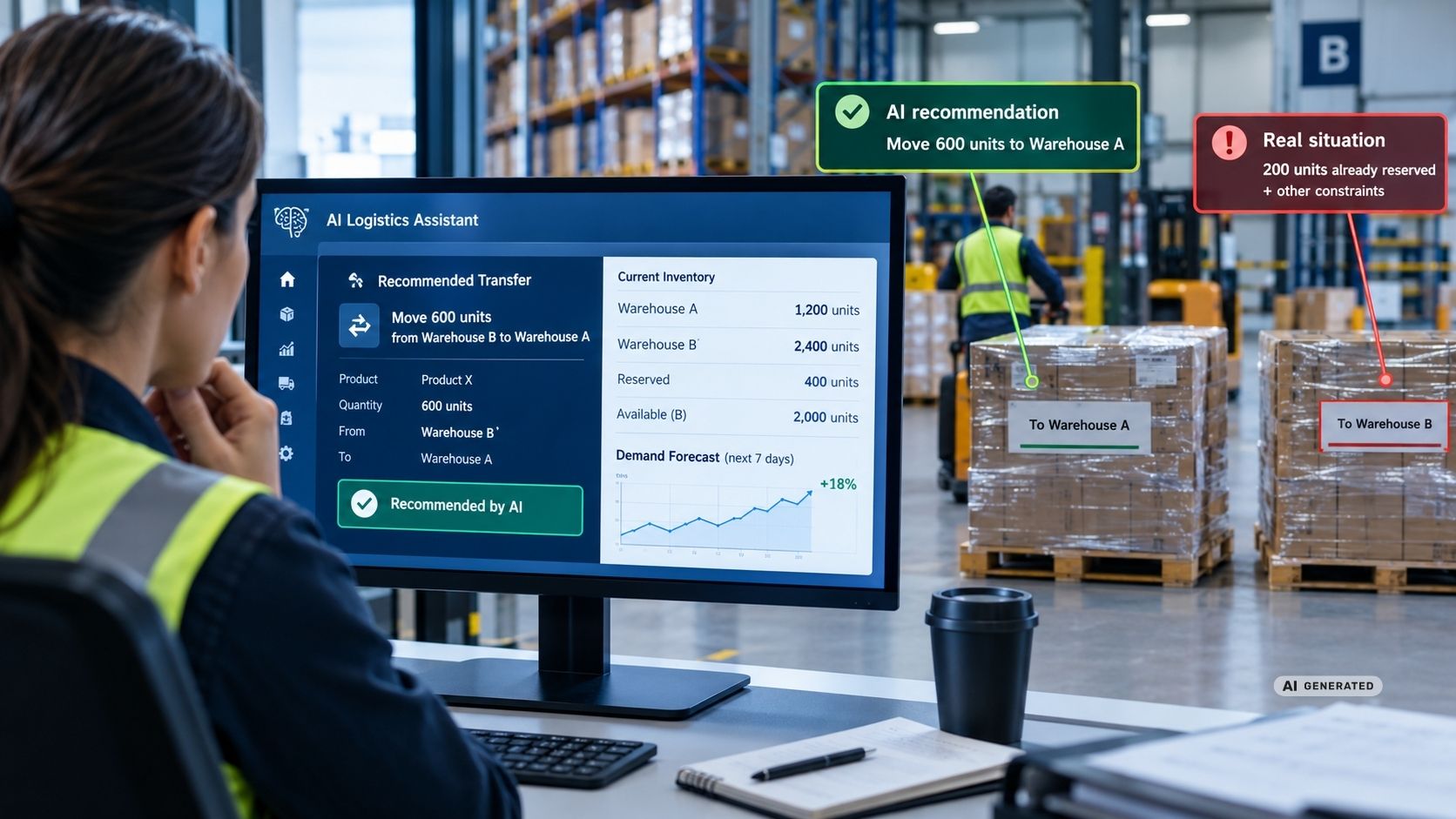
AI Hallucinations in Logistics: When AI Plans the Wrong Delivery
AI can analyze enormous amounts of logistics data — but it can also produce a convincing answer that is simply wrong. The critical question is not whether AI makes mistakes, but what happens when a wrong recommendation becomes an operational decision....
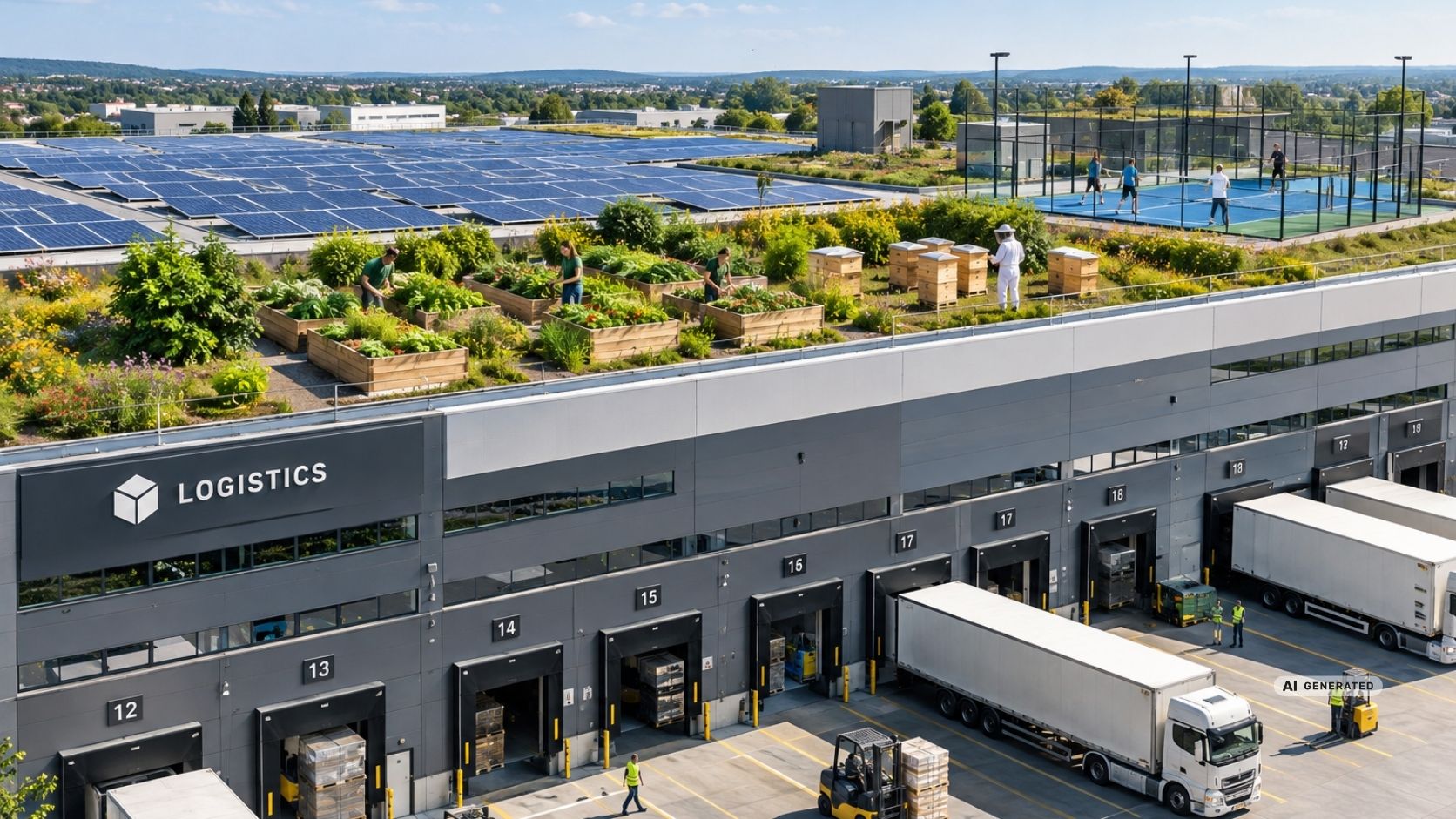
The Green Revolution on the Hall Roof: From Concrete Block to Ecological Power Plant?
Logistics roofs can do more than PV: greening, bees, urban farming and even sports areas turn unused roof space into multifunctional rooms....