




ADR in Logistics
Table of Contents
- A Comprehensive Guide for Warehousing and Contract Logistics
- What Does ADR Mean for Warehouse Logistics?
- ADR Hazard Classes for Dangerous Goods
- Requirements for an ADR-Compliant Hazardous Goods Warehouse
- ADR Responsibilities in Contract Logistics
- ADR Compliance in Daily Warehouse Operations
- Why ADR Compliance Matters Across the Supply Chain
A Comprehensive Guide for Warehousing and Contract Logistics
The safe handling of dangerous goods is a non-negotiable and highly regulated part of the modern supply chain. At the core of these regulations stands the ADR Agreement — the European Agreement concerning the International Carriage of Dangerous Goods by Road. While ADR is primarily focused on road transport, its implications reach far beyond the truck ramp — especially into warehouse logistics and contract logistics.
Facilities that receive, store, pick, and dispatch hazardous materials must understand not only ADR, but also national regulations such as the Hazardous Substances Ordinance (GefStoffV) and the Technical Rules for Hazardous Substances (TRGS). Compliance ensures legal certainty, protects employees and the environment, and secures the entire supply chain.
What Does ADR Mean for Warehouse Logistics?
Although ADR governs road transport, it also heavily impacts upstream and downstream logistics processes — particularly hazardous materials warehousing. Any warehouse that handles dangerous goods becomes a critical node in the transport chain.
Key ADR requirements like classification, labeling, and documentation must be verified during goods receipt and applied correctly during storage and dispatch. While warehousing is mainly regulated by national rules like TRGS 510 ("Storage of hazardous substances in mobile containers"), these guidelines are rooted in the same risk-assessment logic as ADR. ADR delivers the essential data — UN numbers, hazard labels, packing groups — on which safe warehouse planning depends.
ADR Hazard Classes for Dangerous Goods
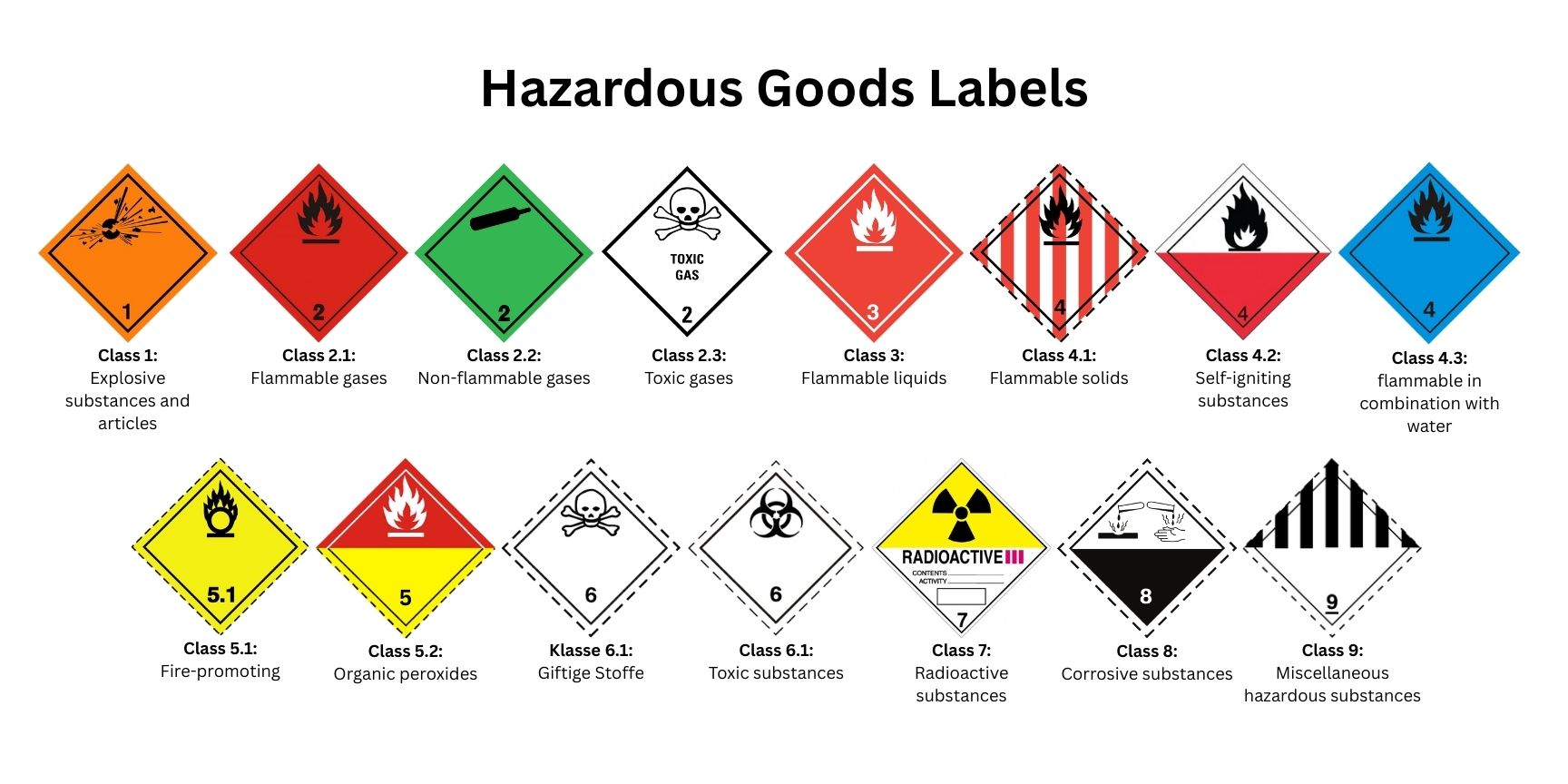
The ADR system classifies dangerous goods into nine main classes based on the type of hazard they present. This classification dictates all downstream safety procedures:
- Class 1: Explosives
- Class 2: Gases (asphyxiant, flammable, toxic, oxidizing)
- Class 3: Flammable liquids
- Class 4.1: Flammable solids
- Class 4.2: Substances liable to spontaneous combustion
- Class 4.3: Substances that emit flammable gases in contact with water
- Class 5.1: Oxidizing substances
- Class 5.2: Organic peroxides
- Class 6.1: Toxic substances
- Class 6.2: Infectious substances
- Class 7: Radioactive material
- Class 8: Corrosives
- Class 9: Miscellaneous dangerous substances and articles
In warehousing, it's critical to assess both primary and subsidiary hazards. A Class 8 corrosive substance may also be flammable — affecting storage location and segregation rules.
Requirements for an ADR-Compliant Hazardous Goods Warehouse
A hazardous materials warehouse is not just a building — it’s a specialized facility that must meet strict structural, technical, and organizational standards:
Structural Requirements:
- Fire-resistant walls/ceilings (e.g., F90 standard)
- Liquid-tight floors and bunds sized per storage volume and water hazard class (WGK)
Technical Equipment:
- Adequate ventilation systems to prevent explosive atmospheres
- Explosion protection (ATEX-compliant) electrical equipment
- Fire detection and suppression systems
Organizational Requirements:
- Compliance with segregation rules (per TRGS 510)
- Incompatibility management (e.g., Class 4.3 goods must not contact water or be stored with liquids)
- Up-to-date hazardous substance registers and warehouse layout plans
ADR Responsibilities in Contract Logistics
In contract logistics, where logistics providers manage storage and distribution on behalf of shippers, responsibilities must be clearly assigned:
- Shipper (Customer): Responsible for classification, proper packaging, and accurate documentation (UN number, proper shipping name).
- Loader (Logistics Provider): Ensures vehicle signage, correct cargo securing, and delivery of transport instructions. Also ensures warehouse compliance.
- Dangerous Goods Safety Advisor (DGSA): Monitors compliance, advises management, and produces annual reports.
ADR Compliance in Daily Warehouse Operations
Operational compliance requires trained staff and standardized processes:
- Inbound: Verify transport documents and package labeling upon arrival. Report any discrepancies before storage.
- Storage: Use WMS to allocate compliant storage locations based on hazard class and quantity thresholds.
- Order Picking: Avoid package damage and ensure compatibility.
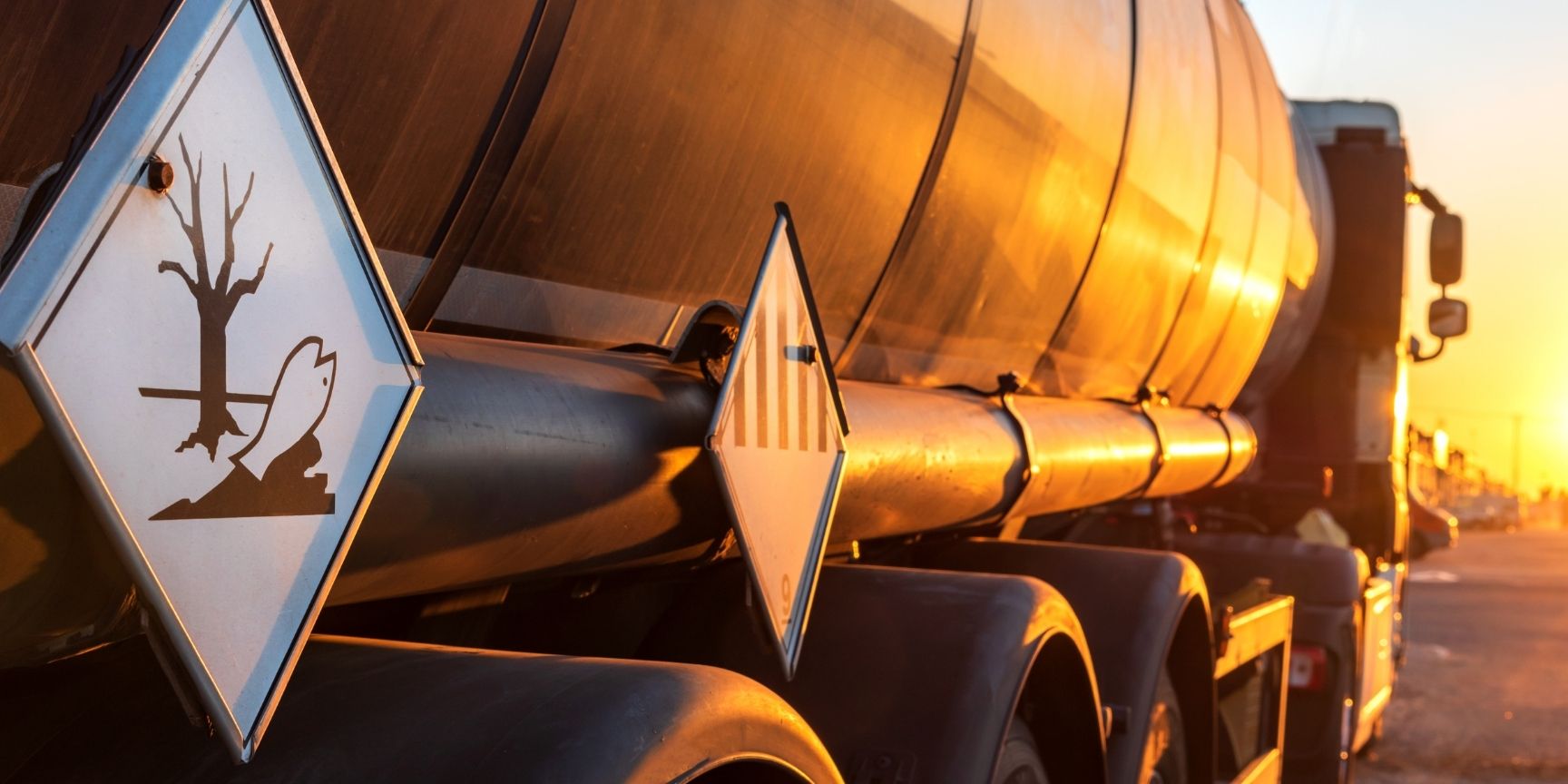
- Dispatch: Ensure all transport documents are accurate, cargo is secured, and hazard markings are visible.
Regular training (as per ADR Chapter 1.3) is both a legal requirement and the backbone of safe operations.
Why ADR Compliance Matters Across the Supply Chain
Proper ADR implementation doesn't just ensure safety — it protects your entire logistics chain. For example, incorrect classification in the warehouse can lead to errors in tunnel routing (ADR assigns tunnel restriction codes A–E). This could result in fines — or in worst cases — catastrophic tunnel incidents.
In short, a compliant and safe warehouse is the first vital step in transporting hazardous goods safely and legally across Europe.
Your Ideal Logistics Warehouse
Browse listings for warehouse space, logistics real estate, industrial land, and contract logistics solutions.
Browse Exposés
Maximize Exposure for Your Warehouse Space
Showcase your logistics properties and attract qualified inquiries.
Discover Products