
Commission-free offer
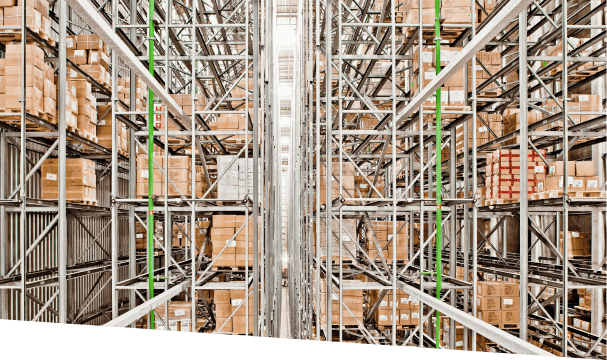
Kontraktlogistik in 37137 Verona (Italien) 3.000 qm
Object no.: 10195
Contract logistics
Warehousing (warehouse with management)
Italy
37137 Verona
3000 m²
2000 (PP)
Price on request

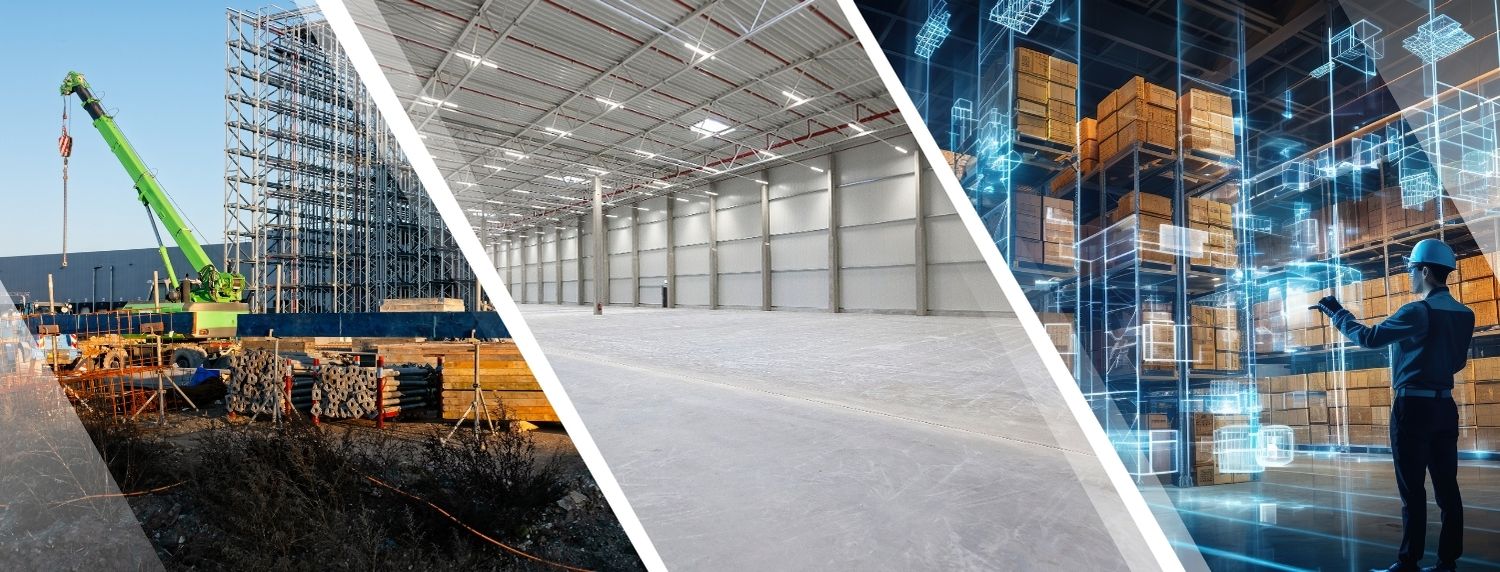
Intelligent use of room height instead of expensive floor space: High-bay warehouses offer enormous pallet capacities in the smallest of spaces and form the backbone of modern, high-throughput supply chains. Whether as a fully automated industrial property or for manual narrow-aisle use – here you will find the ideal storage solution for your strategic growth.
The market for high-quality commercial real estate is dynamic and highly competitive. On LAGERflaeche.de, you get direct access to exclusive warehouse locations that are precisely tailored to your requirements in terms of capacity, temperature control and degree of automation. Use our search and matching platform to check current vacancies, compare locations and secure your operational competitive advantage.
Object no.: 10195
Warehousing (warehouse with management)
Italy
37137 Verona
Price on request
Object no.: 10190
Warehousing (warehouse with management)
Germany
72108 Rottenburg (Neckar)
Price on request
Object no.: 10171
Warehousing (warehouse with management)
Germany
52249 Eschweiler
Price on request
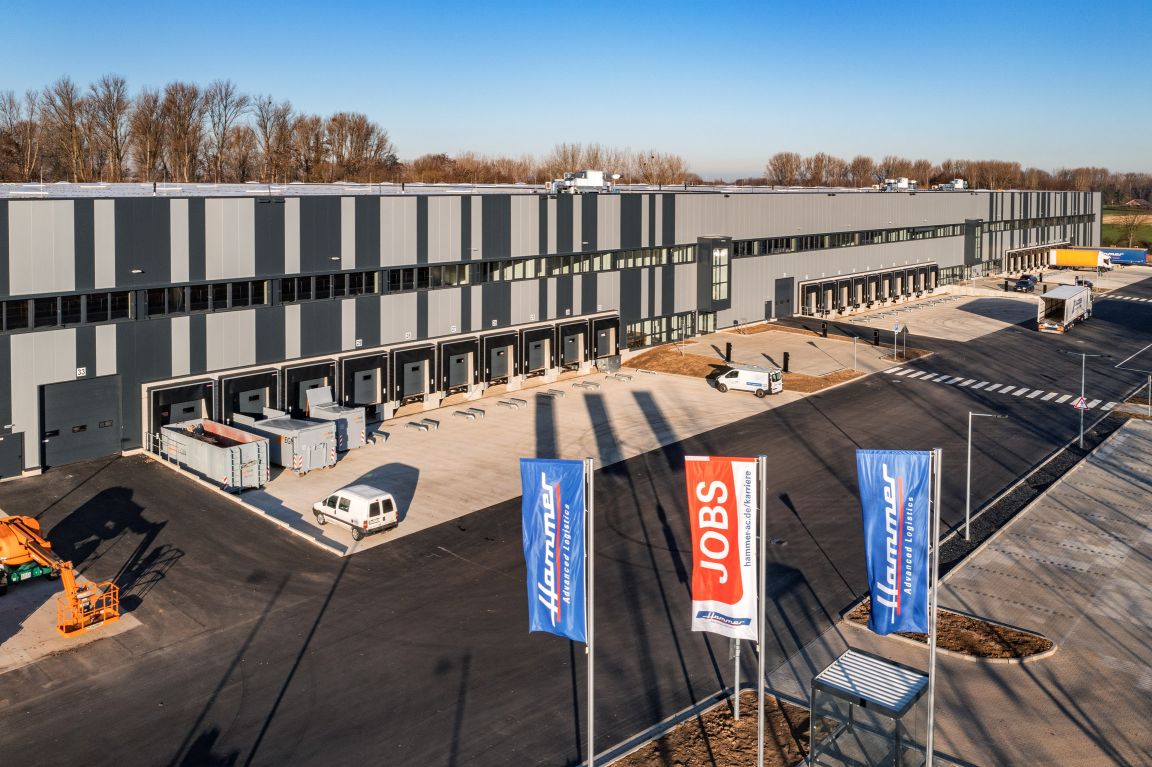
Object no.: 10170
Warehousing (warehouse with management)
Germany
52382 Niederzier
Price on request
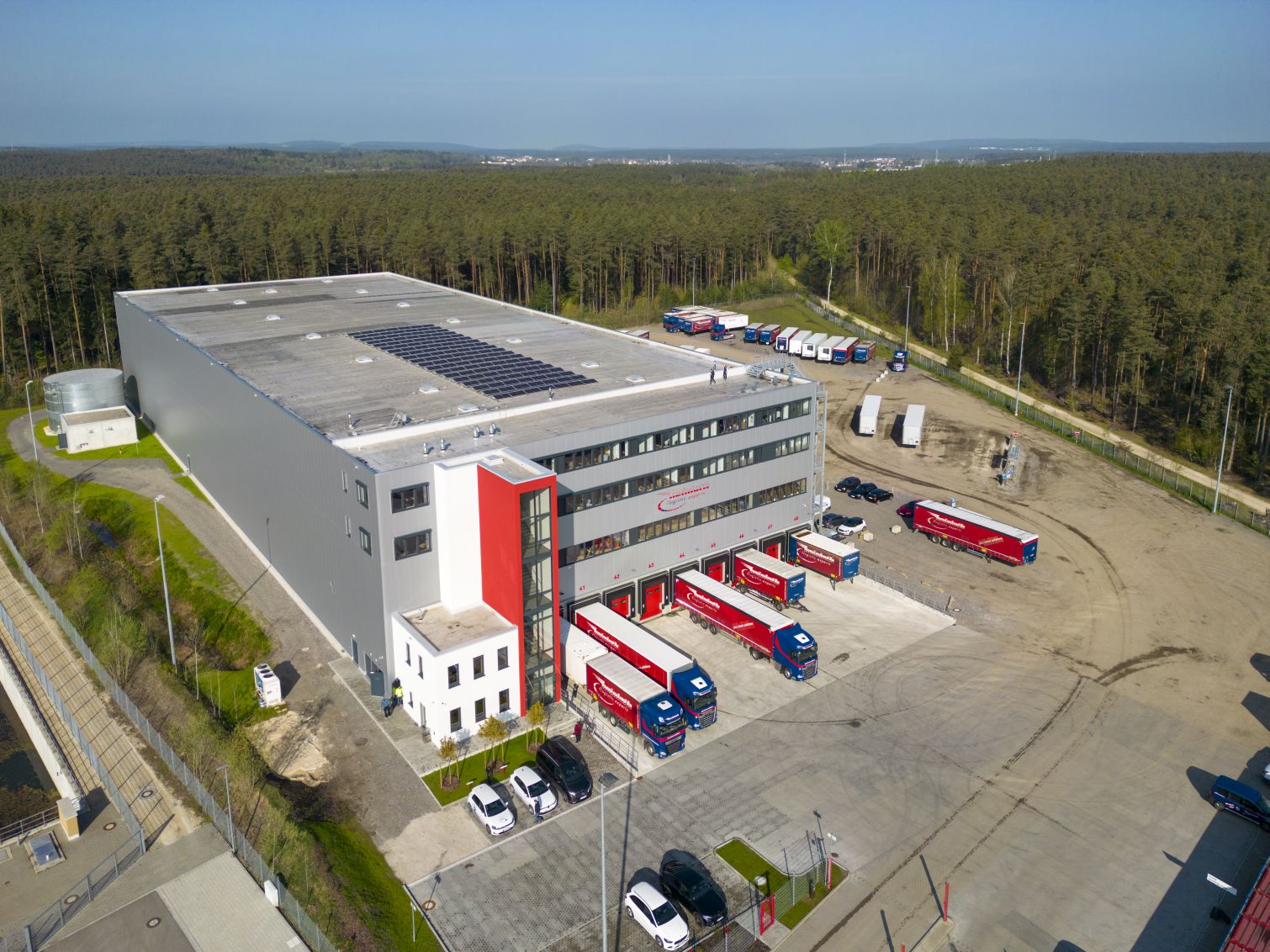
Object no.: 10163
Warehousing (warehouse with management)
Germany
91154 Roth
Price on request
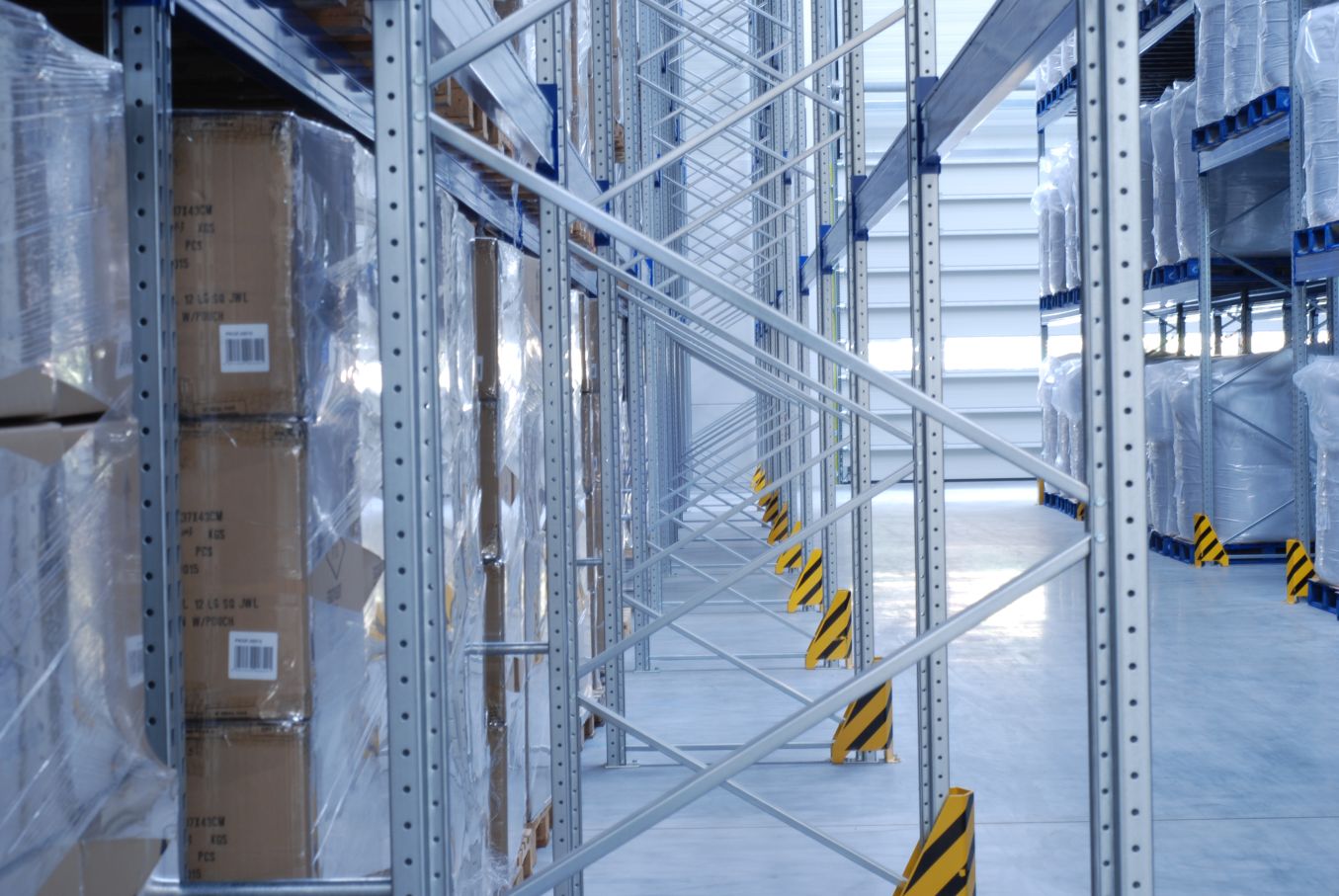
Object no.: 10153
Warehousing (warehouse with management)
Germany
84437 Reichertsheim
Price on request
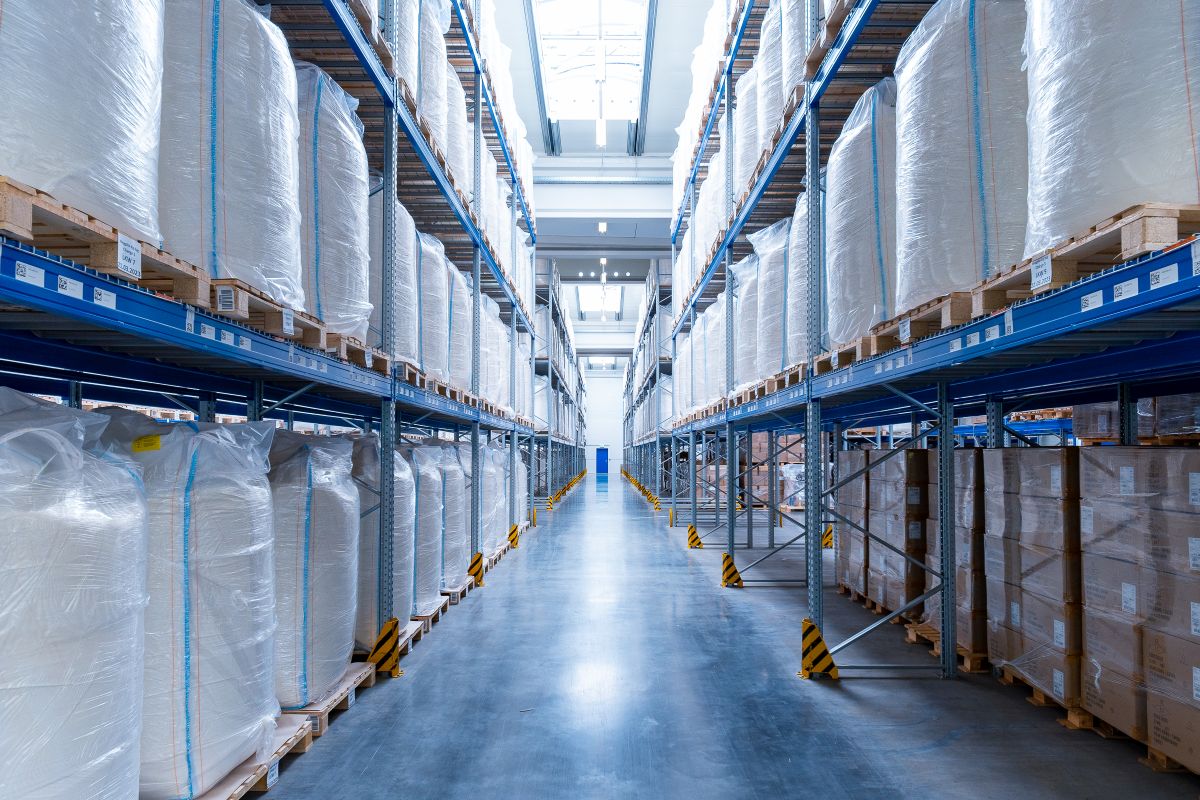
Object no.: 10152
Warehousing (warehouse with management)
Germany
84544 Aschau am Inn
Price on request
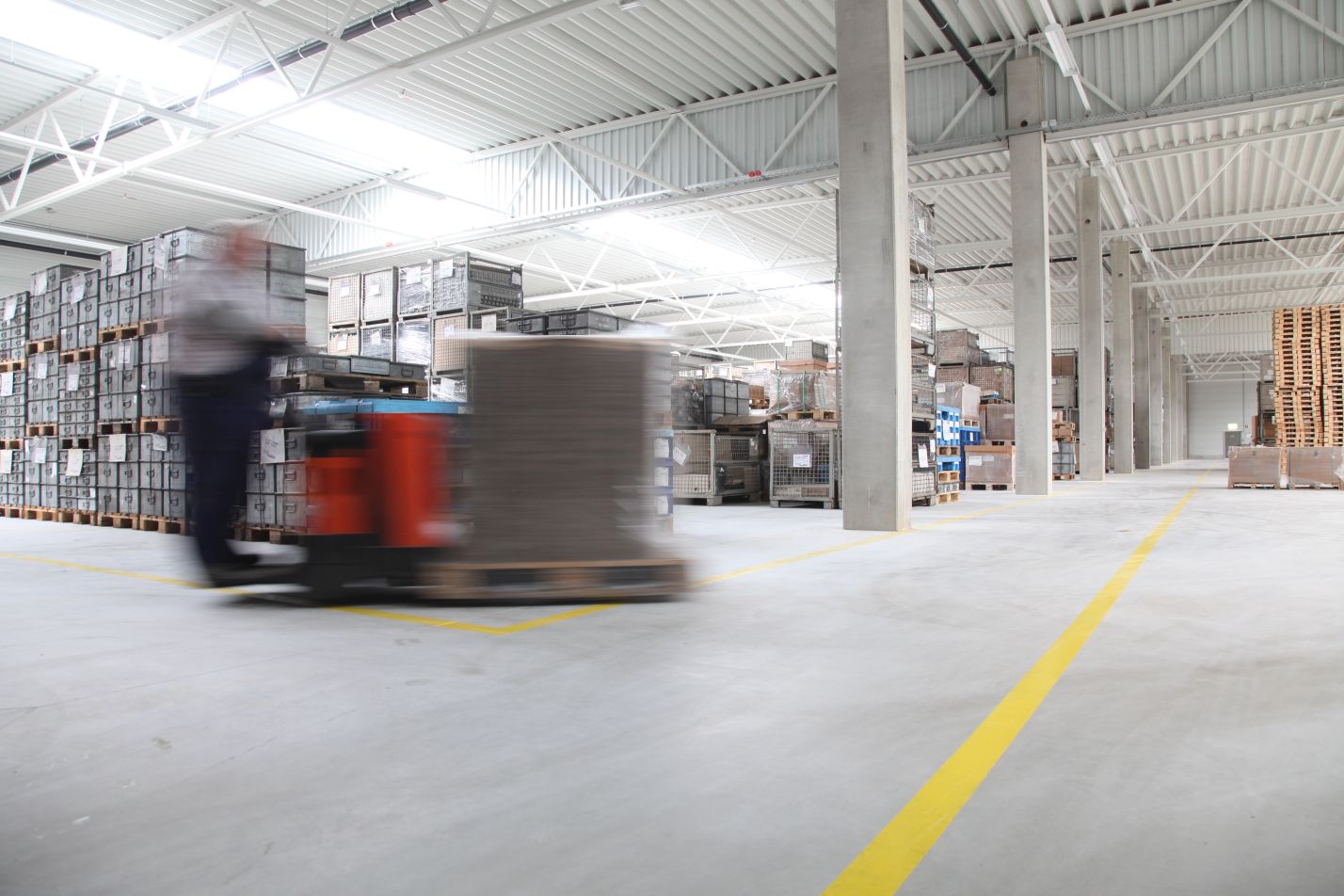
Object no.: 10144
Warehousing (warehouse with management)
Germany
37120 Bovenden
Price on request
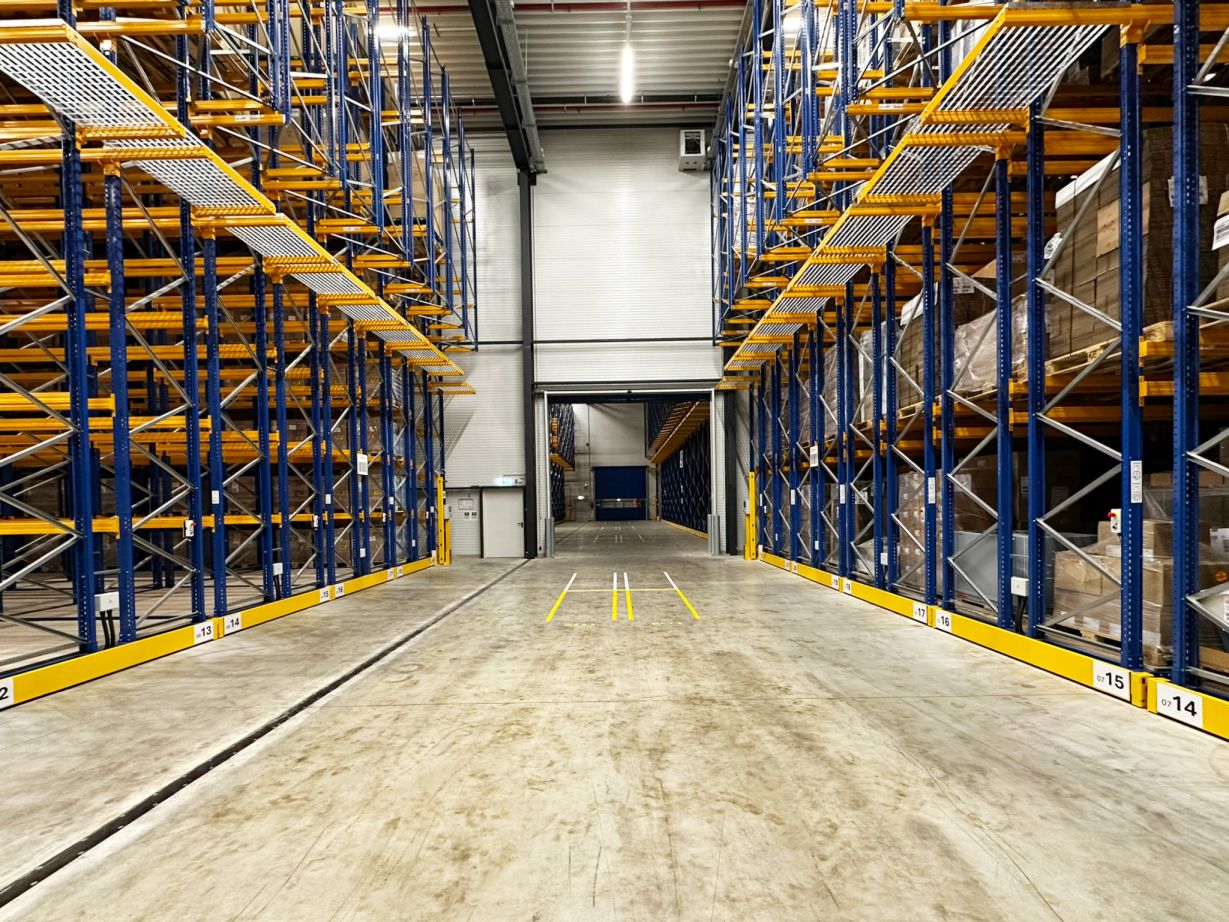
Object no.: 10140
Warehousing (warehouse with management)
Germany
52249 Eschweiler
Price on request
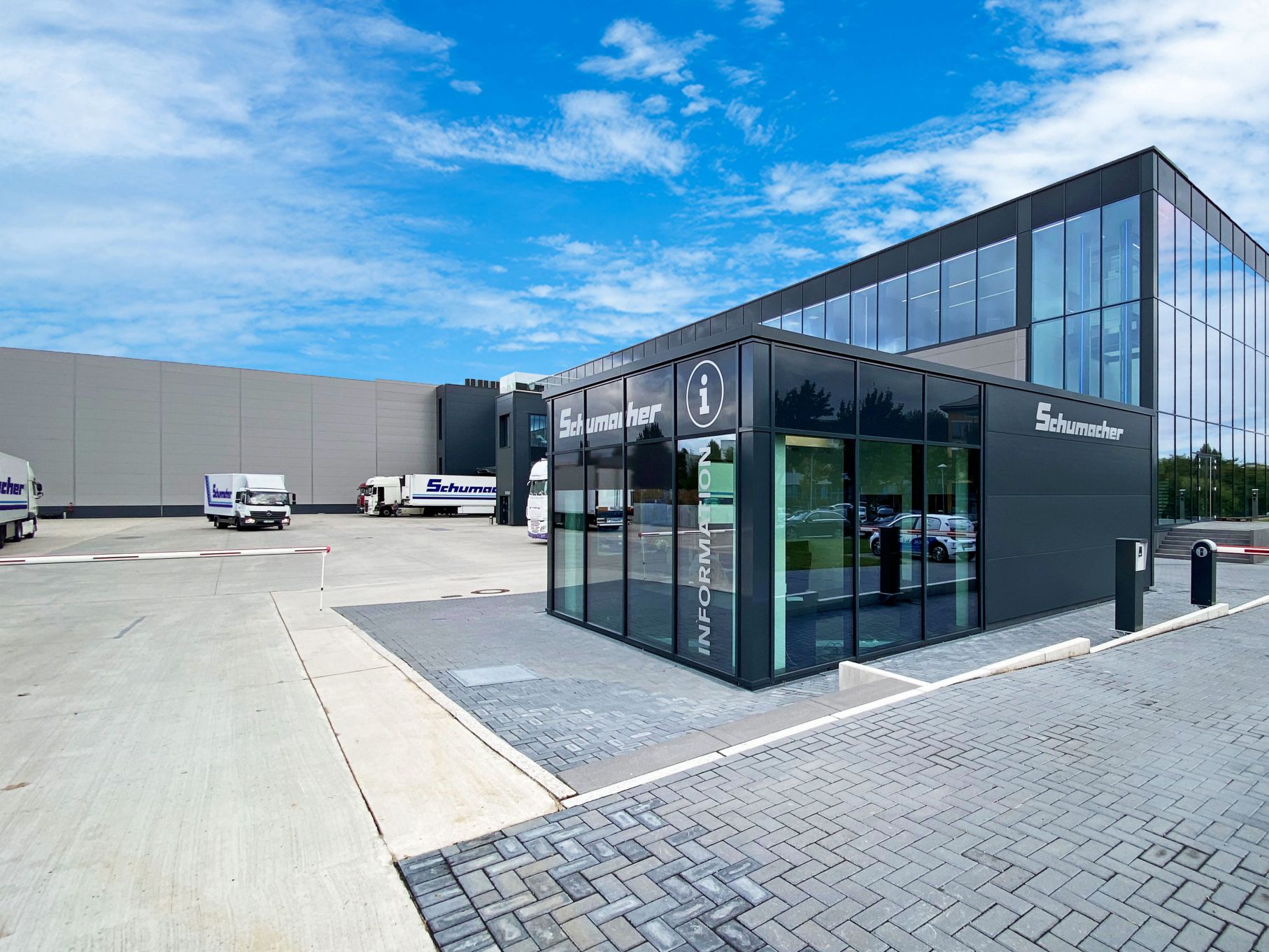
Object no.: 10138
Warehousing (warehouse with management)
Germany
52146 Würselen
Price on request
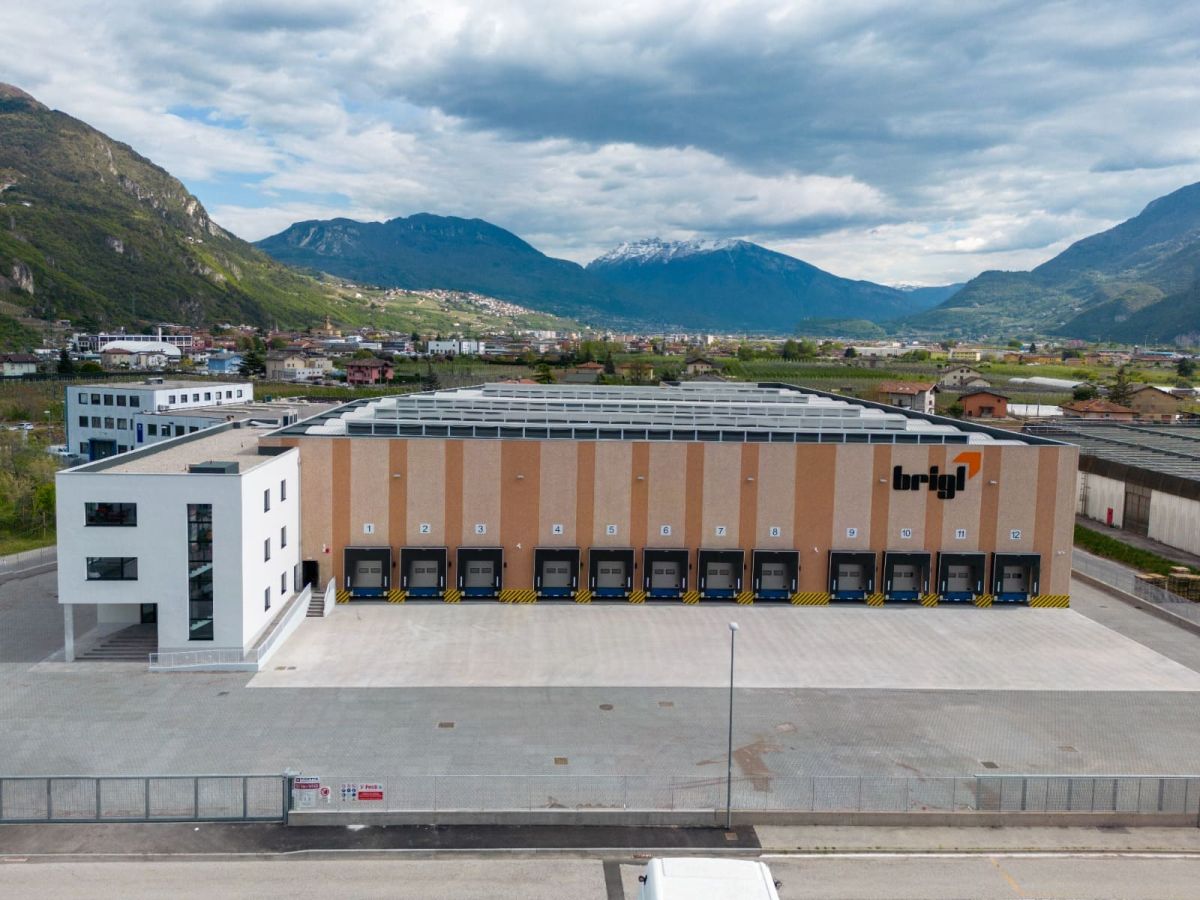
Object no.: 10131
Warehousing (warehouse with management)
Italy
38121 Spini di Gardolo
Price on request
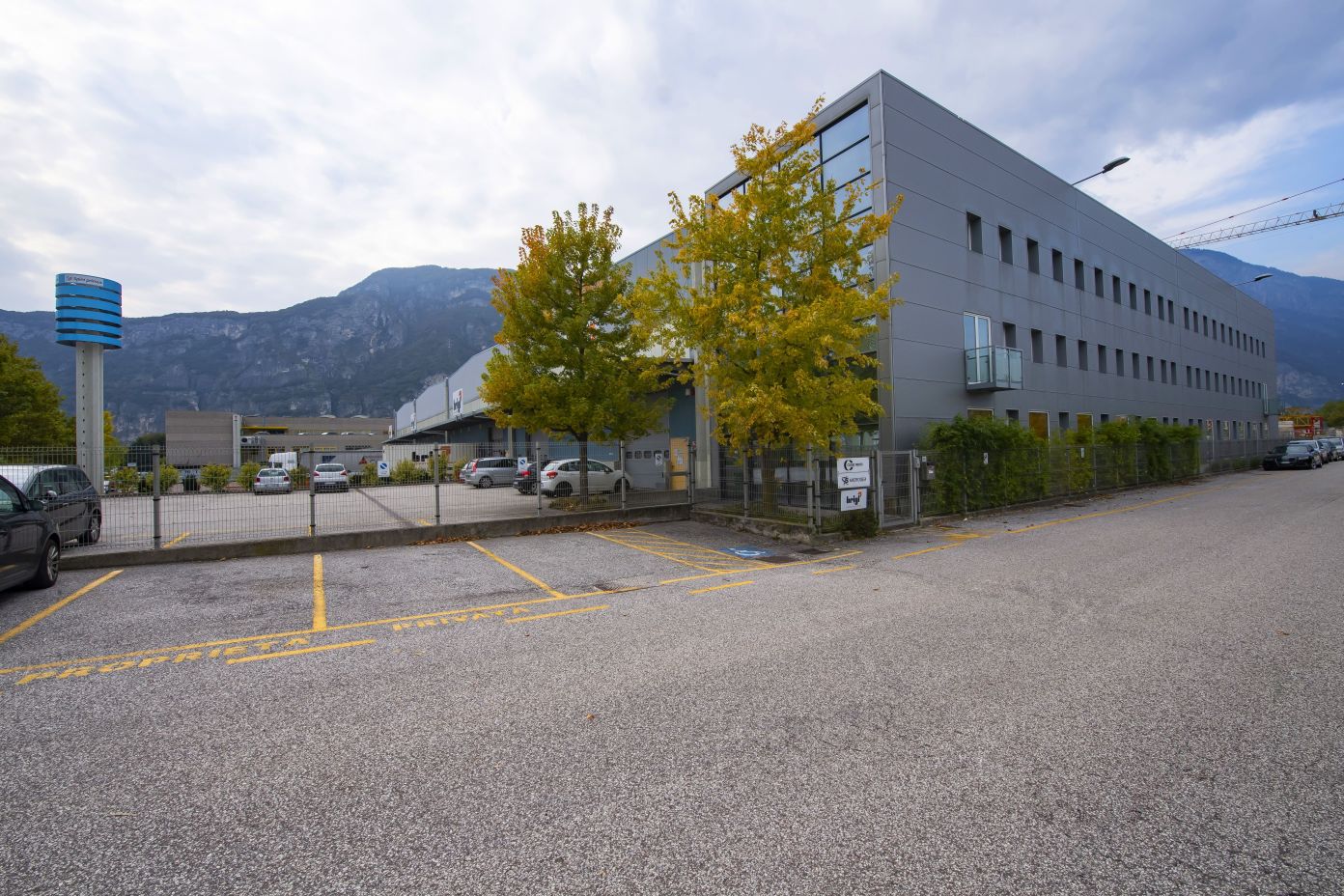
Object no.: 10130
Warehousing (warehouse with management)
Italy
38121 Spini di Gardolo
Price on request
» What Distinguishes a Modern High-bay Warehouse?
» Construction Methods: Silo Construction vs. In-house Construction
» Technical Requirements and Hall Architecture
» Automation vs. Manual Operation
» Data Security, WMS and Digitalization
» For Which Industries is this Location Solution Suitable?
» Contract Logistics and Outsourcing in High-bay Warehouses
» Pricing Models and Cost Factors
» FAQs about High-bay Warehouses
A high-bay warehouse is a specialized storage area that is defined by its extreme height – usually starting from 12 meters and reaching up to 50 meters. This vertical alignment massively maximizes the degree of space utilization compared to conventional flat storage facilities. This type of storage is designed to organize thousands of pallet spaces in a highly compressed manner. Such a warehouse location is the optimal answer to scarce land space and rising land prices in European economic hotspots.
When planning and renting such a storage property, a basic distinction is made between two construction methods that have a massive impact on the investment costs (CAPEX) and the flexibility of the commercial property:
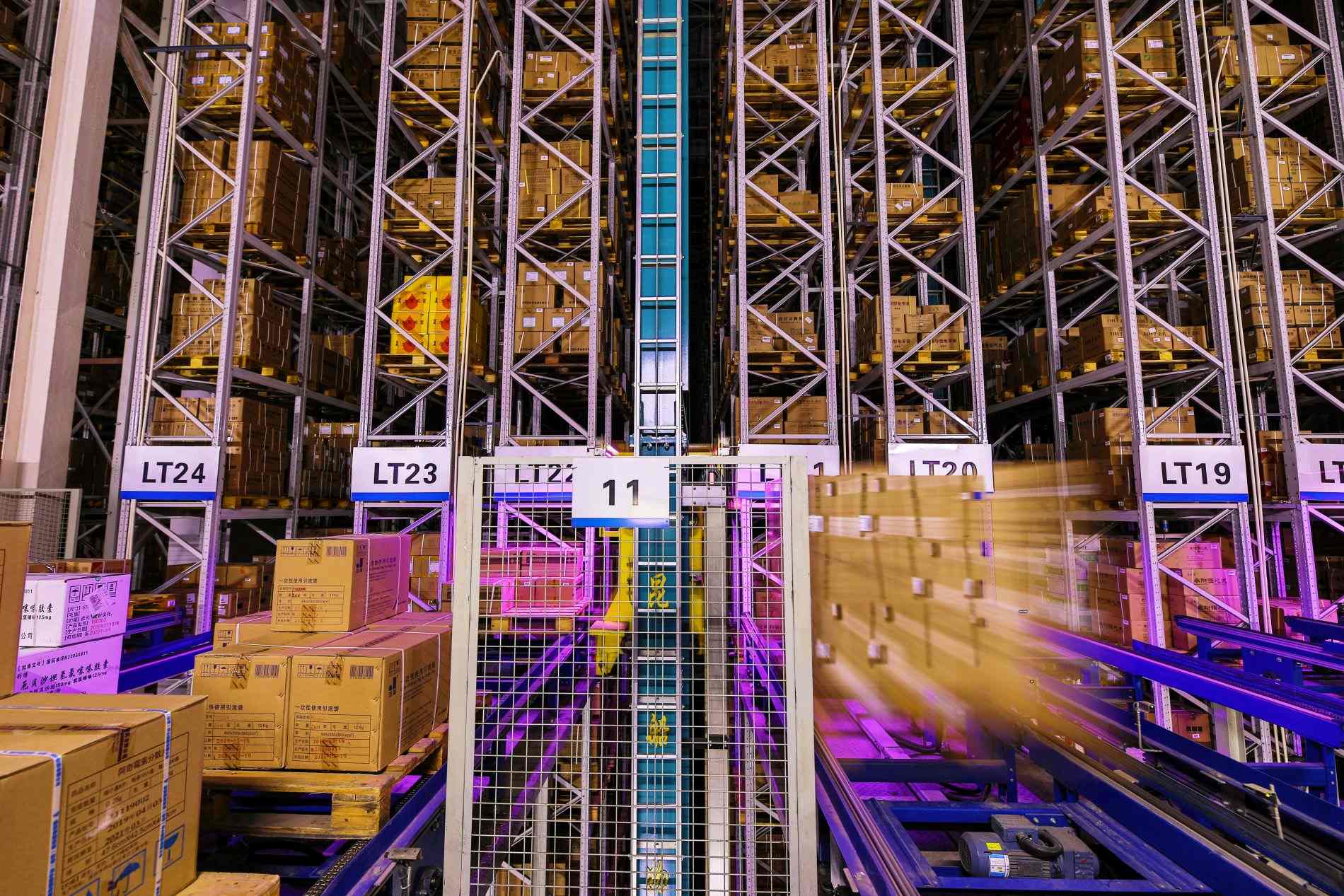
Anyone operating a fulfillment solution of this magnitude must meet the strictest infrastructural and structural requirements. Operational processes at great heights require absolute precision.
The choice of intralogistics determines the speed of goods turnover:
Whether you are a fast-growing e-commerce company looking for a new fulfillment solution, want to scale your own warehouse capacities or need a professional partner for complex warehousing – we connect you with the best providers in the market. Compare available capacities in your desired region now and optimize your supply chain sustainably.
Such a warehouse center cannot be controlled without a powerful warehouse management system (WMS). The system orchestrates each storage location, optimizes the routes and controls the storage and retrieval machines according to the principle of route optimization (e.g. double cycles). Since the WMS continuously processes movement data and, in some cases, customer data, operators must comply with strict IT security standards and the requirements of the GDPR. Cloud-based warehouse solutions are the standard today, but they require redundant server structures and fail-safe networks directly on site.
Due to its high efficiency and capacity, this type of storage is in demand across all industries. The following benefit in particular:
For many companies, the construction or renting of such a gigantic warehouse object alone does not pay off. This is where outsourcing to specialized service providers comes into play. If external partners take over the complete fulfillment solution, this is referred to as contract logistics. The service provider not only provides the pallet spaces, but also integrates comprehensive value-added services (VAS) such as quality controls, repacking work, returns management or display construction. Companies thus benefit from variable costs (OPEX) instead of rigid fixed costs.
What are the costs of using a high-bay warehouse?
Prices vary greatly depending on the region, the level of equipment and the temperature. When outsourcing to a service provider in the pay-per-pallet model, the pure storage costs often range between €0.35 and €0.80 per pallet and day. In addition, there are handling fees for incoming and outgoing goods.
From a certain construction height, strict industrial building guidelines apply. As a rule, area-wide fire alarm systems, fire partitions between the storage sections and high-performance sprinkler or oxygen reduction systems are absolutely necessary. The requirements of the VdS (Trust through Security) are usually binding for insurance coverage.
Absolutely. Many locations on LAGERflaeche.de are operated as so-called multi-user centers. Here, a service provider bundles the volume of several customers in a single large warehouse object, which creates economies of scale in IT, personnel and automation technology.
A fully automated high rack is designed for extremely high throughput of standardised loading aids (such as the Euro pallet). In the event of sudden changes in container sizes or bulky goods, the systems quickly reach their physical limits. For strongly fluctuating assortments, a combination of manual block storage and a high-bay warehouse is therefore often the best fulfillment solution.
West
Rent a production hall in Frankfurt
Warehouse in Cologne
Industrial warehouse in Saarbrücken
South
Find Logistics Space in Munich
Storage Space in Nuremberg
Logistics Hall in Stuttgart
Rent Warehouse in Freiburg
Rent Warehouse Space in Italy
Logistics Hall in Austria
Storage Space in the Netherlands
Warehouses in France
Search Storage Space in Poland
Renting halls in Switzerland
Find logistics premises in Belgium
Storage in Bulgaria
Renting warehouses in the UK
Search for warehouse properties in Croatia
Logistics warehouses in Romania
Logistics centres in Russia
Search for warehouse locations in Slovenia
Rent warehouse space in Slovakia
Logistics property in Spain
Find storage space in Hungary
Rent a warehouse in the Czech Republic
Storage facility in Denmark