Commission-free offer
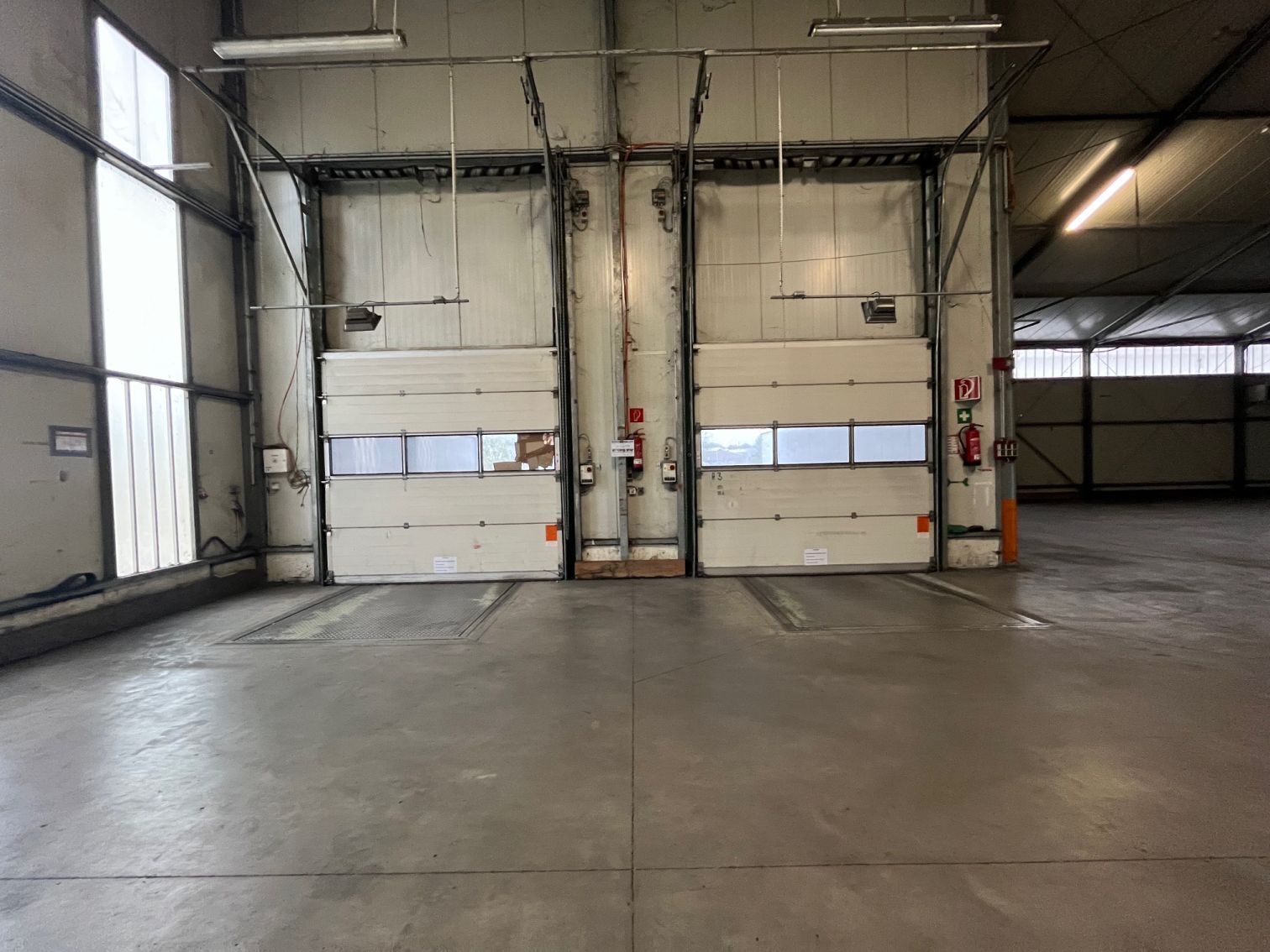
Kontraktlogistik in 47809 Krefeld mit 1.000 qm mieten
Object no.: 10205
Contract logistics
Warehousing (warehouse with management)
Germany
47809 Krefeld
2700 m²
Price on request

What makes a highly efficient e-commerce logistics warehouse and how does it accelerate your next-day delivery? The answer lies in the optimal combination of strategic locations at key CEP hubs, highly flexible racking systems and scalable fulfillment processes for the last mile. On our platform, you can find exactly these tailor-made logistics locations and rent them directly to future-proof your supply chain for the fast-growing online business.

Since e-commerce has to cope with strongly fluctuating order volumes (peak seasons such as Black Friday) and high return rates, the strategic proximity to parcel hubs and the supra-regional transport connections (GEO factor) are absolutely critical to success. Use our intelligent search mask or the interactive map search to identify logistics hubs with direct connections to important CEP service providers (courier, express, parcel) or urban city logistics networks. A clever choice of location accelerates e-commerce fulfillment, enables late cut-off times for next-day delivery and optimizes cost-intensive returns processing (reverse logistics). Discover our pre-selection of certified contract logistics providers, request detailed exposés (offers on LAGERflaeche.de) and rent the perfect location for your online business directly through us
Where can fulfillment service providers and fast-moving e-commerce assortments optimally store to guarantee short transit times to the end consumer? Thanks to our GEO-optimized regional clustering, you will currently find 83 state-of-the-art locations on LAGERflaeche.de that are precisely tailored to the strict SLA requirements and late cut-off times of online retail. Use our intelligent filter function to identify exactly the strategic logistics hub that most efficiently supports your last-mile distribution from these 83 available vacancies.
Object no.: 10205
Warehousing (warehouse with management)
Germany
47809 Krefeld
Price on request
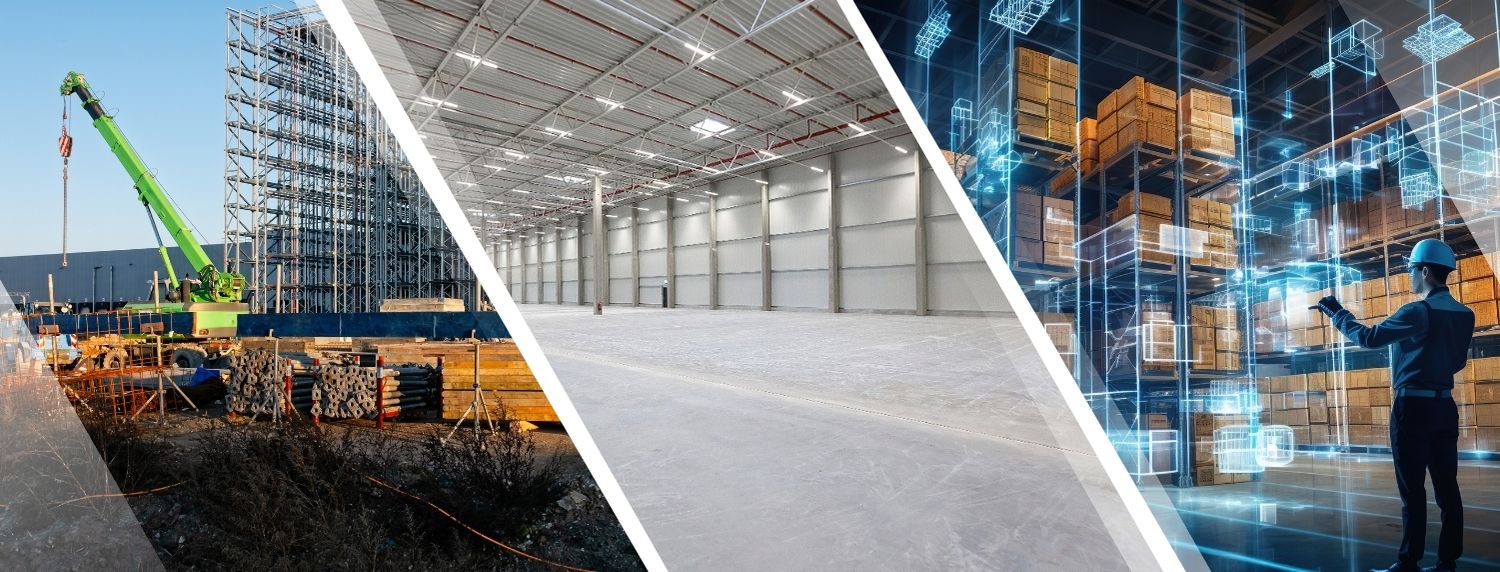
Object no.: 10196
Warehousing (warehouse with management)
Germany
85737 Ismaning
Price on request
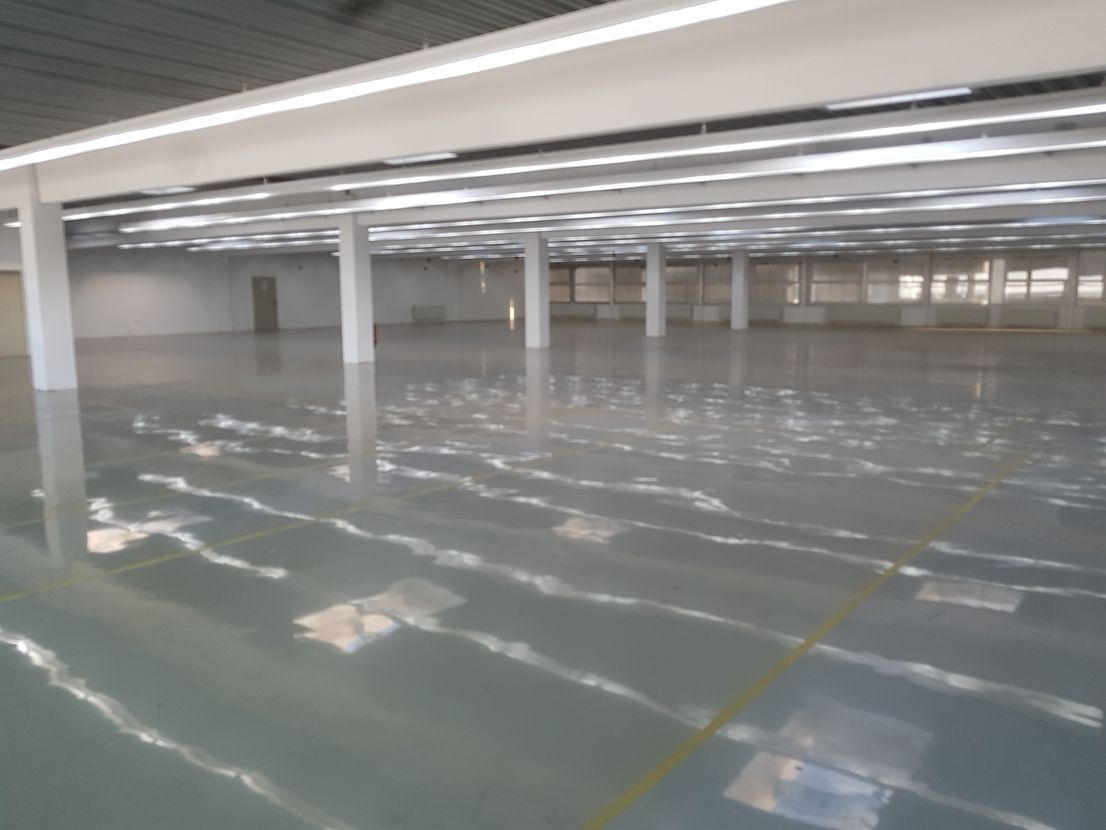
Object no.: 10194
Warehousing (warehouse with management)
Germany
31582 Nienburg/Weser
Price on request
Object no.: 10192
Warehousing (warehouse with management)
Germany
97337 Dettelbach
Price on request
Object no.: 10190
Warehousing (warehouse with management)
Germany
72108 Rottenburg (Neckar)
Price on request
Object no.: 10177
Warehousing (warehouse with management)
Germany
50259 Pulheim
Price on request
Object no.: 10171
Warehousing (warehouse with management)
Germany
52249 Eschweiler
Price on request
Object no.: 10170
Warehousing (warehouse with management)
Germany
52382 Niederzier
Price on request

Object no.: 10166
Warehousing (warehouse with management)
Germany
90471 Nürnberg
Price on request
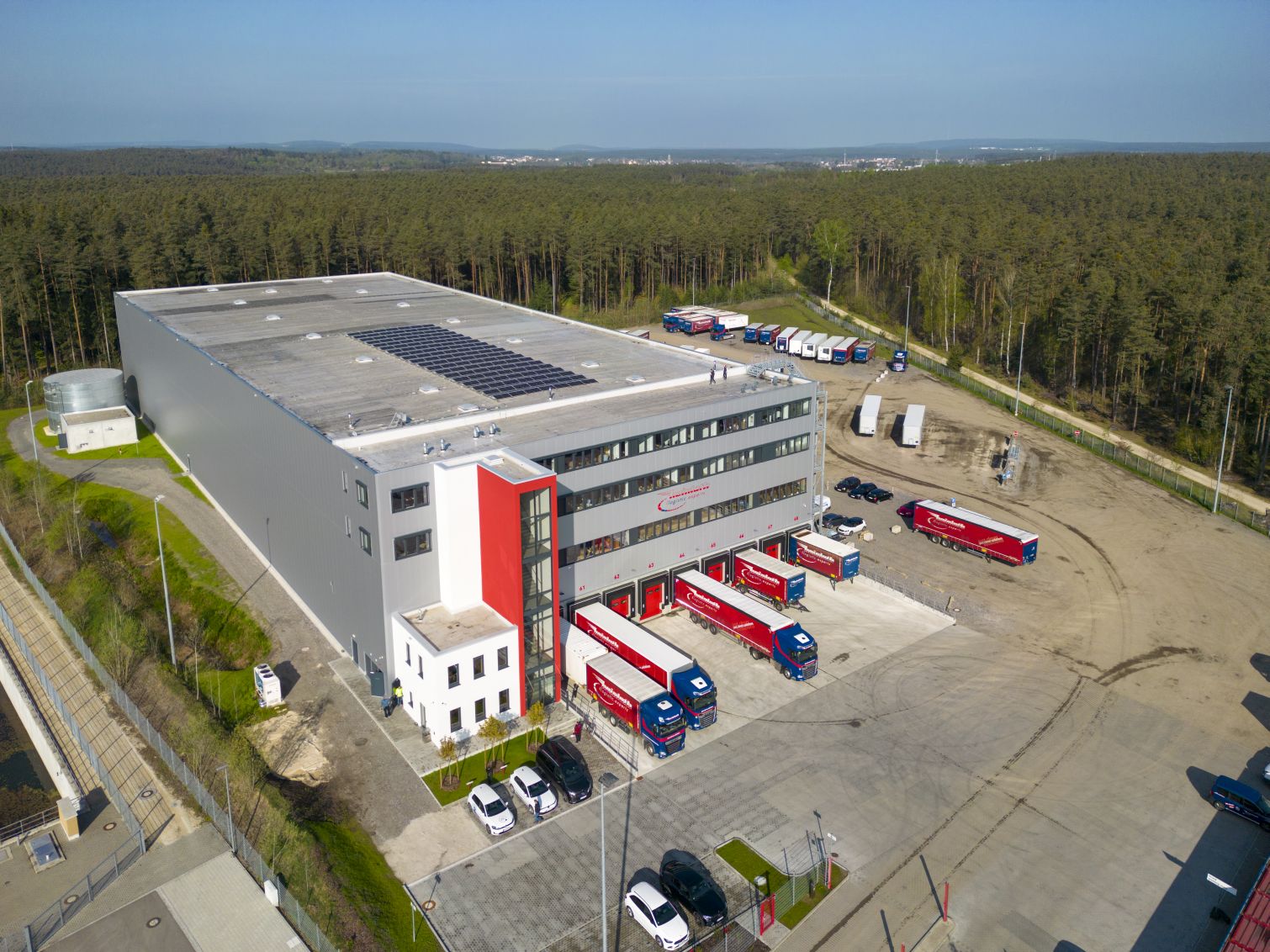
Object no.: 10163
Warehousing (warehouse with management)
Germany
91154 Roth
Price on request
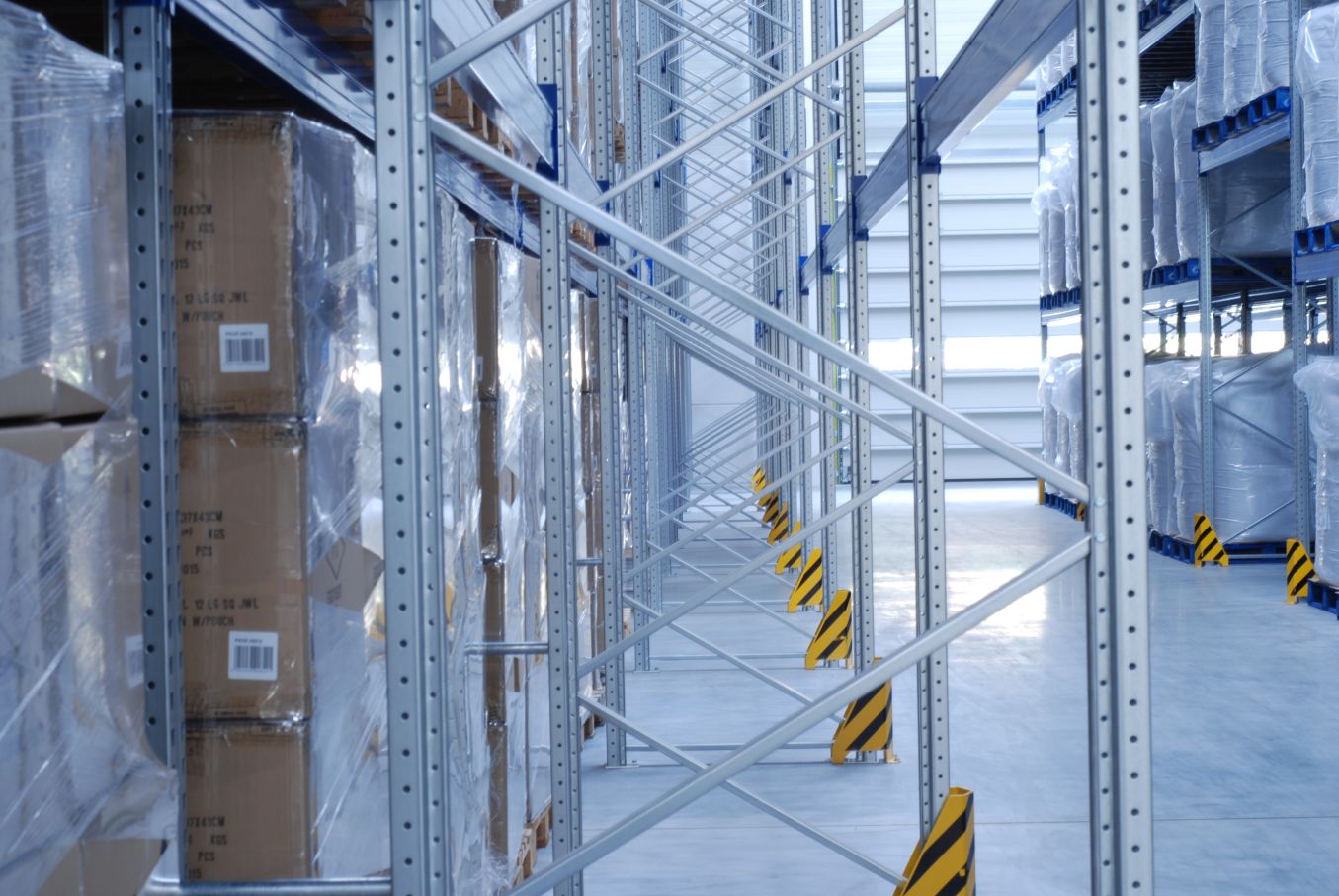
Object no.: 10153
Warehousing (warehouse with management)
Germany
84437 Reichertsheim
Price on request
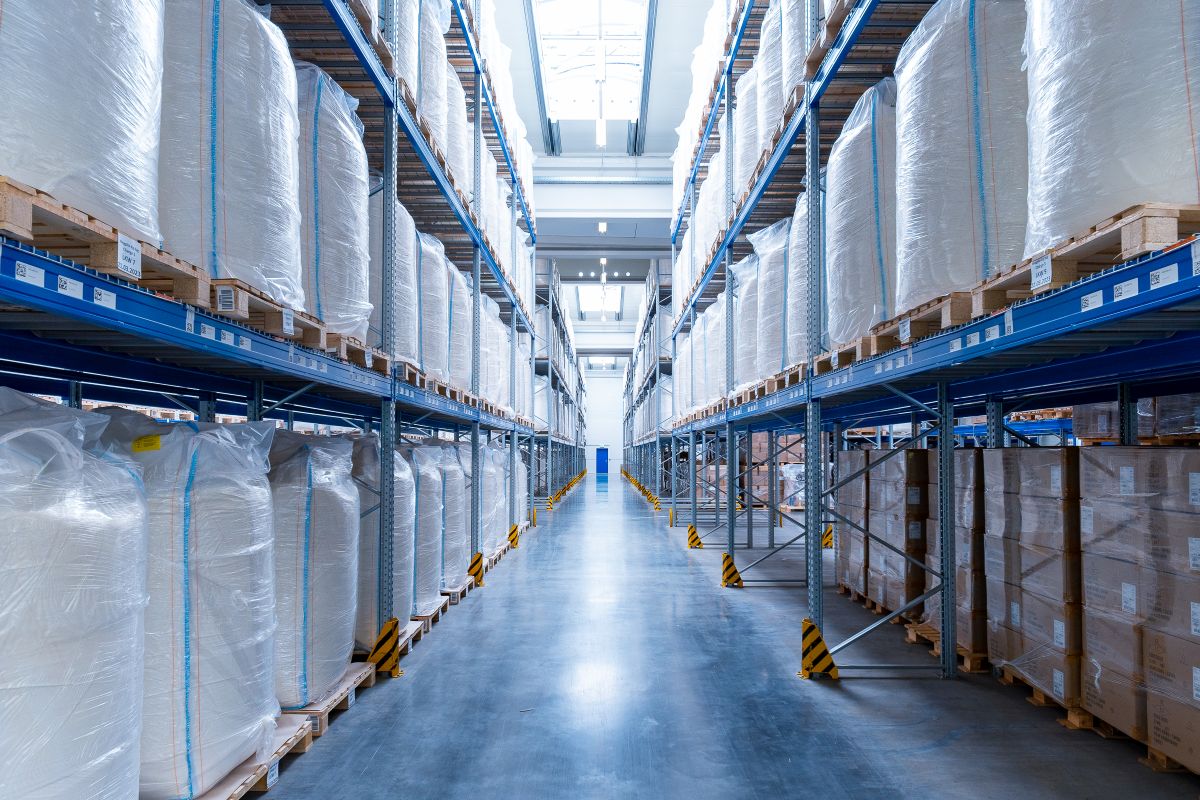
Object no.: 10152
Warehousing (warehouse with management)
Germany
84544 Aschau am Inn
Price on request
» What is e-commerce logistics? Definition, challenges and trends in the supply chain
» eCommerce logistics experts in greater demand than ever before
» Man and machine in harmony for eCommerce logistics
» Average rental prices for fulfillment warehouses
» Locations and criteria for eCommerce logistics
» Tabular comparison of the different storage options
» Find suitable e-commerce warehouses and fulfillment service providers on LAGERflaeche.de
» FAQ: E-Commerce Logistics & Fulfillment: The Most Important Questions and Answers
Along with e-procurement, electronic business and supply chain management, e-commerce logistics is an important part of e-logistics. In general, e-commerce refers to electronically processed business processes and all transactions that take place electronically. All parties involved communicate via networks or the Internet. There is no physical exchange or contact. An exemplary business process is the sale of goods via online shops.
eCommerce logistics is playing an increasing role due to the fact that the eCommerce industry has been growing in the double-digit range for several years. In 2015 alone, 1.3 billion packages for the eCommerce sector were on the roads in Germany. And the trend is rising. For customers, in addition to uncomplicated and shipping-cost-free returns processing, punctual delivery, shipment tracking and notification are priorities when goods are shipped. Companies that attract negative attention with long delivery times, charge too much postage or offer only limited delivery options now have a bad hand in the market.
The challenges for customer-oriented logistics associated with e-commerce are enormous. The acceleration of logistical processes and the guarantee of short delivery times seem to be crucial at the moment. Adherence to delivery dates is at the top of the agenda. The form of the courier express parcel service "Same Day Delivery" is still a dream of the future in many places because only very few customers are willing to pay extra for it. But sooner or later this too will become the standard.
Successful e-commerce is hardly feasible without perfectly functioning logistics. While on the one hand customer satisfaction is the focus, on the other hand delivery solutions must be economical. eCommerce logistics specialists have made it their business to provide their eCommerce customers (for example food or textile wholesalers) with individual solutions for their specific requirements. Automated packaging including the latest conveyor technologies as well as robots symbolise the revolution in eCommerce logistics and point the way towards Logistics 4.0.
Special warehouse systems for eCommerce customers require digital strategies at the highest level. From automated returns solutions for online goods orders to mobile shelving and picking systems characterised by robots, the offer of competent eCommerce logistics specialists for the demanding online business ranges. Modular solutions are also elementary in order to be prepared for seasonal operations and capacity expansion. After all, the constant growth of online trade is to be expected. An adaptable logistics service is indispensable here.

High-quality control software is just as important for implementing customer requirements as interfaces and the connected warehouse management system. In logistics halls, distribution centres and storage areas for eCommerce logistics, people are employed alongside automation systems to perform all tasks that cannot be ensured by robots. Electronic and digital helpers significantly facilitate the work of order pickers, among others, which can speed up the entire eCommerce process, from the receipt of the order to the cost-saving return. The art is to perfectly combine human know-how with technology.
Some logistics companies not only take care of the day-to-day logistics business for their customers, but also support them in the implementation of online shops, product photography, returns management, billing channels and eCommerce consulting. With solutions tailored to eCommerce, businesses can raise their efficiency to a new level and, thanks to innovative technology, are able to increase customer satisfaction and secure their business future. Recommendable eCommerce logistics providers develop the necessary edge for an advantageous market position thanks to flexibility, scalability, experience and innovation.
Property Type / Equipment | Ø basic rent (per m² / month) | Special features for e-commerce & fulfillment |
New construction / Prime logistics hall | €6.50 – €8.50 | ESG-compliant, mezzanine levels for picking processes, extremely flat floors for automation |
Existing building / Older commercial hall | €4.50 – €6.00 | Attractive price-performance ratio for regional buffer warehouses or replenishment centres |
Transshipment warehouse / cross docking | €7.00 – €9.00 | Many truck gates (guideline: 1 door per 1,000 m²), ideal for fast feed-in to CEP networks |
Fulfillment & Contract Logistics | Pay-per-Pick / Pay-per-Parcel | Flexible OPEX models including value-added services (kitting, inserts) and returns management |
(Note: Rental prices are indicative and vary depending on the specific micro-location, highway access, and degree of automation of the logistics property.)
In addition to logistics locations built specifically for eCommerce logistics, existing shipping or order-picking warehouses are increasingly being converted to make the areas fit for eCommerce processes. Ideally, the locations have optimal transport connections in order to master the time challenges of eCommerce. Depending on the industry, special criteria are decisive with regard to the eCommerce logistics provider selection.
Industry-specific and practical services that integrate optimal technologies and business processes are a must in order to maximise the productivity of eCommerce operations. For example, if the business is selling sensitive food products online to consumers, the service provider must meet high hygiene standards to be considered as a logistics partner. Instead, for a client in the fashion world, an eCommerce logistics provider must be able to react flexibly to spontaneous collection changes because the industry is extremely fast-moving.
Storage facility | Suitable for | Advantages in e-commerce fulfillment |
Shelf storage / mezzanine | Small parts, high variety of SKUs, apparel | Direct, ergonomic access to individual items, extremely high pick rates, optimal use of space vertically |
Replenishment, buffer storage, sorted pallets | Maximum capacity in the smallest of spaces, excellent overview thanks to WMS control | |
Automated Small Parts Warehouse (AS/RS) / AutoStore | Highly dynamic product ranges, micro-fulfillment | Maximum space density, drastic reduction of walking distances for staff due to the goods-to-person principle |
Hanging goods warehouse | Fashion fulfillment, wrinkle-sensitive fashion | Complete avoidance of wrinkling due to special conveyor systems, direct shipment to the end customer |
Avoid inefficient returns processes and unsuitable storage areas by choosing the exact right commercial property for your online assortment. As a specialized B2B platform, LAGERflaeche.de connects you directly with established real estate developers and certified contract logistics companies. Based on the offers available on a daily basis, you can analyze strategic warehouse locations specifically according to the success-critical GEO factor (such as proximity to CEP hubs), compare technical equipment features for e-commerce fulfillment and secure exactly the scalable warehouse solution that accelerates your supply chain and drives your business forward. For further details and deeper insights into space evaluation, you can also refer to the warehouse space file.
Request fulfillment service providers
Rental prices vary greatly depending on technical equipment, energy efficiency and geographical micro-location. Simple existing buildings often start at 4.50 to 5.50 euros per square meter. For modern, heatable logistics properties with a high ceiling load and many loading gates, users have to calculate between 6.00 and 8.50 euros per square meter on average. In absolute top metropolises (such as Munich or Frankfurt), rents for prime properties also reach 10.00 to over 11.00 euros per square meter.
The direct geographical connection to central motorway junctions and regional CEP parcel hubs (courier, express, parcel) ensures the urgently needed late cut-off times for reliable next-day delivery. Every kilometre away from key transport hubs measurably increases total landed costs and causes inefficiencies in costly last-mile delivery.
The extremely high throughput of small parts in e-commerce often requires the installation of mezzanine areas (mezzanine floors) in order to economically maximize the usable space for vertical shelving. Another critical factor is the number of dock levelers: The industry standard here is at least one dock leveler per 1,000 square meters of warehouse space in order to prevent congestion in highly frequented incoming and outgoing goods (e.g. in cross-docking processes).
Outsourcing to a contract logistics provider (3PL) as part of a multi-user warehouse is particularly advantageous if companies want to cushion strongly fluctuating seasonal events (peak seasons such as Black Friday) without wanting to tie up capital in their own hall construction in the long term. Through transaction-based billing models such as "pay-per-pick" or "pay-per-parcel", retailers convert their rigid real estate fixed costs (CAPEX) into easily calculable, variable operating expenses (OPEX).
Modern contract logistics companies offer much more than just the storage of pallets. The decisive value-added services directly at the warehouse location include paperless picking (pick & pack), item-specific pre-assembly, labeling, brand-specific kitting (set formation) and highly professional returns management (reverse logistics), in which returned goods are immediately processed and fed back into the local inventory.
A bonded warehouse is an officially approved, specially secured logistics property that functions as an open customs warehouse. In these halls, goods from third countries (non-EU) can be stored duty-free and import VAT-free. The duties are only due at the moment when the item physically leaves the warehouse to be delivered to the end consumer, which protects the liquidity of internationally operating merchants enormously.
West
Rent a production hall in Frankfurt
Warehouse in Cologne
Industrial warehouse in Saarbrücken
South
Find Logistics Space in Munich
Storage Space in Nuremberg
Logistics Hall in Stuttgart
Rent Warehouse in Freiburg
Rent Warehouse Space in Italy
Logistics Hall in Austria
Storage Space in the Netherlands
Warehouses in France
Search Storage Space in Poland
Renting halls in Switzerland
Find logistics premises in Belgium
Storage in Bulgaria
Renting warehouses in the UK
Search for warehouse properties in Croatia
Logistics warehouses in Romania
Logistics centres in Russia
Search for warehouse locations in Slovenia
Rent warehouse space in Slovakia
Logistics property in Spain
Find storage space in Hungary
Rent a warehouse in the Czech Republic
Storage facility in Denmark