Warehouse Types

Rent Shelf Warehouses: Highly Efficient Small Parts Storage for your B2B success

Are you looking for a flexible shelving system for e-commerce, spare parts logistics or secure file storage? LAGERflaeche.de connects shipping companies, dealers and industrial companies directly with certified logistics service providers and landlords of future-oriented commercial properties. Compare modular open spaces as well as managed rack warehouses, ensure maximum flexibility for fluctuating assortments and request tailor-made property details today.

Find Shelf warehouses

Shelf warehouse, Shelf storage
Offers on LAGERflaeche.de

Compare Available Shelving and Small Parts Storage Areas

Whether it's individual shelf meters in a multi-user warehouse center, high-density multi-story systems with mezzanines or fully managed fulfilment solutions including a warehouse management system (WMS) – discover current locations in your desired region. Filter offers by location, ceiling height, technical features and customer-specific value-added services (VAS).

Discover Shelf storage

31 Warehouses

What is a Shelf Warehouse? Definition and Functionality in Modern Warehousing

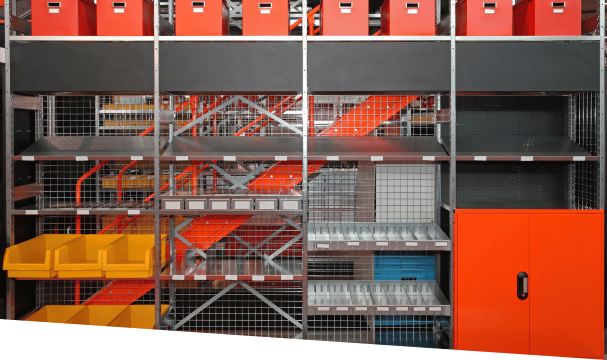
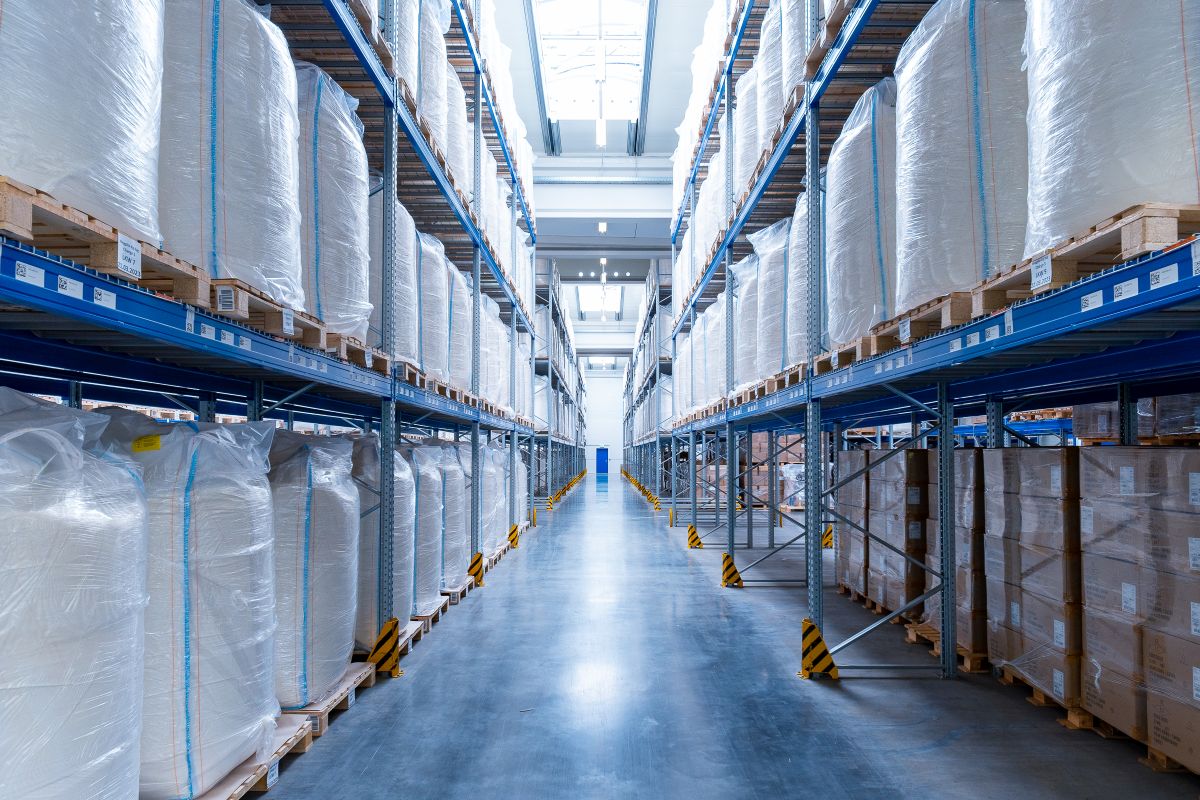
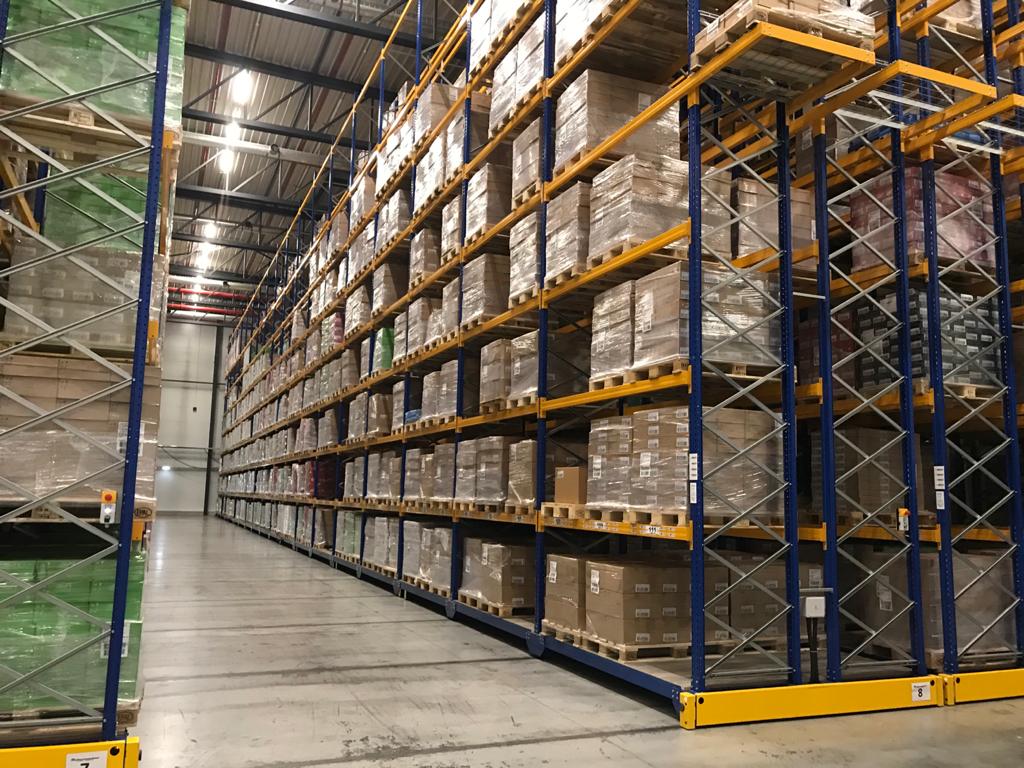
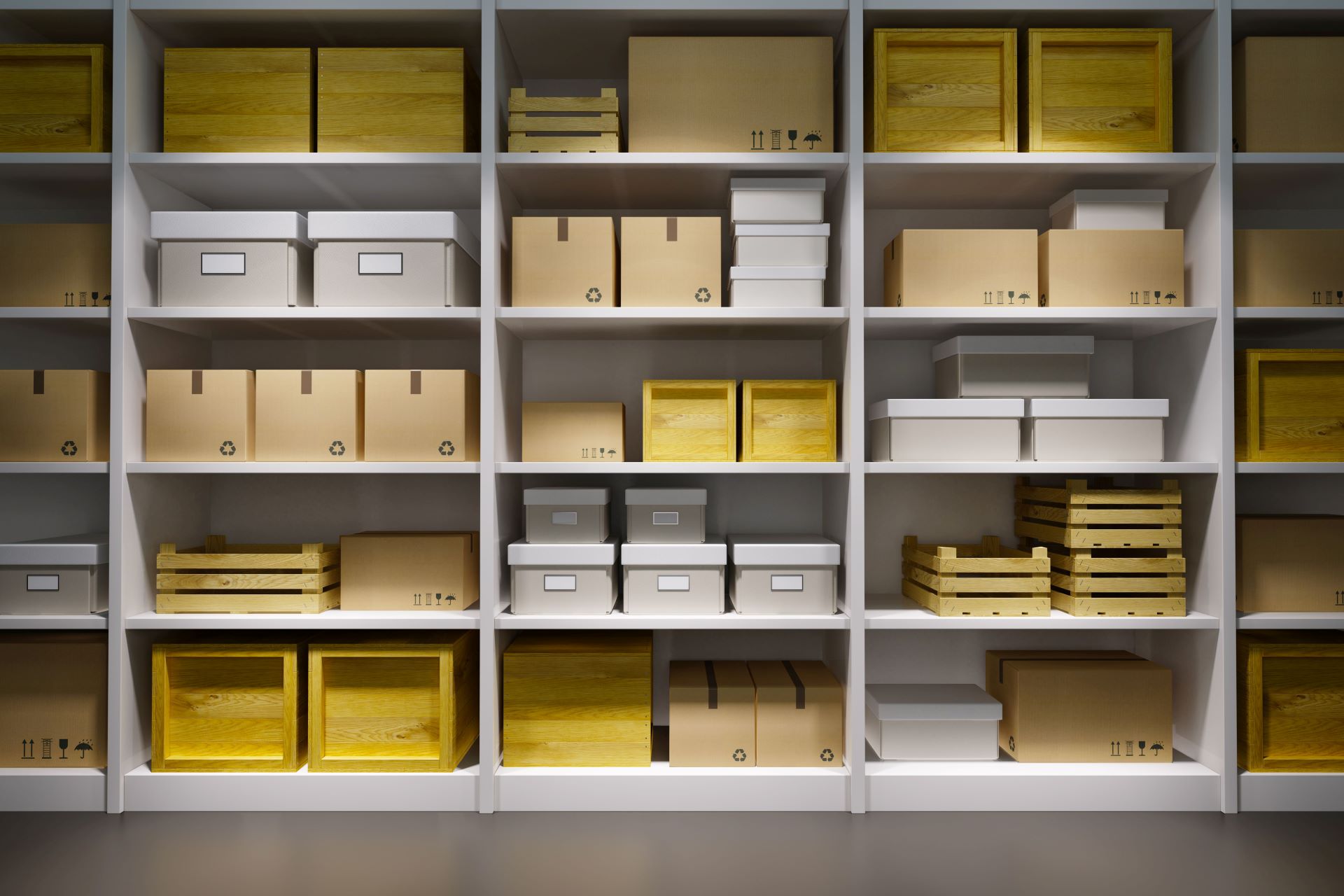
A shelving system is a highly flexible form of rack storage that is specially designed for the storage and manual or semi-automatic picking of unpalletized goods, small parts, cardboard boxes and containers (e.g. small load open-fronted storage bins). In contrast to pure pallet or high-bay warehouses, the focus of the shelving system is on direct, ergonomic access by personnel to the individual article.

The construction is based on vertical uprights and horizontally inlaid shelves made of steel, wood or grating. This modular principle allows the compartment height to be dynamically adapted to changing container sizes. Shelving systems form the backbone of modern e-commerce hubs, spare parts warehouses and distribution centers, where high pick rates and error-free allocation at the item level (SKU) are decisive for purchases.

Which Shelving Systems and Designs Characterize the Shelf Warehouse?

The architecture of a shelf warehouse largely determines the use of space and throughput times in intralogistics. Basically, a distinction is made between different system variants:

  • Plug-in systems: Enable fast, tool-free assembly as well as flexible adjustment of the shelves in grid dimensions. They are ideal for dynamic ranges with frequently changing dimensions.
  • Bolting systems: Offer extremely high frame rigidity and high bay loads for permanently heavy stored goods, but require more assembly effort for adjustments.
  • Multi-tier / mezzanine: In order to make optimal use of the ceiling height of modern industrial properties (often 8 to 12 meters), shelving is built into multi-story walk-in floors. Intermediate floors made of steel mesh or wood-based materials create additional working levels that are connected via stairs, elevators or conveyor technology. This increases the utilization of the building volume by up to three times without the need to seal additional land area.
  • Flow racks (carton flow): Here, containers on inclined roller strips automatically roll from the loading side to the removal side (FIFO principle). This equalizes the paths for picking and replenishment.

Technical Key Figures and Operational Requirements for the Warehouse Space

In order for a shelving warehouse to operate smoothly, the chosen storage location must meet specific infrastructural requirements:

  1. Load capacity and point loads: While the shelf load (load of a single floor) is usually between 100 kg and 350 kg, the bay loads in multi-story systems quickly accumulate to several tons per rack support. The industrial floor of the warehouse must therefore have appropriate point loads and be absolutely flat.
  2. Fire protection and safety: Due to the high density of flammable materials (cardboard, plastic containers, textiles), adequate fire protection equipment is absolutely necessary. In multi-story systems, sprinkler heads often have to be mounted not only on the hall ceiling, but directly in the intermediate levels of the shelves (shelf sprinklers).
  3. Lighting and ergonomics: Since the shelving system is predominantly used manually, glare-free LED light strips are required by law in the aisles (at least 200–300 lux) to prevent fatigue and maximize picking accuracy.
  4. Safety tests: In accordance with DIN EN 15635 and the regulations of the employers' liability insurance associations (DGUV Rule 108-007), shelving systems must be regularly checked for damage and stability by certified rack inspectors.

Technical Key Figures and Operational Requirements for the Warehouse Space

In order for a shelving warehouse to operate smoothly, the chosen storage location must meet specific infrastructural requirements:

  1. Load capacity and point loads: While the shelf load (load of a single floor) is usually between 100 kg and 350 kg, the bay loads in multi-story systems quickly accumulate to several tons per rack support. The industrial floor of the warehouse must therefore have appropriate point loads and be absolutely flat.
  2. Fire protection and safety: Due to the high density of flammable materials (cardboard, plastic containers, textiles), adequate fire protection equipment is absolutely necessary. In multi-story systems, sprinkler heads often have to be mounted not only on the hall ceiling, but directly in the intermediate levels of the shelves (shelf sprinklers).
  3. Lighting and ergonomics: Since the shelving system is predominantly used manually, glare-free LED light strips are required by law in the aisles (at least 200–300 lux) to prevent fatigue and maximize picking accuracy.
  4. Safety tests: In accordance with DIN EN 15635 and the regulations of the employers' liability insurance associations (DGUV Rule 108-007), shelving systems must be regularly checked for damage and stability by certified rack inspectors.

Ready to scale your small parts logistics?

Whether you are looking for free space for your own shelving system, need short-term capacity for seasonal business or want to integrate a specialized fulfillment partner for your supply chain – LAGERflaeche.de will bring you directly together with the right providers. Compare verified offers throughout Germany, request non-binding exposés and optimize your logistics structures sustainably.

Rent Shelf warehouses

Typical Applications and Industry Solutions

Due to its high adaptability, the shelving storage covers a wide range of economic fields of application:

  • E-commerce & online retail: Quick access to thousands of small parts, clothing, cosmetics or electronic components for multi-item picking.
  • Automotive & mechanical engineering: Safe and clear stockpiling of spare parts, standard parts, tools and production components.
  • Pharmaceutical logistics & healthcare: Storage of pharmaceuticals and medical devices in compliance with strict GDP guidelines and batch traceability.
  • File and archive storage: Storage of folders and documents in compliance with statutory retention periods (e.g. 8 to 10 years according to HGB/AO) as well as strict data protection requirements according to GDPR.

Digitization and Process Optimization in the Shelving Sector

A modern shelving system only unfolds its full performance through interaction with intelligent software systems. The connection to a warehouse management system (WMS) controls the route-optimized paperless picking via MDE devices (mobile data capture), pick-by-light or voice picking.

Barcodes or RFID tags at each shelf storage location guarantee real-time inventory management with inventory accuracies of over 99.9%. In addition, autonomous mobile robots (AMR) are increasingly being used to relieve order pickers of the distances they have travelled ("person-to-goods" or "goods-to-person" concepts).

Outsourcing and Contract Logistics: In-house Operation vs. Fulfillment Partner

Companies are faced with the decision of whether to rent and set up their own shelving warehouse (CAPEX-intensive through the purchase of racks and IT) or to outsource space and personnel resources to an experienced contract logistics specialist (OPEX-based).

With outsourcing, shippers benefit from flexible billing models such as pay-per-shelf (rent per shelf) or pay-per-pick (transaction-based billing). In addition to pure storage, service providers provide comprehensive value-added services (VAS) such as pre-assembly, labeling, kitting, quality checks and professional returns management. LAGERflaeche.de helps you to find exactly those service providers who have free capacities in suitably equipped storage centers.

Frequently Asked Questions (FAQ) about the Shelf Storage

A shelving system is ideal for small-scale, unpalletized goods, cartons, containers, spare parts, tools, textiles and documents. It provides direct access to each individual item and is perfectly designed for manual picking processes.

Shelving units have closed shelves (steel, wood, grids) for the direct storage of individual goods and are usually operated manually. Pallet racks consist only of trusses to accommodate standardized loading aids (such as Euro pallets) and require the use of industrial trucks (e.g. forklift trucks).

When renting open spaces, the costs are made up of the price per square meter of the commercial property and the investments for the shelves. When outsourcing to a logistics service provider, the prices are usually calculated on a modular basis according to the shelves occupied (e.g. monthly shelf price) plus handling and picking fees per transaction.

By building multi-story shelving systems (mezzanine), the vertical ceiling height of the warehouse property can be fully utilized. In addition, adjustable shelves, dividers and open-fronted storage bins significantly increase the storage density within the individual shelf compartments.

Yes, shelving warehouses can be operated as highly secure archive warehouses thanks to closed rack areas, access control systems, alarm systems and certified destruction processes that comply with the strict requirements of the GDPR and the legal retention periods.

These might also interest you

Block storage, Dangerous goods warehouse, Warehouse space, High-bay warehouse
Logistics Sectors, Food Logistics, Retail Logistics, eCommerce Logistics, Chemical Logistics
Storage locations, logistics centre, warehouse locations, storage