


The Certificate Compass for Logistics: Why Quality Is More Than Just a Stamp
Table of Contents
- The basis for everything: Quality management according to DIN EN ISO 9001
- The specialists: Management systems for environment, energy, safety & health
- Industry champions: When special goods require special rules
- State-authorized: When customs and the law have a say
- The Path to Certification: A Practical 5-Step Plan
- Global, but not equal: International differences in standards
- Case study from practice: Freight forwarder Müller conquers the pharmaceutical market
- Conclusion: Certificates are not an end in themselves, but strategic tools
In the globalized world of logistics, trust is the hardest currency. But how do you prove your reliability, security and quality as a service provider? How do you stand out from the competition and signal to customers: "You can rely on us"? The answer lies in an often underestimated but crucial tool: certificates and DIN standards.
But the jungle of abbreviations such as ISO 9001, TAPA, AEO or IFS can seem overwhelming. Which certificate is really relevant for my company? How much does the process cost and what does it bring me at the end of the day? This article is your comprehensive guide. We dive deep into the world of logistics certifications, explain the most important standards in a practical way and show you how you can use them for your company's success.
The basis for everything: Quality management according to DIN EN ISO 9001
Question: If I could only aim for one certificate, what should it be?
The clear answer for almost every logistics company is: DIN EN ISO 9001. This standard is the foundation of quality management (QM) and by far the best-known and most widely used standard worldwide. According to the official ISO Survey, there were over 1.3 million valid ISO 9001 certificates worldwide in 2023 alone.
- What does it mean? At its core, ISO 9001 is not about what you do, but how you do it. It does not certify a product, but your processes. The aim is to ensure consistently high quality for the customer through clearly defined, documented and continuously improved processes. Topics such as customer orientation, leadership, process orientation and risk-based thinking are the focus.
- Practical utility: A functioning QM system in accordance with ISO 9001 reduces error rates, increases efficiency and increases customer satisfaction. For many tenders, especially in the B2B sector, it is a basic requirement today. It is the ticket to professional supply chains.
The specialists: Management systems for environment, energy, safety & health
On the basis of ISO 9001, further, specialized management system standards are building that are of growing importance for logistics companies:
- DIN EN ISO 14001 (Environmental Management): A must in times of ESG (Environmental, Social, Governance) and increasing environmental awareness. This standard helps you to systematically record, control and reduce your environmental impact (e.g. CO2 emissions, waste, energy consumption). This not only saves costs, but is also a strong selling point.
- DIN EN ISO 50001 (Energy Management): A deepening of ISO 14001 with a focus on energy. In view of exploding energy prices, an energy management system often pays for itself quickly. It helps to make energy flows transparent and to identify potential savings in fleet, warehouse lighting or building services. In Germany, companies in the manufacturing industry can also receive parts of the electricity and energy tax back.
- DIN EN ISO 45001 (occupational health and safety management): It replaces the old OHSAS 18001 standard. This is about the systematic reduction of occupational accidents and illnesses. In logistics with its physical risks (forklift traffic, lifting loads), this is essential in order to minimise downtime and be an attractive employer.
- DIN ISO 28000 (Supply Chain Security Management): This standard focuses on securing the entire supply chain against risks such as theft, terrorism, piracy and sabotage. It is particularly relevant for companies operating in sensitive or high-risk areas.
Industry champions: When special goods require special rules
While ISO standards are universal, certain industries require highly specialized evidence. If you want to play here, you can't get past these certificates.
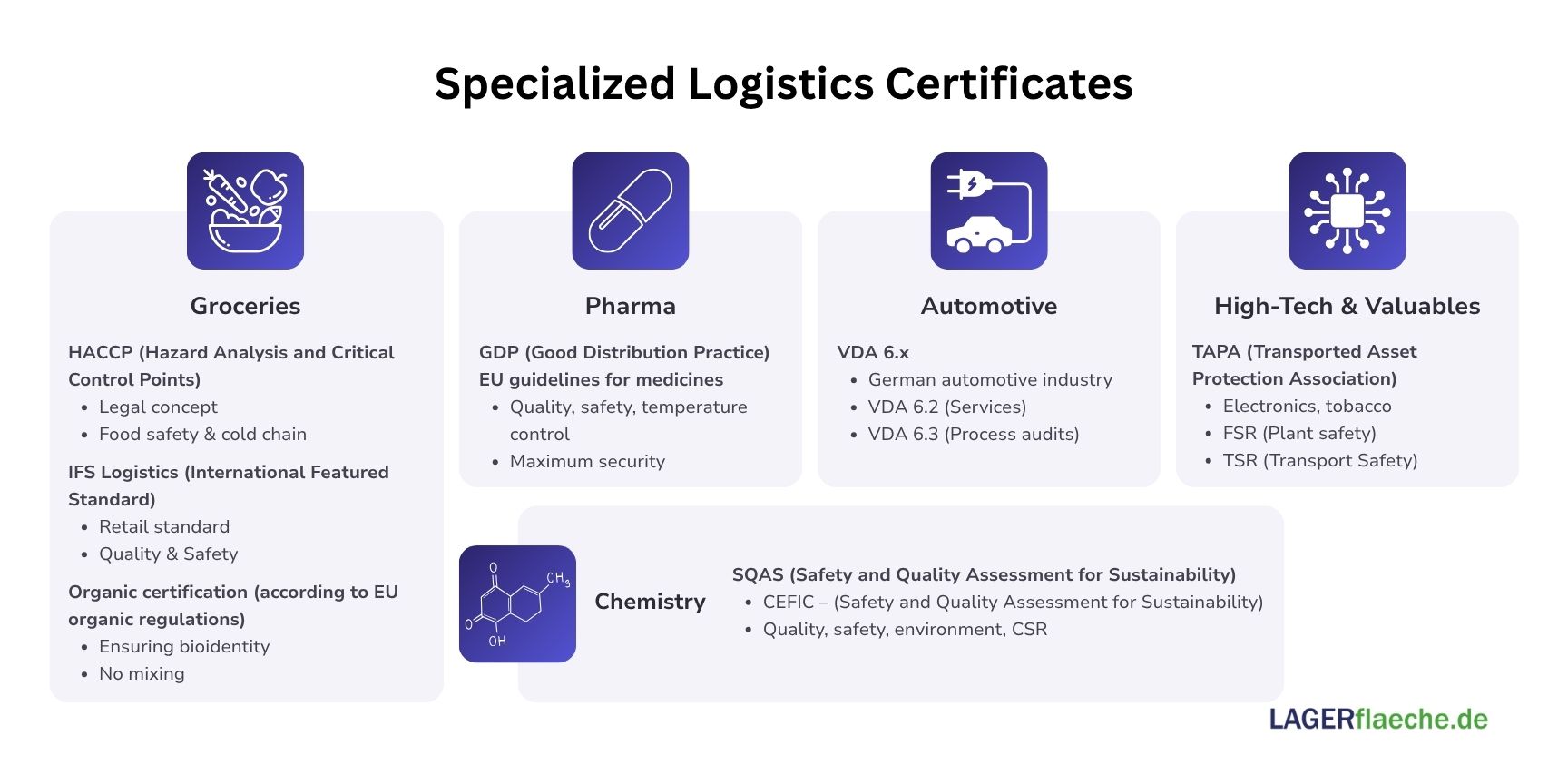
Food (HACCP, IFS, ORGANIC)
- HACCP (Hazard Analysis and Critical Control Points): Not a certificate, but a legally anchored concept to ensure food safety. It identifies critical points in the process (e.g. cold chain) and defines monitoring measures. It is the absolute basic requirement.
- IFS Logistics (International Featured Standard): Goes far beyond HACCP and is the standard of retail. Anyone who wants to transport or store for large supermarket chains must be IFS-certified. He checks the quality and safety of the entire logistics chain for food and non-food products.
- Organic certification (according to the EU Organic Regulation): Indispensable for all those who store, pick or transport organic products. It ensures that there is no mixing with conventional goods and that the organic identity remains completely traceable.
Pharma (GDP - Good Distribution Practice)
The "premier class" of logistics. GDP are EU guidelines that ensure that the quality and integrity of medicines are maintained throughout the entire distribution channel. Complete temperature control, documentation, trained personnel and the highest safety standards are mandatory here. GDP certification is the key to the highly lucrative pharmaceutical logistics market.
Chemie (SQAS - Safety and Quality Assessment for Sustainability)
An assessment system of the European Council of Chemistry (CEFIC), not a classic certificate. It audits logistics service providers on the basis of a standardized questionnaire on the topics of quality, safety, environment and CSR. Large chemical companies use the SQAS assessment to select and evaluate their service providers.
Automotive (VDA 6.x)
The German Association of the Automotive Industry (VDA) has its own extremely demanding quality standards based on ISO 9001. For logistics service providers, VDA 6.2 (Services) and process audits according to VDA 6.3 are particularly relevant. Without this evidence, it is almost impossible to gain a foothold in the German automotive industry as a Tier 1 or Tier 2 supplier.
High-Tech & Wertgüter (TAPA FSR/TSR)
The Transported Asset Protection Association (TAPA) is an association of manufacturers, logistics companies and insurers for the protection of high-value, theft-prone goods (e.g. electronics, tobacco).
- TAPA FSR (Facility Security Requirements): Certifies the security of sites (warehouses, transshipment points).
- TAPA TSR (Trucking Security Requirements): Certifies the safety of the means of transport and processes.
State-authorized: When customs and the law have a say
Some certificates are not voluntary freestyle programs, but have a quasi-official or legal character.
- AEO (Authorised Economic Operator): A status granted by the customs authorities. It is considered particularly reliable and safe.
- AEOC (Customs Simplifications): Leads to simplifications in customs procedures (e.g. fewer controls, faster clearance). An enormous competitive advantage in international trade.
- AEOS (Security and Safety): Confirms that security standards are met in the supply chain (similar to ISO 28000).
- BImSchG (Federal Immission Control Act): Not a certification, but a German legal basis. Certain storage facilities (e.g. for hazardous substances) require a permit in accordance with the BImSchG. This is a legal operating requirement and is accompanied by strict conditions.
The Path to Certification: A Practical 5-Step Plan
Question: How do I get such a certificate in concrete terms?
The process is similar for most standards and can be divided into five phases:
- Decision & Research: Clarify which certificate makes strategic sense. What do your ideal customers demand? What are your risks? Obtain offers from accredited certification bodies (e.g. TÜV, DEKRA, DQS).
- Gap analysis: An internal or external auditor examines your existing processes and compares them with the requirements of the standard. The result is a list of tasks that still need to be done.
- Implementation: This is the most intensive phase. Processes have to be adapted, documents (manuals, procedural instructions) have to be created and employees have to be trained. In the case of GDP, for example, this can mean the qualification of refrigerated vehicles, in the case of ISO 9001 the introduction of a complaints process.
- Internal audit & management review: Before the external auditor comes, simulate the audit internally. They check whether all requirements have been implemented. The management then evaluates the effectiveness of the system.
- Certification audit: The auditor from an accredited body comes to the company and puts the system through its paces. If small deviations are found, they must be corrected. If successful, the certificate is issued (usually valid for 3 years). Annual surveillance audits ensure that the system is lived.
Global, but not equal: International differences in standards
Question: Is my German ISO 9001 certificate also valid in the USA or China?
Yes, the biggest advantage of ISO standards is their worldwide recognition. In principle, an ISO 9001 certificate has the same significance everywhere. Nevertheless, there are cultural and legal differences in application and perception:
- Germany: Certificates are very important here and have a long tradition (DIN standards). They are seen as proof of technical perfection and process reliability. A certificate from the TÜV has a high reputation. The audit depth is often very detailed and formal.
- USA: While ISO standards are also widely used here, the driver is often different. This is very much about risk minimization and protection against lawsuits (liability). Standards such as C-TPAT (Customs-Trade Partnership Against Terrorism), the counterpart to the AEO, have a very high priority. The documentation often also serves as evidence in the event of a legal dispute.
- China: The government exerts a strong influence. In addition to the internationally recognized ISO standards, there is a comprehensive system of national "GB standards". Many products also require a CCC (China Compulsory Certification ). ISO certificates are often seen as a prerequisite for export and cooperation with international partners, but the implementation can vary in practice.
- Developing countries (e.g. in Africa or Southeast Asia): Here, the spread of certificates is often even lower. An ISO certificate can be a huge differentiator to qualify for working with international corporations. However, building the necessary structures can be more challenging due to a lack of infrastructure or know-how.
The reason for these differences lies in the respective legal culture, industrial history and political priorities. While in Germany the "engineering idea" of process optimization is in the foreground, in the USA it is legal protection and in China state control.
Case study from practice: Freight forwarder Müller conquers the pharmaceutical market
The medium-sized freight forwarder Müller from southern Germany has been successfully active in general cargo transport for years and is certified according to ISO 9001 and 14001. However, the managing director recognized the stagnating market and wanted to expand into the lucrative but demanding pharmaceutical sector.
- Challenge: A large pharmaceutical manufacturer in the region tendered temperature-controlled transports. A mandatory prerequisite: A verifiable GDP-compliant quality system.
- Process:
- Müller commissioned an external consultant for a gap analysis. The result: there was a lack of validated refrigerated vehicles, a seamless temperature monitoring system, specifically trained personnel and detailed procedural instructions for deviations.
- Investment: The company invested in two new refrigerated trailers with certified sensors and sent three employees, including the quality manager, to intensive GDP training.
- Implementation: The QM manual has been expanded to include a separate GDP chapter. Processes for cleaning, calibrating the sensors and for emergencies (e.g. failure of the cooling unit) were precisely described and trained.
- Result: After an intensive certification audit by an external body, Spedition Müller received the GDP certificate. It not only won the tender, but was also able to position itself as a specialist in pharmaceutical transport. The turnover per kilometre driven for these transports was 40% higher than in the classic general cargo business. The certificate was not a chore here, but the strategic door opener to a new business area.
Conclusion: Certificates are not an end in themselves, but strategic tools
The world of logistics certificates is complex, but not impenetrable. They are much more than just expensive documents for the wall. Used correctly, they are a powerful tool for process optimization, risk minimization and market differentiation.
Start with the foundation (ISO 9001) and build on what matters most to your customers and your strategic direction. Don't think of the audit process as an audit, but as free business consulting. Because at the end of the day, it's all about creating trust – and a certificate is the most objective way to document this trust.
Latest Blog Posts
Stay up to date with the newest trends, insights, and tips in warehouse and logistics. Our latest articles help you navigate the industry with confidence.

Data Centres vs. Logistics Facilities: The Race for Power and Land
Across Europe, logistics operators are competing for more than land and transport access. They increasingly need something much harder to secure: grid capacity. Data centres are intensifying that competition — and changing how logistics locations are evaluated....
Chinese companies discover Europe's logistics real estate
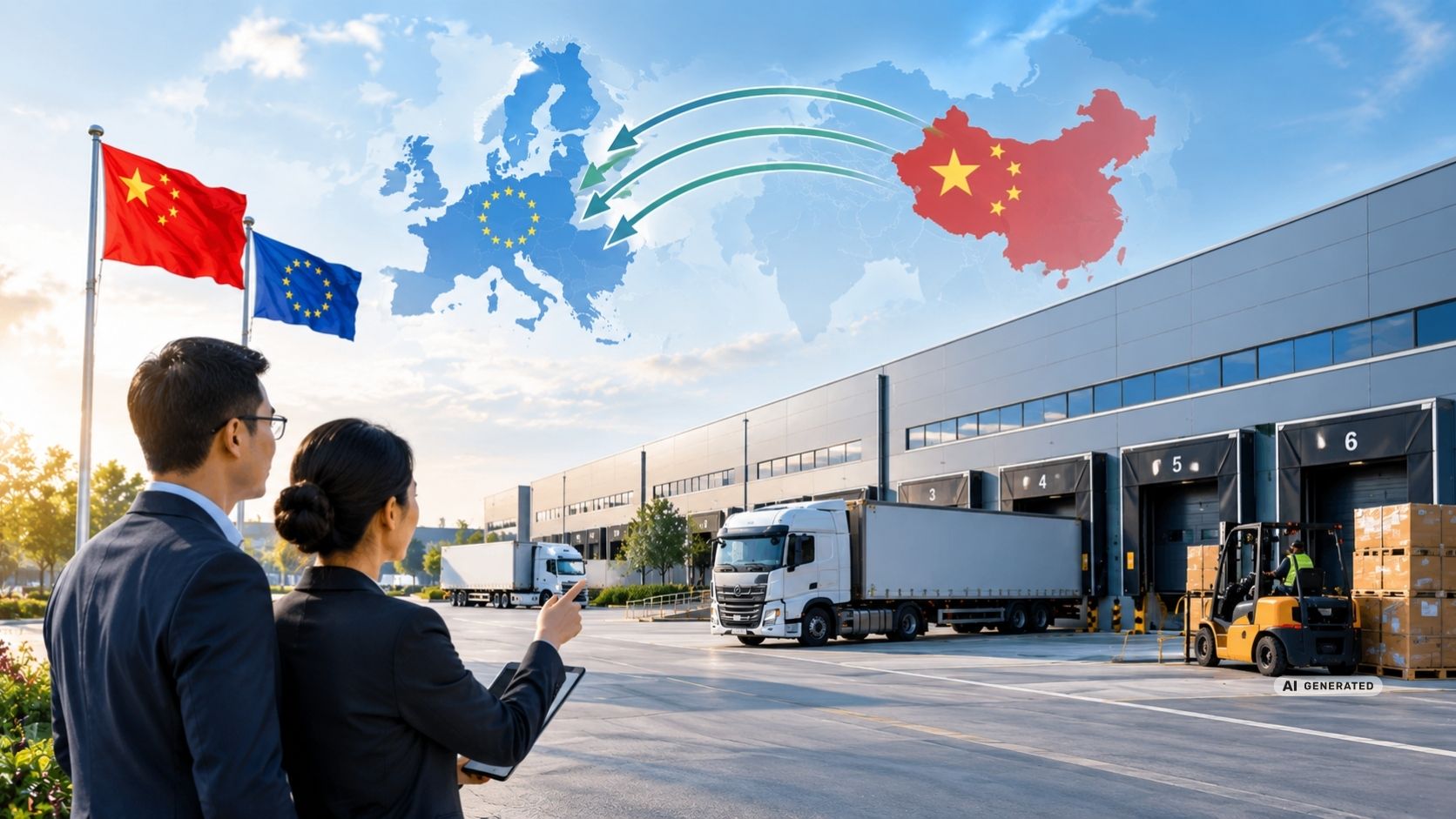
Chinese companies are becoming an increasingly visible user group in Europe's logistics real estate market. What does this mean for warehouse space, 3PL structures and the requirements for European logistics locations?...
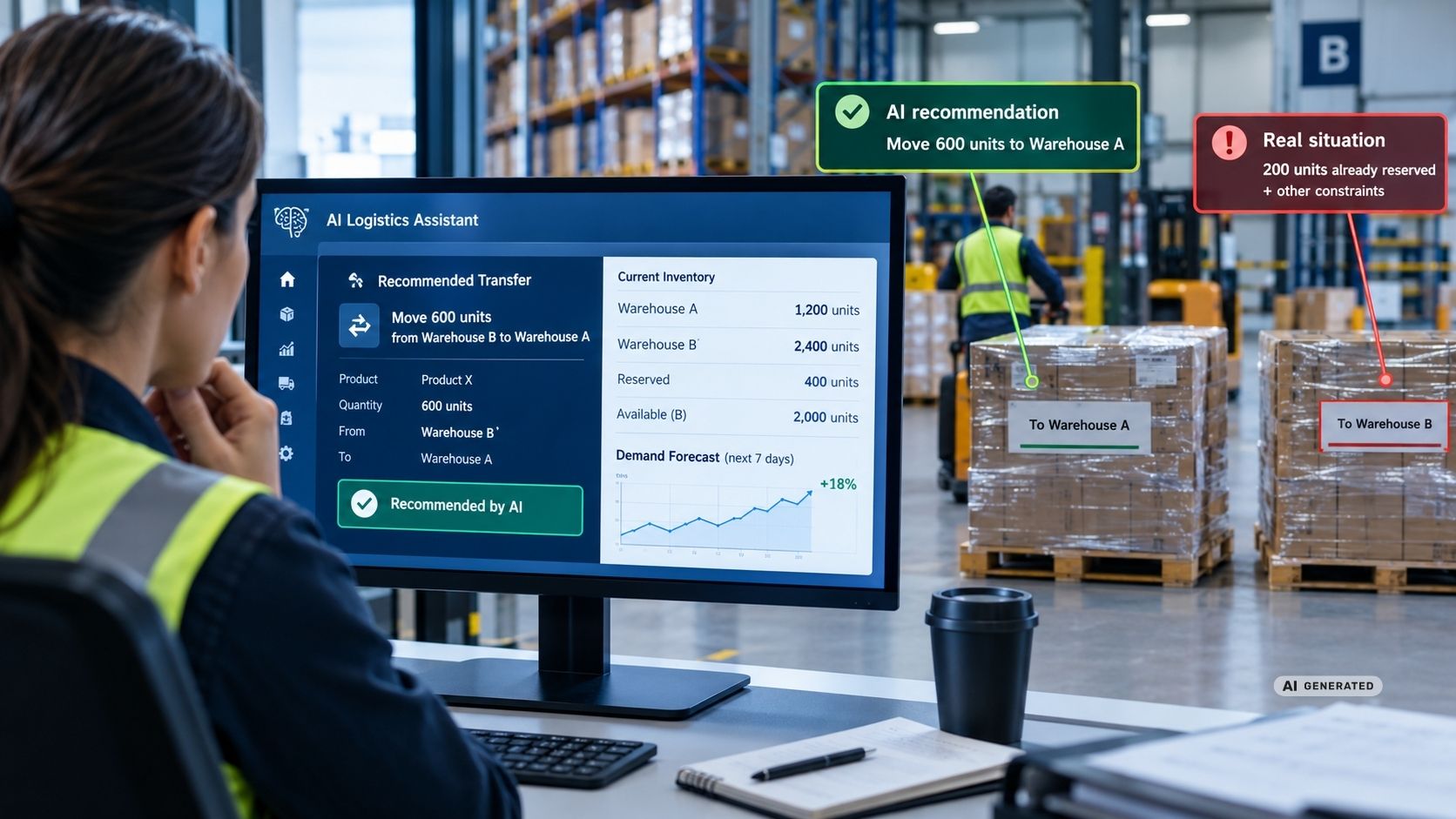
AI Hallucinations in Logistics: When AI Plans the Wrong Delivery
AI can analyze enormous amounts of logistics data — but it can also produce a convincing answer that is simply wrong. The critical question is not whether AI makes mistakes, but what happens when a wrong recommendation becomes an operational decision....
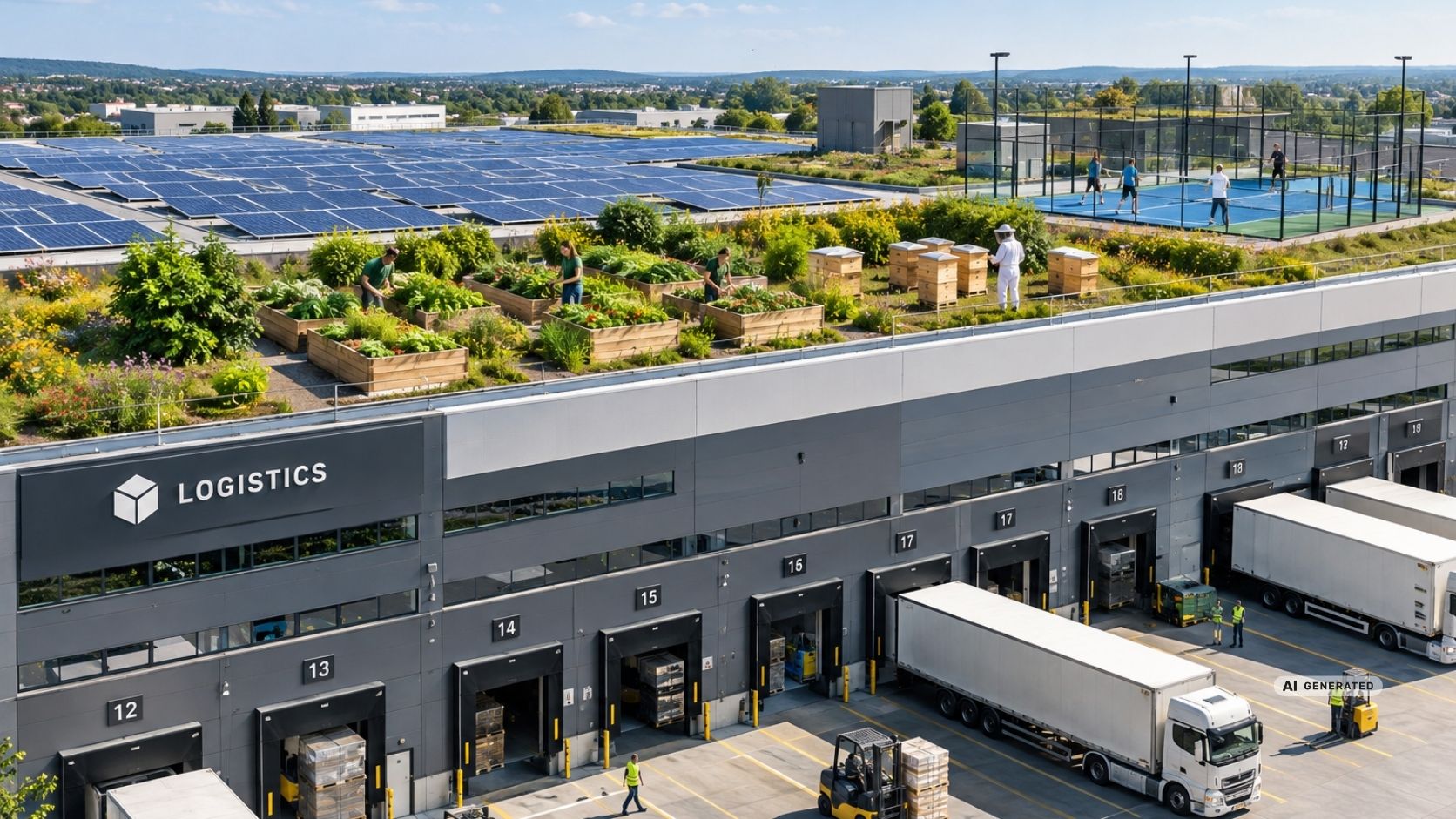
The Green Revolution on the Hall Roof: From Concrete Block to Ecological Power Plant?
Logistics roofs can do more than PV: greening, bees, urban farming and even sports areas turn unused roof space into multifunctional rooms....