


The Cost Trap in the Warehouse: How Exploding Operating Costs Threaten the Return on Logistics Real Estate
Table of Contents
- What are Operating Costs for Logistics Real Estate?
- The Cost Shock: Figures, Data and Facts of the Last Few Years
- Cost Driver Number 1: Repair and Insurance
- How do Rising Operating Costs Reduce Returns on Logistics Real Estate?
- The Sustainability Dilemma: Lots of Potential, Slow Implementation
- Case Study: How a Multi-user Warehouse Revolutionized its OPEX
- Which Hall Users Suffer Most from Rising Operating Costs?
- International Perspective: Germany in a Global Comparison
- Where is the Journey Going? Strategies to Reduce Operating Costs
- Frequently Asked Questions (FAQ) on Operating Costs in Logistics
- Conclusion: Acting Instead of Reacting
The times when net cold rent was the only decisive financial indicator when renting or managing a logistics property are finally over. In recent years, a "second rent" has manifested itself that is causing worry lines on the foreheads of portfolio holders, investors and tenants alike: operating costs. Driven by inflation, stricter ESG regulations and climate change, ongoing management costs are becoming a massive yield killer.
But where do we currently stand? Let's take a data-based look at the market, supported by the current "NEO Logistics Impact Report 2025/26" by BAUAKADEMIE, and analyze how logistics companies and investors must now position themselves for the future.
What are Operating Costs for Logistics Real Estate?
Operating costs (Operational Expenditures, OPEX for short) include all running costs that arise from the intended use of the logistics property and the associated property. In the practice of commercial real estate, a strict distinction is made between two types:
- Apportionable operating costs: These can be passed on directly to the tenant (e.g. the contract logistics provider) – usually via so-called "double net" or "triple net" rental agreements. These typically include heating and electricity costs, water, property tax, building insurance, waste collection and classic facility management (cleaning, winter service).
- Non-apportionable operating costs: These costs remain with the owner or portfolio holder. These include commercial property management, maintenance and repair costs for "roof and compartment" (i.e. the building substance) and the risk of vacancy.
The Cost Shock: Figures, Data and Facts of the Last Few Years
Are logistics inventory holders struggling with rising operating costs? The answer is a resounding yes. In its latest market report, the NEO Logistics Impact Report 2025/26, BAUAKADEMIE examined around 250 logistics halls in depth. The results are a wake-up call for the industry:
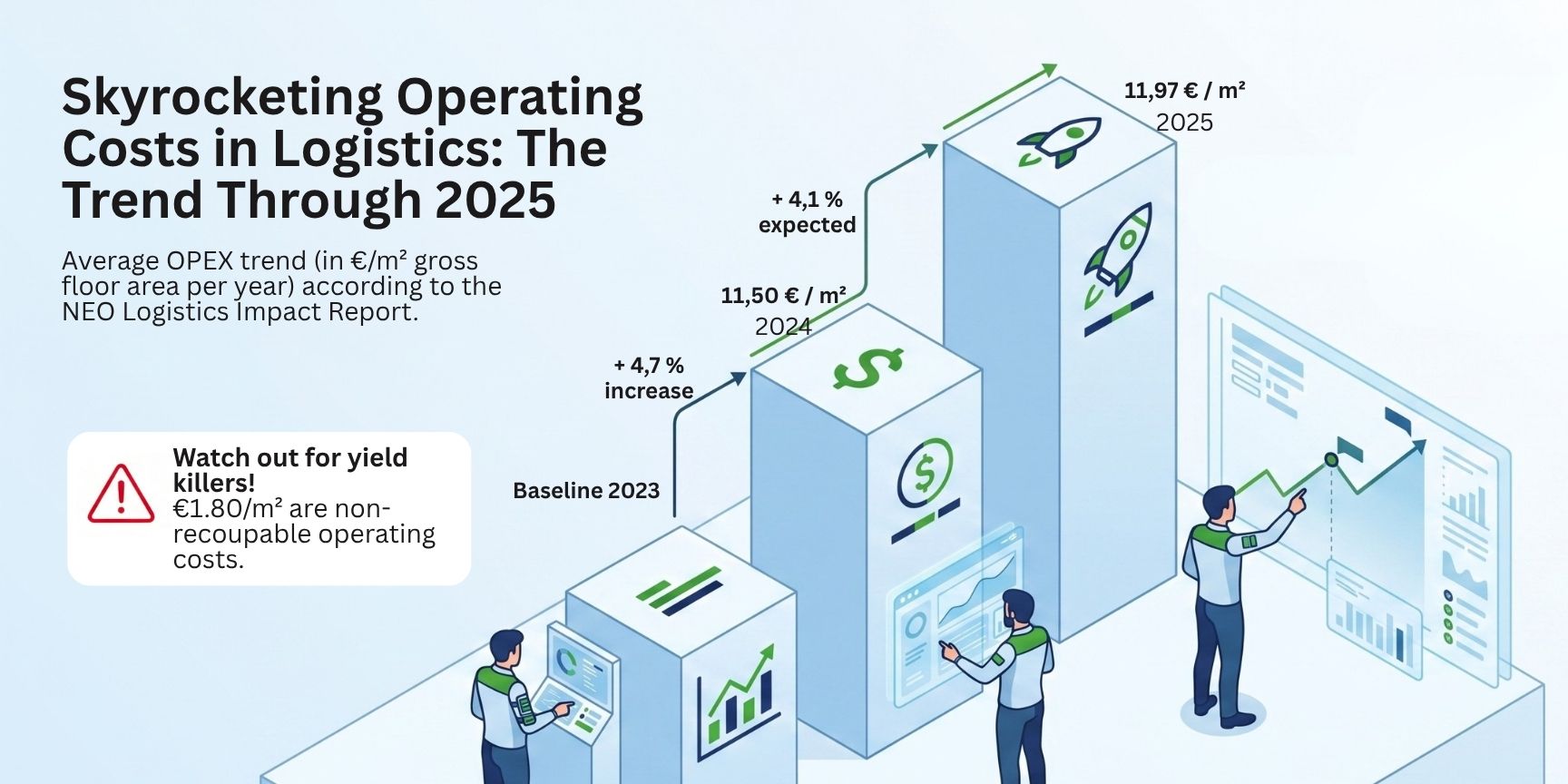
- The status quo (2023 to 2024): Operating costs increased by a whopping 4.7% year-on-year. On average, the costs now amount to 11.50 euros per square meter of gross floor area (GFA) per year.
- The Reality (2025 to 2026): There was no all-clear signal. The study’s authors projected another increase of 4.1% to 11.97 euros/m² for 2025. This record high has become a harsh market reality in the current year, 2026, and continues to put massive pressure on property owners due to persistent inflation and rising labor costs.
Cost Driver Number 1: Repair and Insurance
Where does this cost explosion come from? The study identifies clear causes. The largest item of expenditure is now accounted for by repairs. This share increased by a remarkable 9% from 2023 to 2024. The causes lie in the massive increase in material costs (supply chain problems, raw material prices) as well as the noticeable increases in wage costs in the craft and construction sectors.
Another critical factor is insurance. Expenditure on this climbed by around 8%. The reason? Insurers rigorously price the increasing risk of "natural events" (heavy rain, hail, storms) as a result of climate change into their policies.
How do Rising Operating Costs Reduce Returns on Logistics Real Estate?
For portfolio holders and investors, one specific figure from the study is particularly painful: the non-apportionable operating costs are currently 1.80 euros/m² per year.
A calculation example: If a fund owns a classic logistics property with a gross floor area of 20,000 m², 1.80 euros/m² means annual costs of 36,000 euros, which must be deducted directly from the net operating income (NOI) – i.e. the operating result. If these maintenance costs now increase by 9%, the owner's cash flow is immediately reduced. Since the property valuation (income value method) depends directly on the cash flow, the capital value of the entire property automatically decreases due to higher non-apportionable operating costs. The yield is melting.
The Sustainability Dilemma: Lots of Potential, Slow Implementation
Reducing operating costs is inextricably linked to ESG (Environmental, Social, Governance) issues. However, the "NEO Logistics Impact Report" reveals considerable deficits in the German hall inventory:
- Fossil dependency: An alarming 94% of the halls examined still generate their heat from fossil fuels (mainly gas radiant heaters). With the rising CO2 tax, heating is becoming an incalculable OPEX risk.
- Wasted roof potential: Only 40% of the investor halls have photovoltaic (PV) systems. In view of huge flat roofs, this is a massive, untapped potential to substitute expensive grid electricity and generate revenue (or cheaper tenant electricity models).
Case Study: How a Multi-user Warehouse Revolutionized its OPEX
Case study: "Green-Hub" logistics center in North Rhine-Westphalia (15,000 m² GFA)
A medium-sized contract logistics company rented an existing property (brownfield, built in 2005). The operating costs (apportionable) were extremely high at 14.20 euros/m² p.a., primarily driven by an old gas heating system and HQL lighting. The solution (in partnership "Green Lease" with the landlord):
- CAPEX investment: The owner invested in an air-to-air heat pump and converted the building to 100% smart LED lighting (with presence detectors). In addition, the roof was equipped with a 750 kWp PV system.
- The effect: The LED conversion reduced the power consumption for lighting by 65%. The heat pump, powered by its own PV electricity, completely eliminated the gas bill and CO2 tax.
- Result: Operating costs fell to 8.90 euros/m². The tenant saves tens of thousands of euros a year, while the landlord was able to raise the basic rent slightly (Green Premium) and massively increase the value of his asset.
Which Hall Users Suffer Most from Rising Operating Costs?
Not every logistics business model is affected to the same extent. It hits particularly hard:
- Refrigerated logistics / multi-temp warehouses: Food or pharmaceutical logistics companies have an extreme demand for energy. When electricity prices rise, their unit costs per pallet explode, which can threaten the existence of low-margin industries.
- E-commerce and CEP services: The high turnover of goods (24/7 operation) leads to extreme wear and tear on gates, dock levelers and industrial floors. The 9% increase in repair costs is having a massive impact here.
- Traditional contract logistics companies: For service providers who are in fierce price competition and have long-term fixed-price contracts with their customers (shippers), suddenly rising ancillary costs can often not be passed on quickly enough. The margin is bleeding out.
International Perspective: Germany in a Global Comparison
How does Germany compare to other logistics markets? A look across borders shows that operating costs depend heavily on local laws and infrastructure.
Eastern Europe (e.g. Poland & Czech Republic):
Historically, users here have benefited from significantly lower OPEX. Wage costs for facility management, maintenance and repairs are lower. However, these countries are catching up. In addition, the energy mix in Poland is still very coal-heavy. If EU-wide CO2 pricing (ETS II) takes full effect, the energy costs for unmodernized halls in Eastern Europe could rise drastically.
Great Britain (UK):
In the UK, tenants and owners are groaning under extremely high operating costs. This is mainly due to the "Business Rates" (a type of commercial property tax), which are among the highest in Europe. In addition, strict EPC regulations (Energy Performance Certificates) apply: properties that do not reach certain efficiency classes may simply no longer be rented, forcing owners to make massive CAPEX investments to avoid a total loss.
USA:
The US market is strongly dominated by absolute "triple net leases" (NNN). Here, the tenant almost without exception assumes all operating costs, including roof, structure and taxes. For portfolio holders, the risk is minimized. The halls are often built in lightweight construction, which reduces the initial construction costs, but leads to gigantic air conditioning costs for the tenant in climatically extreme zones (Texas, Florida).
In comparison, Germany offers a highly regulated market (high building stock, DIN standards), which leads to higher initial construction costs, but should theoretically extend the repair intervals. Tenancy law protects tenants from the complete passing on of structural costs.
Where is the Journey Going? Strategies to Reduce Operating Costs
The outlook for the future is clear: cost pressure will not subside. If you want to remain competitive, you have to act proactively. How can operating costs be effectively reduced?
- Smart Metering & IoT (Internet of Things): "You can't manage what you don't measure." The installation of intelligent meters makes energy and water consumption transparent at the hall section level. Sensors warn of leaks (predictive maintenance) before expensive water damage occurs.
- Energy-efficient refurbishment (deep refurbishment): The path away from fossil fuels (94% dilemma) is inevitable. Heat pumps, hydrogen-based radiant heaters or biomass are the future.
- Make maximum use of roof space (PV): Every new or modernized hall must become a power plant. The electricity generated on site significantly dampens price fluctuations on the external electricity market.
- Green leases: Landlords and tenants must contractually agree to share consumption data and jointly invest in efficiency measures that benefit both sides financially (solving split incentive problems).
Frequently Asked Questions (FAQ) on Operating Costs in Logistics
What are the current operating costs for a warehouse in Germany?
Costs have reached an all-time high. According to the NEO Logistics Impact Report, average operating costs were already at 11.50 euros per square meter per year in 2024. The increase to 11.97 euros/m² forecast for 2025 has come to pass and will serve as the new, higher baseline for managing logistics space in 2026.
Why are the repair costs for logistics halls rising so sharply?
The construction and craft industry is struggling with an enormous shortage of skilled workers, which is driving up wage costs. At the same time, inflation and geopolitical crises have significantly increased the prices of building materials (steel, insulation materials, spare parts for industrial doors) in recent years.
Is a logistics property without a PV system still sustainable today?
Not in the long term. Properties without renewable energies and with fossil heating systems are at risk of becoming "stranded assets". They do not meet the EU's upcoming ESG requirements, become unattractive for investors and unaffordable for tenants due to exploding energy costs.
Conclusion: Acting Instead of Reacting
The NEO Logistics Impact Report relentlessly shows: Operating costs of almost 12 euros per square meter are a new market reality. For logistics service providers, this means a hard intervention in the margin, for portfolio holders a latent threat to property returns. The only sustainable solution lies in the energy transformation of buildings and technologically supported, predictive maintenance.
💡 Are you planning to optimize your logistics space or are you looking for energy-efficient, modern locations for your supply chain? On the LAGERflaeche.de specialist portal, you will find forward-looking logistics properties and strong partners who have already anchored efficiency and sustainability in their DNA!
Latest Blog Posts
Stay up to date with the newest trends, insights, and tips in warehouse and logistics. Our latest articles help you navigate the industry with confidence.
Data Centres vs. Logistics Facilities: The Race for Power and Land
Across Europe, logistics operators are competing for more than land and transport access. They increasingly need something much harder to secure: grid capacity. Data centres are intensifying that competition — and changing how logistics locations are evaluated....
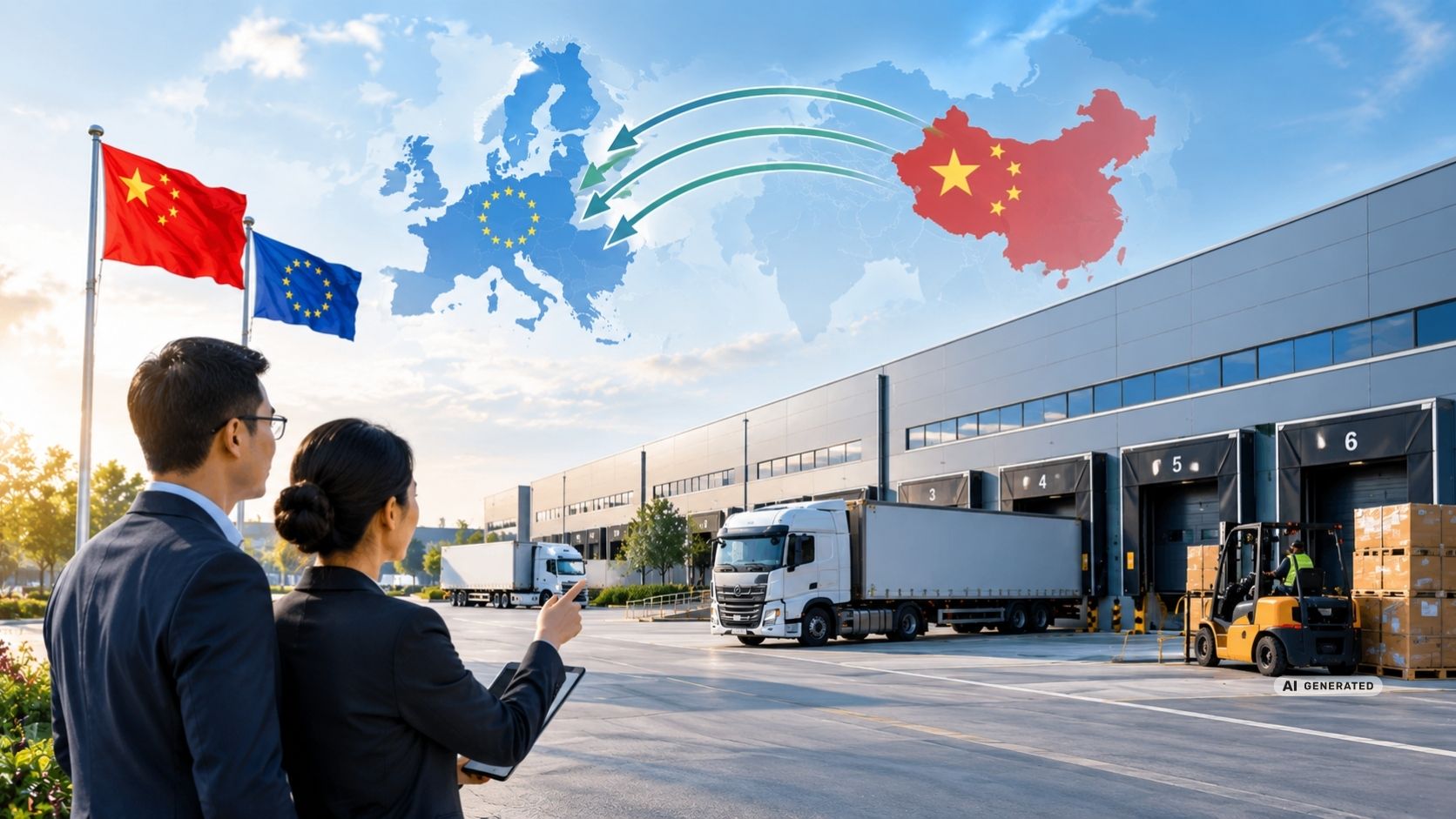
Chinese companies discover Europe's logistics real estate
Chinese companies are becoming an increasingly visible user group in Europe's logistics real estate market. What does this mean for warehouse space, 3PL structures and the requirements for European logistics locations?...
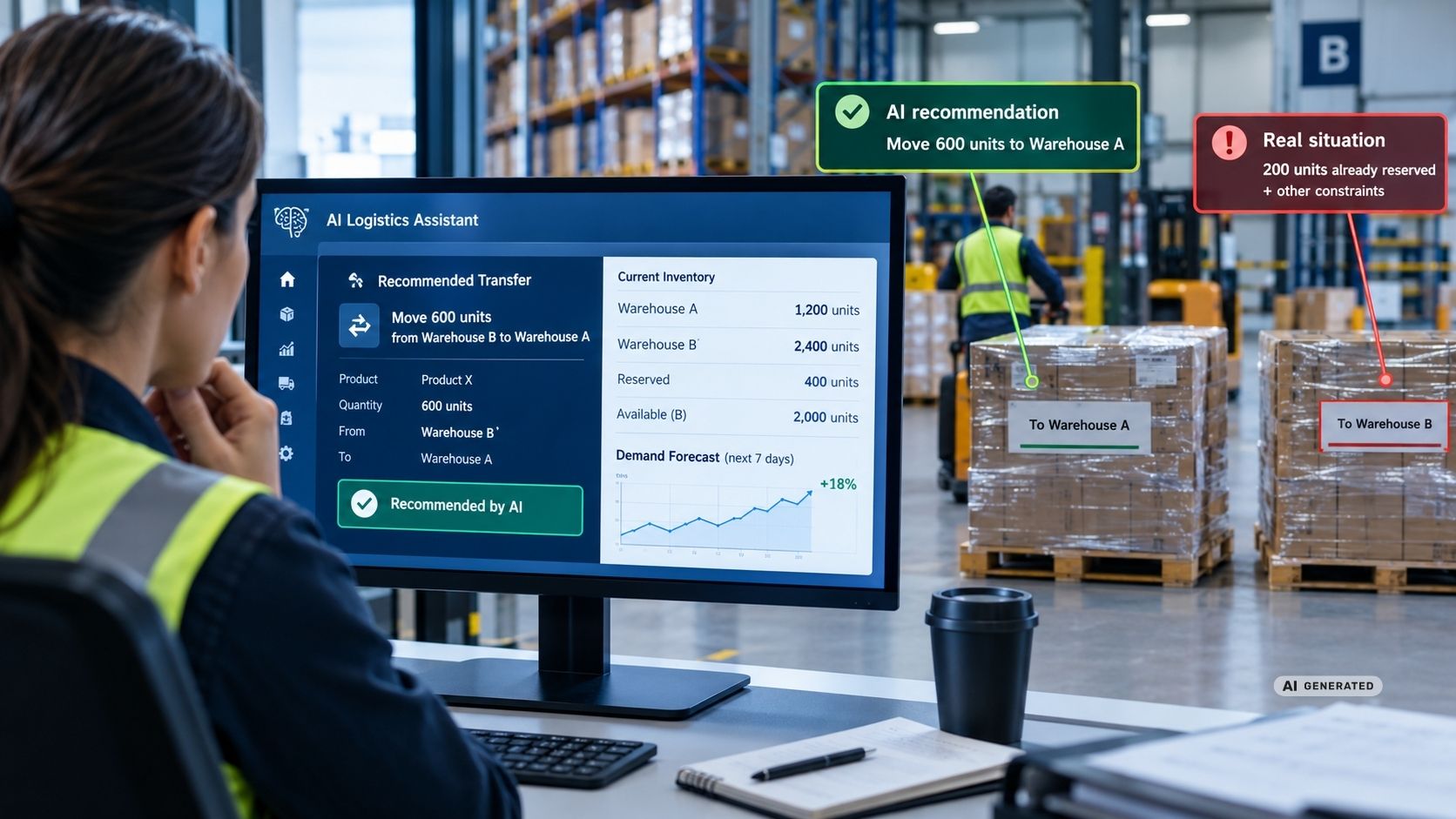
AI Hallucinations in Logistics: When AI Plans the Wrong Delivery
AI can analyze enormous amounts of logistics data — but it can also produce a convincing answer that is simply wrong. The critical question is not whether AI makes mistakes, but what happens when a wrong recommendation becomes an operational decision....
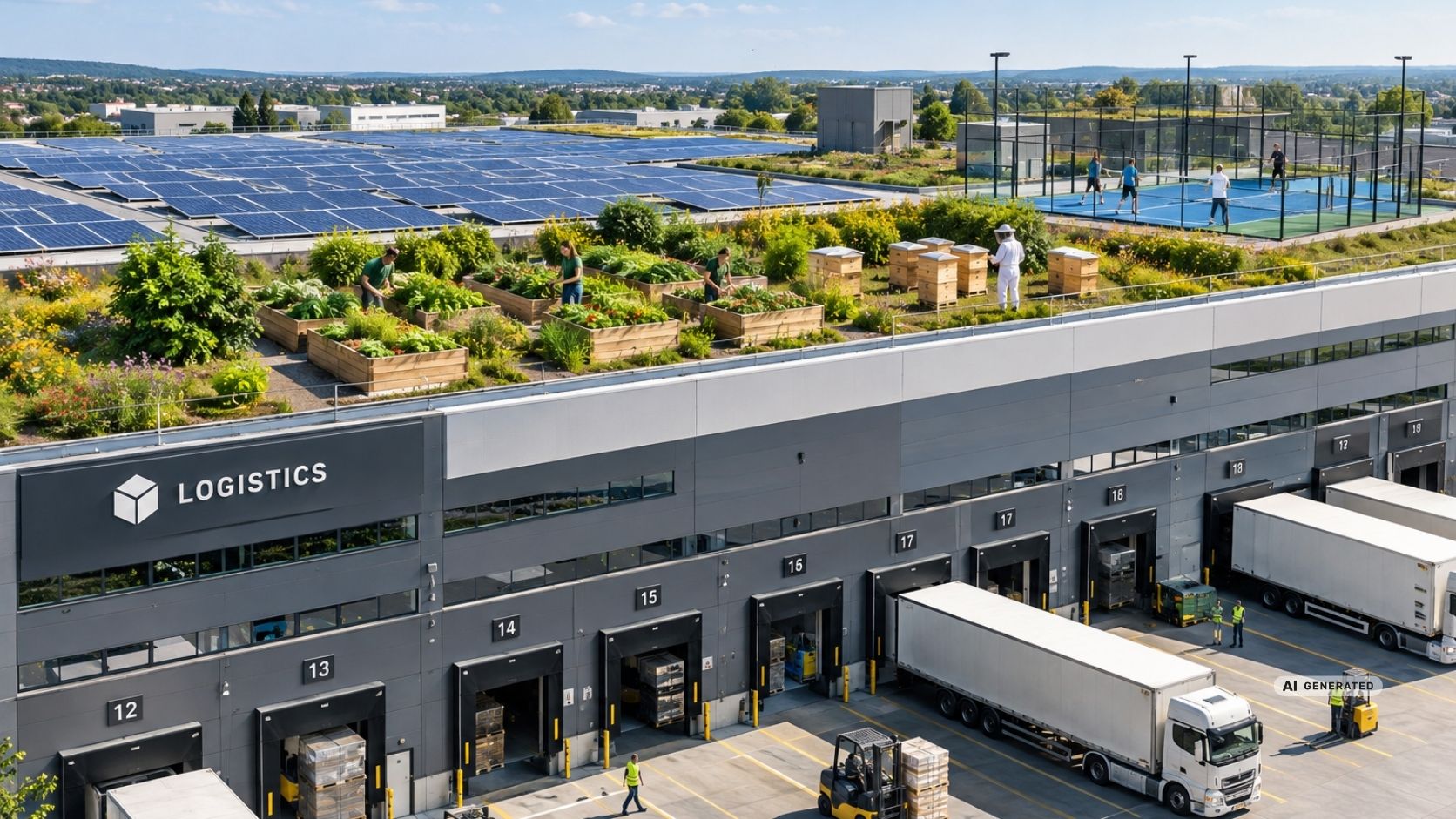
The Green Revolution on the Hall Roof: From Concrete Block to Ecological Power Plant?
Logistics roofs can do more than PV: greening, bees, urban farming and even sports areas turn unused roof space into multifunctional rooms....