
Commission-free offer
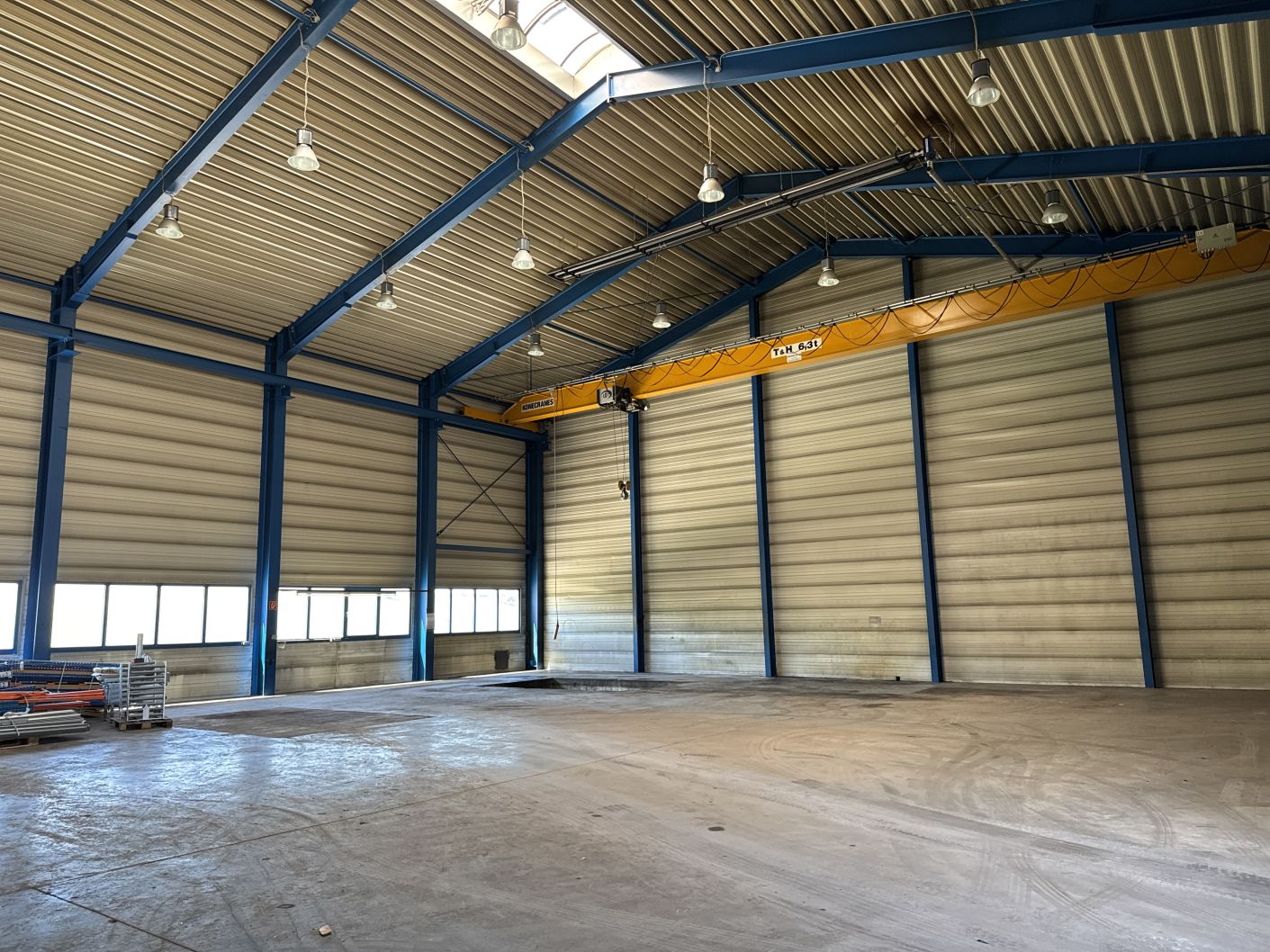
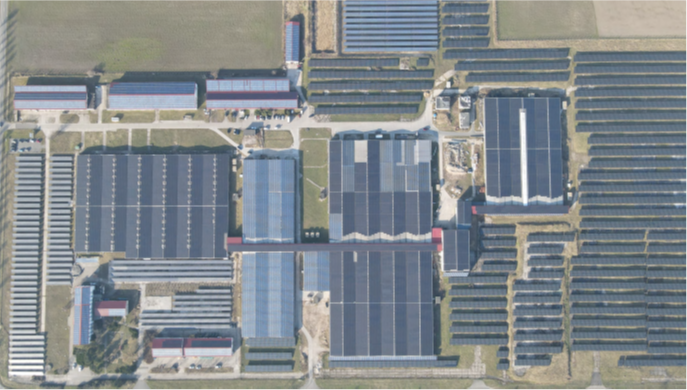
Kontraktlogistik in 89555 Söhnstetten mit 700 qm mieten
Object no.: 10162
Contract logistics
Warehousing (warehouse with management)
Germany
89555 Söhnstetten
700 m²
Price on request

Whether construction machinery weighing several tons, gigantic plant components, transformers or large-format steel components – handling heavy goods requires storage solutions far beyond the standard. Discover tailor-made warehouse locations that offer a perfect infrastructure for your complex project logistics.
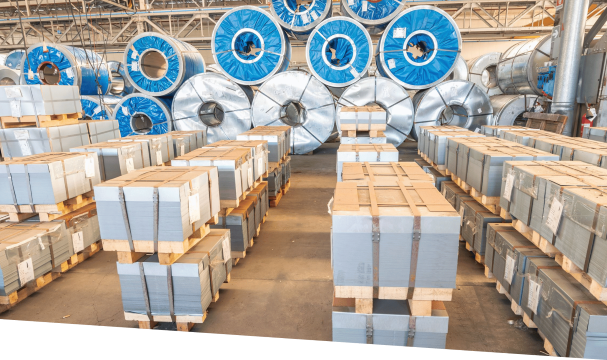
Heavy loads, bulky dimensions and demanding handling processes require uncompromising commercial real estate. In order to avoid cost-intensive inefficiencies in transport to and from the site, layout, technology and regional location must be perfectly coordinated. Whether as a pure rental property for self-management or as a completely outsourced fulfillment solution by an experienced specialist - find the optimal storage center for your heavy goods now.
Object no.: 10162
Warehousing (warehouse with management)
Germany
89555 Söhnstetten
Price on request
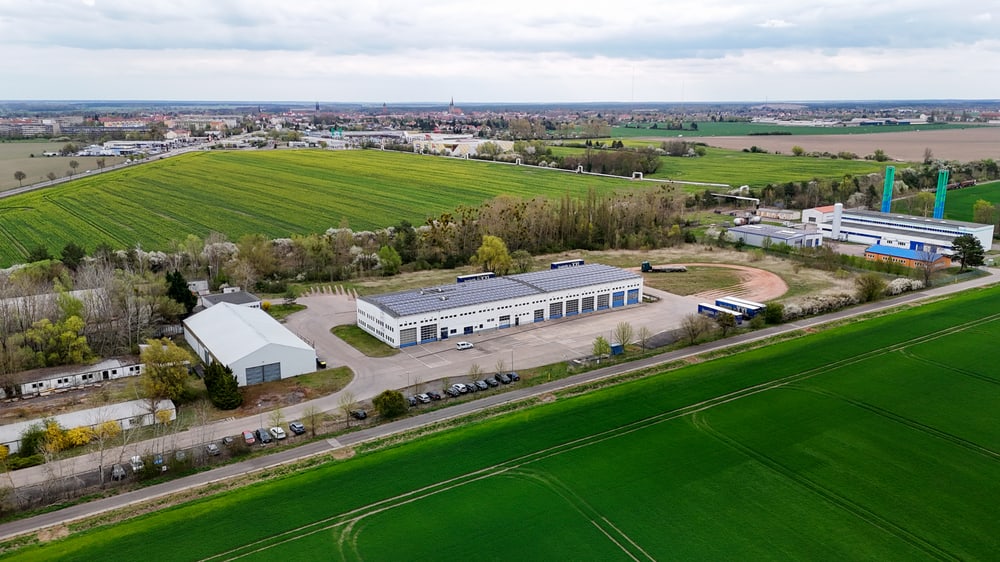
Object no.: 9894
Warehousing (warehouse with management)
Germany
38239 Salzgitter
Price on request
Object no.: 9822
Warehousing (warehouse with management)
Germany
41460 Neuss
Price on request
Object no.: 9660
Warehousing (warehouse with management)
Germany
54293 Trier
Price on request
Object no.: 9639
Warehousing (warehouse with management)
Germany
04509 Delitzsch
Price on request
Object no.: 8829
Warehousing (warehouse with management)
Germany
58642 Iserlohn Letmathe
Price on request
A heavy-lift warehouse is a specially designed commercial property designed for the storage, handling and assembly of goods with extreme dead weight and often asymmetrical, bulky oversizes. In contrast to classic storage solutions for standardized pallets or general cargo, the focus here is not on maximum utilization of standard shelving systems. Instead, the focus is on uncompromising load capacity, wide range of motion and massive lifting capacity to maneuver heavyweights without accidents.
The most important physical factor of a heavy goods storage facility is the soil conditions. Conventional industrial floors would immediately give way and break under the punctual loads of large-scale industrial plants. Therefore, these warehouse locations require high-density, steel-fiber-reinforced special concrete floors. These must be able to cope with surface loads of usually well over 10 to 20 tones per square meter as well as extreme point loads. At the same time, the industrial property must have above-average ceiling heights (often 12 to over 15 meters). This clearance is essential to ensure sufficient clearance for lifting, rotating and turning the project cargo.
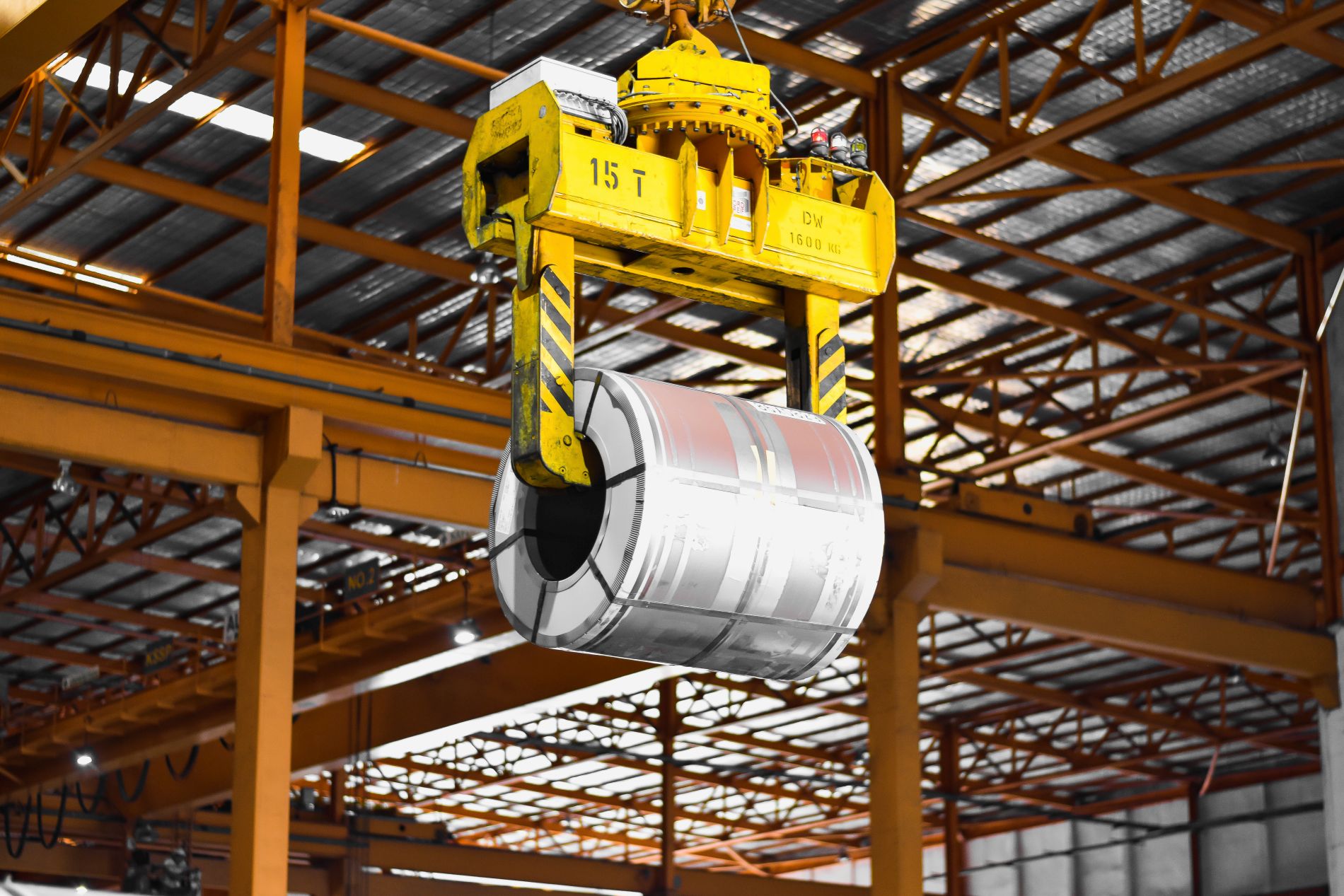
Since heavy cargo can rarely be moved with a regular forklift truck, powerful crane systems form the heart of the storage area. Modern storage areas are equipped with permanently installed overhead cranes or overhead cranes that can lift loads of several hundred tons in tandem operation. Mounting on the ceiling saves valuable floor space, which optimizes space utilization. In addition, extremely powerful heavy-duty forklifts, reach stackers or SPMTs (Self-Propelled Modular Transporters) are used. Although many heavy goods are placed directly on heavy-duty mats as floor block storage, special racking systems, such as heavy-duty cantilever racks, are also used for specific materials such as heavy steel girders or long goods.
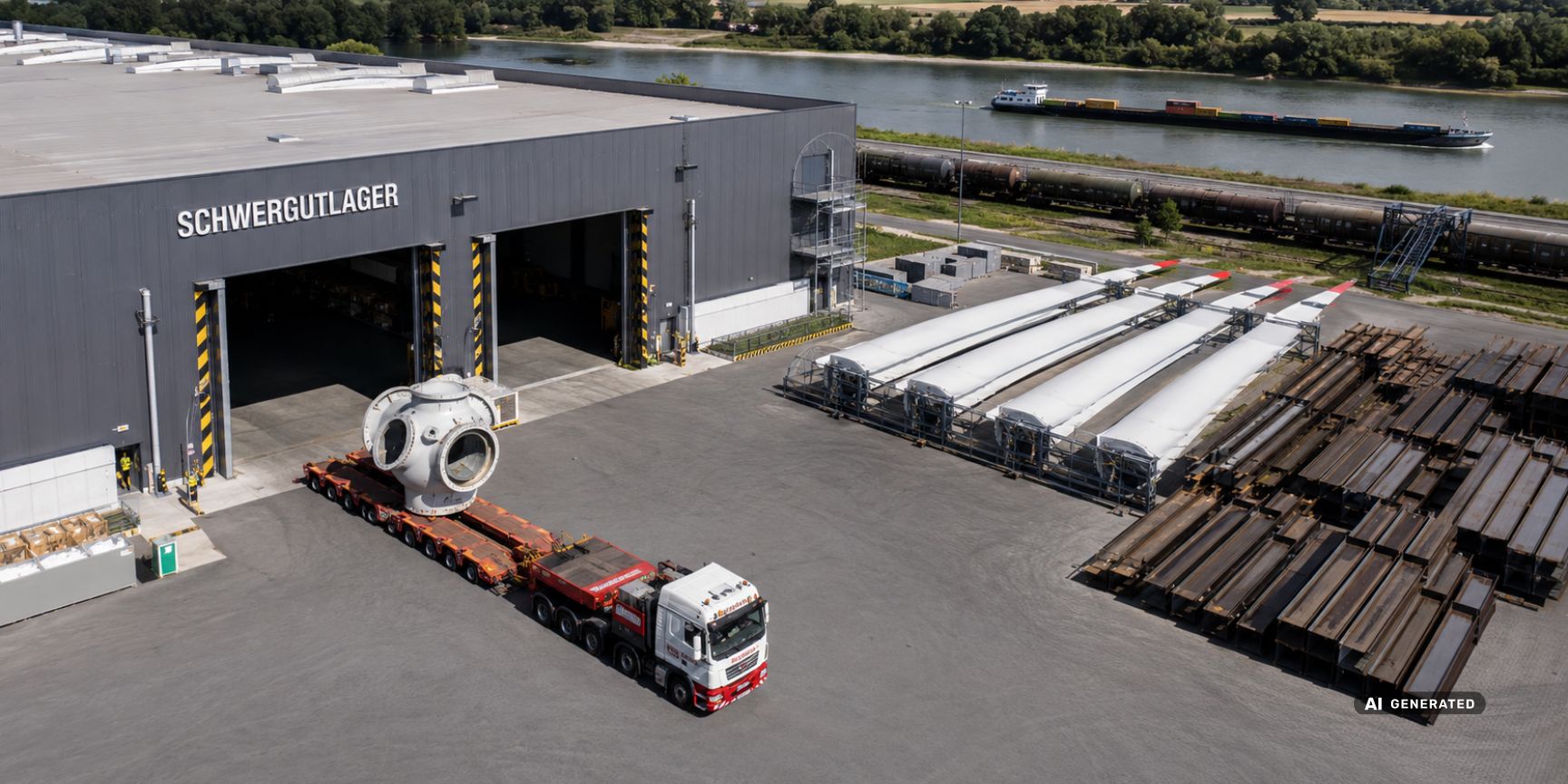
The most efficient industrial hall is of little use if the project load does not fit through the gate entrance. Oversized, widened and raised door systems are a basic prerequisite for loading or unloading project cargo directly in the hall onto heavy-duty trucks. In addition, the connection to the supra-regional transport infrastructure plays a business-critical role. Top storage locations for heavy cargo ideally have a trimodal connection – i.e. direct access to waterways (inland port), rail networks and congestion-free heavy-duty road routes without bridge load restrictions. The transport of XXL goods by inland waterway vessel or rail massively reduces the bureaucratic organizational effort for heavy transports.
Handling in a heavy-duty warehouse requires precise process optimization and technical engineering know-how. Many service providers offer much more than just storage and convince with highly specialized value-added services. These include:
Avoid logistical bottlenecks and inefficient inefficiencies due to incorrectly planned handling processes. Secure the competitiveness of your supply chain through a strategically perfectly selected commercial property. LAGERflaeche.de brings you directly together with the relevant B2B decision-makers, owners and specialists for complex project cargo. Analyze technical specifications, compare equipment features, and find the storage solution that bears the weight of your success.
The construction of your own heavy-duty commercial property is associated with immense acquisition costs (CAPEX) for land, foundations and crane technology. The need for space is enormous. Therefore, manufacturing companies are increasingly opting for strategic outsourcing. There are various rental models to choose from. While the classic fixed rent offers long-term space security, usage-based billing models (pay-per-use) enable maximum scalability. This allows you to convert high fixed costs into predictable variable operating costs (OPEX) and only pay for the storage solution that actually uses your current heavy lift project.
Handling heavy loads entails enormous potential dangers. The Workplace Ordinance and the strictest accident prevention regulations (UVV) regulate operation down to the smallest detail. Certified slings, regular inspections of the hoists and continuously trained personnel are legal obligations. Digitalization is also crucial in heavy-lift logistics: Modern warehouse management systems (WMS) control the intelligent allocation of parking spaces, track project components in real time via RFID tags and manage digital material passports. Since many stakeholders (freight forwarders, customs, manufacturers) are involved in such projects, the processing of sensitive freight and customer data must be carried out strictly in accordance with GDPR guidelines. In addition, strict statutory retention periods apply to quality checks and handover protocols, which are archived in a legally compliant manner by cloud systems.
The requirements vary greatly depending on the industry. While standard commercial properties often carry only 5 t/m², heavy-lift warehouses require surface loads between 10 t/m² and 50 t/m². Tolerance for extreme point loads caused by machine feet or special frames is also particularly important.
It depends on the regularity of your business. Those who continuously manufacture large-scale systems usually rent their own industrial property. On the other hand, those who operate on a project-by-project or seasonal basis benefit massively from an outsourced fulfillment solution including certified personnel and specialized lifting equipment.
Yes, that's a key advantage. Many warehouse locations have dedicated assembly areas. The spectrum ranges from the final technical quality inspection to the final assembly of machine parts and special overseas packaging for export.
The main users include traditional mechanical and plant engineering, the automotive industry, manufacturers of rail and aircraft vehicles, the building materials industry and the wider energy sector (wind turbines, turbines, transformers).
A critical one for success. If the access roads to the warehouse facility do not receive a permit for heavy-duty transport, the location is unusable. A bi- or trimodal connection to the rail network or a port minimizes transport costs and avoids costly official road permits.
West
Rent a production hall in Frankfurt
Warehouse in Cologne
Industrial warehouse in Saarbrücken
South
Find Logistics Space in Munich
Storage Space in Nuremberg
Logistics Hall in Stuttgart
Rent Warehouse in Freiburg
Rent Warehouse Space in Italy
Logistics Hall in Austria
Storage Space in the Netherlands
Warehouses in France
Search Storage Space in Poland
Renting halls in Switzerland
Find logistics premises in Belgium
Storage in Bulgaria
Renting warehouses in the UK
Search for warehouse properties in Croatia
Logistics warehouses in Romania
Logistics centres in Russia
Search for warehouse locations in Slovenia
Rent warehouse space in Slovakia
Logistics property in Spain
Find storage space in Hungary
Rent a warehouse in the Czech Republic
Storage facility in Denmark