



Logistics real estate with photovoltaics: The unused power banks of the energy transition
Logistics properties are often seen only as transshipment points for goods. But they hold enormous potential for the energy transition. Far beyond their primary function, these large-scale buildings can develop into central energy hubs and power banks for municipal power grids. Learn how photovoltaics on logistics roofs creates a decisive advantage for owners, tenants and the entire community.
Why logistics real estate is the ideal municipal power banks
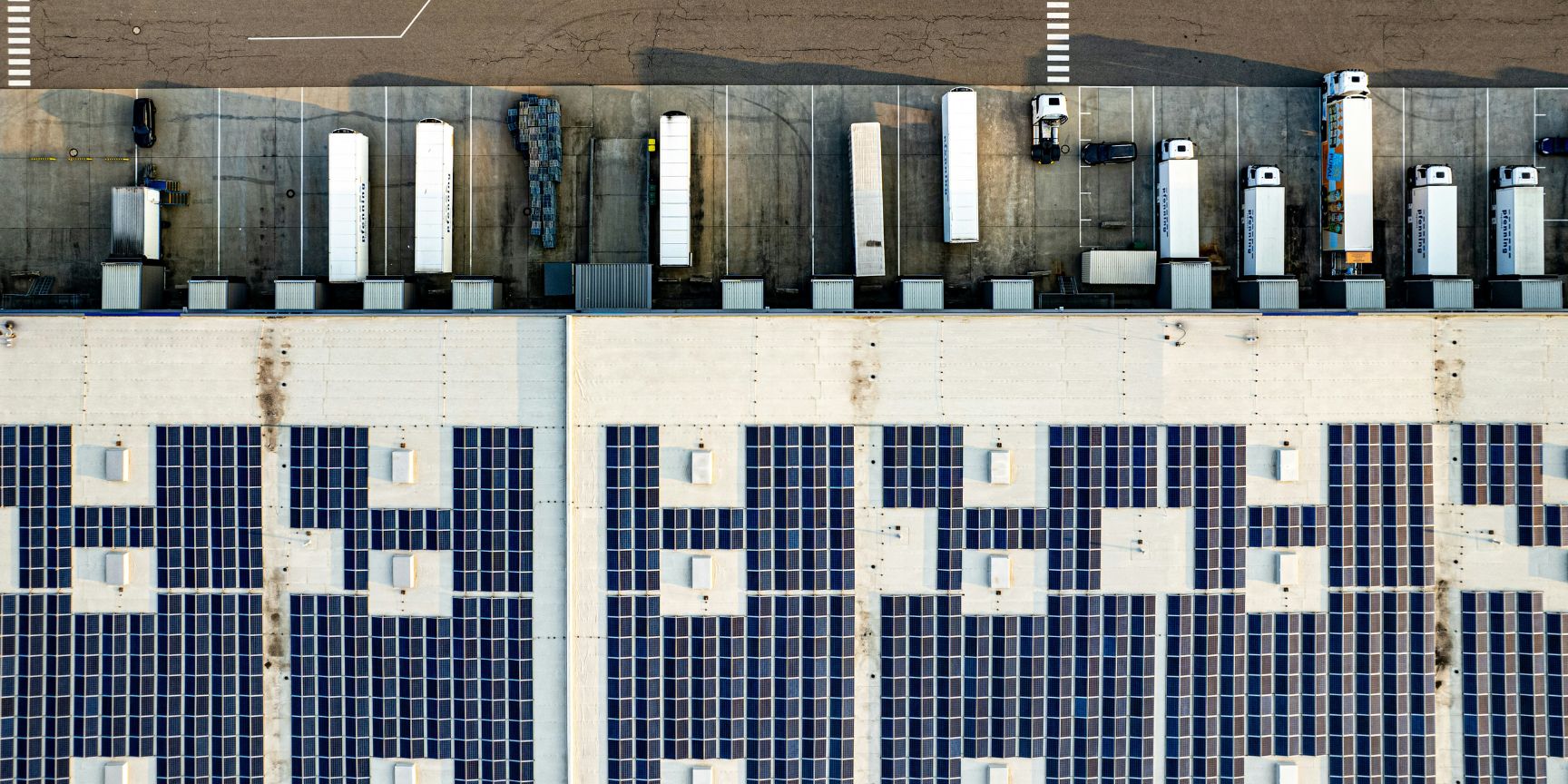
Imagine: the huge, often unused roofs of logistics centers are transformed into powerful solar parks. These areas are predestined for the installation of large-scale photovoltaic systems (PV systems), which generate far more energy than the property itself needs.
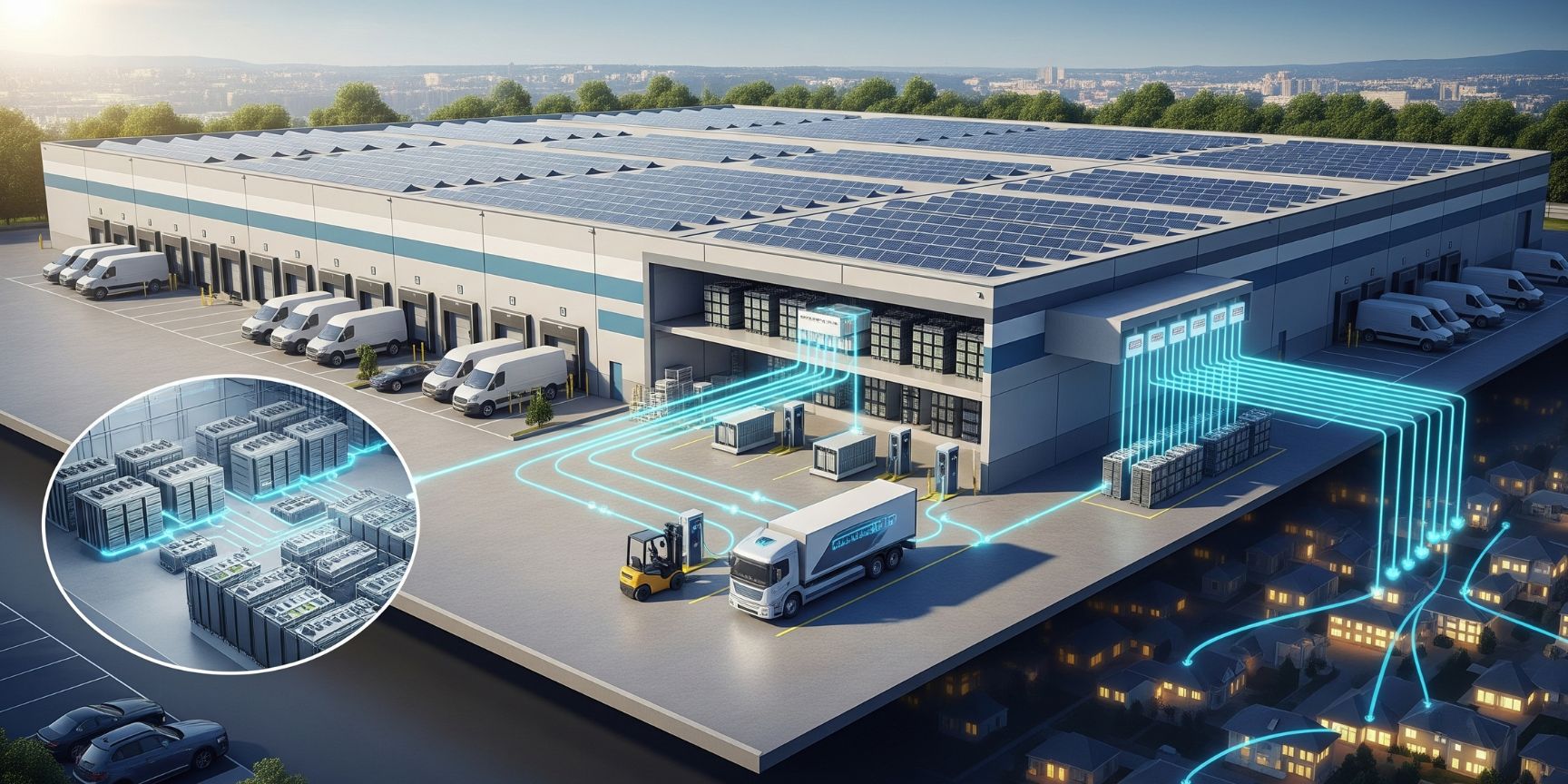
This energy surplus can be fed directly into the municipal grids and thus makes a valuable contribution to the local and decentralized energy supply. The concept of the "logistics property as a power bank" is thus a forward-looking strategy for more sustainability and independence from fossil fuels.
The enormous energy potential of logistics roof surfaces
The sheer size and mostly unshaded roof areas of logistics properties offer perfect conditions for solar systems in the megawatt range. In contrast to residential buildings, systems can be implemented here that generate significant amounts of clean electricity. The often flat design of the roofs also simplifies installation, maintenance and maximises solar radiation.
Efficient PV technology as the key to energy surplus
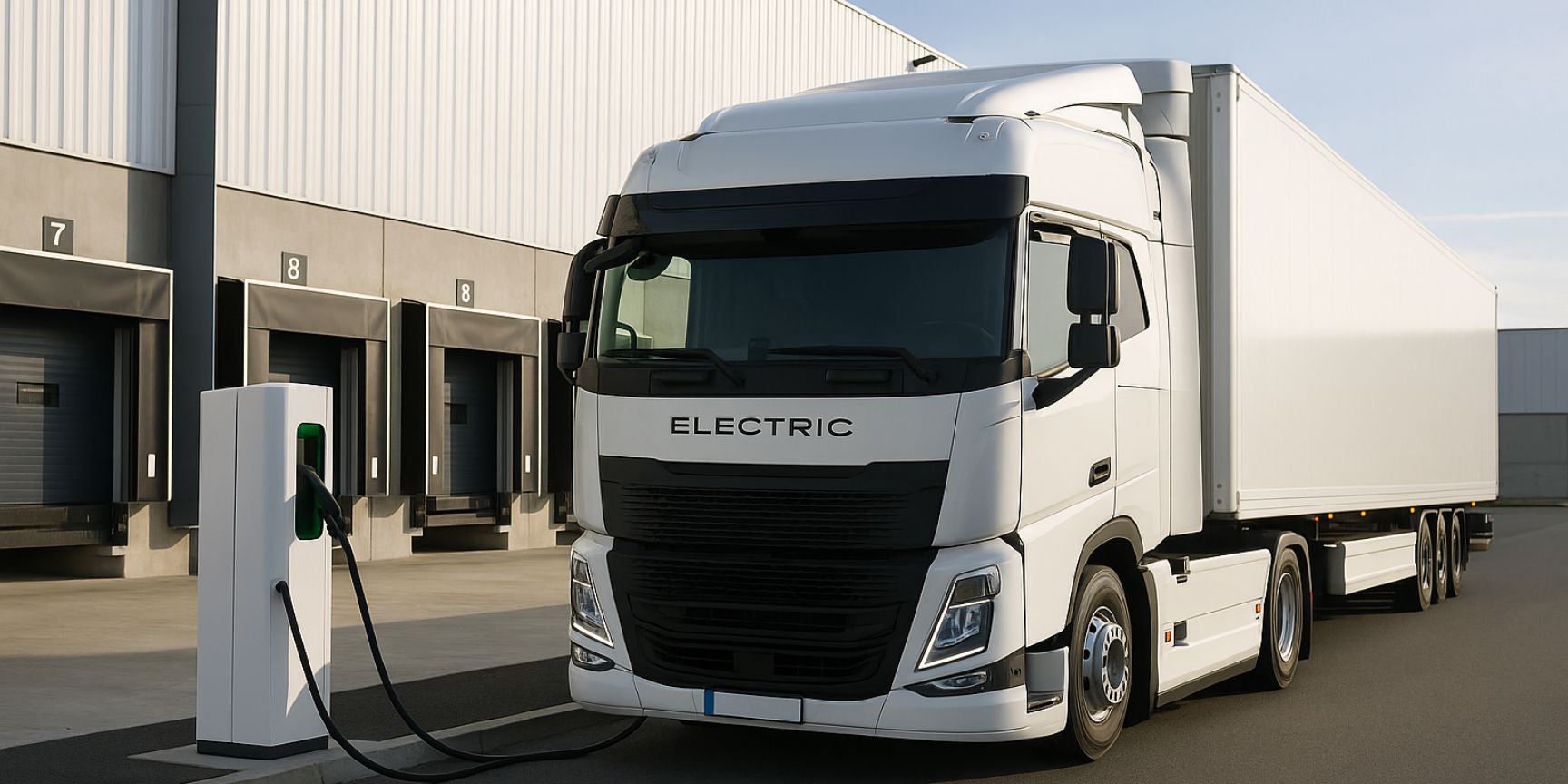
Modern photovoltaic modules are highly efficient and cost-effective. They guarantee a significant energy yield even in less than optimal weather conditions. Installed on the huge roofs of logistics centers, they not only cover the company's own needs for lighting, cooling or the charging infrastructure for e-fleets, but also generate a considerable surplus. This green electricity is a decisive lever for reducing the CO2 balance at the municipal level.
The challenge of grid infrastructure: The bottleneck of the energy transition?
Despite the enormous potential, the regional grid infrastructure is often the biggest hurdle. Existing power grids are often not designed to absorb and distribute large amounts of decentrally generated solar power. To avoid bottlenecks, investments in grid expansion and intelligent energy management systems (smart grids) are essential. Close cooperation between energy suppliers, municipalities and property owners is the key to success.
Benefits for owners: More than just a green image
For owners of logistics properties, investing in photovoltaics pays off in several ways:
- Additional revenue: The feed-in tariff or direct sale of electricity (PPA) opens up a new source of income.
- Increase in the value of the property: A sustainable property with its own energy generation meets important ESG criteria and is more attractive for tenants and investors.
- Lower operating costs: The self-consumption of solar power significantly reduces energy costs.
- Strong sustainability profile: You position your company as a pioneer in environmental protection and corporate social responsibility.
- Energy price independence: Generating your own electricity protects against the fluctuations of the energy markets.
Advantages for tenants: Green logistics and falling costs
Tenants also benefit directly from logistics properties with PV systems:
- Lower ancillary costs: Operating costs are reduced by purchasing low-cost solar power from the roof (tenant electricity model).
- Sustainable supply chains: The use of green electricity helps to achieve one's own climate goals and strengthens the image as a sustainable logistics company.
- Planning security: Less dependence on external energy price fluctuations creates financial stability.
- Competitive advantage: Customers and partners increasingly prefer companies with a transparent and green supply chain.
Conclusion: A win-win situation for energy, the environment and the economy
Logistics real estate is the sleeping giant of the energy transition. The use of their roof areas for photovoltaics is a decisive step towards covering their own energy needs sustainably and making a significant contribution to the municipal energy supply. Even though the expansion of the network infrastructure requires a joint effort, the advantages for owners, tenants and society far outweigh the disadvantages. It's time to recognize every logistics roof for what it is: a huge opportunity for a greener and more economical future.
Latest Blog Posts
Stay up to date with the newest trends, insights, and tips in warehouse and logistics. Our latest articles help you navigate the industry with confidence.
Data Centres vs. Logistics Facilities: The Race for Power and Land
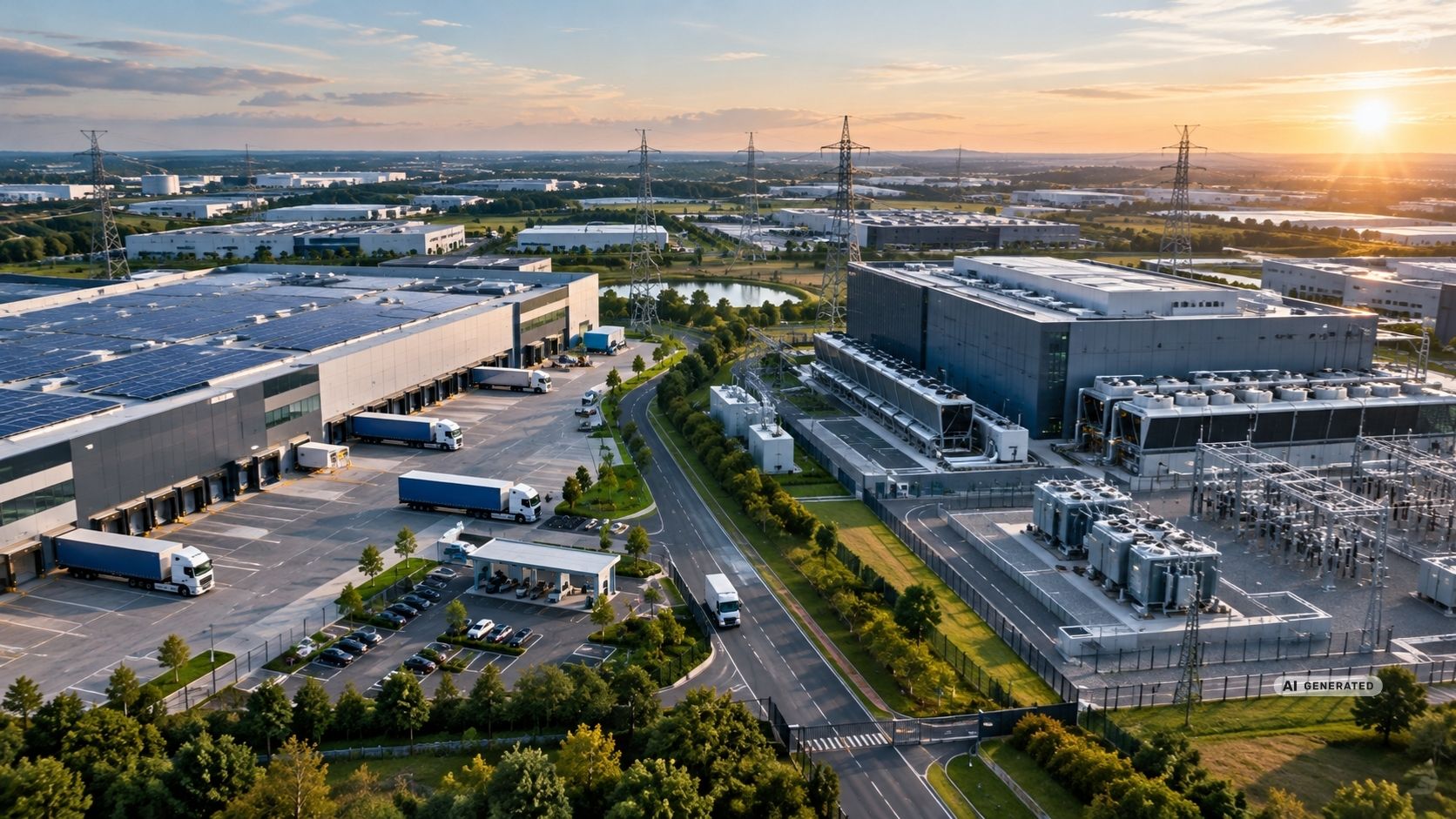
Across Europe, logistics operators are competing for more than land and transport access. They increasingly need something much harder to secure: grid capacity. Data centres are intensifying that competition — and changing how logistics locations are evaluated....

Chinese companies discover Europe's logistics real estate
Chinese companies are becoming an increasingly visible user group in Europe's logistics real estate market. What does this mean for warehouse space, 3PL structures and the requirements for European logistics locations?...
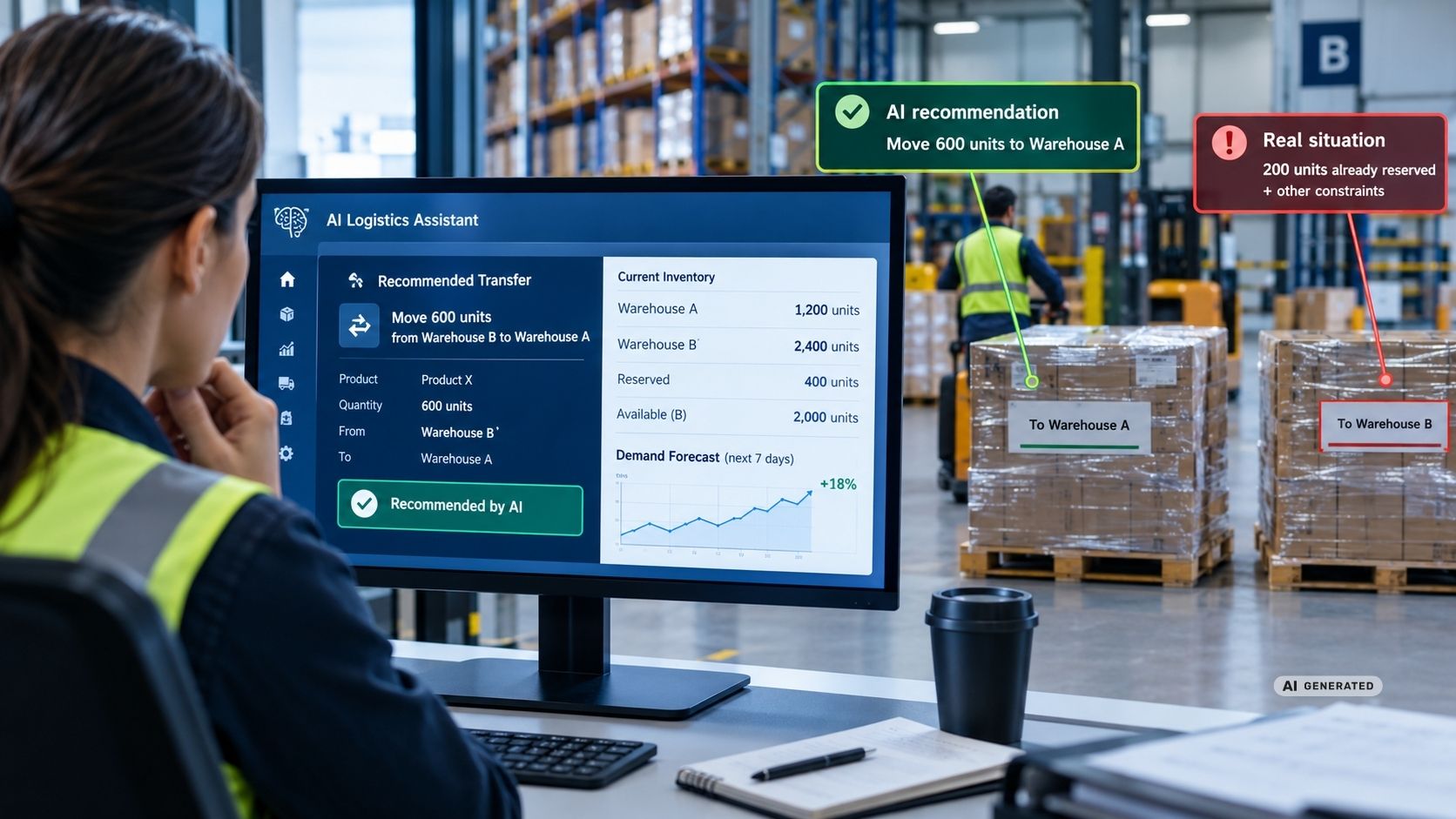
AI Hallucinations in Logistics: When AI Plans the Wrong Delivery
AI can analyze enormous amounts of logistics data — but it can also produce a convincing answer that is simply wrong. The critical question is not whether AI makes mistakes, but what happens when a wrong recommendation becomes an operational decision....
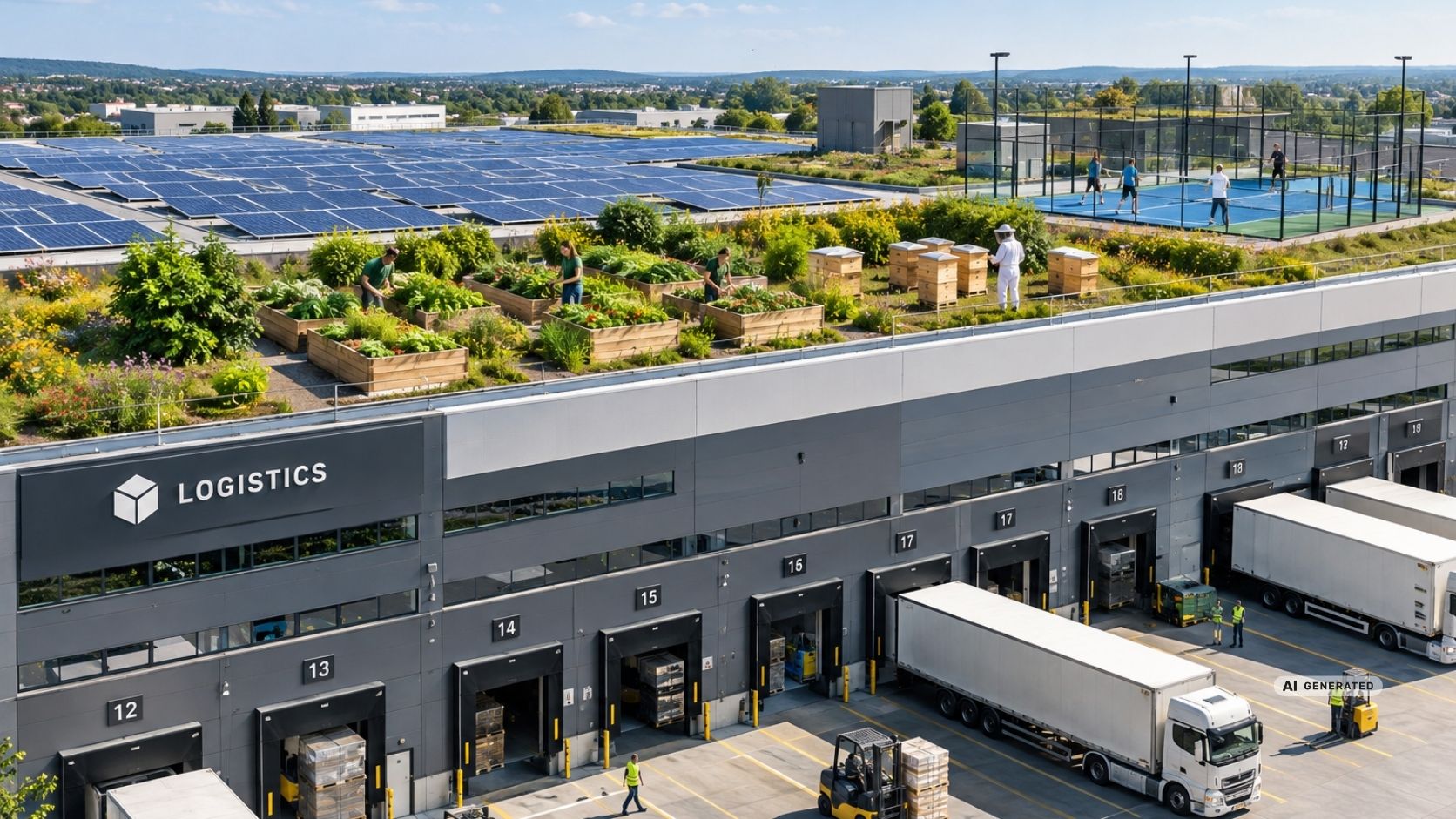
The Green Revolution on the Hall Roof: From Concrete Block to Ecological Power Plant?
Logistics roofs can do more than PV: greening, bees, urban farming and even sports areas turn unused roof space into multifunctional rooms....