




The Future of B2B Logistics: 5 Key Trends Transforming Your Warehouse in 2025
The logistics industry is in a state of constant evolution. Following the turbulent years of the pandemic and ongoing geopolitical uncertainties, B2B companies face the critical task of realigning their warehousing and supply chain strategies. The game is no longer just about moving goods from A to B. Today, resilience, efficiency, and sustainability are the new currencies of success. This article highlights the five most important trends that will shape your warehouse logistics in 2025 and beyond, and how you can prepare for them now.
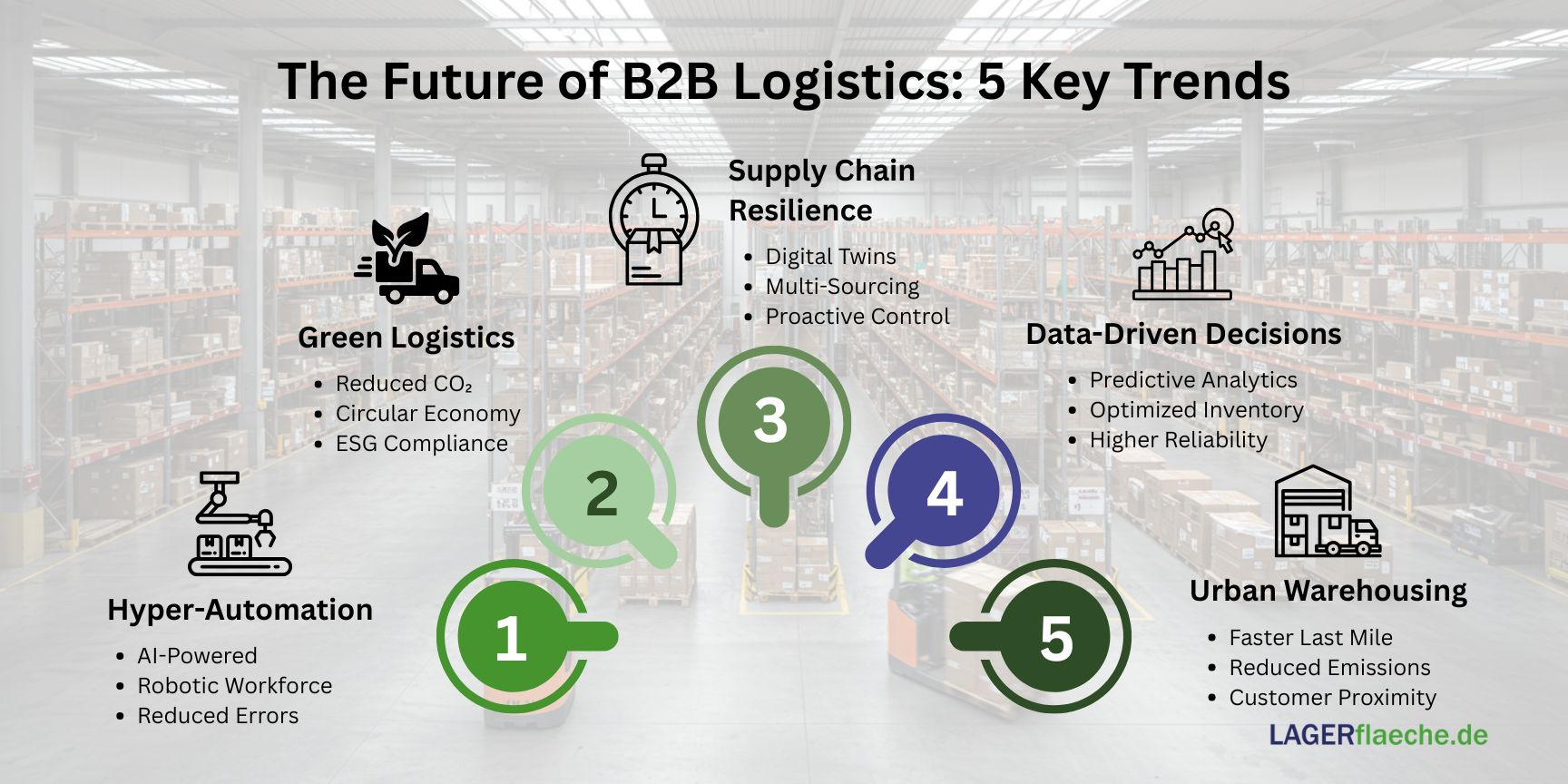
1. Hyper-Automation: The Smart Warehouse Becomes a Reality
Labor shortages and mounting cost pressures are accelerating automation at an unprecedented pace. However, we're moving beyond simple Automated Guided Vehicles (AGVs). The future belongs to hyper-automation: the seamless integration of robotics, artificial intelligence (AI), and the Internet of Things (IoT). In the warehouse of 2025, Autonomous Mobile Robots (AMRs) navigate independently, "pick-and-place" robots work collaboratively with human staff, and AI-powered software optimizes storage strategies in real-time. For B2B companies, this translates into a massive increase in efficiency, a significant reduction in error rates, and relief for employees from repetitive, physically demanding tasks.
2. Green Logistics: Sustainability as a Hard-Nosed Competitive Advantage
Sustainability is no longer a "nice-to-have" but a core demand from customers, partners, and regulators (e.g., through ESG criteria and supply chain laws). For the modern warehouse, this means green logistics is becoming the standard. This includes installing photovoltaic systems on roofs, transitioning vehicle fleets to e-mobility, using smart lighting and heating controls to reduce energy consumption, and implementing a consistent circular economy model. Companies that transparently manage and actively reduce their carbon footprint not only cultivate a positive brand image but also lower their long-term operating costs and position themselves as preferred partners in an eco-conscious economy.
3. Supply Chain Resilience: From Reactive Management to Proactive Control
One of the most painful lessons of recent years has been the fragility of global supply chains. Consequently, the focus is shifting from pure cost optimization (Just-in-Time) to maximizing resilience (Just-in-Case). Modern warehouses act as strategic buffers and vital nodes in this new network paradigm. The trend is toward supplier diversification (multi-sourcing) and increasing inventory levels of critical components (safety stock). Digital twins of the supply chain, powered by AI analytics, make it possible to identify potential disruptions—from extreme weather events to geopolitical crises—early on and proactively counteract them before they can paralyze operations.
4. Data-Driven Decisions: Predictive Analytics as Your Guiding Compass
The warehouse of the future is a massive data generator. Every scan, every movement, and every transaction provides valuable information. The key trend lies not just in managing this data flood, but in leveraging it for profit. Predictive analytics software analyzes historical data to forecast future demand peaks, identify potential bottlenecks, and suggest optimal picking routes. This transforms warehouse managers from pure administrators into strategic analysts who base their decisions on solid data rather than intuition. The results: optimized inventory, less tied-up capital, and significantly higher delivery reliability.
5. Urban Warehousing: Bringing the Warehouse Closer to the Customer
Expectations for delivery speed are soaring, especially in B2B e-commerce where "same-day delivery" is becoming a benchmark. This trend is driving the rise of smaller, decentralized warehouses in metropolitan areas—a concept known as urban warehousing. Instead of relying on a single, massive central warehouse on the outskirts of a city, companies are operating multiple smaller micro-fulfillment centers close to commercial hubs. This strategy drastically shortens the last mile, reduces transportation costs and emissions, and enables an extremely fast response to customer needs. For B2B suppliers, the strategic placement of these urban hubs is becoming a crucial factor in the race to win and retain customers.
Latest Blog Posts
Stay up to date with the newest trends, insights, and tips in warehouse and logistics. Our latest articles help you navigate the industry with confidence.
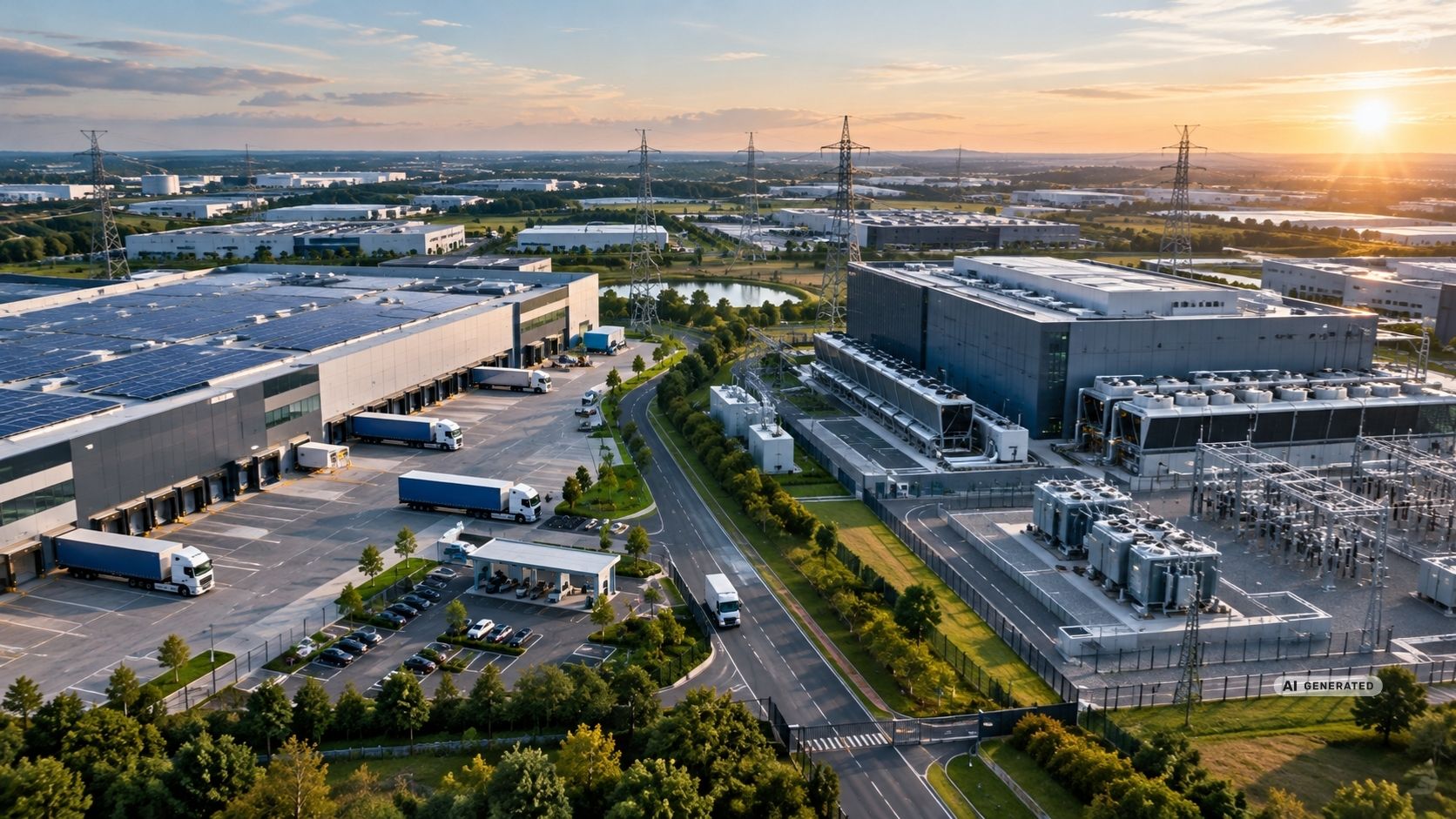
Data Centres vs. Logistics Facilities: The Race for Power and Land
Across Europe, logistics operators are competing for more than land and transport access. They increasingly need something much harder to secure: grid capacity. Data centres are intensifying that competition — and changing how logistics locations are evaluated....
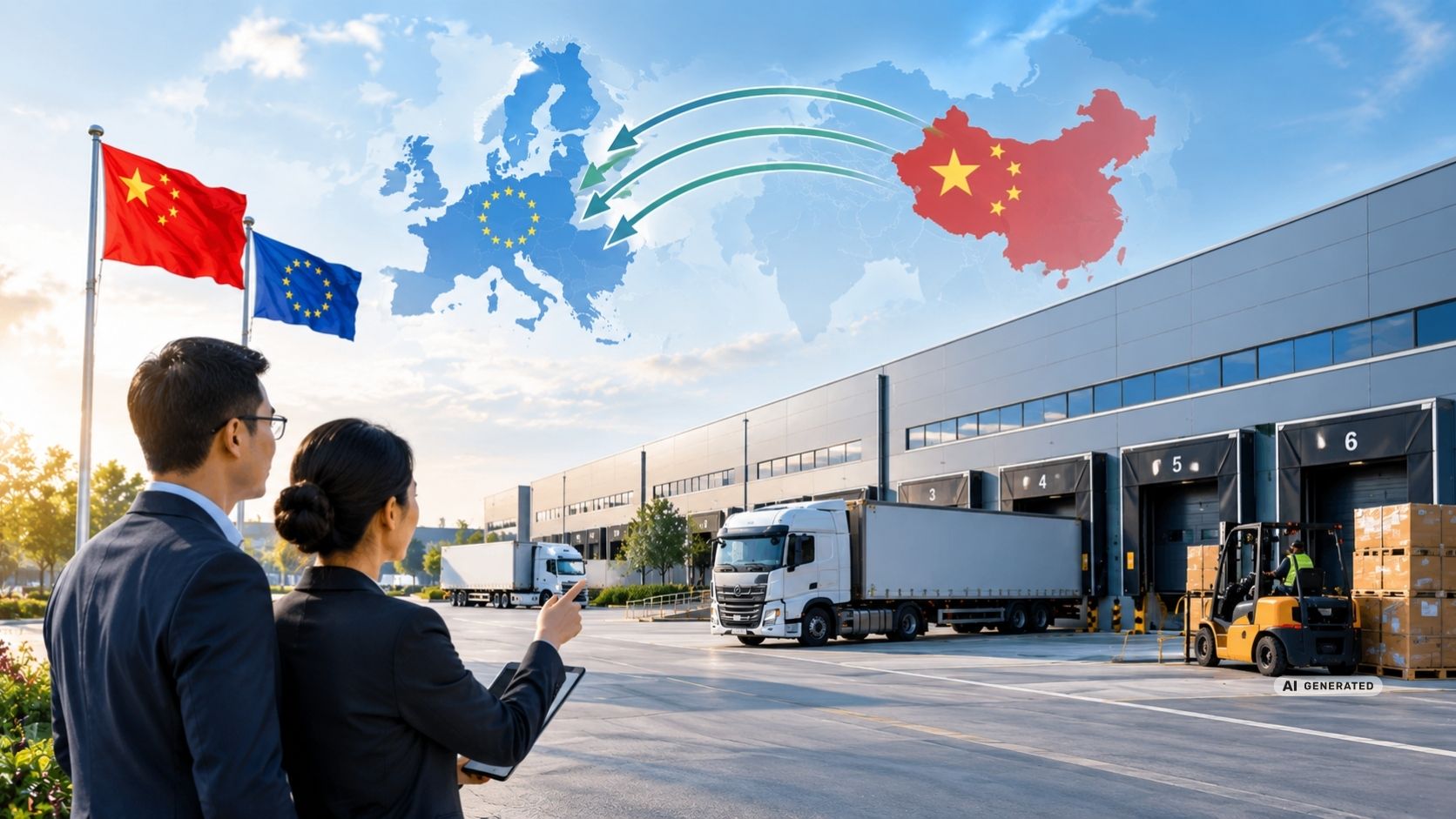
Chinese companies discover Europe's logistics real estate
Chinese companies are becoming an increasingly visible user group in Europe's logistics real estate market. What does this mean for warehouse space, 3PL structures and the requirements for European logistics locations?...
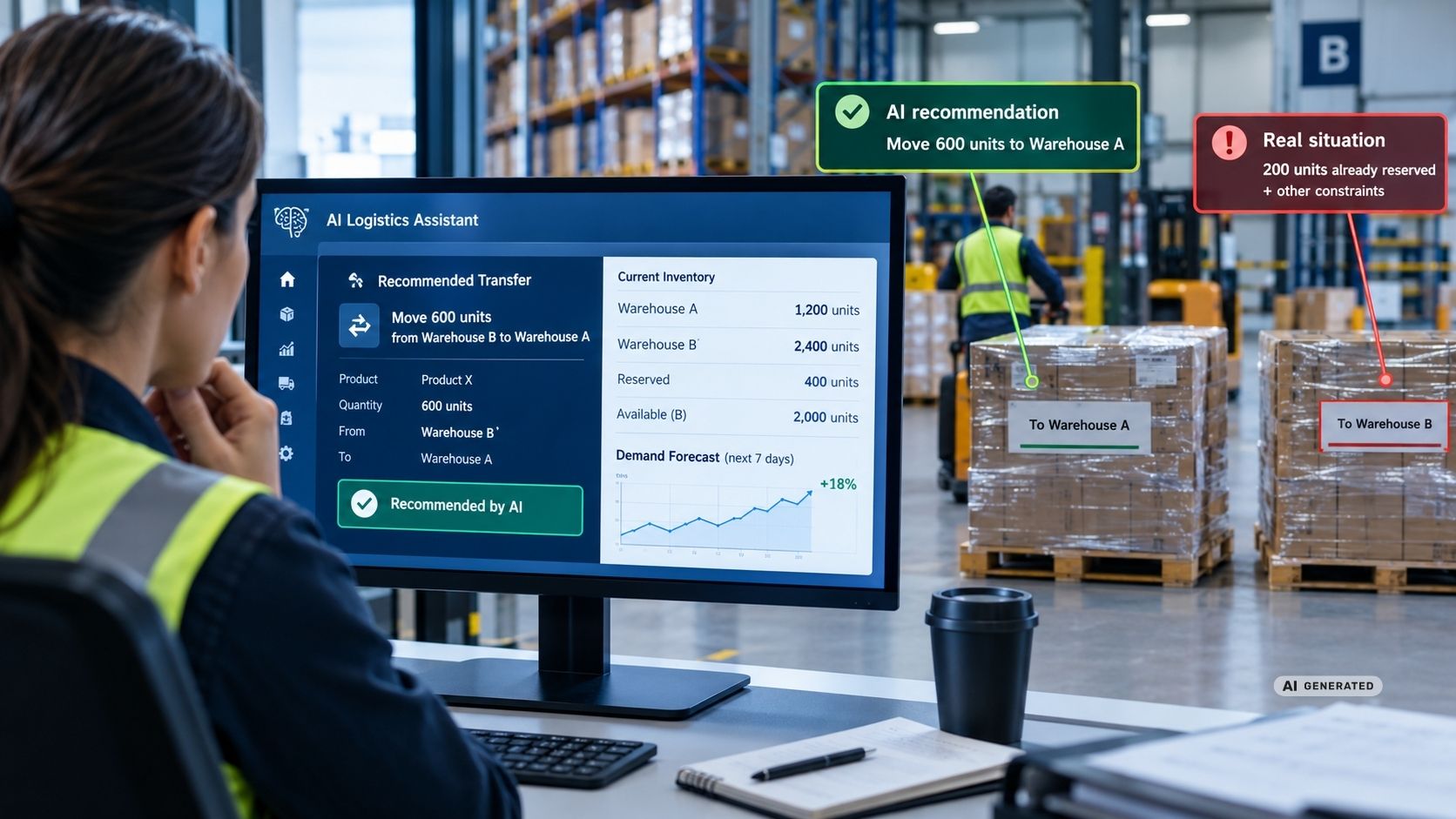
AI Hallucinations in Logistics: When AI Plans the Wrong Delivery
AI can analyze enormous amounts of logistics data — but it can also produce a convincing answer that is simply wrong. The critical question is not whether AI makes mistakes, but what happens when a wrong recommendation becomes an operational decision....
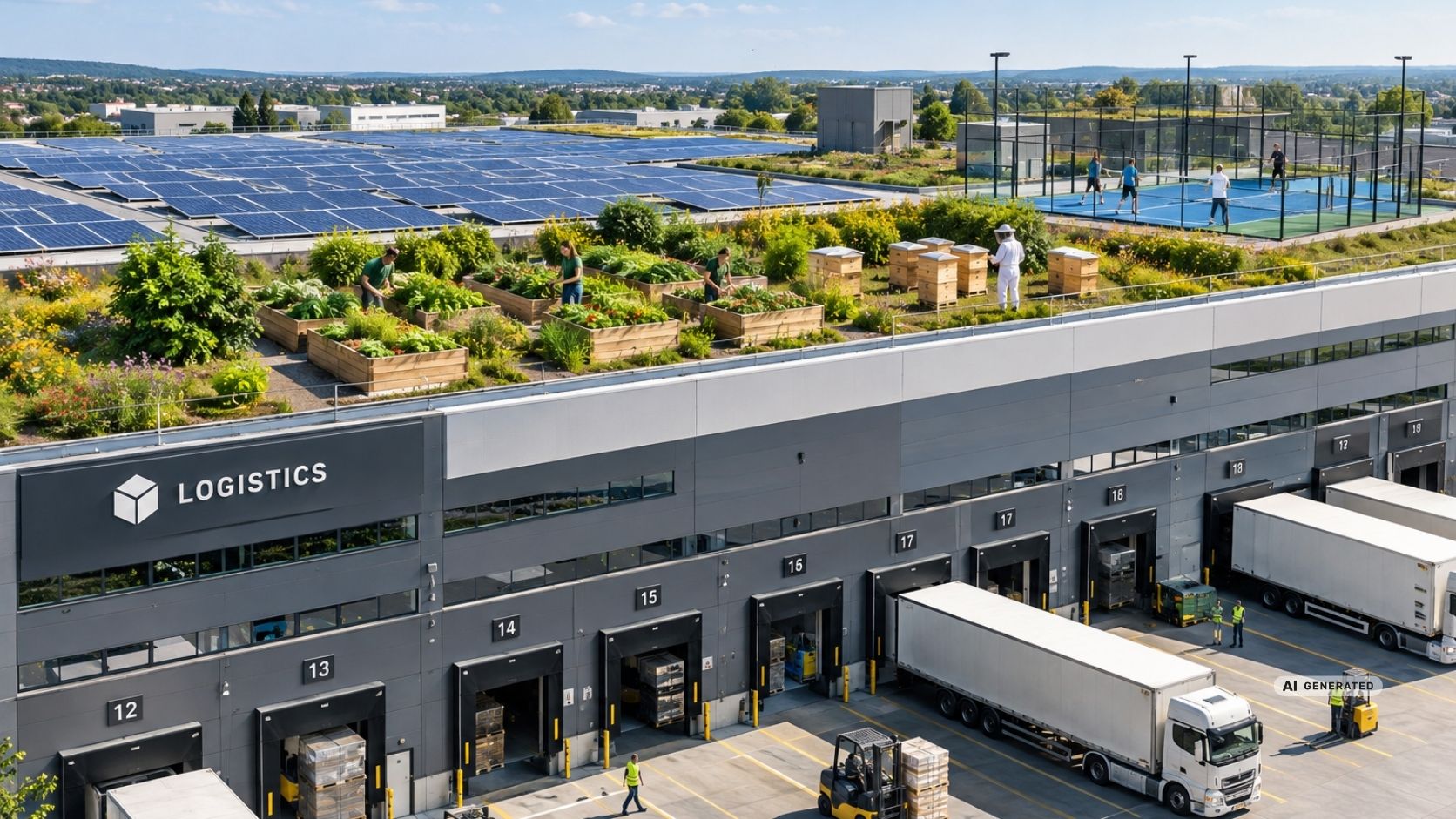
The Green Revolution on the Hall Roof: From Concrete Block to Ecological Power Plant?
Logistics roofs can do more than PV: greening, bees, urban farming and even sports areas turn unused roof space into multifunctional rooms....