



eCommerce Logistics 2025: The Ultimate Annual Planner for Warehouse & Fulfillment
The global eCommerce market is projected to reach over $8.1 trillion by 2026, but with this growth comes fiercer competition. Today's customers don't just expect a vast selection; they demand lightning-fast, reliable delivery. In fact, over 60% of online shoppers will choose one brand over another for better delivery options. For online retailers, this means one thing: exceptional eCommerce logistics is no longer a feature, but the very backbone of success.
Efficient supply chain management, optimized inventory control, and scalable fulfillment services are the critical levers for cutting costs, building customer loyalty, and driving profitable growth. This strategic annual planner will guide you quarter by quarter through the logistical challenges and opportunities of the 2025 eCommerce year.
Q1 (January – March): Building a Foundation Through Analysis & Returns Optimization
The first quarter traditionally begins with the aftermath of the peak season. While sales dip, another crucial metric hits its annual high: the product return rate.
Professionally Managing the Returns Wave
After the holidays, retailers face a deluge of returns. In the U.S. alone, the value of returned goods amounts to hundreds of billions of dollars annually, with return rates in the fashion industry sometimes exceeding 30%. Each return can cost a business $15-$30 to process, from inspection and restocking to customer service time. Therefore, an efficient returns management (or reverse logistics) process is paramount. A customer-friendly, yet cost-effective system is your first step toward building loyalty in the new year.
A Data-Driven Strategy for 2025
Use this relatively quiet period to conduct a deep dive into your Q4 logistics data. Where did shipping delays occur? Was your warehouse space optimally utilized? How did your fulfillment partner perform against their SLA? This data-driven analysis is the foundation for all your strategic decisions. Q1 is the perfect time to re-evaluate contracts with logistics providers and lay the groundwork for a scalable setup.
Q1 Summary:
- Reduce Returns Costs: Implement a streamlined process to handle the high volume of post-holiday returns.
- Performance Analysis: Evaluate Q4 logistics KPIs (Key Performance Indicators) to identify bottlenecks.
- Assess Fulfillment Partners: Review your 3PL's performance and, if necessary, begin sourcing alternatives.
.jpg)
Q2 (April – June): Strategic Planning & Inventory Optimization
The second quarter is a time for strategic foresight. The operational fires have been put out; now, it's about using the calm before the next storm for intelligent inventory and capacity planning.
Demand Forecasting: From Inventory Audit to Prediction
A thorough inventory audit is the starting point. Reconcile your system data with your physical stock. Use this clean data to perform modern demand forecasting for the upcoming Q4 peak season. AI-powered tools can analyze historical data, seasonality, and market trends to generate far more accurate predictions than ever before. This prevents costly overstocking and stockouts of popular items.
Securing the Right Logistics Capacity
Your forecast answers the most critical question: Is my current logistics setup ready for Q4? Do I need more warehouse space? Should I consider a decentralized fulfillment network to be closer to my customers and optimize last-mile delivery? Q2 is the time to answer these questions and secure the necessary resources on the market before demand—and prices—begin to climb.
Q2 Summary:
- Accurate Demand Forecasting: Use data and AI tools to predict Q4 sales volume and product demand.
- Inventory Optimization: Conduct a full stock audit to identify slow-moving products and plan for best-sellers.
- Capacity Planning: Evaluate your warehousing and fulfillment needs for the end-of-year rush.
Q3 (July – September): Implementation & Building Supply Chain Resilience
Summer marks the start of the final preparation sprint. All the plans made in the first half of the year must now be put into action to make your supply chain resilient for the upcoming surge.
Finalize and Test Your Logistics Setup
If you are planning to switch fulfillment partners or expand your warehouse capacity, this is the final window for implementation. Any new system, partner, or process must be not only implemented but also thoroughly tested by the end of September. Conducting stress tests can reveal critical flaws before they become expensive problems during the holiday shopping season.
Smart Inbounding for Peak Season
Based on your forecast, the inbounding of Q4 inventory now begins. A strategically organized warehouse is crucial. Ensure that fast-moving items (A-items) are easily accessible to minimize picking times. This is a critical factor for efficient order fulfillment when operating under immense pressure.
Q3 Summary:
- Complete Implementation: Finalize all planned logistics changes by the end of the quarter.
- Build Up Inventory: Strategically stock your warehouse for the peak season based on your forecast.
- Test Your Systems: Conduct stress tests on your eCommerce platform, Warehouse Management System (WMS), and partner integrations.
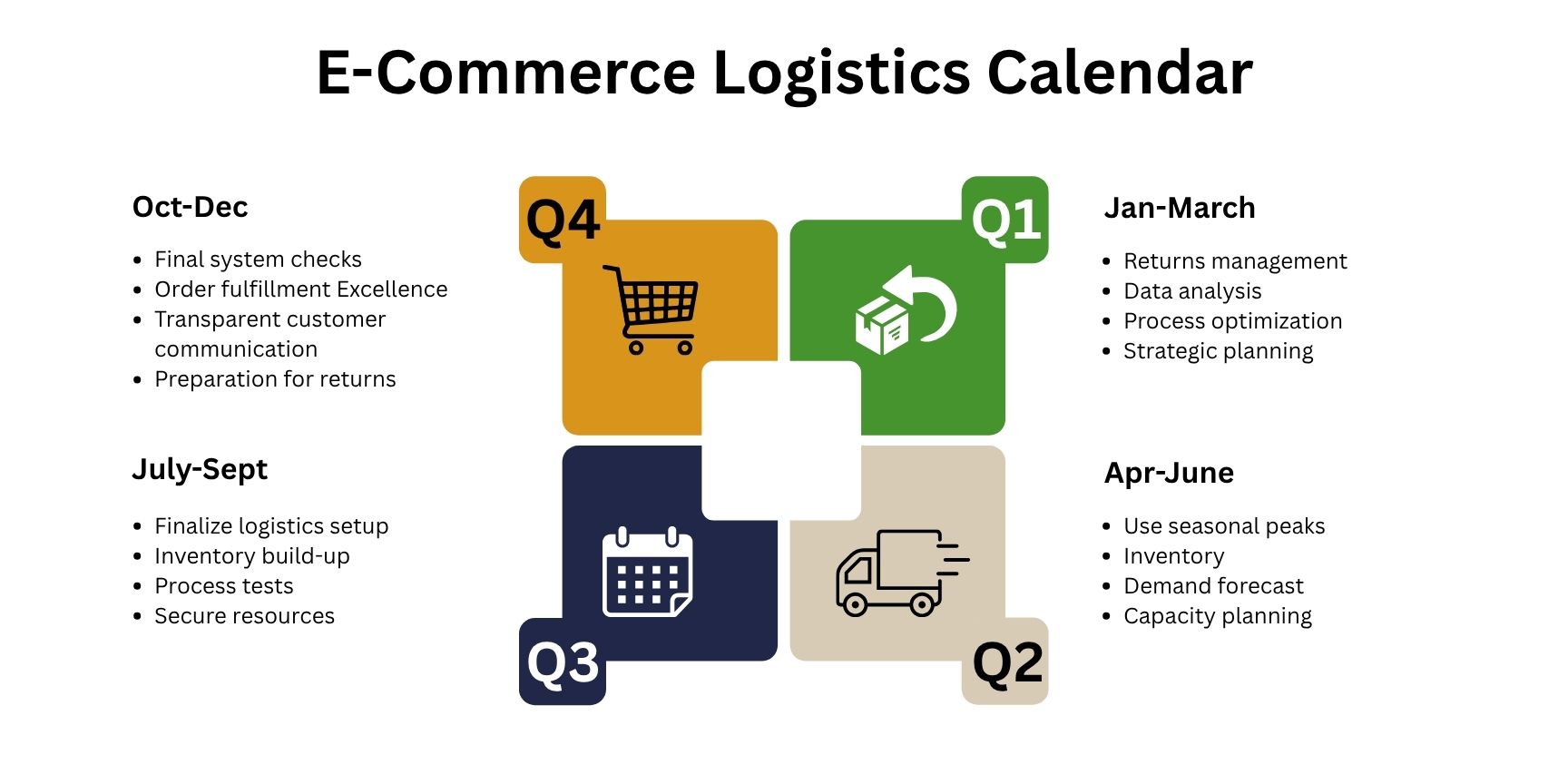
Q4 (October – December): Performance, Scalability & Sustainability
Welcome to the ultimate test. The fourth quarter reveals how well you've prepared. Parcel volumes can increase by up to 100% during the pre-holiday period compared to the yearly average.
Excellence in Order Fulfillment
From early November, operational excellence is all that matters. Fast, error-free picking, packing, and shipping are critical to success. Transparent communication about delivery times is essential to maintain high customer satisfaction. Any final tweaks to your logistics setup should be completed by the first week of October at the latest.
Sustainability as a Competitive Advantage
During peak season, sustainability in logistics becomes a key differentiator. A growing number of consumers base their purchasing decisions on eco-friendly delivery options. Optimized route planning, the use of sustainable packaging, and consolidated shipping can not only protect the environment but also reduce costs and serve as a powerful marketing tool.
Q4 Summary:
- Maximize Performance: Ensure the smooth and rapid processing of extremely high order volumes.
- Focus on Sustainability: Leverage eco-friendly logistics solutions as a brand differentiator.
- Communicate Proactively: Keep your customers informed about their order status to manage expectations.
Latest Blog Posts
Stay up to date with the newest trends, insights, and tips in warehouse and logistics. Our latest articles help you navigate the industry with confidence.

Data Centres vs. Logistics Facilities: The Race for Power and Land
Across Europe, logistics operators are competing for more than land and transport access. They increasingly need something much harder to secure: grid capacity. Data centres are intensifying that competition — and changing how logistics locations are evaluated....

Chinese companies discover Europe's logistics real estate
Chinese companies are becoming an increasingly visible user group in Europe's logistics real estate market. What does this mean for warehouse space, 3PL structures and the requirements for European logistics locations?...
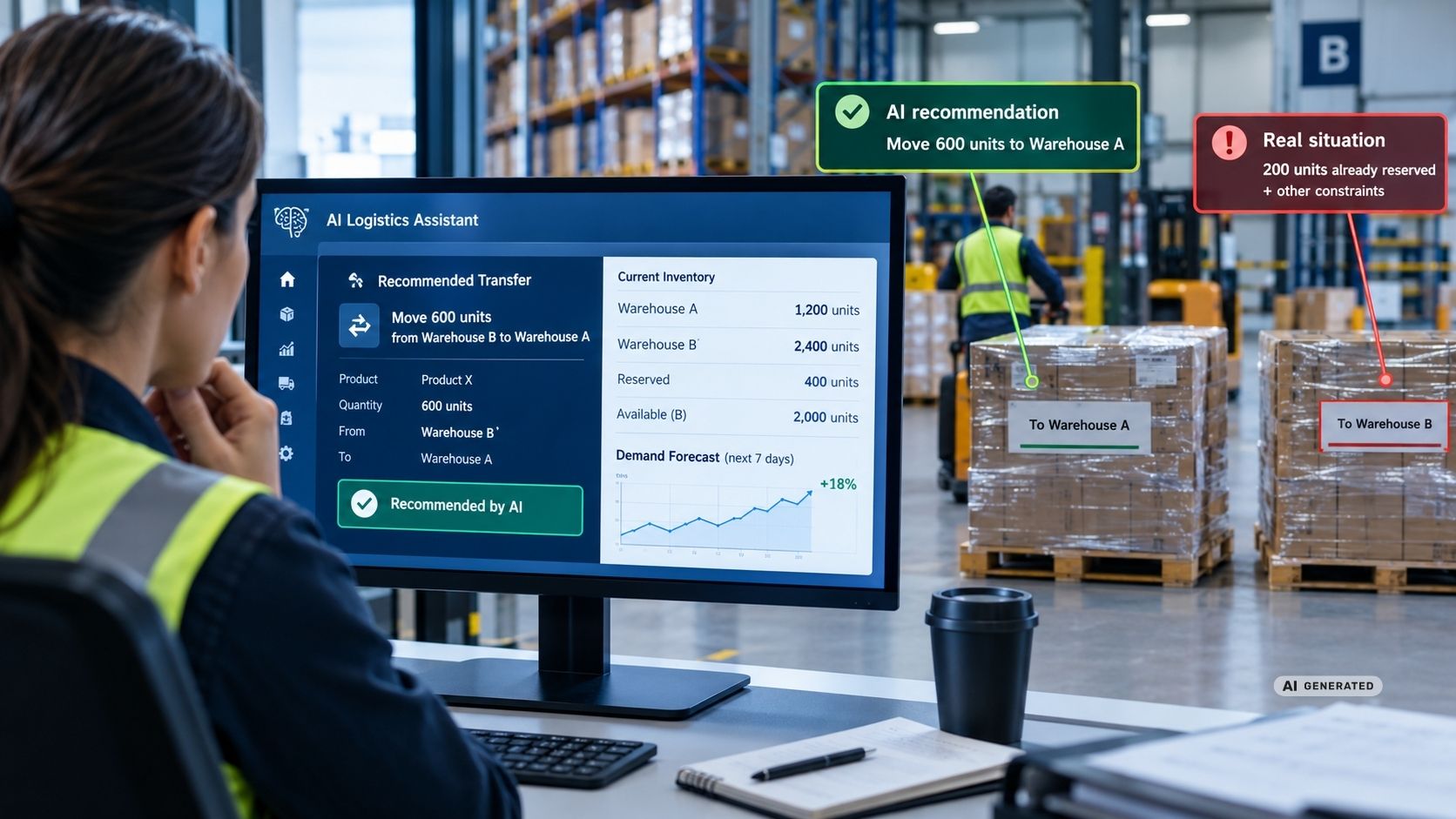
AI Hallucinations in Logistics: When AI Plans the Wrong Delivery
AI can analyze enormous amounts of logistics data — but it can also produce a convincing answer that is simply wrong. The critical question is not whether AI makes mistakes, but what happens when a wrong recommendation becomes an operational decision....
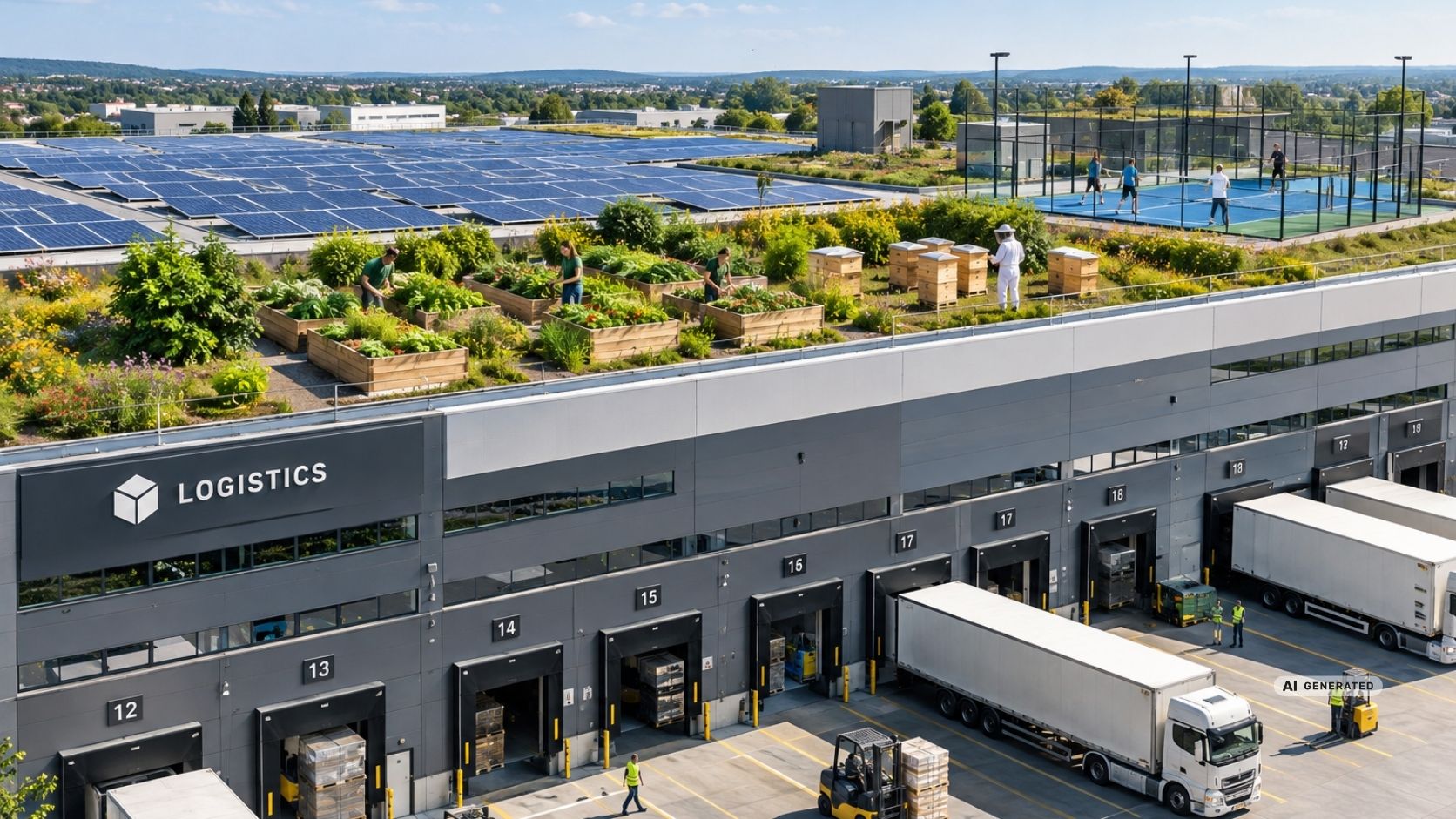
The Green Revolution on the Hall Roof: From Concrete Block to Ecological Power Plant?
Logistics roofs can do more than PV: greening, bees, urban farming and even sports areas turn unused roof space into multifunctional rooms....