


E-fulfilment: The heart of online retail – Why it is so important
Online retail is booming and has developed from a niche market into a dominant economic factor over the last few decades. But what goes on behind the scenes to ensure that our orders arrive smoothly? The answer lies in e-fulfilment. This blog post highlights why e-fulfilment is so crucial in the field of logistics and warehouse logistics and how this trend has developed.
The explosive growth of e-commerce: How it all began
The birth of the internet in the 1990s laid the foundation for e-commerce. Initially tentative, with pioneers such as Amazon selling books online, the trend developed rapidly. Access to the internet became easier, safer and faster. Customers appreciated the convenience of being able to shop from home and the selection that traditional retail could not offer. This shift in consumer behaviour required a completely new approach to logistics. Suddenly, it was no longer just about supplying shops, but about delivering individual parcels to millions of households.
E-fulfilment as the backbone of online retail: more than just shipping
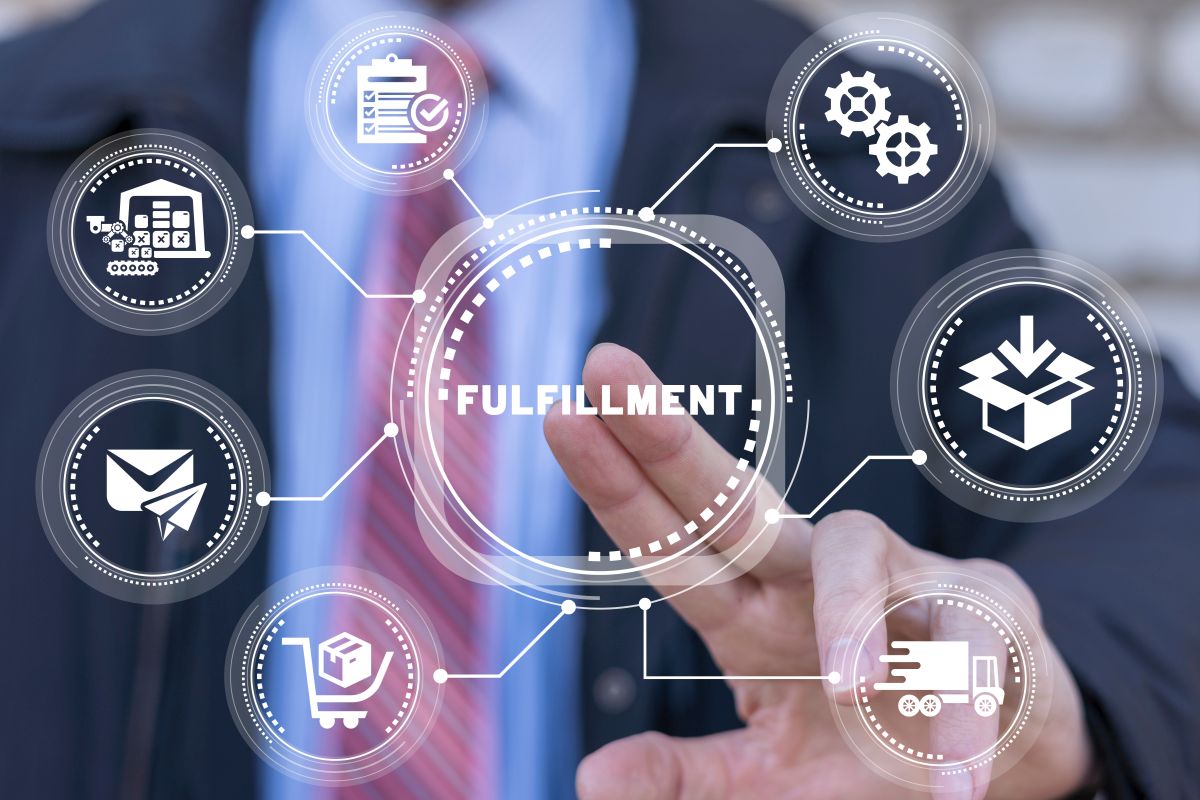
E-fulfilment is much more than just sending parcels. It encompasses the entire process from order placement to delivery to the end customer and beyond. This includes:
- Order acceptance: The efficient processing of incoming online orders.
- Warehousing: Optimal storage of products, often using intelligent inventory management systems.
- Picking and packing: Fast and error-free assembly of the ordered items and their secure packaging.
- Shipping: Selection of the appropriate shipping service provider and timely delivery of the parcels.
- Returns management: Efficient processing of returns, a critical factor in e-commerce.
- Customer service: Answering questions about order status and delivery.
Smooth e-fulfilment is crucial for customer satisfaction and thus for the success of an online retailer.
Challenges and complexity in warehouse logistics due to e-fulfilment
The switch to e-fulfilment posed and continues to pose enormous challenges for warehouse logistics. Instead of large pallet deliveries to B2B customers, countless small orders with different items and delivery addresses now have to be processed. This requires:
- Greater variety of items (SKUs): A much larger number of different products must be stored and quickly accessible.
- Smaller batch sizes: Individual items instead of entire boxes must be picked.
- Fast turnaround times: Customers expect ever faster deliveries, often on the same or next day.
- Complex return flows: Handling returns requires special processes and storage areas.
- Flexibility and scalability: The system must be able to respond to seasonal peaks (e.g. Black Friday, Christmas business).
This has led to a surge of innovation in warehouse logistics, with the use of automation, robotics and intelligent warehouse management systems.
Technological innovations: automation and AI in e-fulfilment
Technological innovations have become essential in order to meet increased demands. Automation plays a key role in increasing efficiency and reducing errors. Here are a few examples:
- Automated storage and retrieval systems (AS/RS): Robots and shuttles that store and retrieve products fully automatically.
- Driverless transport systems (AGVs): Transport goods autonomously within the warehouse.
- Pick-by-light/voice/robot: Systems that support picking through visual signals, voice commands or even robots.
- Artificial intelligence (AI) and machine learning: Optimise storage space utilisation, forecast demand and improve route planning for deliveries.
These technologies enable logistics companies to process large volumes of orders efficiently and without errors.
Customer expectations and competitive advantage: Why excellent e-fulfilment is crucial
Customer expectations in online retail have risen enormously in recent years. Fast and reliable deliveries are no longer an option, but a basic requirement. Excellent e-fulfilment is therefore not just a cost factor, but a decisive competitive advantage.
- Fast delivery times: Customers who order today want their goods delivered tomorrow – or even faster.
- Shipment tracking: Customers want to know where their parcel is at all times.
- Easy returns: A straightforward returns process promotes trust and repeat orders.
- Sustainability: The environmental friendliness of delivery (e.g. CO2-neutral shipping) is also becoming increasingly important to customers.
Companies that invest in optimised e-fulfilment can set themselves apart from the competition, increase customer satisfaction and build long-term customer relationships.
The future of e-fulfilment: personalisation, sustainability and omni-channel
The trend in e-fulfilment is continuing and will become even more complex and multifaceted in the future. The following are expected:
- Hyper-personalisation: Delivery options that are even more tailored to individual customer needs.
- Sustainable logistics solutions: The focus on environmentally friendly means of transport and packaging will increase.
- Omni-channel strategies: The seamless integration of online and offline channels, e.g. click & collect options or the use of retail stores as mini distribution centres.
- Predictive analytics: The prediction of demand peaks and proactive inventory planning to avoid bottlenecks.
E-fulfilment will continue to be the backbone of online retail and play a crucial role in the success of companies that want to survive in the digital age. It is a dynamic field that requires constant innovation and adaptation to meet the changing demands of the market.
Latest Blog Posts
Stay up to date with the newest trends, insights, and tips in warehouse and logistics. Our latest articles help you navigate the industry with confidence.
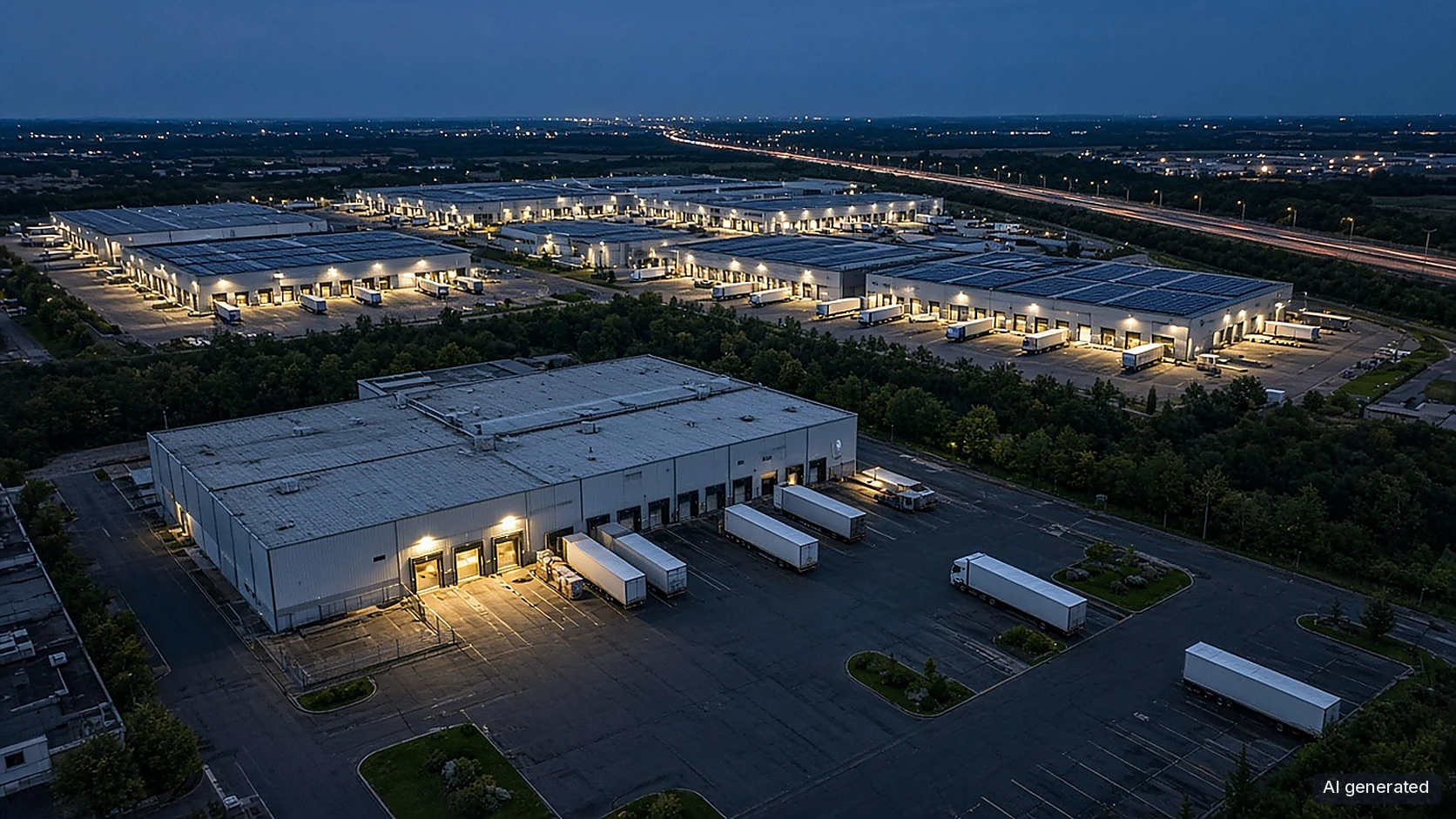
Hidden Vacancy: How Unused Industrial and Logistics Space Comes Back to the Market
Logistics space is scarce – yet some buildings stand half empty without ever being listed. We explain what lies behind hidden vacancy, how space holders can measure it and reactivate it on a sound legal footing, and what this means for companies looking for space....
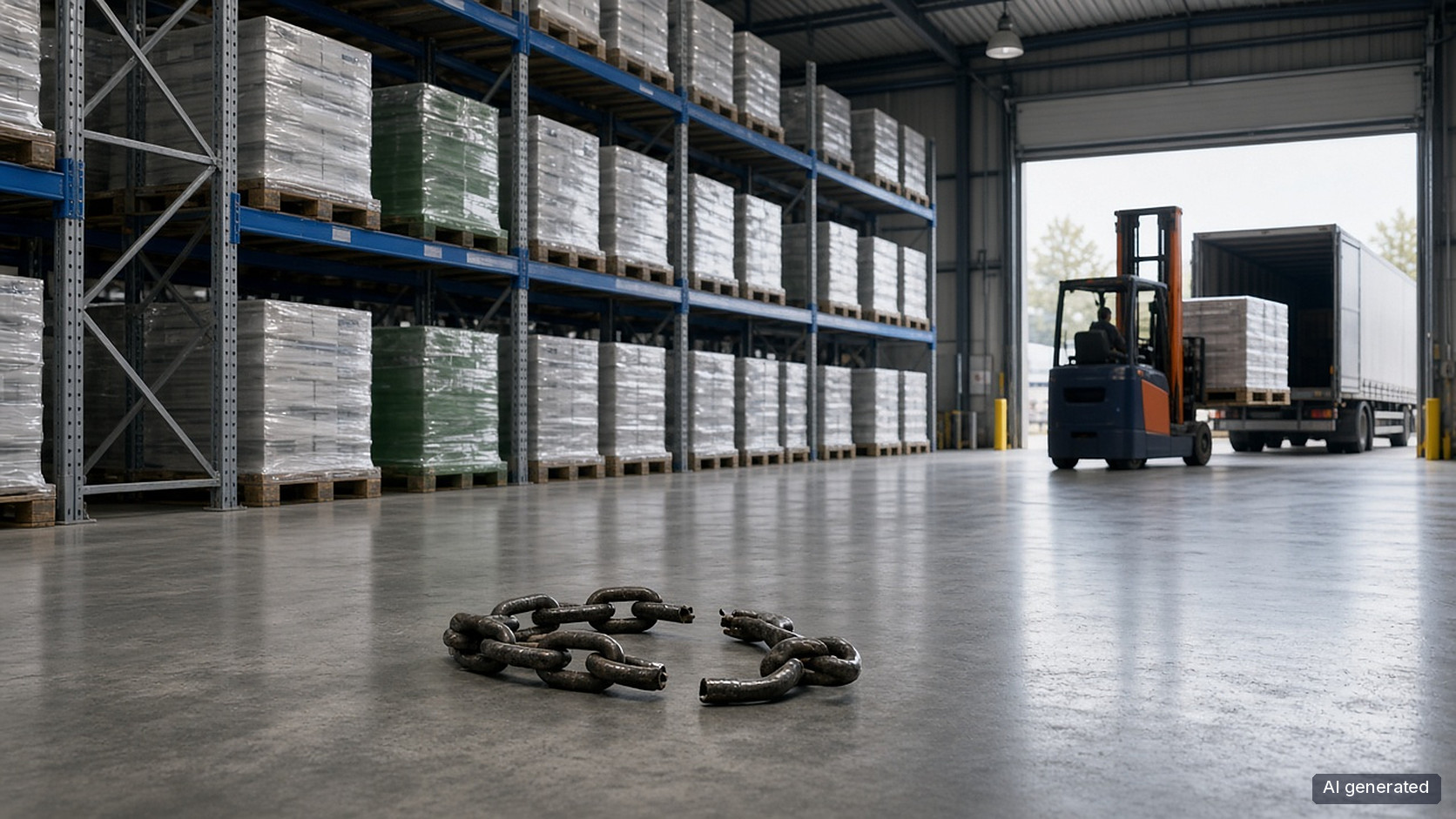
Switching contract logistics provider: why the exit from vendor lock-in starts in the contract
When your contract logistics provider stops delivering, switching often looks impossible. We show why the exit starts in the contract: with an escalation ladder, a switching-cost model, German employment law and a fictional but realistic example....
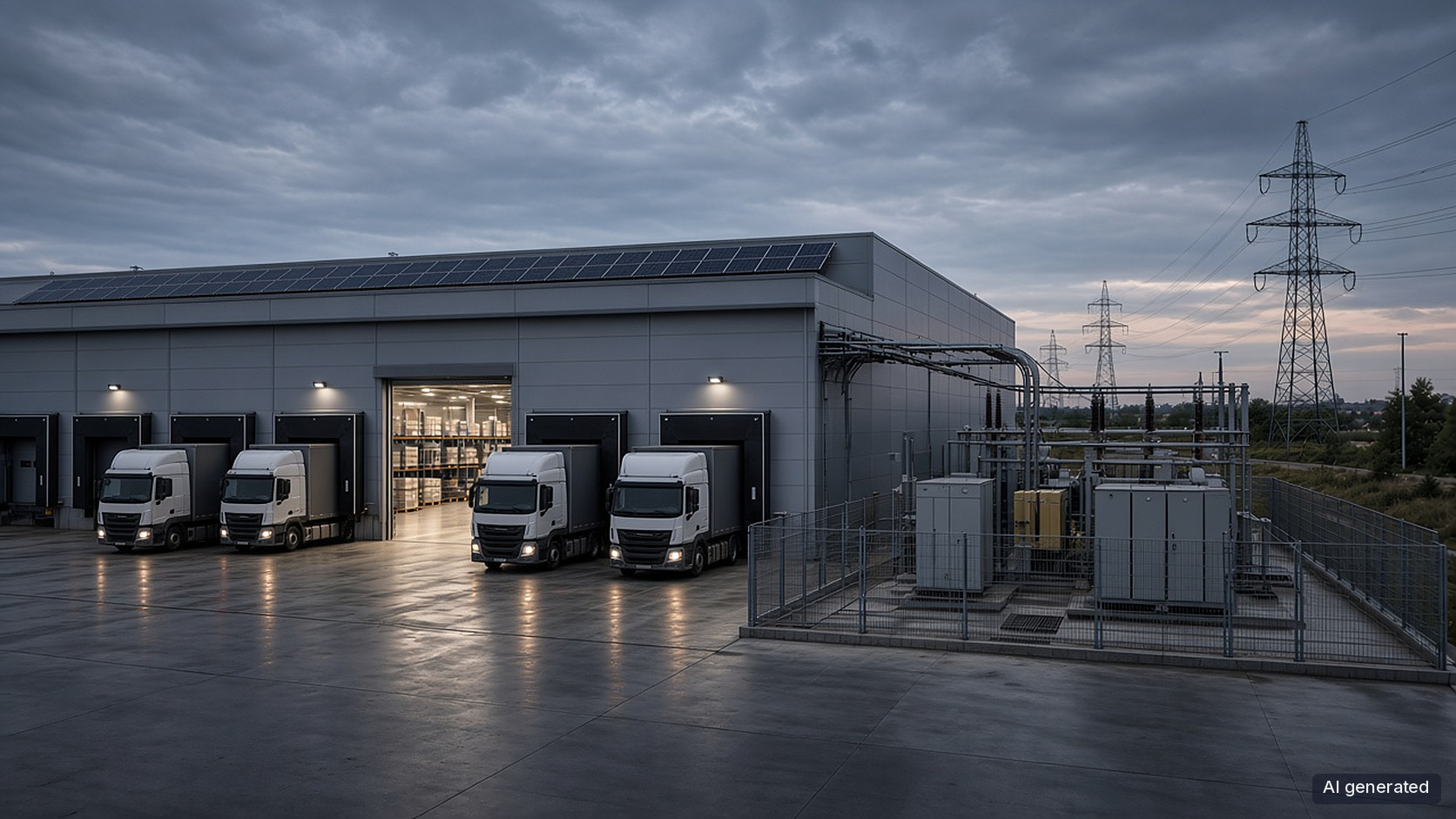
Logistics Real Estate 2027: It's Not the Rent That Holds You Back, It's the Building
In 2027, the search for warehouse space will rarely fail on rent. It will fail on the building itself: not enough power, a floor that can't carry the automation, a network full of dead spots. Why power, floor and network are becoming deal-breakers, and what occupiers, owners and developers should check now....
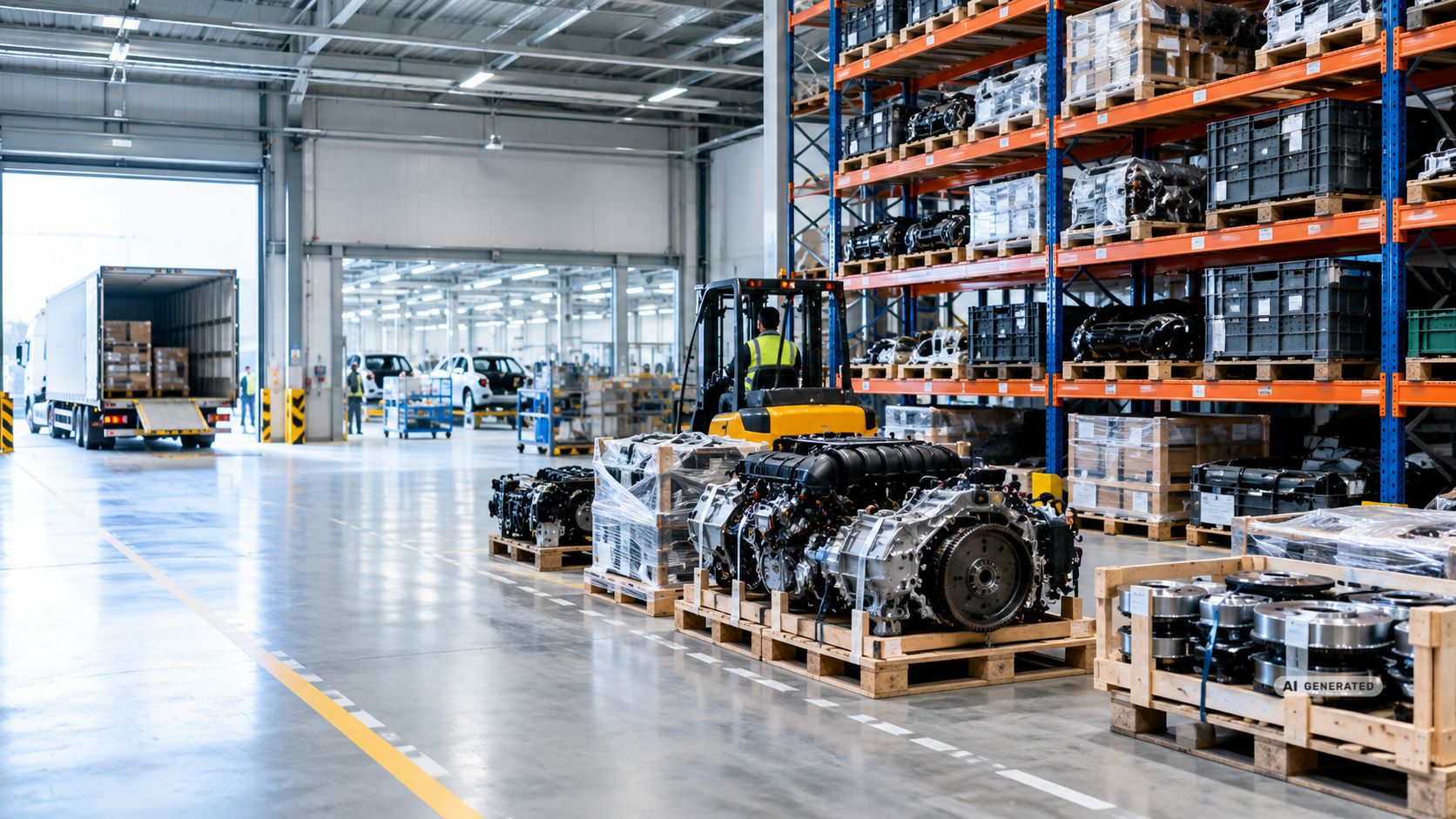
Poland, Czechia, Slovakia or Hungary: Which Location Best Fits Your Automotive Supply Chain?
Poland, Czechia, Slovakia and Hungary play different roles in Europe's automotive industry. This comparison explores which locations companies should consider for component sourcing, manufacturing, electric mobility and cross-border logistics....