



Vendor lock-in in logistics
Table of contents
- What is vendor lock-in? (Definition & Basics)
- The Vendor Lock in Warehouse Logistics: Automation and IT
- Contract logistics: When the service provider becomes irreplaceable
- The Logistics Property: Architecture as a Physical Shackle
- Figures, data, facts: How much does addiction cost?
- Prevention: How to maintain your independence in the supply chain
- FAQ: Frequently asked questions about vendor lock-in and warehouse logistics
- Conclusion: Independence as a strategic competitive advantage
What is vendor lock-in? (Definition & Basics)
Vendor lock-in describes a situation in which a customer is so tied to the products, services or technologies of a specific vendor that switching to a competitor is only possible with enormous financial, technical or operational hurdles. What has long been a well-known phenomenon in the classic IT world is developing into one of the greatest strategic risks for retailers and producers due to the rapidly increasing complexity in modern logistics.
The Vendor Lock in Warehouse Logistics: Automation and IT
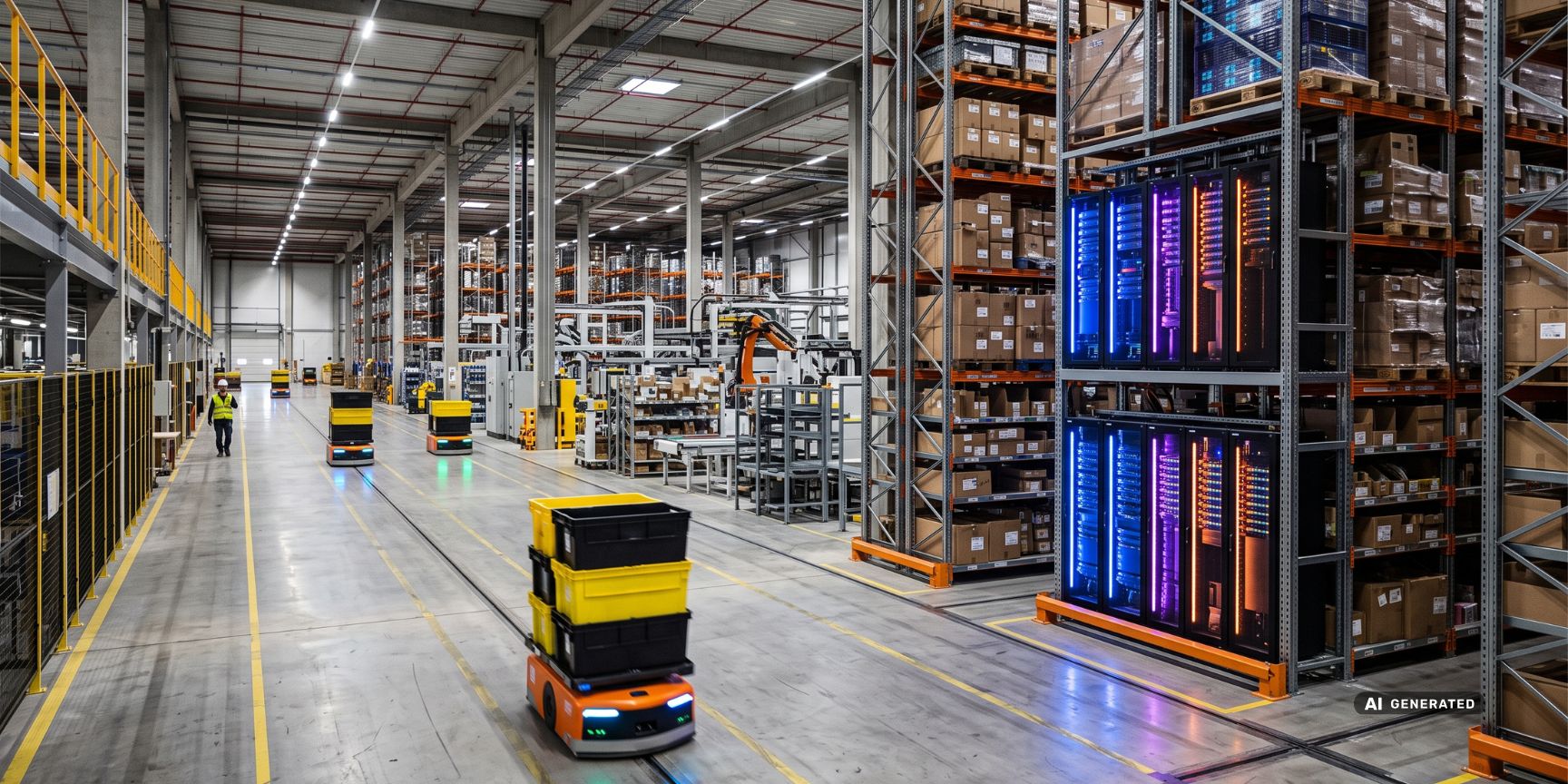
In warehouse logistics, the vendor lock often develops insidiously due to advancing digitalization. If companies implement a warehouse management system (WMS) that is highly proprietary and has no open interfaces (APIs), they are de facto tied to this one software provider. If highly specific automation technology (such as closed systems of driverless transport systems or proprietary AutoStore systems) is added to this, which can only communicate with this exact WMS, the trap snaps shut.
In such cases, a later change of conveyor technology or software leads to massive business interruptions and exorbitantly high migration costs, as not only the hardware but also the entire information technology infrastructure usually has to be replaced.
Contract logistics: When the service provider becomes irreplaceable
Outsourcing logistics services actually promises flexibility and scalability. In contract logistics, long-term, contractually fixed partnerships are often concluded over 3 to 5 years or longer. The service provider not only takes care of the pure storage, but also integrates itself deeply into the customer's value chain through value-added services (VAS) such as quality controls, assembly or returns management.
The strategic problem: The deeper the integration, the greater the dependency. Often, the IT systems (ERP and WMS) of the customer and service provider are completely merged with each other. The immense operational and financial effort of relocating the entire warehouse setup, including the process know-how built up over many years, to a new contract logistics provider deters many shippers – even if the service quality of the current provider drops drastically or the pick rates increase disproportionately when contract is extended.
The Logistics Property: Architecture as a Physical Shackle
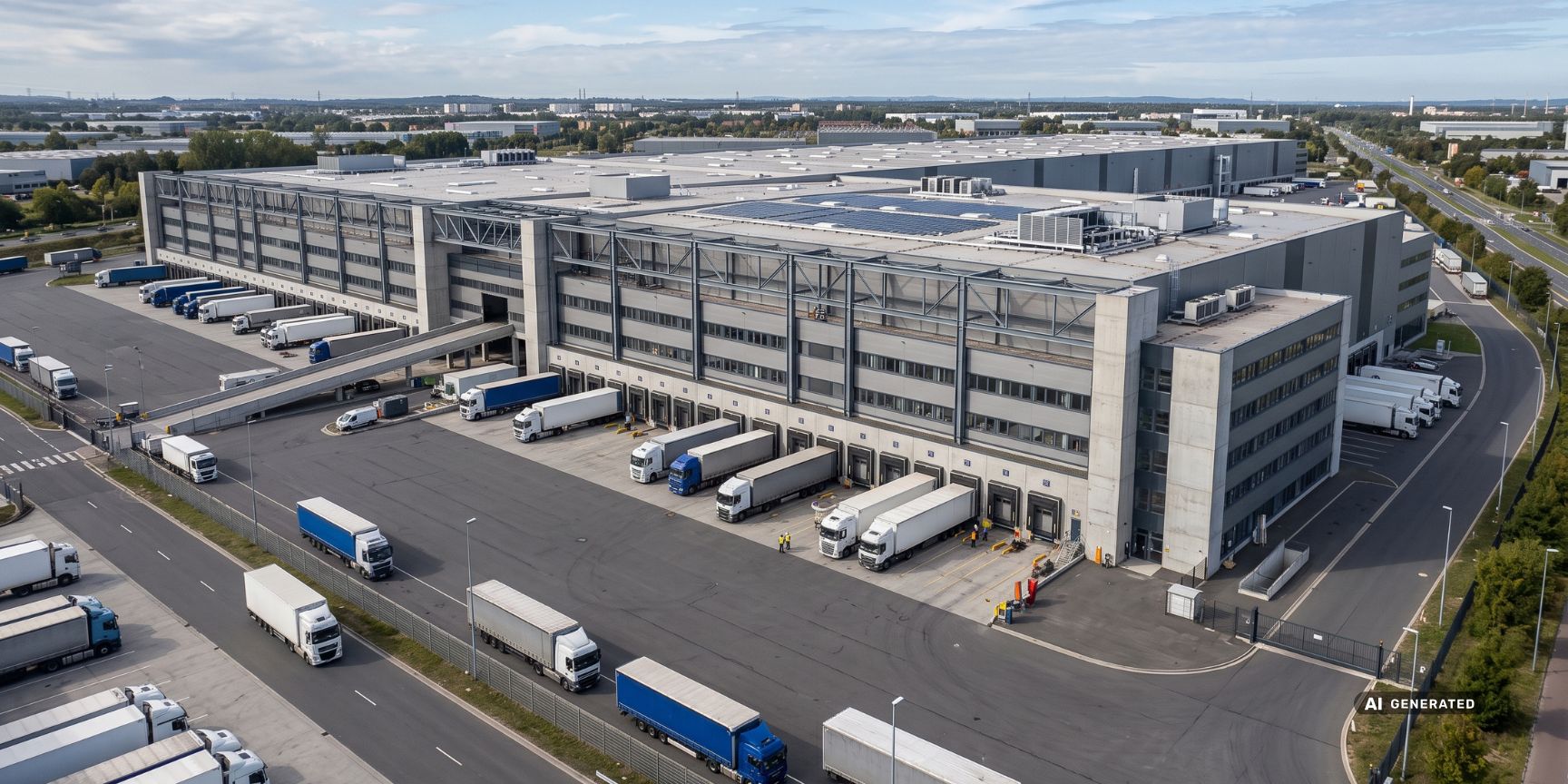
The hall itself can also lead to vendor lock-in. This is particularly the case with the so-called dedicated warehouse (single-user logistics), where the complete setup and the highly complex automation technology are 100% tailored to the specific products and processes of a single customer. Solitary locations or tailor-made built-to-suit properties often contractually bind the company for 10 to 15 years.
If the business model changes during this time – for example, due to unexpected scaling or the switch from pure pallet logistics to highly dynamic small parts logistics in e-commerce – the hall often cannot be converted flexibly enough due to rigid floor plans. On the other hand, there is the shared warehouse (multi-user logistics), in which personnel, technology and IT infrastructure are shared. This offers much greater scalability and reduces the risk of a physical and contractual one-way street.
Figures, data, facts: How much does addiction cost?
The true costs of vendor lock-in are hidden in the so-called exit barriers (switching costs). Practical examples from logistics show the explosiveness:
- WMS migration: Replacing a proprietary warehouse management system in a running 10,000 m² hall usually requires project budgets in the mid-six-figure range. In addition, there are incalculable costs for temporary operational downtime.
- Physical exit costs: The relocation of a fully equipped warehouse to a new service provider (including dismantling the racking systems, transport and recommissioning) can cost between 150 and 250 euros per pallet space, depending on the complexity.
- Opportunity costs: If a contract is formulated too rigidly, falling market prices cannot be used for transaction fees, which permanently reduces the company's margin.
Prevention: How to maintain your independence in the supply chain
Companies that plan their logistics strategy with foresight can drastically reduce dependencies through targeted measures:
- Open source and API-first: When selecting software, pay uncompromising attention to open interfaces (REST APIs) and use middleware platforms that standardize data exchange and facilitate a later system change.
- Flexible leases: Use transaction-based pay-per-pallet models or short-term lease location solutions to scale quickly during peak orders without long-term commitment.
- Modularity in the hall: Rigidly bolted, customer-specific installations are often an economic risk – modular systems and wide, open spaces are the trump cards here.
- Clear exit strategies: Negotiate precise exit clauses when concluding the contract logistics contract. These should regulate the standardised data release and the active support of the old service provider in the onboarding of a new partner in a legally binding manner.
FAQ: Frequently asked questions about vendor lock-in and warehouse logistics
What is the difference between customer retention and vendor lock-in?
While excellent customer loyalty is based on mutual trust, high service quality and real added value (e.g. error-free value-added services), vendor lock-in forces the customer to remain with the service provider through artificial technical, contractual or structural hurdles – often against his own economic interests.
How do I avoid lock-in when renting a hall?
Rely on a high level of third-party usability right from the start. This describes how easily a hall can be rented to a new user from outside the industry after the current tenant has moved out. Prefer standard drying halls with industry-standard clear heights and column grids, as these make it possible to restructure logistical processes quickly and cost-effectively if necessary.
Can modern automation reduce lock-in risk?
Yes, if innovative procurement models such as "Robotics-as-a-Service" (RaaS) are used. Instead of buying robots for millions (CAPEX), you rent them and pay per transaction (OPEX). This way, you remain technologically agile and do not tie up valuable equity in proprietary assets.
Conclusion: Independence as a strategic competitive advantage
Vendor lock-in in warehouse and contract logistics is one of the most expensive, but often overlooked, traps in modern supply chain management. Whether it's rigid IT infrastructures, inflexible logistics real estate or contractual gags at service providers: dependencies continuously eat up margins and block essential company growth. On the other hand, those who proactively rely on modular layouts, a high level of third-party usability of their buildings and open IT interfaces act resiliently and future-proof in times of crisis. Maintain your strategic flexibility – in highly volatile logistics markets, it is your most valuable asset.
💡 Are you currently looking for flexible logistics properties, state-of-the-art halls or a contract logistics company that relies on transparent, partnership-based contracts without lock-in traps? Discover future-oriented space and reliable partners for your scalable supply chain on our specialist portal LAGERflaeche.de!
Your Ideal Logistics Warehouse
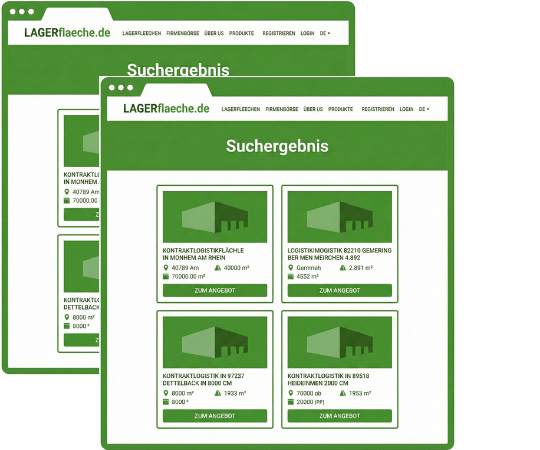
Browse listings for warehouse space, logistics real estate, industrial land, and contract logistics solutions.
Browse Exposés
Maximize Exposure for Your Warehouse Space
Showcase your logistics properties and attract qualified inquiries.
Discover Products