
Commission-free offer
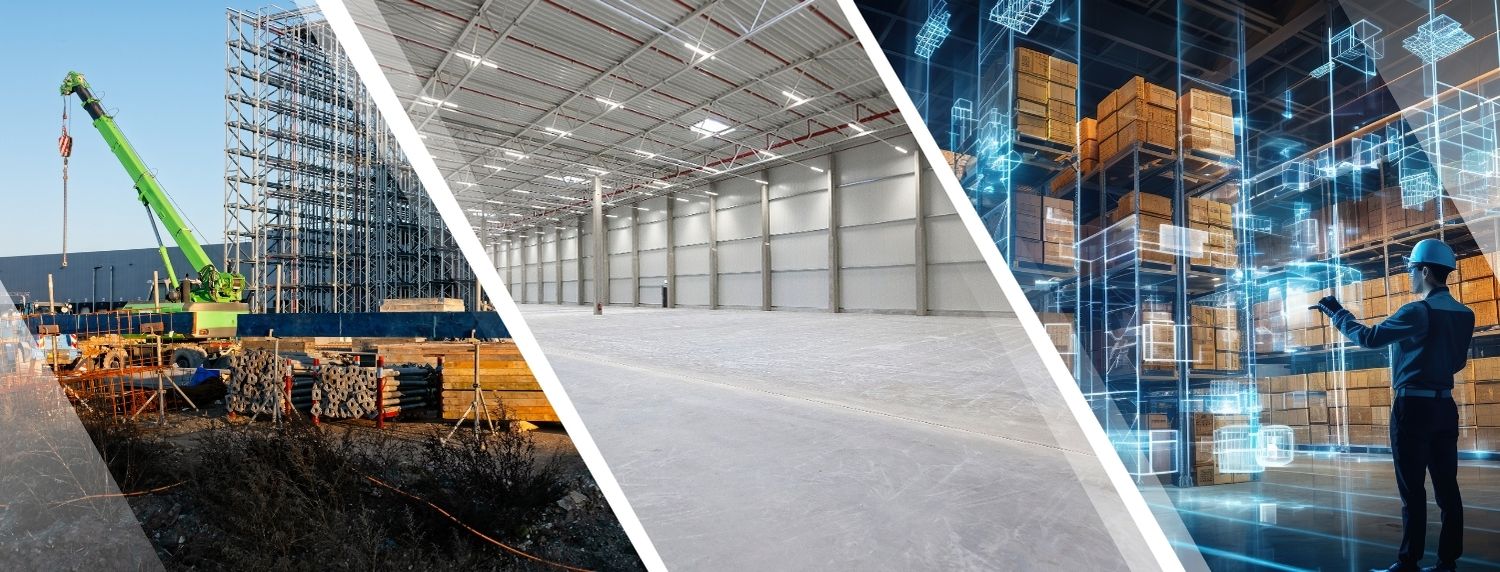
Großzügige Hallen- und Lagerfläche
Object no.: 10181
Logistics real estate
Rental
Germany
34385 Bad Karlshafen-Helmarshausen
16.000 m²
Price on request

Use cost-efficient outdoor areas for weather-resistant, heavy or bulky goods. On LAGERflaeche.de, you will discover tailor-made location solutions – from pure space leasing (commercial property) to comprehensive logistics outsourcing on paved open spaces. Optimize your supply chain with warehouse solutions that literally know no ceiling boundaries.
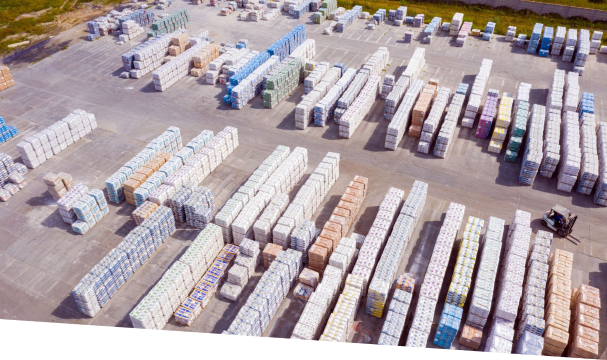
Find now immediately available external warehouses and logistics open spaces throughout Germany and internationally that fit your operational requirements exactly. Whether it's a heavy-duty floor, trimodal connection or integrated bonded warehouse – our marketplace offers you the right commercial location solution for your company.
Object no.: 10181
Rental
Germany
34385 Bad Karlshafen-Helmarshausen
Price on request

Object no.: 10180
Rental
Germany
95145 Oberkotzau
Price on request
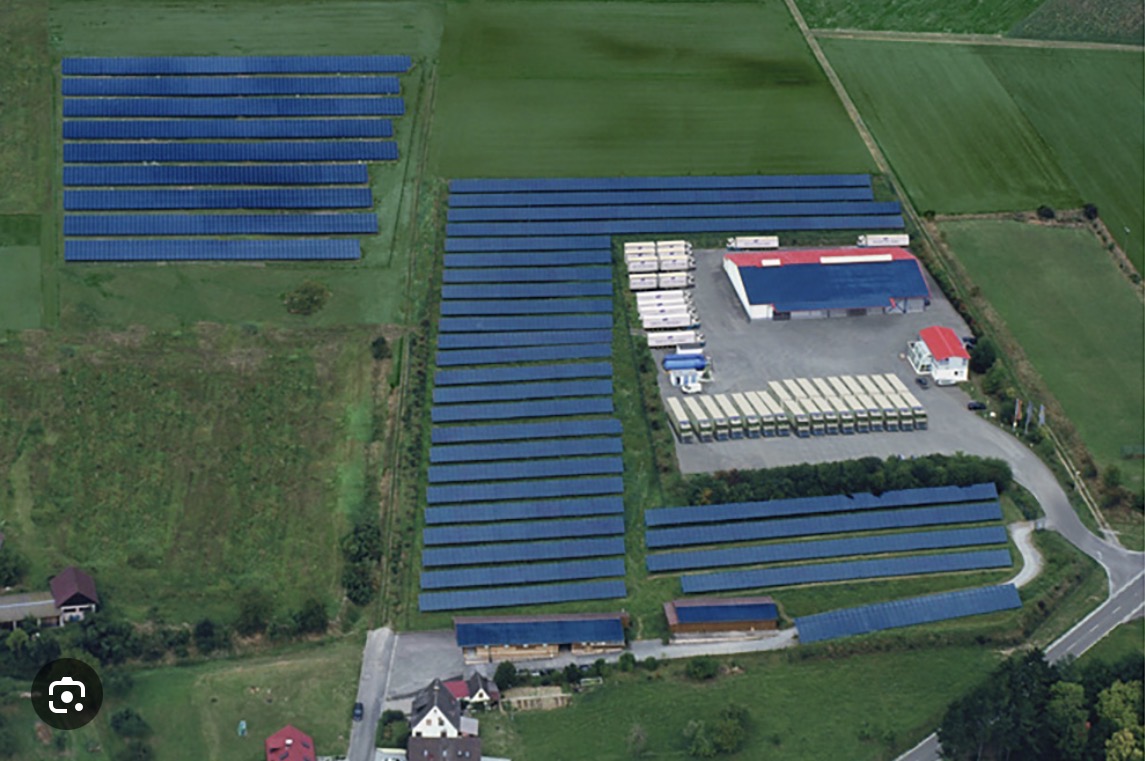
Object no.: 10172
Warehousing (warehouse with management)
Germany
97440 Werneck
Price on request
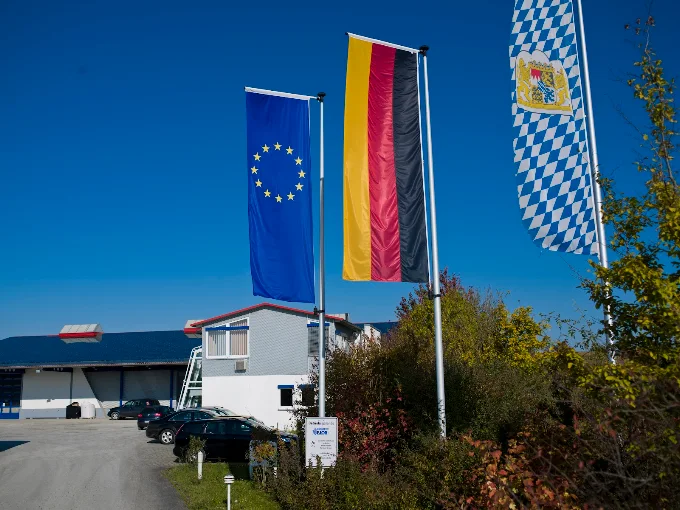
Object no.: 10169
Warehousing (warehouse with management)
Germany
97440 Werneck
Price on request
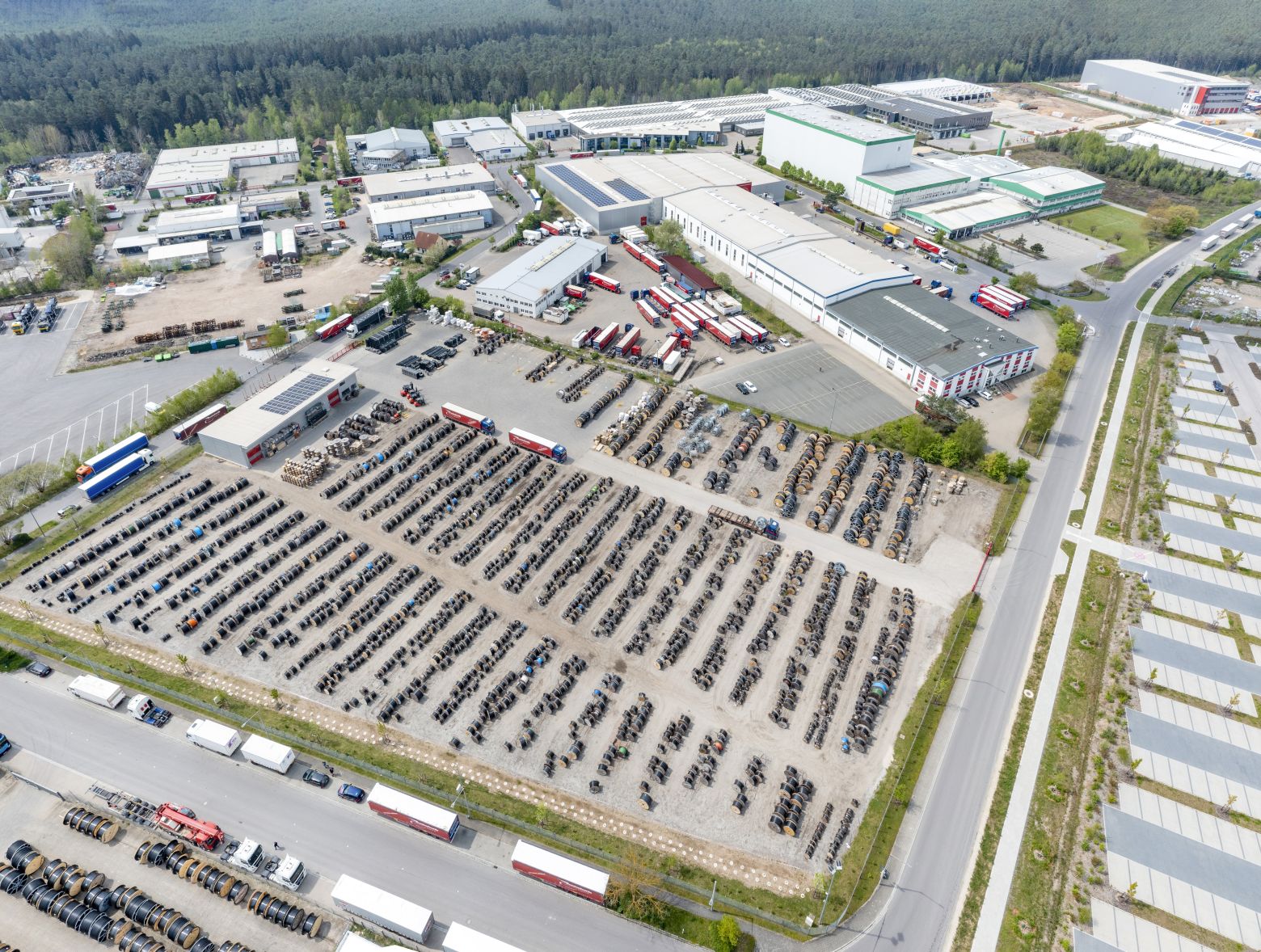
Object no.: 10164
Warehousing (warehouse with management)
Germany
91154 Roth
Price on request
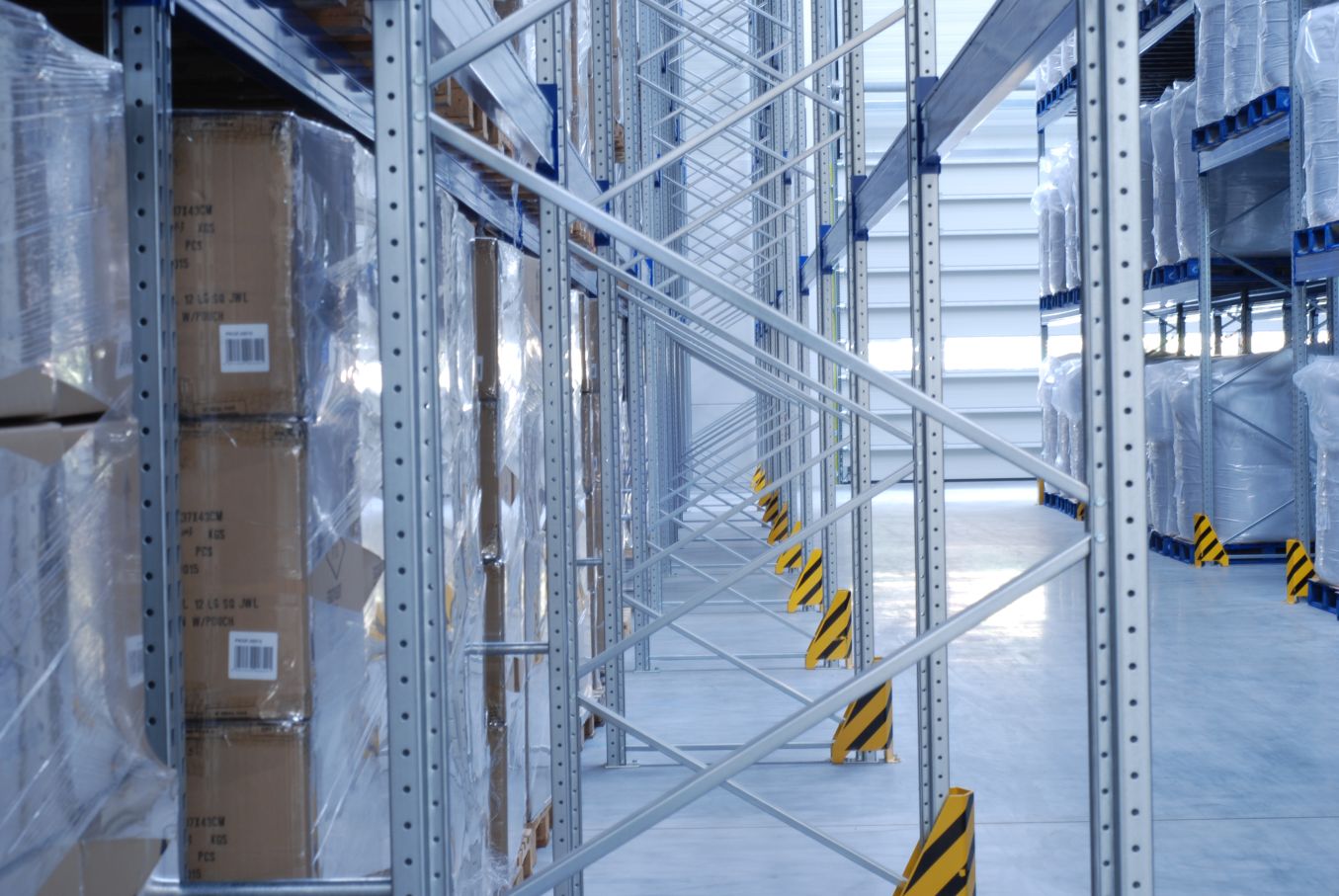
Object no.: 10153
Warehousing (warehouse with management)
Germany
84437 Reichertsheim
Price on request
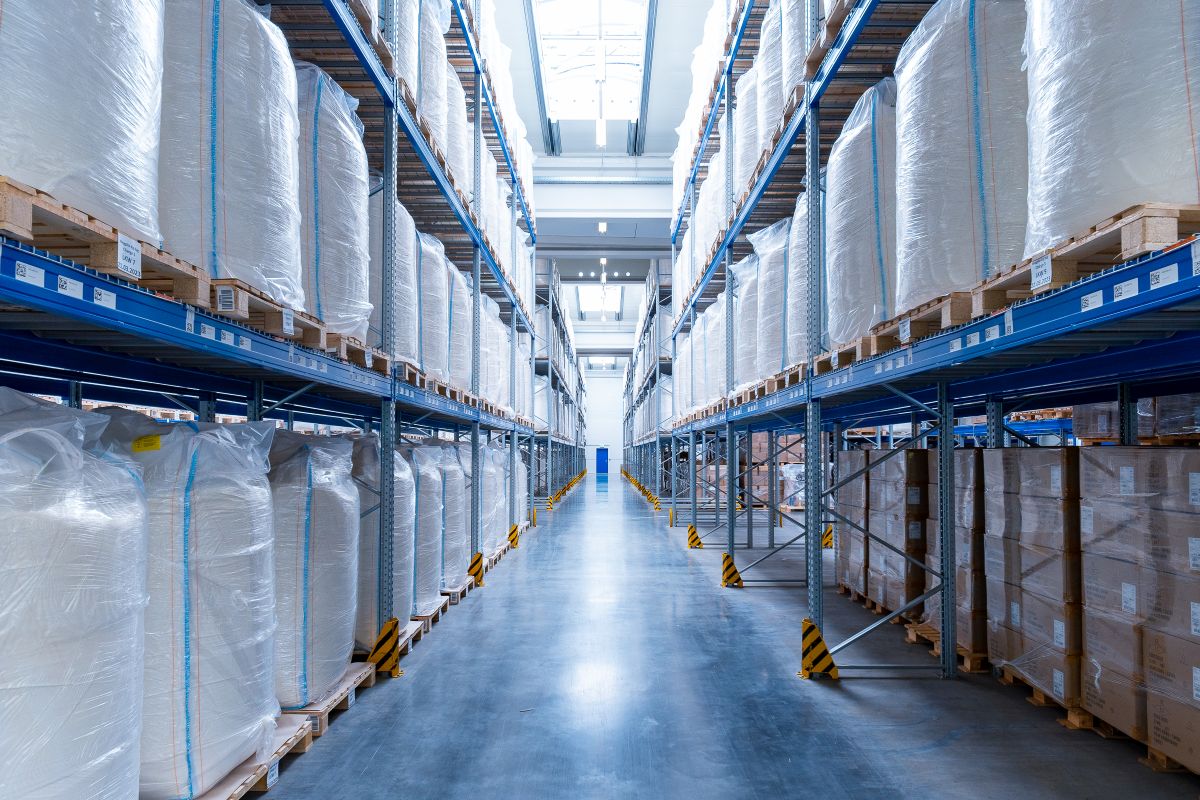
Object no.: 10152
Warehousing (warehouse with management)
Germany
84544 Aschau am Inn
Price on request
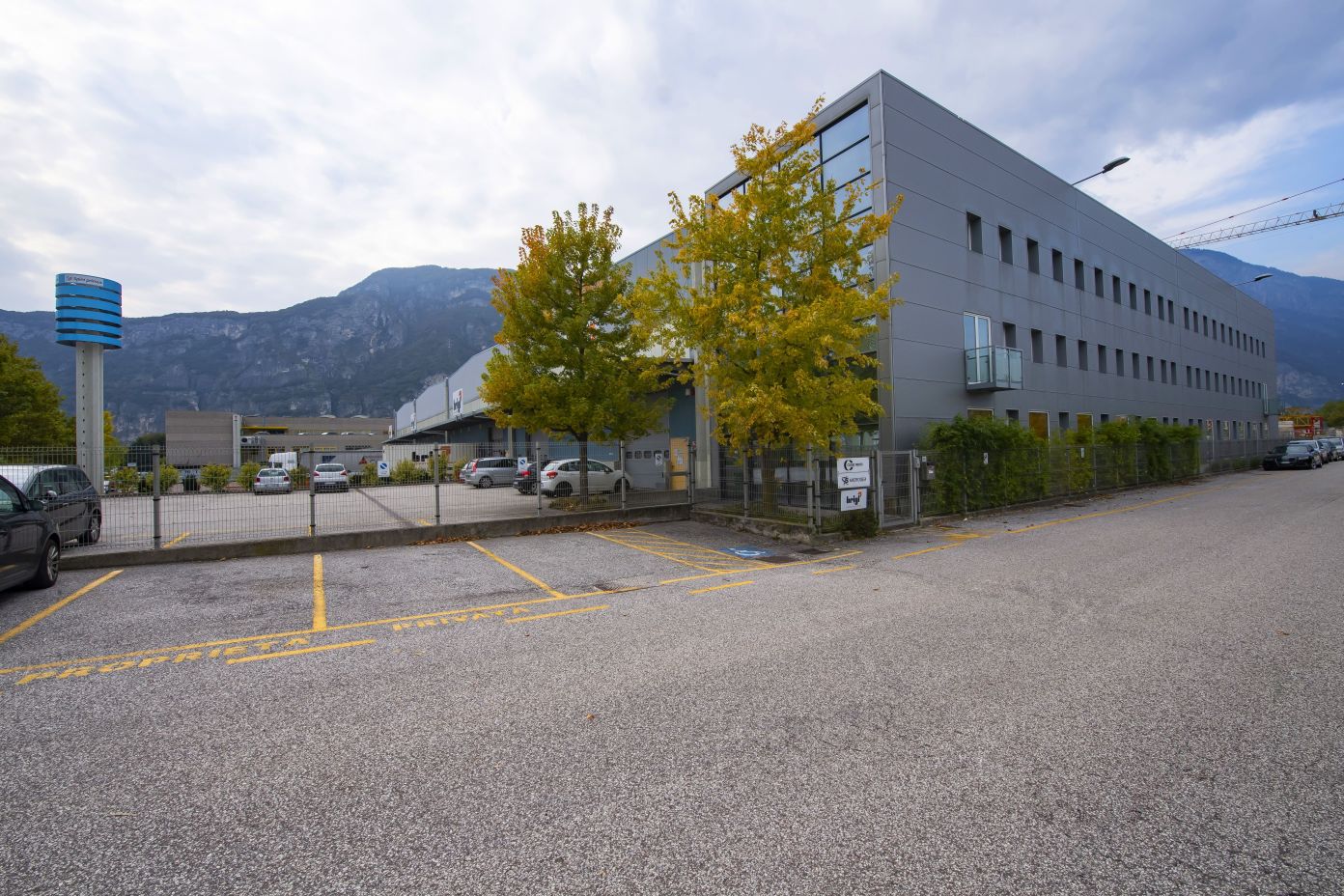
Object no.: 10130
Warehousing (warehouse with management)
Italy
38121 Spini di Gardolo
Price on request
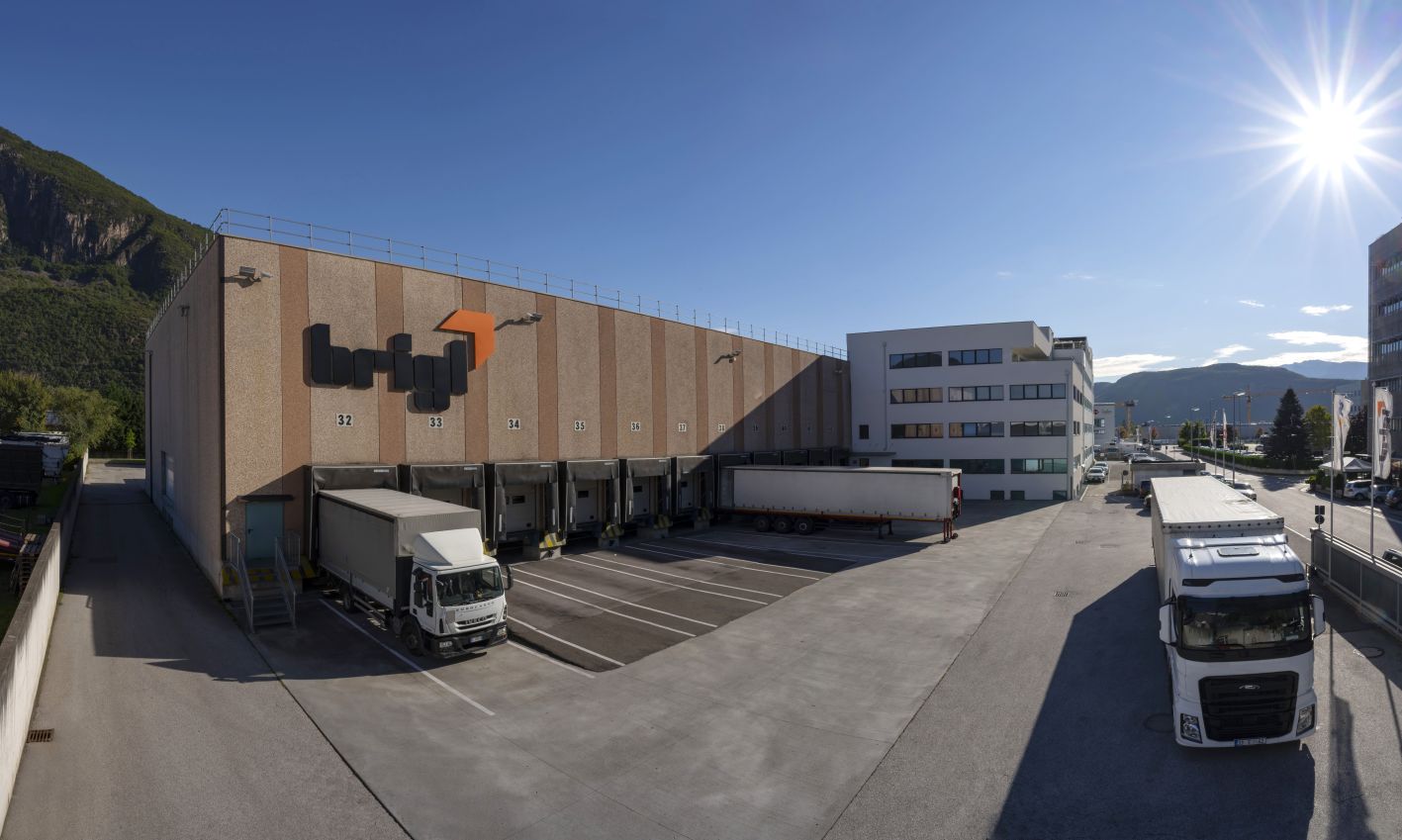
Object no.: 10127
Warehousing (warehouse with management)
Italy
39100 Bozen
Price on request
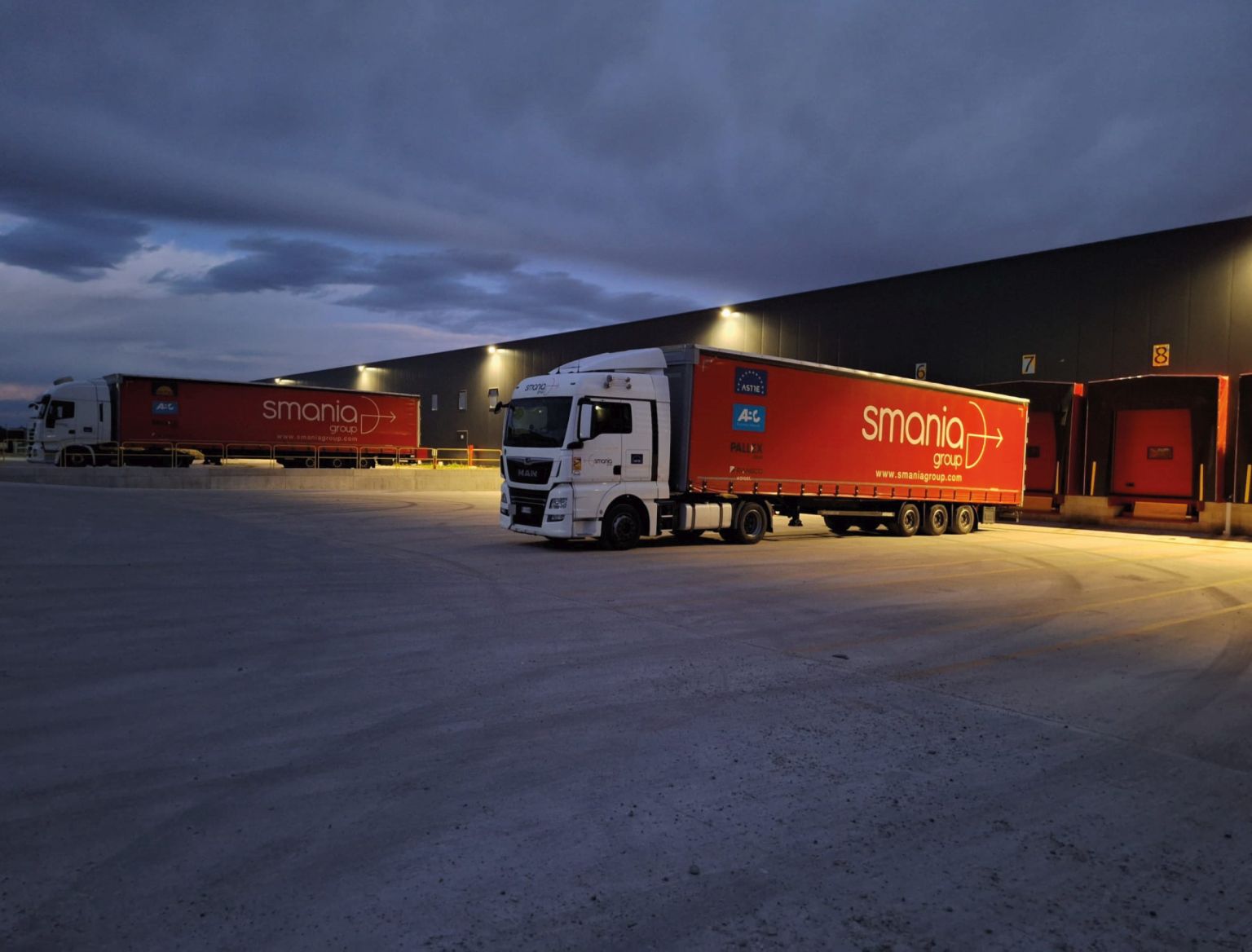
Object no.: 10124
Warehousing (warehouse with management)
Italy
31039 RIESE PIO X
Price on request
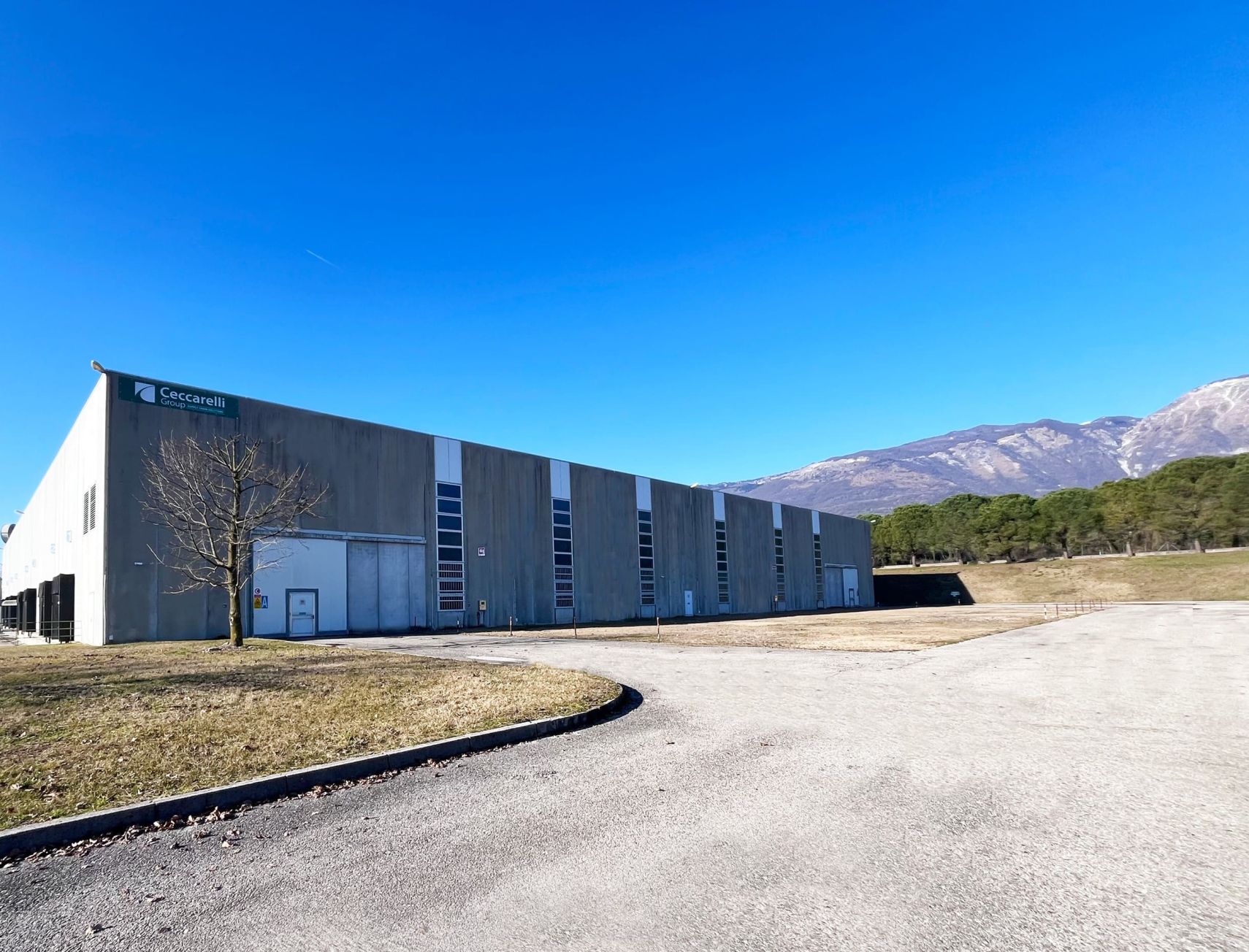
Object no.: 10119
Warehousing (warehouse with management)
Italy
33070 Budoia (PN)
Price on request
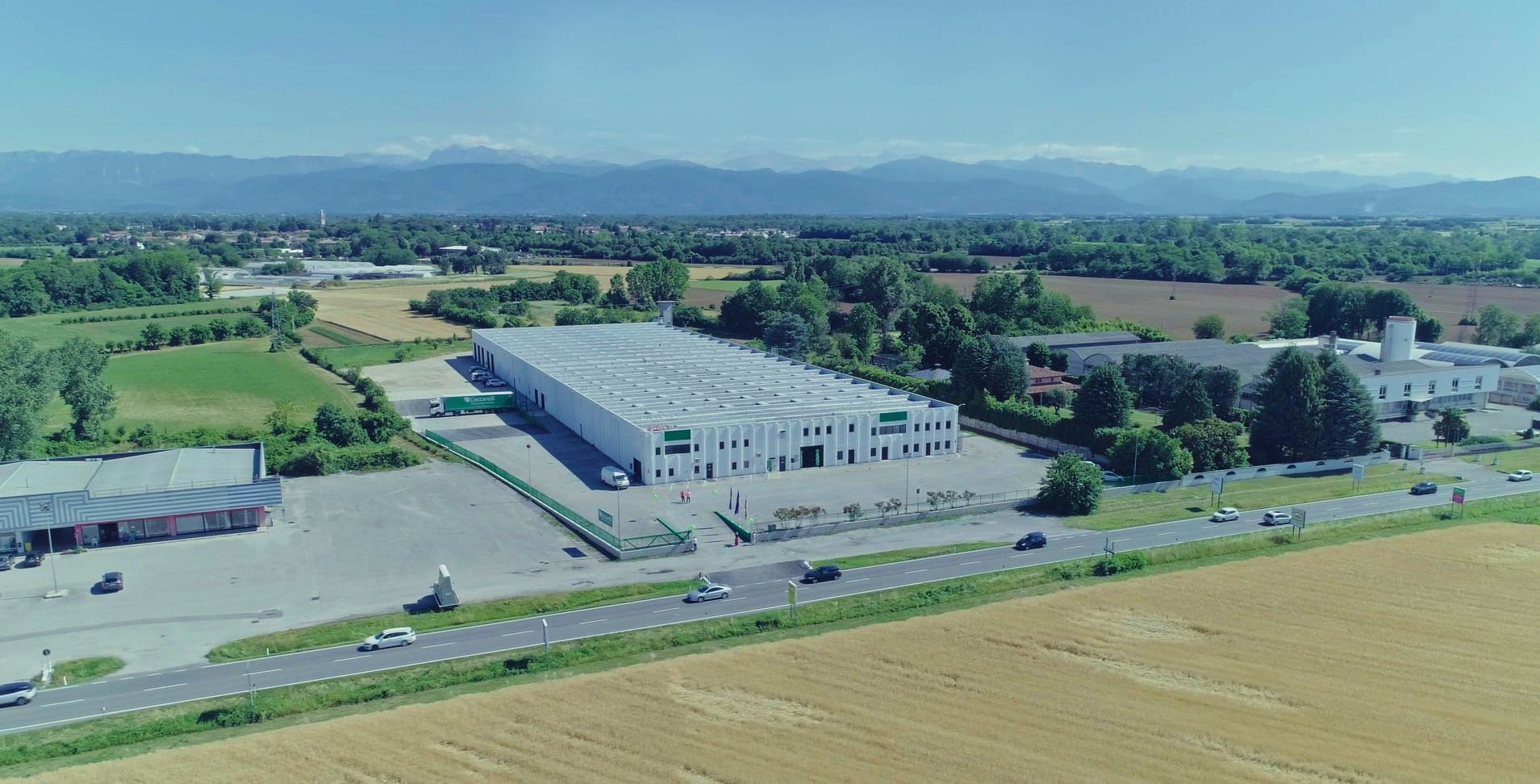
Object no.: 10118
Warehousing (warehouse with management)
Italy
33040 Pradamano (UD)
Price on request
» What is an Outdoor Warehouse? Definition and Logistical Significance
» For Which Industries and Goods are External Warehouses Suitable?
» Structural and Technical Requirements for Logistics Open Spaces
» Space Requirements, Rental Models and Scalability
» More Than Just Space: Outdoor Warehouse in Professional Logistics Processing
» Special Form: The Free Warehouse as a Customs Warehouse
» Digitalization, Process Optimization and GDPR in the Outdoor Area
» FAQ: Frequently Asked Questions about Outdoor Storage and Outdoor Areas
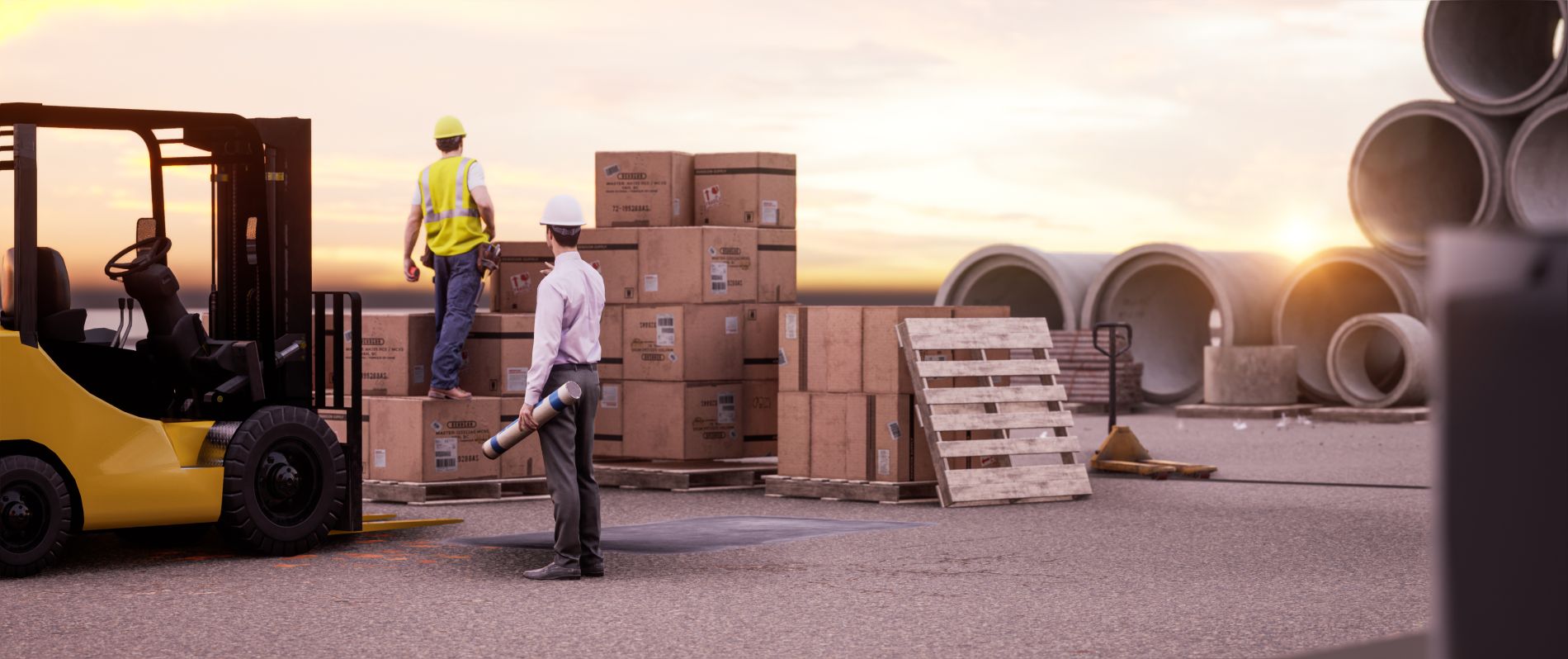
An open-air warehouse (often also called an outdoor warehouse or open space) is a designated storage area that is located in the open air and has no roof structure or enclosing walls. In contrast to closed storage facilities, the goods here are exposed to the direct effects of the weather.
Despite the lack of weather protection, outdoor warehouses play a central role in global supply chains. They offer an extremely cost-effective way to store large volumes of resistant or appropriately packaged goods. The lack of a roof is not only a cost factor, but often the decisive operational advantage: Heavy or extremely bulky goods, which would be limited by ceiling heights or door dimensions in classic hall buildings, can be handled barrier-free here with the help of heavy-duty cranes, reach stackers or large forklift trucks.
Since storage is unprotected, open spaces are primarily suitable for robust goods. Nevertheless, the spectrum of industries used is enormously broad and requires highly professional processes in practice:
If goods are only partially weather-resistant, they can be temporarily protected from moisture and UV radiation by thick shrink film, tarpaulins or the use of special containers.
→ Bulk material warehouse
→ Heavy goods warehouse
→ High-bay warehouse
Even if no walls are erected in this type of camp, a modernly planned open-air warehouse requires considerable infrastructural preparations. The soil condition is the absolute heart of this industrial property. Depending on the intended use, the surfaces are asphalted, concreted or specially compacted in order to reliably withstand massive point loads of several tons per square meter. A firm, clean surface prevents contamination of the stored goods and guarantees fast, smooth handling by heavy equipment.
In addition to the soil, environmental and safety aspects play a critical role in success:
Anyone looking for a location solution in the outdoor area benefits from significant economies of scale. The space requirements for external warehouses can often be adjusted much more dynamically than for rigid building structures.
Various rental models are establishing themselves on the market for this purpose: In addition to the classic, long-term lease of an entire commercial property (often via triple-net contracts), B2B customers are increasingly finding usage-based models.
Logistics service providers often offer billing according to the principle of "pay-per-square-meter" or "pay-per-pallet". This guarantees maximum scalability in the event of seasonal overhangs. In addition, the cost structure (TCO) has an extremely positive impact: without heating systems, complex ventilation systems or maintenance-intensive roofs, fixed costs and ongoing operating costs (OPEX) are reduced to an absolute minimum.
Whether you are looking for huge areas for vehicle logistics, need to handle heavy project goods safely or need a professional partner for your container management – we connect you with the best providers in the market. Compare available location solutions now, request tailor-made exposés and optimize your supply chain sustainably.
Open spaces are by no means just "dead parking spaces". Renowned service providers have long since established outdoor areas as a highly functional extension of their fulfillment solutions. Comprehensive value-added services (VAS) are offered on managed open-air warehouses.
These include, for example, complex heavy cargo handling, seaworthy preservation and packaging of machinery for export, container stuffing and stripping directly at the yard or the technical preparation of new vehicles (PDI - Pre Delivery Inspection). Shipping companies can thus intelligently outsource operational processes and focus entirely on their own core business.
A variant in high demand in the international supply chain is the free warehouse, which is declared as a customs warehouse (open customs warehouse). When companies need to store large amounts of imported goods (e.g., Asian steel, imported lumber), this status offers huge liquidity benefits. The goods can be temporarily stored on the open space untaxed and duty-free in the so-called customs suspension procedure. Only when the goods leave the guarded premises and enter the European economic cycle are customs duties and taxes due. Such areas are massively secured and require special official certifications.
Since outdoor warehouses are naturally more susceptible to theft and unauthorized entry, the strictest security requirements apply here. Modern facilities are hermetically sealed off by high-security fences, barrier systems and electronic access control systems.
Digitization has also long since arrived in the external camp. So-called yard management systems (YMS) control the arrival and departure of trucks, assign time slots and digitally navigate vehicles to the correct unloading point. This leads to enormous process optimization, as congestion on the factory premises is prevented and throughput times are drastically reduced. Mobile terminals on forklift trucks use GPS to record exactly in which area grid a component has been placed – an essential step for modern warehouse management in the open air.
In the course of comprehensive camera surveillance (CCTV) and automatic number plate recognition at the gates, strict compliance with the GDPR (General Data Protection Regulation) is mandatory. Operators must ensure that video data is deleted on time and retention periods are documented in a legally compliant manner.
The biggest economic advantage is the immense cost savings. Since there are no complex storage structures, roofs or heaters to build, the cost per square meter is significantly lower. In addition, the lack of a body enables barrier-free delivery and efficient handling of extremely high or bulky goods.
The goods are exposed to the effects of the weather (rain, frost, aggressive UV radiation) around the clock. In addition, open spaces are structurally more susceptible to theft or vandalism than alarm-secured buildings, despite solid fencing. On unpaved or unstructured surfaces, smooth logistics handling can suffer in bad weather.
In principle, the storage of dangerous goods in open spaces is highly regulated and often not easily possible due to considerable environmental hazards (e.g. leaching of toxic substances into the soil by rain). If hazardous substances are to be stored outdoors, special drip trays, hazardous goods containers and strict immission control permits (such as the BImSchG) are required.
The lease or rent for a classic outdoor warehouse is usually only a fraction of what is estimated for a state-of-the-art industrial property. This drastically reduces capital requirements. Nevertheless, prices vary greatly depending on the soil conditions (a certified heavy-duty floor is more expensive than a simple gravel surface) as well as the connection and the safety equipment.
West
Rent a production hall in Frankfurt
Warehouse in Cologne
Industrial warehouse in Saarbrücken
South
Find Logistics Space in Munich
Storage Space in Nuremberg
Logistics Hall in Stuttgart
Rent Warehouse in Freiburg
Rent Warehouse Space in Italy
Logistics Hall in Austria
Storage Space in the Netherlands
Warehouses in France
Search Storage Space in Poland
Renting halls in Switzerland
Find logistics premises in Belgium
Storage in Bulgaria
Renting warehouses in the UK
Search for warehouse properties in Croatia
Logistics warehouses in Romania
Logistics centres in Russia
Search for warehouse locations in Slovenia
Rent warehouse space in Slovakia
Logistics property in Spain
Find storage space in Hungary
Rent a warehouse in the Czech Republic
Storage facility in Denmark