
Commission-free offer
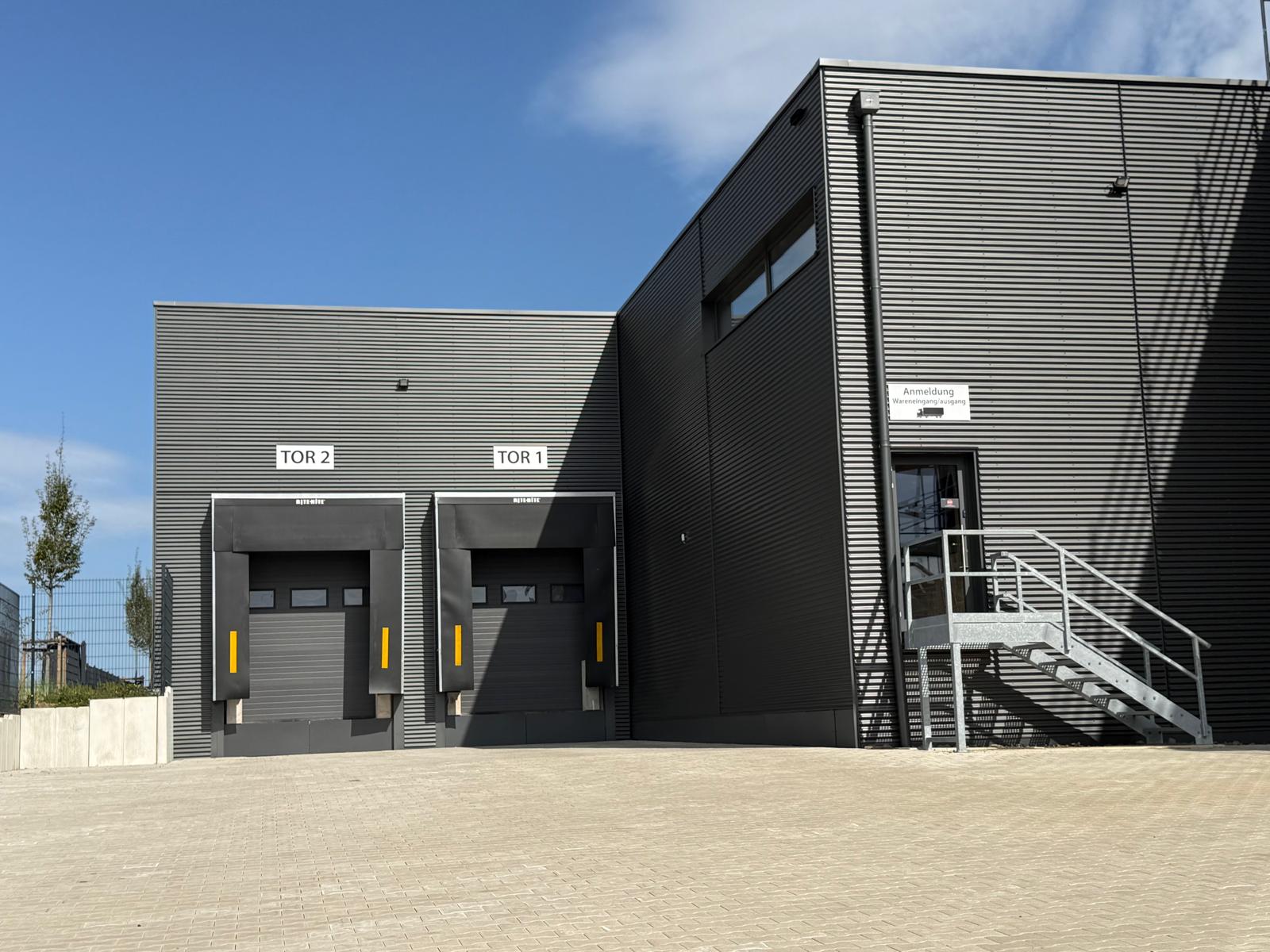
Moderne 2.500 m² Lager-/Produktionshalle | Lithium-Ionen Lagerung genehmigt | Rampen | Büro optional
Object no.: 10191
Logistics real estate
Rental
Germany
51709 Marienheide
2870 m²
Price per m²: 7,00 €

Here you can get an overview of suitable temporary storage facilities in various cities and regions.
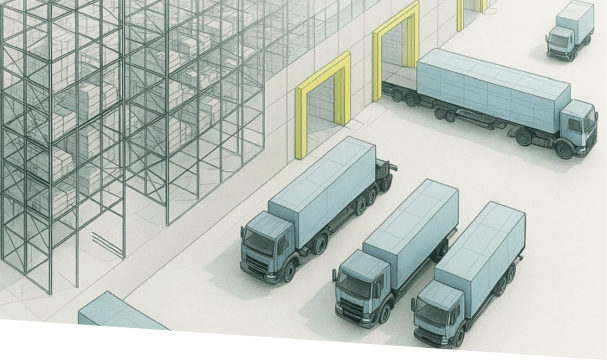
Our offer includes a map search or a search mask. Select temporary storage facilities by rent/buy – at LAGERflaeche.de!
Object no.: 10191
Rental
Germany
51709 Marienheide
Price per m²: 7,00 €
Object no.: 10182
Rental
Germany
34399 Oedelsheim
Price on request
» Interim storage in logistics: A key to efficiency and flexibility
» What is interim storage in warehouse logistics?
» What is stored in interim storage?
» Advantages of interim storage for companies
» The impact of interim storage on supply chains
» Challenges in implementing interim storage
» Best practices for using interim storage in logistics
» Discover the ideal warehouse for your logistics needs now at LAGERflaeche.de!
Intermediate storage facilities play a central role in logistics by offering companies flexibility and efficiency. They enable the timely storage of goods, especially in the food industry, where freshness is crucial.
Modern software solutions optimise inventory management, leading to improved customer service. Strategically placed temporary storage facilities shorten transport times and strengthen the supply chain, securing a competitive advantage.
Temporary storage facilities are used to safely store materials such as radioactive waste in order to protect the environment and human health. However, implementing such warehouses requires careful site selection and precise planning, as well as training for employees on the effective use of new technologies.
Best practices include analysing specific storage requirements, using modern software and providing regular training for staff. In this way, companies increase their efficiency and flexibility in the logistics chain and improve their service to customers in the long term.
Intermediate warehouses are crucial for the efficiency and flexibility of companies in logistics. They enable the timely storage and provision of goods, especially in industries such as the food industry, where freshness is important.
A well-organised management system enables companies to make optimal use of their storage capacities and improve customer service. Modern software solutions support inventory management and respond quickly to market requirements. Strategically placed temporary storage facilities help to optimise supply chains and shorten production times, which secures a competitive advantage in the long term.
Various types of materials are stored in temporary storage facilities, especially those that must be kept before final disposal or processing. A key example is radioactive waste from nuclear energy production. This waste must be stored safely and in a controlled manner to protect the environment and public health. In addition to radioactive waste, other hazardous materials, such as chemical waste, can also be stored in interim storage facilities. These materials are often collected from industrial processes or other sources and require special handling to ensure that they do not come into contact with the environment.
Storage in an interim storage facility is temporary and serves as a bridge until final disposal, which in many cases takes place in geological repositories. The safety of interim storage facilities is of paramount importance, and strict regulations are followed to ensure that the materials are properly secured and do not pose a danger to the public or the environment. Regular inspections and maintenance are also necessary to ensure the integrity of the storage facilities.
Interim storage facilities in logistics offer companies decisive advantages for optimising their operational processes. They enable flexible adaptation to fluctuating customer demand, especially in the food industry, where fresh products must be stored and distributed quickly. Modern software solutions support management in real-time monitoring and efficient inventory control.
Strategically located warehouses reduce transport times and costs, improve services and strengthen the entire supply chain. This leads to higher customer satisfaction and a competitive advantage. In a dynamic industry, the implementation of such systems is essential for long-term success.

The role of intermediate warehouses in logistics has a far-reaching impact on the efficiency of supply chains. These storage facilities act as temporary points where goods are stored before being forwarded to the end customer or to the next stage of production.
One example is interim storage facilities for food, which enable fresh products to be distributed quickly and flexibly. By using modern warehouse management systems and intelligent software, companies can optimise inventory levels to avoid bottlenecks and minimise delivery times.
This not only promotes a rapid response to market changes, but also significantly improves customer service. The strategic placement of intermediate warehouses proves to be advantageous for the entire supply chain management, as they represent an important link between production and distribution. Companies that take advantage of intermediate storage increase their competitiveness and secure their long-term success in a dynamic market environment.
The implementation of intermediate warehouses in logistics brings with it numerous challenges that companies must take into account. A key issue is the selection of a suitable location that should optimise both goods receipt and distribution. For example, an unfavourable location can lead to increased transport costs and impair responsiveness to customer enquiries.
In addition, efficient storage requires precise planning and management to ensure that goods are available at all times without building up unnecessary inventory. The integration of modern software systems for warehouse management poses another challenge; these systems must be seamlessly integrated into existing logistics processes. Employee training is also necessary to ensure that the team can efficiently handle new technologies and processes. Ultimately, companies rely on best practices to overcome these hurdles and fully exploit the advantages of temporary storage.
The efficient use of temporary storage in logistics requires well-thought-out management based on best practices. Companies should first analyse the specific requirements of their goods in order to develop suitable storage strategies. One example of this is the storage of food, which is subject to strict temperature requirements; here, a well-designed cooling system is essential.
It is also advisable to implement modern software solutions that enable real-time monitoring of inventory levels. Contact with reliable freight forwarders can also be crucial to ensuring fast and flexible distribution. In addition, companies should offer regular training for their staff to optimise the use of storage facilities and the technology employed. By following these best practices, you will not only increase your efficiency but also your flexibility throughout the entire logistics chain, which will ultimately lead to better service for your customers.
Here you can quickly and easily get an overview of suitable temporary storage facilities in different cities and regions: Find and rent selected temporary storage facilities – at LAGERflaeche.de! For more information on the various types of warehouses and temporary storage facilities, visit our warehouse overview page.
West
Rent a production hall in Frankfurt
Warehouse in Cologne
Industrial warehouse in Saarbrücken
South
Find Logistics Space in Munich
Storage Space in Nuremberg
Logistics Hall in Stuttgart
Rent Warehouse in Freiburg
Rent Warehouse Space in Italy
Logistics Hall in Austria
Storage Space in the Netherlands
Warehouses in France
Search Storage Space in Poland
Renting halls in Switzerland
Find logistics premises in Belgium
Storage in Bulgaria
Renting warehouses in the UK
Search for warehouse properties in Croatia
Logistics warehouses in Romania
Logistics centres in Russia
Search for warehouse locations in Slovenia
Rent warehouse space in Slovakia
Logistics property in Spain
Find storage space in Hungary
Rent a warehouse in the Czech Republic
Storage facility in Denmark