Logistics Sectors

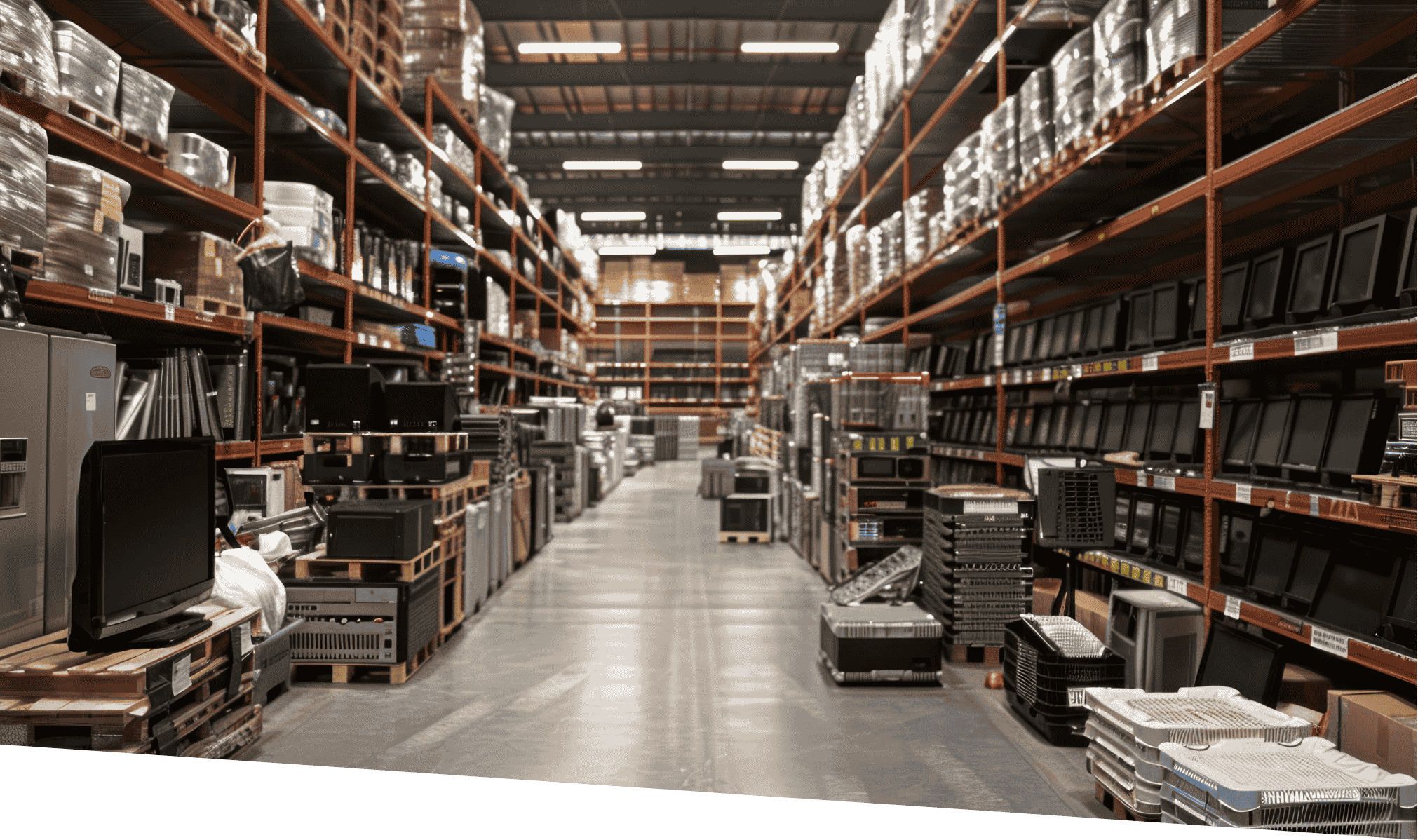
Electrical Appliance Logistics

Here you can get a direct overview of useful electrical appliance logistics companies with their storage services. Additional information on the contract logistics provider's services, such as transportation, etc., can be obtained by linking the exposé to their company listing.

Lagerlogistik Elektrogerätelogistik, Lagerung Elektrogerätelogistik Warehouse, Lagerlogistik Elektrogerätelogistik Lagerung Elektrogerätelogistik Warehouse
Offers on LAGERflaeche.de

Search for Electrical Appliance Logistics Locations

Electrical Appliance Logistics locations in various cities and regions: Our offer includes a map search or a search mask. Find and rent Electrical Appliance Logistics at LAGERflaeche.de!

31 Warehouses

The importance of electrical appliance logistics for companies

The optimal storage of electrical goods is crucial for their lifespan and efficiency. Companies should create ideal conditions in terms of temperature (15-25°C) and humidity (40-60%) to prevent damage. The use of modern technologies such as automated warehouse management systems and sensors to monitor storage conditions increases efficiency and safety. Regular staff training and best practices are essential for long-term success. A well-thought-out storage strategy allows companies to react flexibly to market changes. The right packaging protects against dust and mechanical damage; antistatic materials are particularly recommended. Storage should take place in a dry, cool place, away from direct sunlight. Appliances must be disconnected from the power supply and checked regularly for damage. Transportation requires stable, impact-resistant packaging and special care with regard to temperature and moisture protection. Safety belts are essential for securing appliances during transportation, as is compliance with legal requirements for hazardous goods such as lithium-ion batteries.

Safety aspects in electrical appliance logistics

What safety measures need to be taken into account when storing electrical appliances? Ensuring safety when storing electrical appliances is of the utmost importance for companies. Inadequate storage conditions can not only cause damage to appliances, but can also lead to dangerous situations such as fires caused by overheated appliances or chemical reactions in humid environments. For this reason, it is crucial to comply with safety guidelines and to train staff in the handling of electrical appliances as well as to carry out regular safety inspections. Another important point is the appropriate packaging of electrical appliances. This should protect them from dust, moisture and mechanical damage; antistatic materials are particularly recommended to prevent electrostatic discharge. The use of original packaging is recommended as it offers the best possible protection. In addition, care should be taken to ensure that the packaging is stably arranged to prevent it from falling over. A well-structured storage system not only increases safety, but also facilitates access to the items.

Staff training

An often underestimated aspect of electrological storage is staff training. Employees should be trained in the handling of electrical items to ensure that they know how to store and handle them correctly. Training should be carried out regularly to keep knowledge up to date and to quickly train new employees. In addition, it is important to implement safety protocols and ensure that all employees know and follow them. This includes not only the safe handling of equipment during storage, but also knowledge of emergency procedures in the event of a technical problem or accident. Comprehensive staff training can not only reduce the risk of damage to equipment, but also raise awareness of the importance of proper storage.

Monitoring systems

Modern technologies are revolutionizing warehouse management in companies through the use of temperature and humidity monitoring sensors that provide real-time data and instant alerts in the event of deviations. Automated warehouse management systems (WMS) enable precise inventory control and optimize warehouse organization, minimizing errors and saving costs. Integration with ERP systems promotes a seamless flow of information between departments. Sensors are crucial for the optimal storage of electrical goods, while cloud technologies support proactive maintenance. RFID technology significantly improves product traceability, while mobile applications facilitate access to data and provide training for employees. Artificial intelligence helps to accurately predict future stock requirements, avoiding overstocking or shortages. The implementation of these technological tools is essential for increasing efficiency and reducing costs in electrical logistics.

Special features of transporting electrical goods

The transportation of electrical goods requires special care. Use sturdy, impact-resistant packaging, ideally the original packaging, and cushion the items with bubble wrap or foam. Label the packaging correctly and choose a suitable vehicle to prevent it from shifting. Pay attention to temperature and moisture protection and ensure that devices are switched off before transportation. Use safety belts to secure the transport and find out about legal requirements, especially for hazardous goods such as lithium-ion batteries. Have all the necessary documents ready to avoid problems during transportation or customs clearance.

Best practices in electrical appliance logistics

Entrepreneurs should implement best practices in electrical logistics in order to organize storage efficiently and ensure the safety and longevity of electrical goods. A structured warehouse organization concept is essential. This includes the clear separation of storage areas according to the requirements of different types of equipment, which reduces the risk of damage. Regular staff training is crucial to ensure the correct handling of electrical items and to communicate safety protocols. An effective inventory management system helps to keep track of products and avoid shortages or overstocking. The use of appropriate packaging methods protects items from damage, while modern climate control systems and sensors enable continuous monitoring of storage conditions. A maintenance plan for stored equipment should also be established to detect problems at an early stage. Implementing these best practices requires investment in training, technology and infrastructure to save costs and ensure product quality in the long term.

You might also be interested in

Block storage, Dangerous goods warehouse, Warehouse space, High-bay warehouse
Logistics Sectors, Food Logistics, Retail Logistics, eCommerce Logistics, Chemical Logistics
Storage locations, logistics centre, warehouse locations, storage