
Commission-free offer
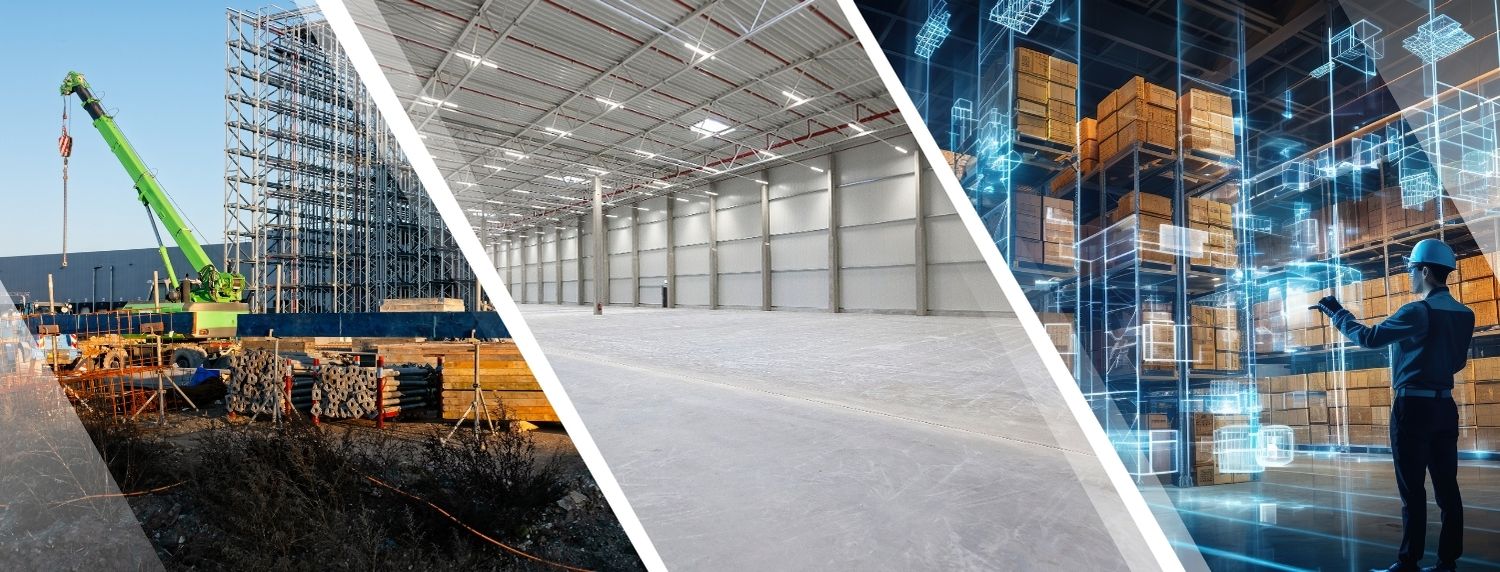
Kontraktlogistik in 37137 Verona (Italien) 3.000 qm
Object no.: 10195
Contract logistics
Warehousing (warehouse with management)
Italy
37137 Verona
3000 m²
2000 (PP)
Price on request

Find available block storage, pallet storage, and warehouses to meet your storage and logistics needs. Compare locations, floor space, and rental options, and request a property listing directly.
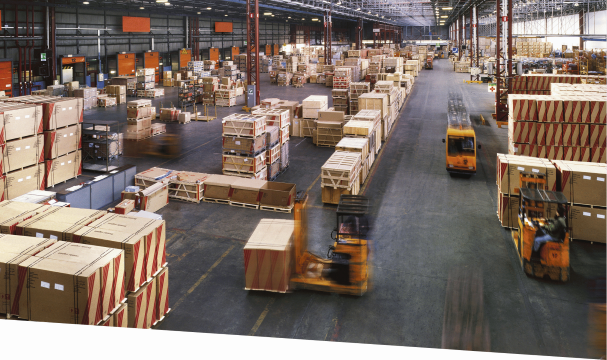
Whether you need short-term space for seasonal peaks or long-term storage capacity, on LAGERflaeche.de, companies can compare available block storage facilities, warehouses, and pallet storage spaces from various providers and request suitable spaces directly. Filter available properties based on your requirements and request detailed property descriptions and space information.
Object no.: 10195
Warehousing (warehouse with management)
Italy
37137 Verona
Price on request
Object no.: 10190
Warehousing (warehouse with management)
Germany
72108 Rottenburg (Neckar)
Price on request
» What Is Block Storage? Definition and Logistical Basics
» Functionality and Operational Processes in Block Storage
» Technical Requirements and Safety Considerations for Block Storage
» Economic Factors: Costs, Prices, and Leasing Models
» Find Block Storage and Warehouse Capacity
» Comparison of the advantages and disadvantages of block storage
» Industry solutions: For which goods is block storage suitable?
» FAQ – Frequently Asked Questions About Block Storage
Block storage (often referred to as block stacking) is a form of floor storage in which load carriers are stacked directly on top of and next to one another without intermediate shelving. The formation of compact storage blocks ensures maximum use of space, as traffic and aisle areas between the individual units are minimized.
Typically, this storage solution is used for homogeneous goods with high inventory levels per stock-keeping unit (SKU). Standardized Euro pallets, industrial pallets, or stackable mesh boxes are primarily used as load carriers. Goods are retrieved and stored using ground-level equipment, usually conventional forklifts or pallet jacks.
The material flow within a block storage area follows strict logistical principles to optimize access and inventory management.
Due to the nature of the system, a classic block storage facility operates by default according to the LIFO principle (Last-In – First-Out). The most recently stored pallet is located at the very front or very top and must be removed first. Direct access to batches located behind or below it is not possible without repositioning. For perishable goods or goods with strict storage periods and best-before dates (BBD), this requires precise, block-by-block batch separation (aisle purity).
To minimize picking errors and search times, modern distribution centers rely on digital warehouse management systems (WMS). The digitization of warehouse management enables:
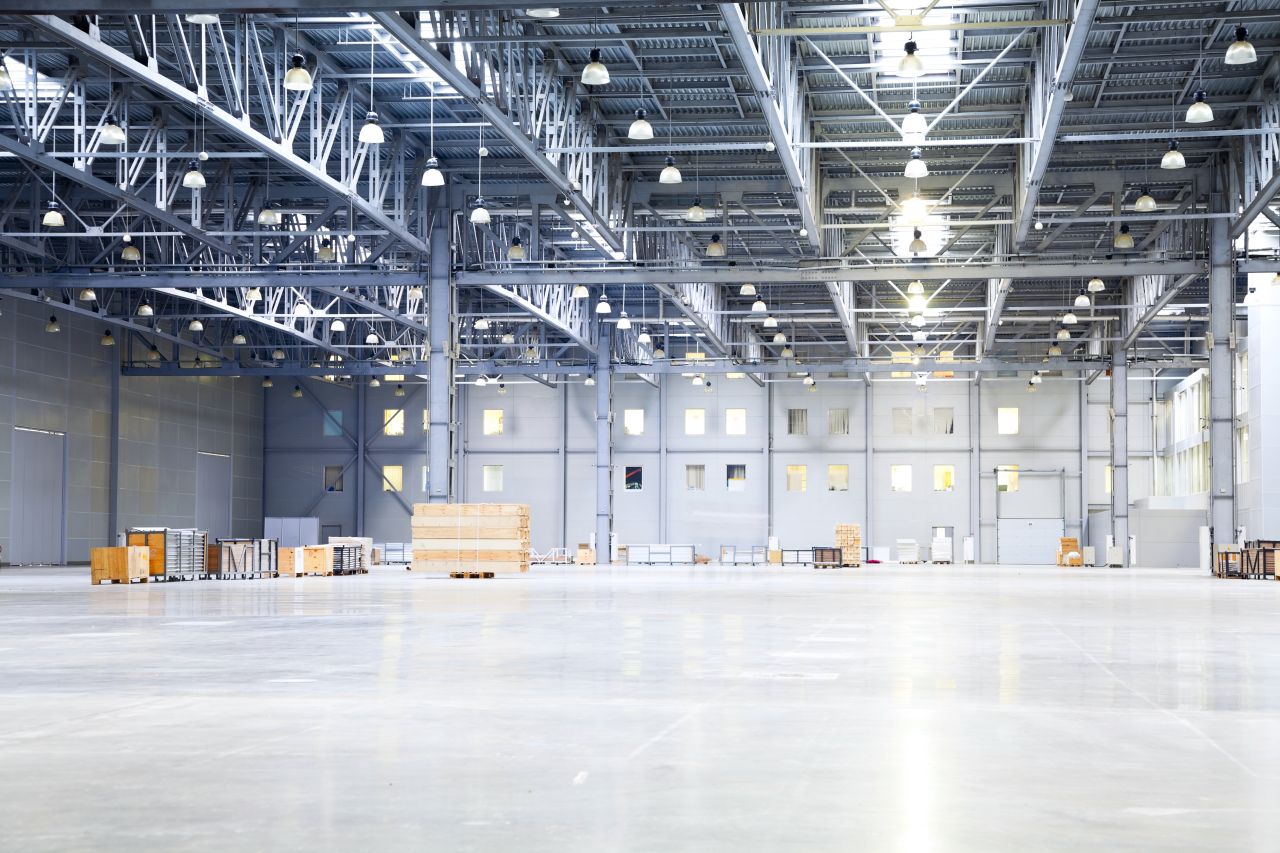
Using a warehouse for block storage imposes specific technical requirements on the infrastructure, floor conditions, and safety equipment. Since enormous point loads act on the subfloor, structural stability and safety must be precisely calculated.
The warehouse floor is the central functional element. It must easily absorb high compressive loads (point loads) from the stacked pallets. In addition, absolute flatness is absolutely essential, as even minimal slopes can lead to instability as stack height increases.
The maximum height of a block is limited by two factors:
The stability of the stored goods: The packaging and the goods themselves must support the weight of the units stacked above them (compressive strength).
Legal requirements and fire safety: Safety clearances from ceiling structures, lighting systems, and sprinkler systems must be maintained.
In floor-supported stacking warehouses, strict safety regulations in accordance with DGUV apply. These include regular inspections of load carriers, the marking of travel paths for industrial trucks, and training of personnel regarding maximum stacking limits.
In the B2B sector, the decision to choose a specific warehouse facility is largely based on a transparent cost-benefit analysis. From a cost perspective, block storage is considered one of the most cost-effective warehousing solutions.
The total costs of a block storage solution consist of various components:
Since there is no need to invest in expensive racking systems, the initial costs are often lower than those of high-rack warehouses or automated storage solutions.
Companies can choose between leasing space only (fixed-space model) and variable billing models based on the number of pallet spaces used. This makes block storage particularly attractive for outsourcing logistics processes.
Find the right block storage facilities, warehouses, and pallet storage solutions to meet your needs. Compare available locations, review key technical specifications, and request a property brochure or quote directly.
Companies looking to rent a block storage facility or expand their warehouse capacity can use LAGERflaeche.de to compare available storage spaces by region, size, and intended use. The property listings provide direct access to key information about the warehouse, pallet spaces, floor load capacity, rental terms, and contact persons.
Especially in cases of seasonal volume fluctuations or short-term space requirements, searching for available block storage facilities enables a quick and flexible expansion of existing logistics structures.
| Advantages of block storage | Disadvantages & limitations |
| Minimal investment costs | Limited access to individual pallets |
| High space utilization | LIFO principle |
| Flexible space utilization | Risk of damage to sensitive goods |
| Easy scalability | Limited stacking heights |
| Low infrastructure costs | Re-stacking required for partial withdrawals |
Block storage is particularly suitable for companies that store large quantities of identical goods on pallets. Used as pallet storage, floor storage, or stack storage, this type of warehouse is employed in numerous industries and enables a particularly high storage capacity at comparatively low investment costs.
This type of warehouse is particularly suitable for:
In block storage, load carriers are placed seamlessly in blocks directly next to and behind one another, whereas in row storage, aisles are kept clear between the rows of storage. This improves access but reduces space utilization.
Block storage is only suitable to a limited extent for goods with a wide variety of variants, sensitive goods, or products requiring frequent individual access. Since storage is usually based on the LIFO principle and pallets are stacked in blocks, rack or shelf storage is often better suited for such requirements.
Storage pressure occurs when the weight of upper pallets damages the units below. Pallet collars, mesh boxes, and a strict limit on stacking heights provide a solution.
An external block storage facility is particularly suitable for seasonal production peaks, short-term space requirements, project-based business, or to reduce fixed infrastructure costs.
West
Rent a production hall in Frankfurt
Warehouse in Cologne
Industrial warehouse in Saarbrücken
South
Find Logistics Space in Munich
Storage Space in Nuremberg
Logistics Hall in Stuttgart
Rent Warehouse in Freiburg
Rent Warehouse Space in Italy
Logistics Hall in Austria
Storage Space in the Netherlands
Warehouses in France
Search Storage Space in Poland
Renting halls in Switzerland
Find logistics premises in Belgium
Storage in Bulgaria
Renting warehouses in the UK
Search for warehouse properties in Croatia
Logistics warehouses in Romania
Logistics centres in Russia
Search for warehouse locations in Slovenia
Rent warehouse space in Slovakia
Logistics property in Spain
Find storage space in Hungary
Rent a warehouse in the Czech Republic
Storage facility in Denmark