Kontraktlogistik in 29016 Cortemaggioremit 5500 qm (Italien)
Object no.: 10116
Warehousing (warehouse with management)
Italy
29016 Cortemaggiore
Price on request
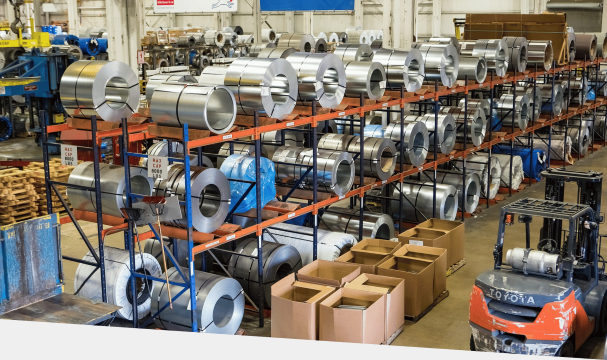
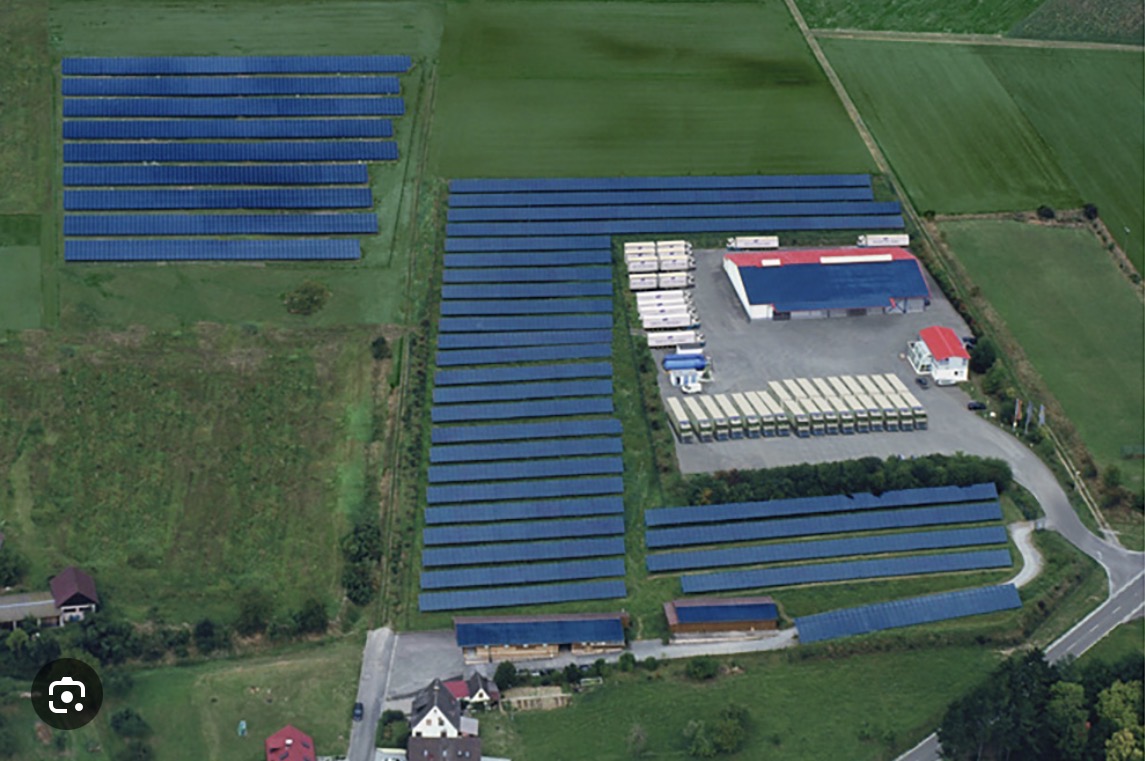
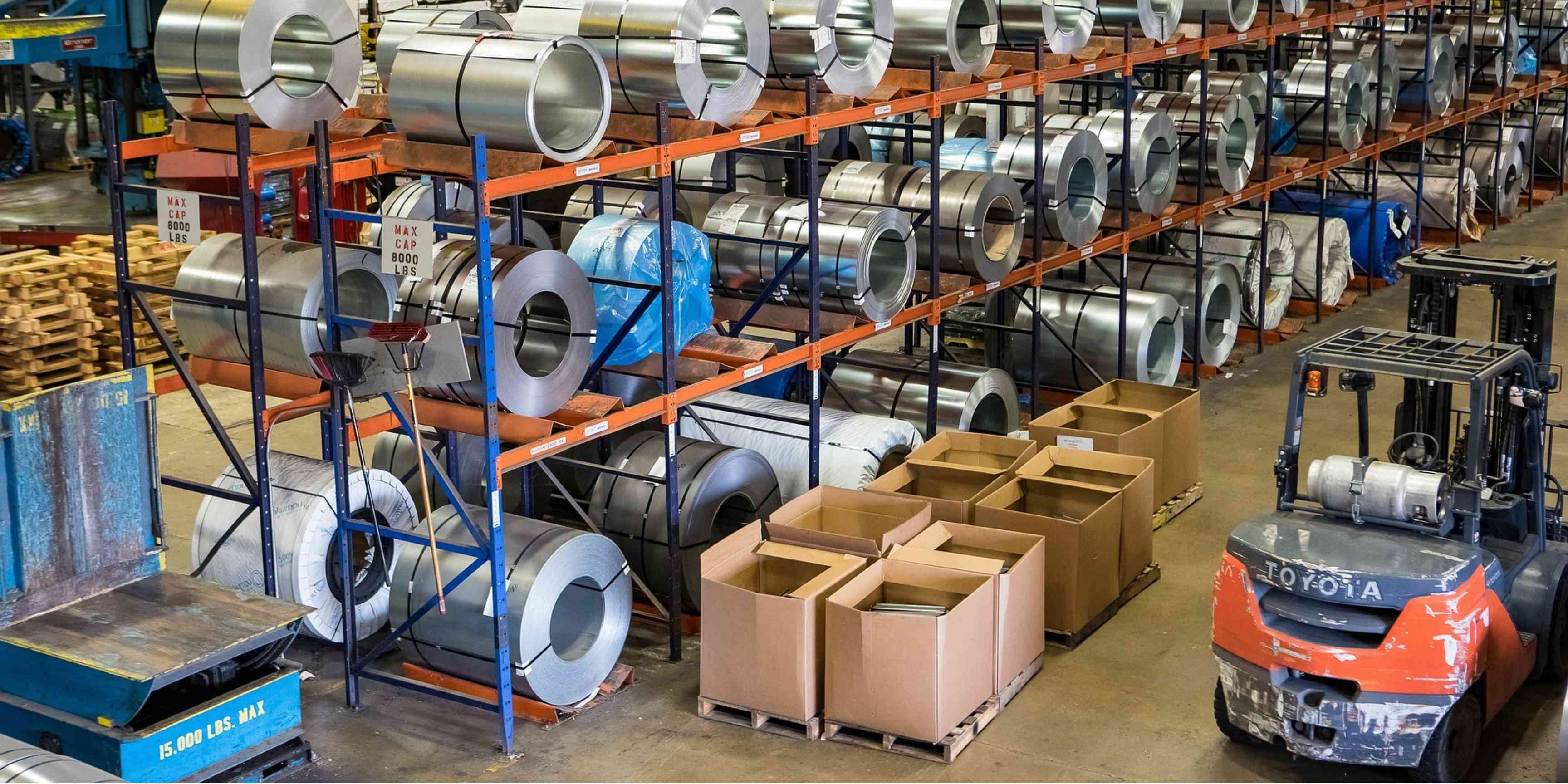
Here you can quickly and easily obtain an overview of suitable Steel Logistics companies with their storage options. Further information on the contract logistics provider's services, such as transport, etc., can be obtained by linking the exposé to our company exchange entry.

Steel Logistics locations in various cities and regions: Our offer includes a map search or a search mask. Find and rent Steel Logistics at LAGERflaeche.de!
Object no.: 10116
Warehousing (warehouse with management)
Italy
29016 Cortemaggiore
Price on request
Object no.: 10115
Warehousing (warehouse with management)
Italy
29122 Piacenza
Price on request
» Current challenges in steel logistics
» Strategies for optimizing steel logistics
» Technological progress and its impact on steel logistics
» Sustainability in steel logistics: a future-oriented approach
» Risk management in steel logistics
» Cooperation and networks in steel logistics
» Training and further education for specialists in steel logistics
» Increase your competitiveness with optimized steel logistics
Steel logistics is a crucial part of modern industry to ensure efficient supply chains. Companies recognize the need to optimize their logistics strategies and rely on innovative solutions such as intermodal transport and advanced storage technologies. Challenges lie in the optimization of transports, flexibility in the face of market changes and increasing cost pressure. These challenges can be overcome by implementing intermodal transport solutions, intelligent warehouse management systems and training of specialist staff. Technological progress offers opportunities for process optimization through digital networking and automation. Sustainability plays a central role, so innovative approaches are required. Risk management and cooperation help to minimize disruptions. Training specialists is crucial for success. Effective steel logistics is crucial for the competitiveness of companies and requires continuous innovation and employee training.
Companies in steel logistics are facing challenges such as increasing demands on storage and transportation, which require innovative solutions. Optimizing intermodal transport for efficiency and environmental friendliness is key. Flexibility to market changes and adaptation of strategies are necessary in order to remain competitive. Effective handling solutions and modern storage technologies play a key role. High-performance logistics services enable companies to increase their competitiveness and strengthen their position on the international market. Regular reviews of existing processes and cooperation with specialized freight forwarders to develop sustainable solutions are advisable.
Steel logistics can be optimized through the increased use of digital technologies. IoT devices enable real-time data on products and means of transport, while artificial intelligence can optimize transport routes and identify bottlenecks at an early stage. Intermodal transport solutions such as those offered by Cosi GmbH can increase efficiency and reduce storage costs. Intelligent warehouse management systems and continuous training of specialist staff are also crucial. Close cooperation with partners in the network and a clearly defined point of contact for customer inquiries help to improve service quality.

→ Heavy Goods Logistics
→ Automotive Logistics
→ Mechanical Engineering Logistics
Technological progress in steel logistics offers numerous opportunities for process optimization. Digital networking of warehouse and transport management and intermodal transport strategies enable companies to achieve more efficient processes and more precise traceability. State-of-the-art software solutions and automation in warehouse facilities help to increase performance, optimize storage and reduce operating costs. The training of specialist staff is important in order to be able to use new technologies competently. Companies should inform themselves about current developments and establish suitable contacts in order to develop future-proof strategies.
Sustainability is crucial in steel logistics as companies need to implement environmentally conscious practices to meet increasing demands. Innovative approaches are needed to make storage and transportation more efficient. Modern technologies and the training of professionals are essential to meet the challenges of the industry. A strong network of cooperation partners can help to organize the handling of goods efficiently and conserve resources.
Effective risk management in steel logistics is crucial in order to identify and minimize potential disruptions at an early stage. Structured approaches can proactively address risks such as market volatility or transportation delays. Intermodal solutions in Germany and Europe optimize the storage and handling of products. Digital technologies enable the use of real-time data for well-founded decisions. Regular training promotes team competence in risk management. Cooperation with freight forwarders and partners increases efficiency and strengthens the logistics structure as a whole.

Effective steel logistics relies on strategic cooperation and networks to successfully master the challenges of the industry. Companies must continuously optimize their transport and storage processes and integrate intermodal solutions in order to increase efficiency and flexibility. Freight forwarders play a central role in ensuring smooth logistics. Through close cooperation, innovative services can be developed to increase competitiveness. Companies should actively seek partnerships and expand their networks to optimize existing processes and secure a future-proof career in steel logistics. Establishing contact with potential partners offers the opportunity to set new standards together.
Ongoing training for steel logistics professionals is crucial to meet the demands of the industry. Specialized programs offer intermodal transportation strategies and warehousing techniques. These training programs promote career development, increase efficiency and reduce costs in the logistics process. Companies should regularly identify appropriate training opportunities to remain competitive and strengthen the supply chain. In a rapidly changing industry, continuous professional development is essential.
Targeted cost savings can increase competitiveness and the long-term success of the company. It is advisable to keep up to date with the latest developments and best practices in order to take logistics to a higher level. This guide provides a comprehensive overview of the key aspects of steel logistics and shows that although progress has already been made, there is still room for improvement.