


Sustainable Logistics Real Estate Crisis: Why the Supply Gap by 2030 Is a Prime Investment Opportunity
Why Is Demand Outpacing Supply in Sustainable Logistics Real Estate?
The shift to a green economy is driving rapid growth in demand for energy-efficient, ESG-compliant industrial and logistics real estate. Businesses are setting ambitious carbon reduction targets that increase the need for low-emission, certified buildings.
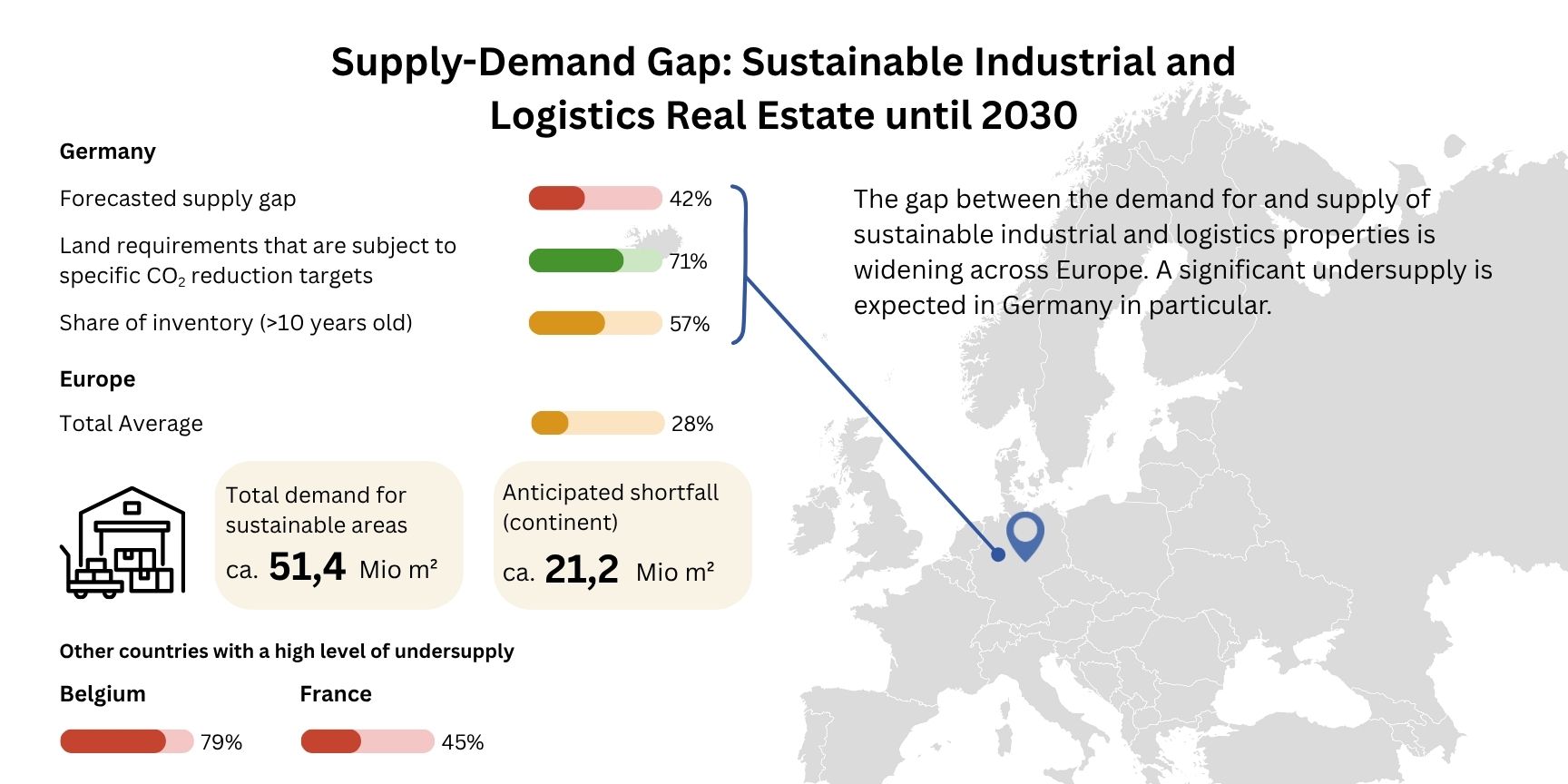
- In Germany, the supply gap for sustainable logistics space is projected to reach 42% by 2030.
- Across Europe, demand will outstrip supply by 21.2 million m².
- Experts estimate 5–7 million m² of new space must be developed annually to meet ESG targets (Savills, 2024).
This growing deficit presents challenges, but also major opportunities for developers, investors, and occupiers to take action.
Sustainability as a Competitive Advantage: More Than Just Image
Green logistics properties reduce operating costs, improve carbon footprints, and boost appeal to investors, clients, and talent. ESG-compliant portfolios mitigate regulatory risks and enhance access to financing.
- Over 65% of institutional investors prioritize ESG-compliant real estate projects (CBRE, 2024).
- Two-thirds of global market leaders have made carbon neutrality commitments – laggards risk being left behind.
Why Isn’t There Enough Sustainable Space Available?
Demand for green-certified warehouses and production sites keeps rising, yet development lags due to long permitting processes and complex planning. Urban land scarcity further restricts supply – especially in prime logistics hubs.
How Do ESG Targets Drive Real Estate Demand?
Regulations and corporate sustainability strategies both push demand for ESG-compliant properties.
- In Germany, about 77% of forecasted space demand through 2030 aligns with formal CO₂ reduction goals.
- Companies increasingly require future-proof buildings with low emissions and optimized energy performance.
What About Aging Building Stock?
Around 57% of Germany’s industrial and logistics facilities are over ten years old and no longer meet energy efficiency standards. These buildings have high carbon footprints and often lack ESG compliance.
However, retrofitting offers solutions. For example, a 40,000 m² logistics facility in North Rhine-Westphalia now covers 80% of its energy needs with solar since 2024 — showcasing successful ESG-oriented renovation.
Which Technologies Are Closing the ESG Gap?
Smart technologies make retrofits and new builds more sustainable:
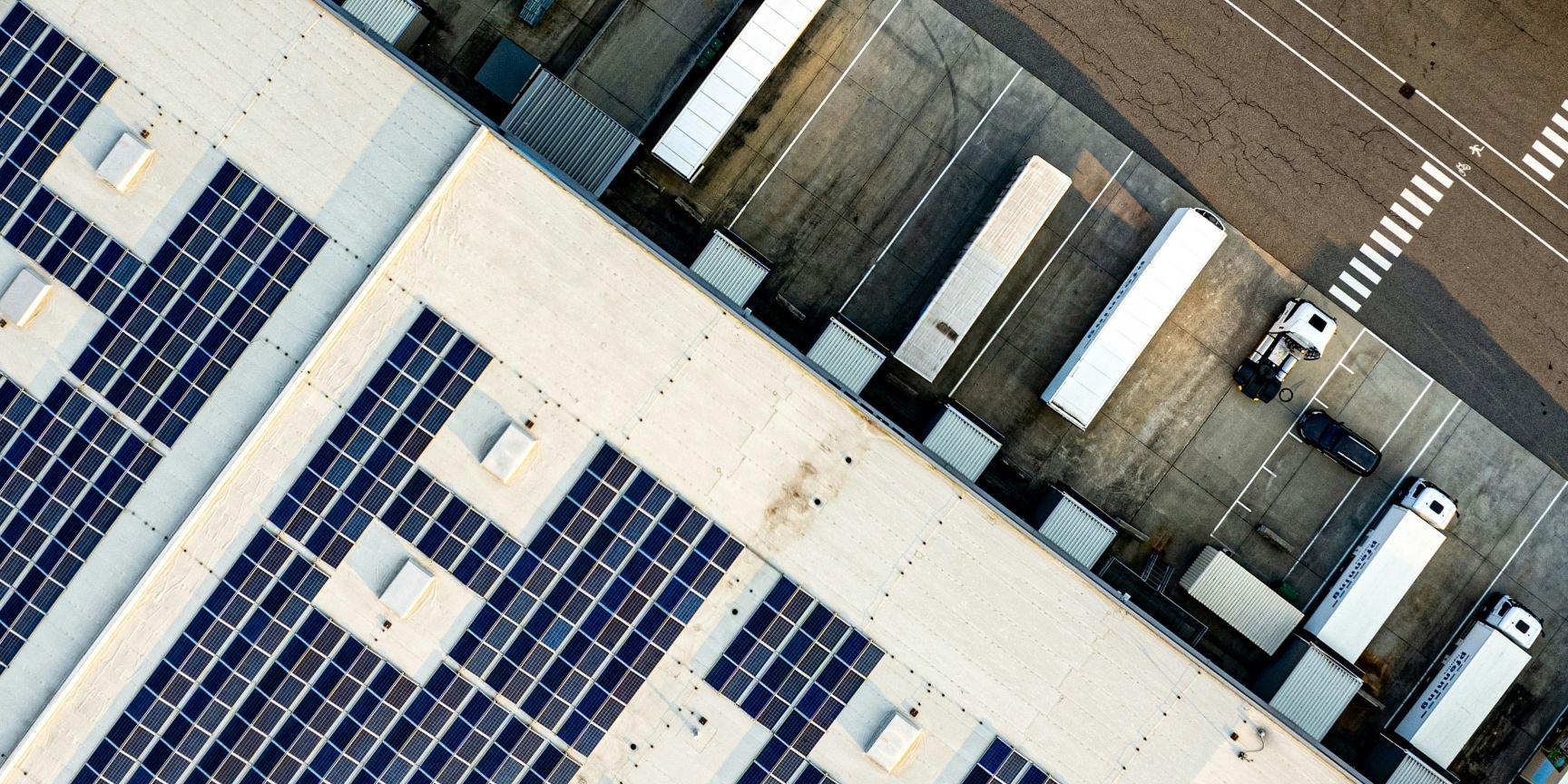
- Rooftop photovoltaic systems reduce dependency on external energy and cut emissions.
- Innovations like geothermal systems, heat recovery, smart lighting, and consumption monitoring optimize building operations.
- Circular materials like recycled concrete improve lifecycle performance and support certifications like DGNB, LEED, or BREEAM.
Best Practices for ESG-Compliant Logistics Real Estate
Forward-looking companies are embracing digital and technological tools to meet ESG goals. Combining LED lighting, geothermal heating, and energy management software can reduce operating costs by up to 30%. BREEAM-certified assets often benefit from better financing rates, and digital monitoring tools allow precise tracking and optimization of consumption.
Should Developers and Investors Enter This Market?
Absolutely. High demand is fueling low vacancy rates and premium rents for sustainable logistics properties. Early adopters of ESG-compliant developments enjoy stable returns and help drive the low-carbon transition.
Government programs like Germany’s BEG and EU taxonomy-based grants provide strong support. The BEG alone allocates around €6 billion annually to energy-efficient building measures (BMWK, 2024).
What Policy Support Is Needed Now?
To accelerate green real estate transformation, key policy actions include:
- Digitizing and streamlining permitting to reduce project timelines.
- Creating tax breaks, grants, and R&D funding for sustainable construction.
- Making ESG clauses standard in leases and new developments.
- Training professionals in ESG-aligned design, construction, and operations.
Conclusion: Sustainability Is Essential for Future-Proof Real Estate
Sustainability is no longer optional – it’s a defining factor in competitiveness and climate resilience. The supply shortage of ESG-compliant logistics assets presents not just risk, but opportunity for proactive players.
Those who invest now will shape the future of climate-friendly logistics and secure long-term success.
Latest Blog Posts
Stay up to date with the newest trends, insights, and tips in warehouse and logistics. Our latest articles help you navigate the industry with confidence.
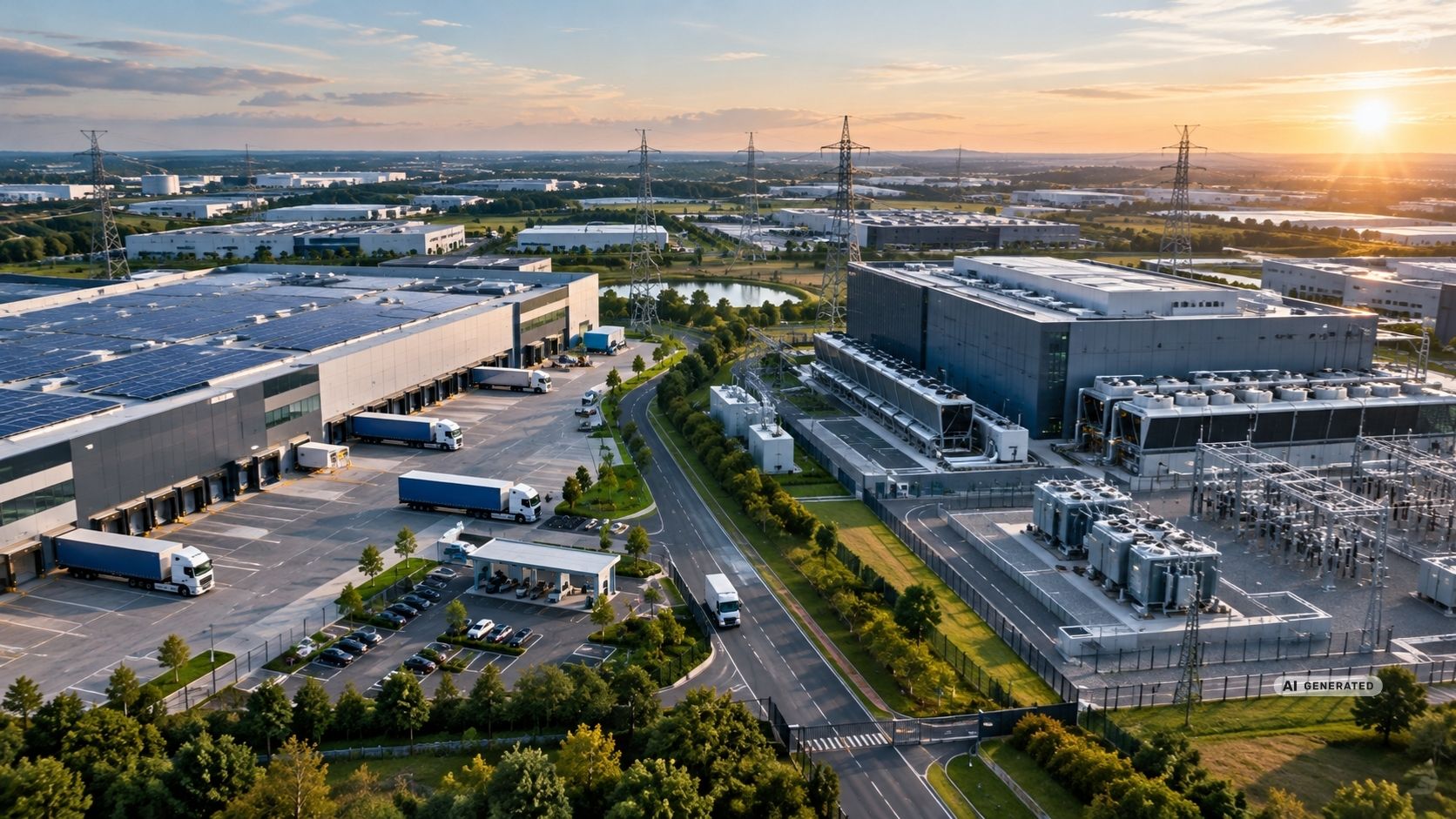
Data Centres vs. Logistics Facilities: The Race for Power and Land
Across Europe, logistics operators are competing for more than land and transport access. They increasingly need something much harder to secure: grid capacity. Data centres are intensifying that competition — and changing how logistics locations are evaluated....

Chinese companies discover Europe's logistics real estate
Chinese companies are becoming an increasingly visible user group in Europe's logistics real estate market. What does this mean for warehouse space, 3PL structures and the requirements for European logistics locations?...
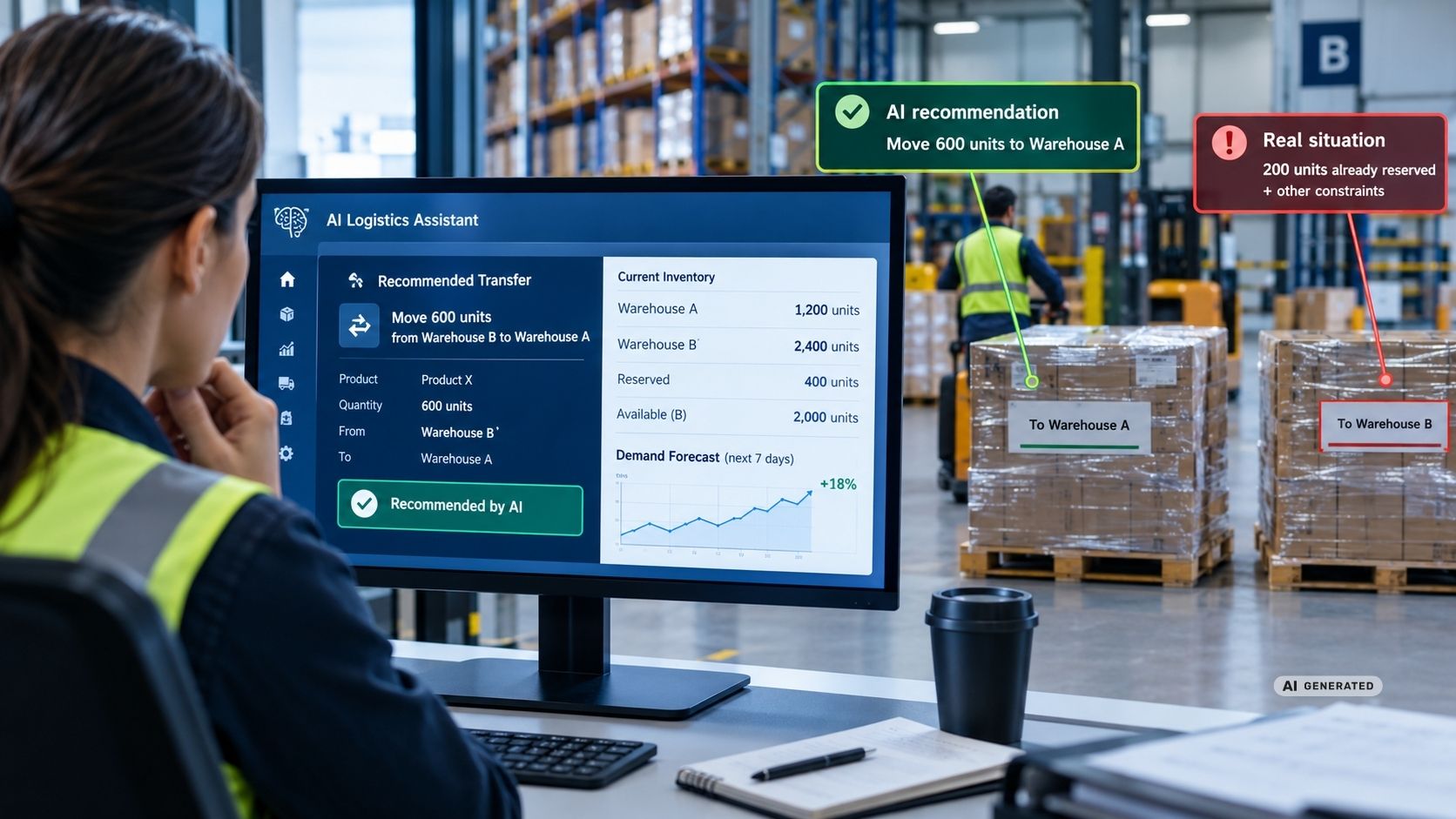
AI Hallucinations in Logistics: When AI Plans the Wrong Delivery
AI can analyze enormous amounts of logistics data — but it can also produce a convincing answer that is simply wrong. The critical question is not whether AI makes mistakes, but what happens when a wrong recommendation becomes an operational decision....
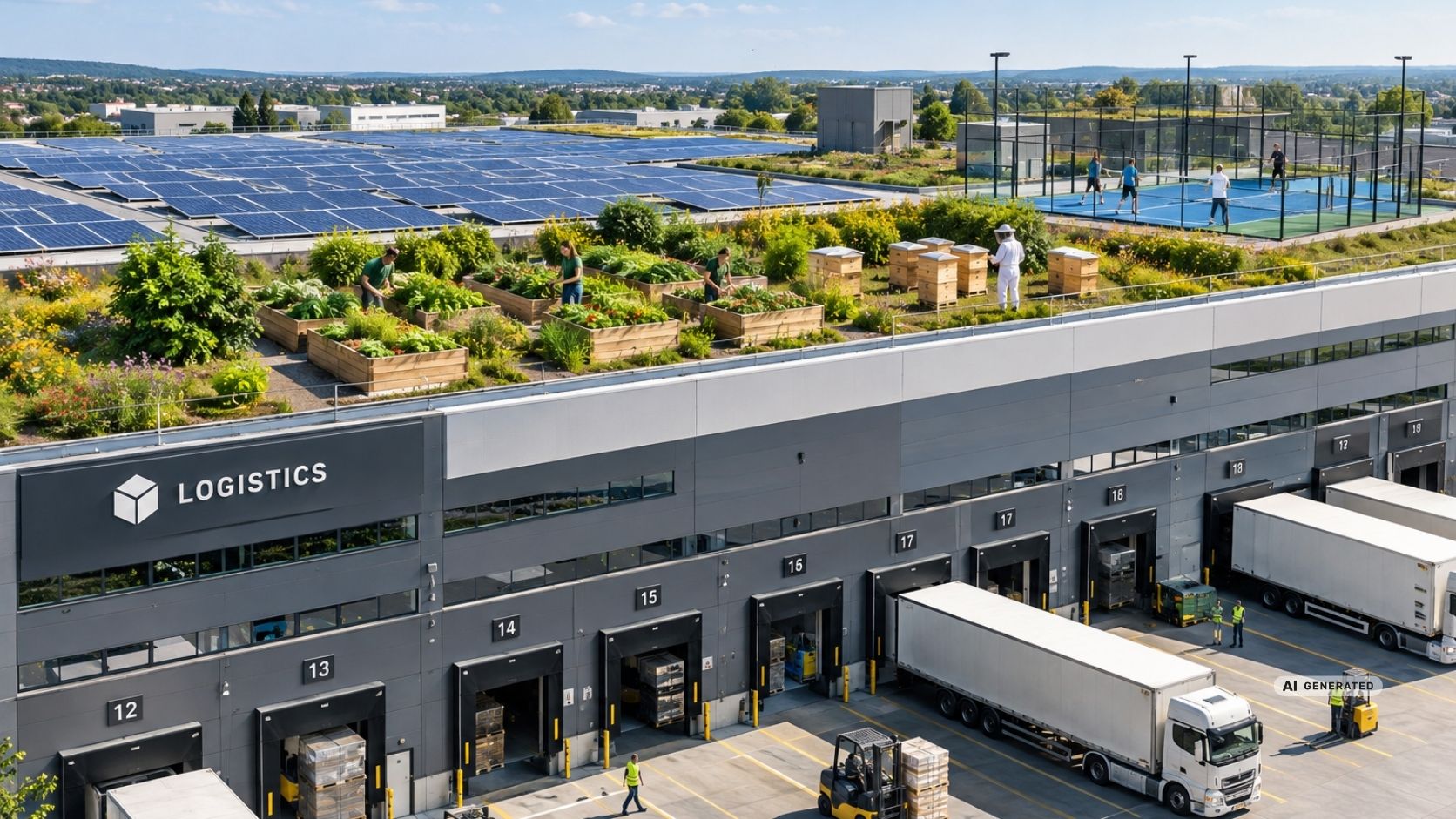
The Green Revolution on the Hall Roof: From Concrete Block to Ecological Power Plant?
Logistics roofs can do more than PV: greening, bees, urban farming and even sports areas turn unused roof space into multifunctional rooms....