



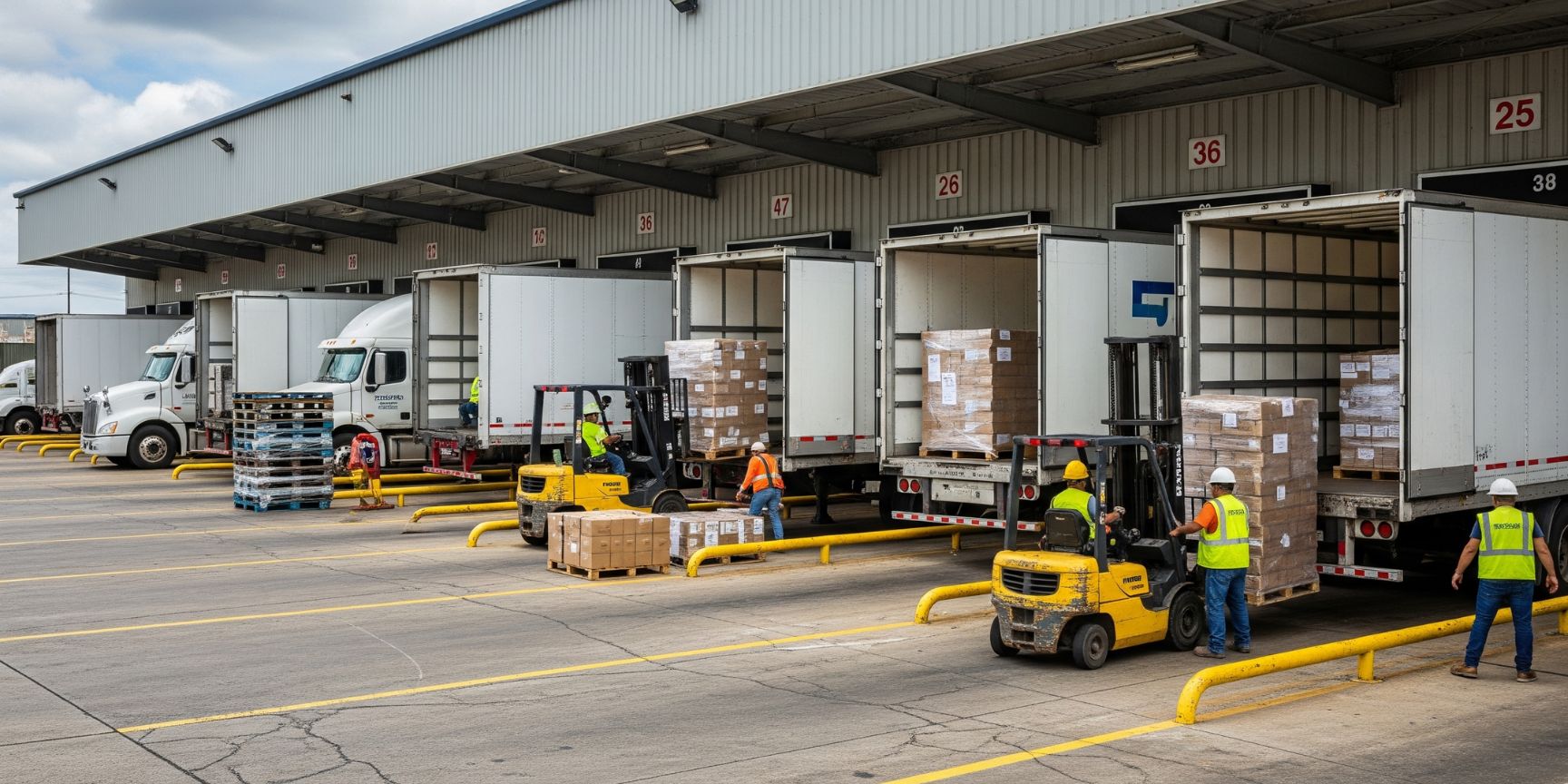
Navigation Guide in the Logistics Jungle: Warehouse, Storage, Contract Logistics – What’s What?
Table of Contents
- Why Correct Terminology in Logistics Matters
- Hall vs. Storage Area: Understanding the Basics
- Logistics Property: More Than Just a Roof Over Your Head
- Managed Warehouse: Turning Space into Service
- Contract Logistics: Comprehensive Supply Chain Partnership
- Logistics Space: The Umbrella Term for Flexible Solutions
- Why Precise Distinctions Matter for Your Business
- Conclusion: Setting the Right Course for Logistics Success
The world of logistics is complex and dynamic. For outsiders – and sometimes even industry insiders – the variety of terms around storage and distribution can be confusing. Is a hall the same as a storage area? And what exactly does contract logistics entail? A precise distinction is crucial for efficient processes and well-informed business decisions. Let’s dive into the fascinating world of logistics properties and services to bring clarity.
Why Correct Terminology in Logistics Matters
In an industry where milliseconds and smooth goods flow are vital, any ambiguity can become a stumbling block. Using terms like “hall,” “storage area,” “logistics property,” or “contract logistics” correctly not only improves internal communication but is also essential for choosing the right partner, drafting effective contracts, and ultimately ensuring your company’s success. Clear understanding saves time, money, and stress.
Hall vs. Storage Area: Understanding the Basics
Although often used interchangeably, these terms refer to different concepts. A hall is primarily a building structure – a large, roofed space – used for various purposes such as production, exhibitions, or storage.
A storage area, however, refers to the specific part of a hall or building dedicated to storing goods – whether raw materials, semi-finished goods, or final products. One hall may contain multiple storage areas, or only part of it may be used for storage.
Logistics Property: More Than Just a Roof Over Your Head
The term “logistics property” goes beyond a simple hall or storage area. It refers to a purpose-built facility designed specifically for logistics operations, often featuring:
- Optimal accessibility: Direct connection to highways, sometimes rail or waterways.
- Specialized features: Sufficient loading docks, maneuvering areas, high floor load capacity, office and staff facilities.
- Technical infrastructure: Modern lighting, fire protection systems, heating/cooling, and sometimes IT infrastructure for warehouse management systems.
- Flexibility: Often designed to adapt to different user needs and logistics processes.
A logistics property is the heart of modern supply chains and often a decisive competitive advantage.
Managed Warehouse: Turning Space into Service
A managed warehouse means you rent not only physical space but also operational services around storage. The operator handles:
- Goods receipt and dispatch: acceptance, inspection, booking.
- Storage and picking: organization, locating, and compiling items.
- Inventory management: stock control, inventory counts.
- Packaging and shipping preparation: including special packaging or labeling if required.
Here, you purchase a professional service that moves your product safely and efficiently through the warehouse.
Contract Logistics: Comprehensive Supply Chain Partnership
Contract logistics is the most comprehensive form of logistics service, going far beyond warehouse management. A company (the client) outsources one or more complex parts of its logistics chain to an external logistics provider (the contract logistics company) – often for a long-term period. This typically includes:
- Storage and inventory management (as in managed warehouses)
- Transport management: procurement, distribution, returns logistics
- Value Added Services (VAS): assembly, kitting, quality control, repairs, e-commerce fulfillment, labeling, customs clearance
- Consulting and optimization: acting as a strategic partner to analyze and improve processes
Contract logistics allows companies to focus on their core business while specialized partners handle complex logistics tasks.
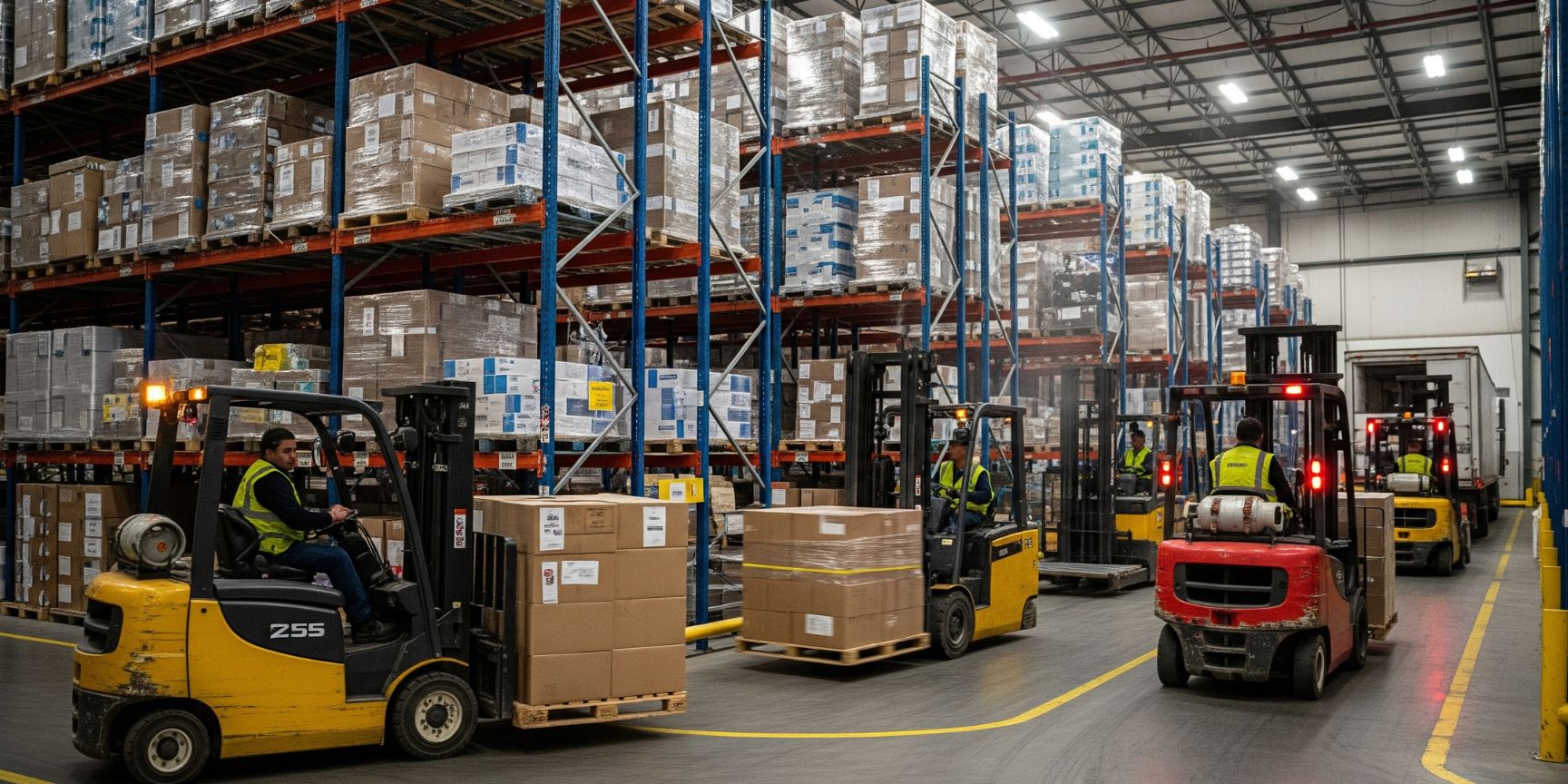
Logistics Space: The Umbrella Term for Flexible Solutions
“Logistics space” is often used as an umbrella term for all areas used for logistics purposes. This includes:
- Outdoor areas: for storing goods outdoors or as maneuvering/parking space.
- Transshipment areas: where goods are transferred between transport modes.
- Production-adjacent logistics space: areas inside or near production sites for just-in-time deliveries or buffer storage.
Logistics space thus reflects the diversity of spatial requirements in modern logistics.
Why Precise Distinctions Matter for Your Business
Knowing these terms precisely is more than linguistic accuracy – it directly impacts business strategy:
- Cost control: Are you renting an empty hall, a managed storage area, or a full contract logistics solution? The cost models differ greatly.
- Operational efficiency: The right model affects processes, delivery times, and customer satisfaction.
- Flexibility & scalability: Do you need fixed space long-term or scalable services that grow with your business?
- Risk management: Outsourcing certain logistics areas can minimize risks and leverage expertise.
Conclusion: Setting the Right Course for Logistics Success
Whether you’re looking for storage capacity, optimizing your supply chain, or outsourcing e-commerce fulfillment – understanding the terms explained here is the first step to making informed decisions. From a simple hall to a complex contract logistics partnership, the market offers diverse solutions. Analyze your needs precisely and choose the option that best fits your strategy and goals. That way, you’ll lay the foundation for efficient, future-proof, and successful logistics.
Latest Blog Posts
Stay up to date with the newest trends, insights, and tips in warehouse and logistics. Our latest articles help you navigate the industry with confidence.

Data Centres vs. Logistics Facilities: The Race for Power and Land
Across Europe, logistics operators are competing for more than land and transport access. They increasingly need something much harder to secure: grid capacity. Data centres are intensifying that competition — and changing how logistics locations are evaluated....
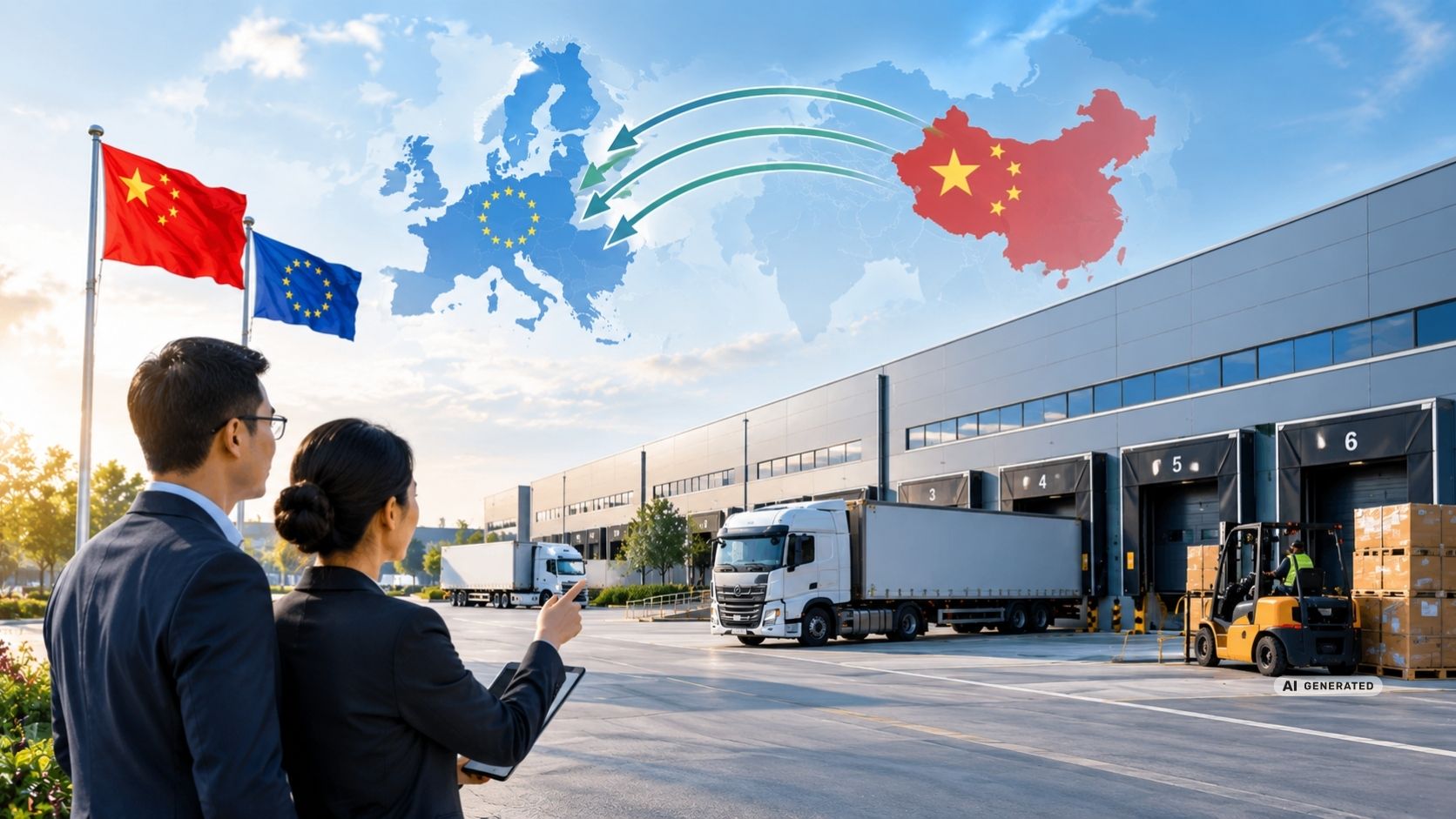
Chinese companies discover Europe's logistics real estate
Chinese companies are becoming an increasingly visible user group in Europe's logistics real estate market. What does this mean for warehouse space, 3PL structures and the requirements for European logistics locations?...
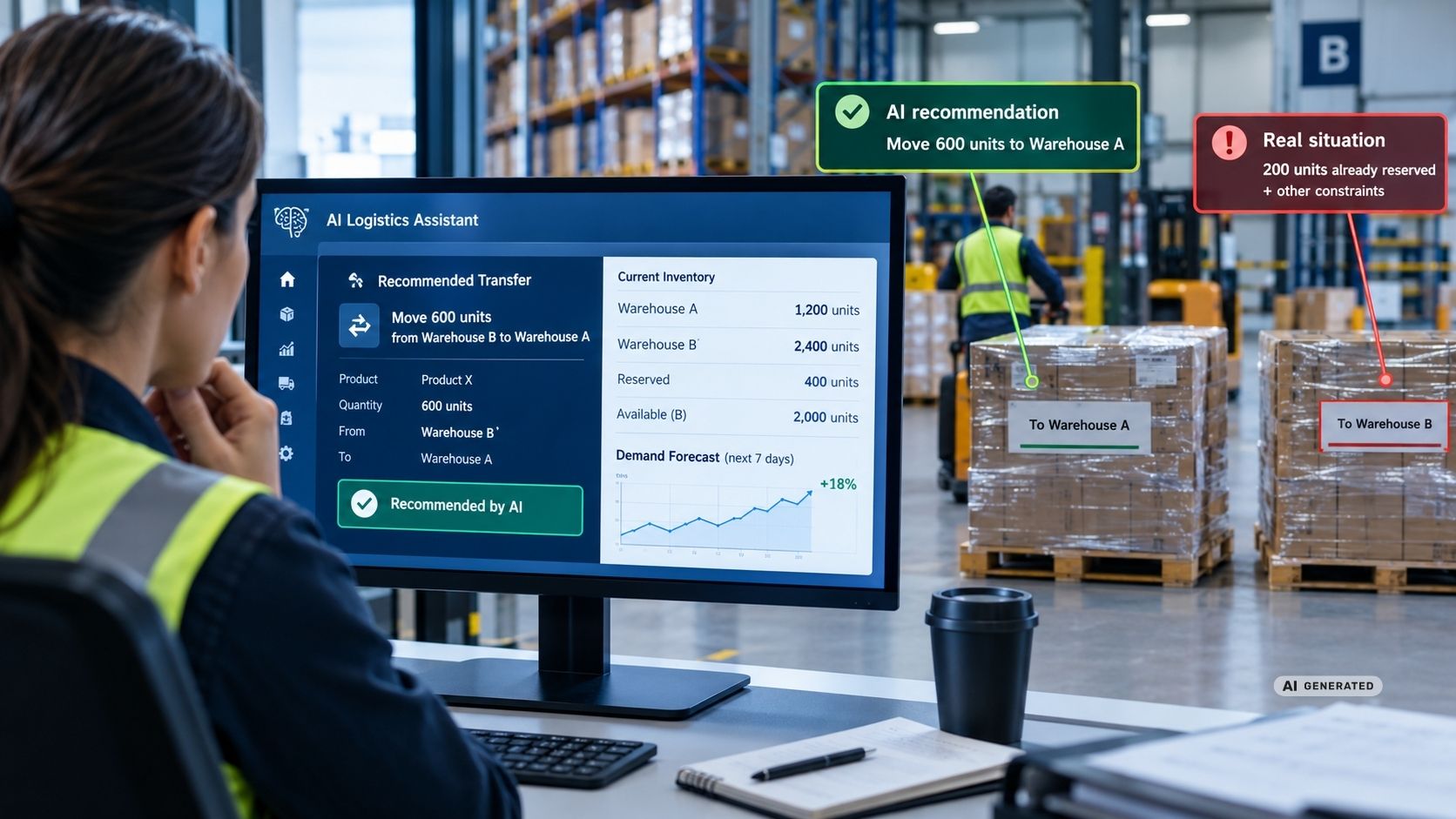
AI Hallucinations in Logistics: When AI Plans the Wrong Delivery
AI can analyze enormous amounts of logistics data — but it can also produce a convincing answer that is simply wrong. The critical question is not whether AI makes mistakes, but what happens when a wrong recommendation becomes an operational decision....
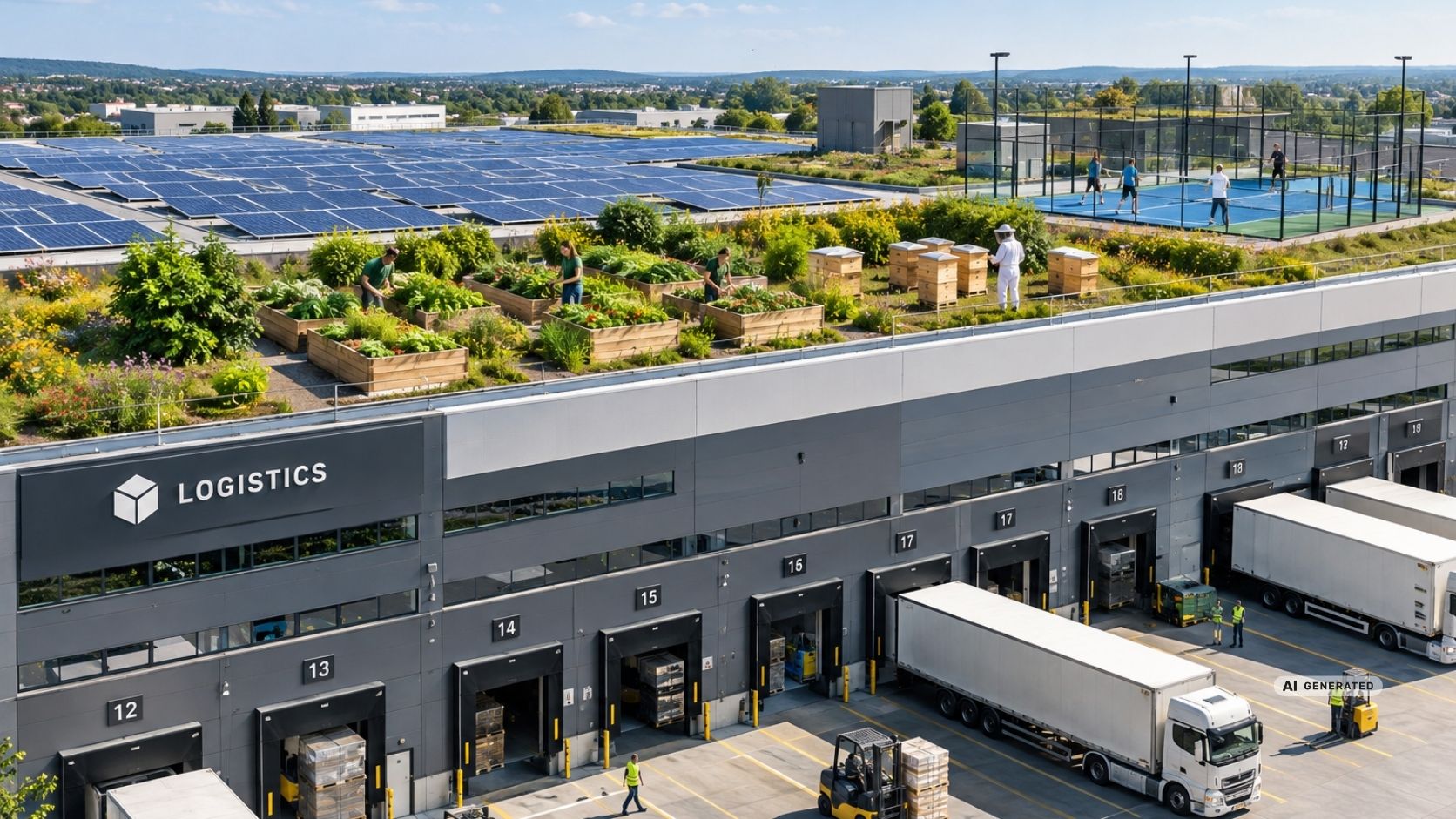
The Green Revolution on the Hall Roof: From Concrete Block to Ecological Power Plant?
Logistics roofs can do more than PV: greening, bees, urban farming and even sports areas turn unused roof space into multifunctional rooms....