


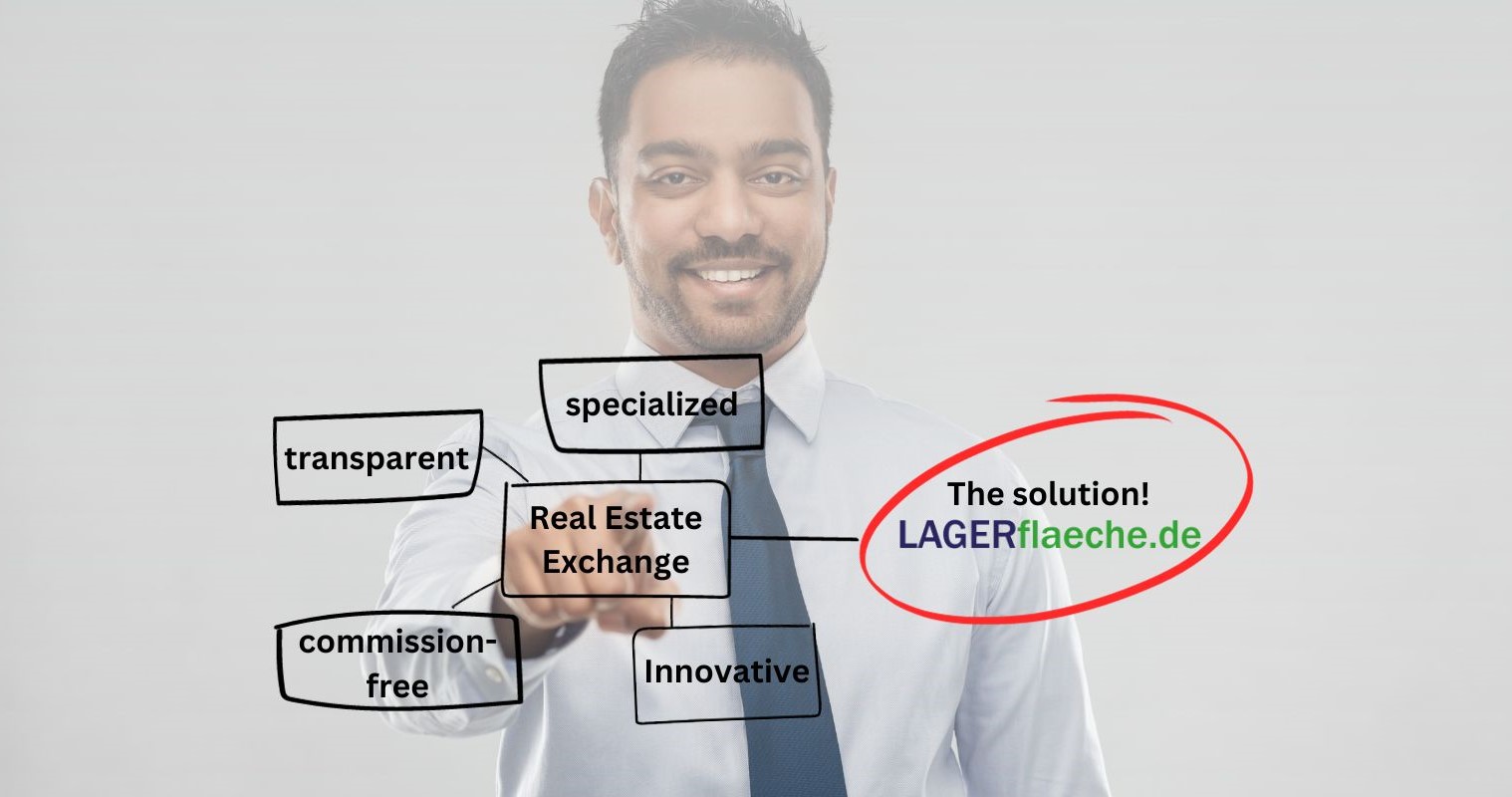
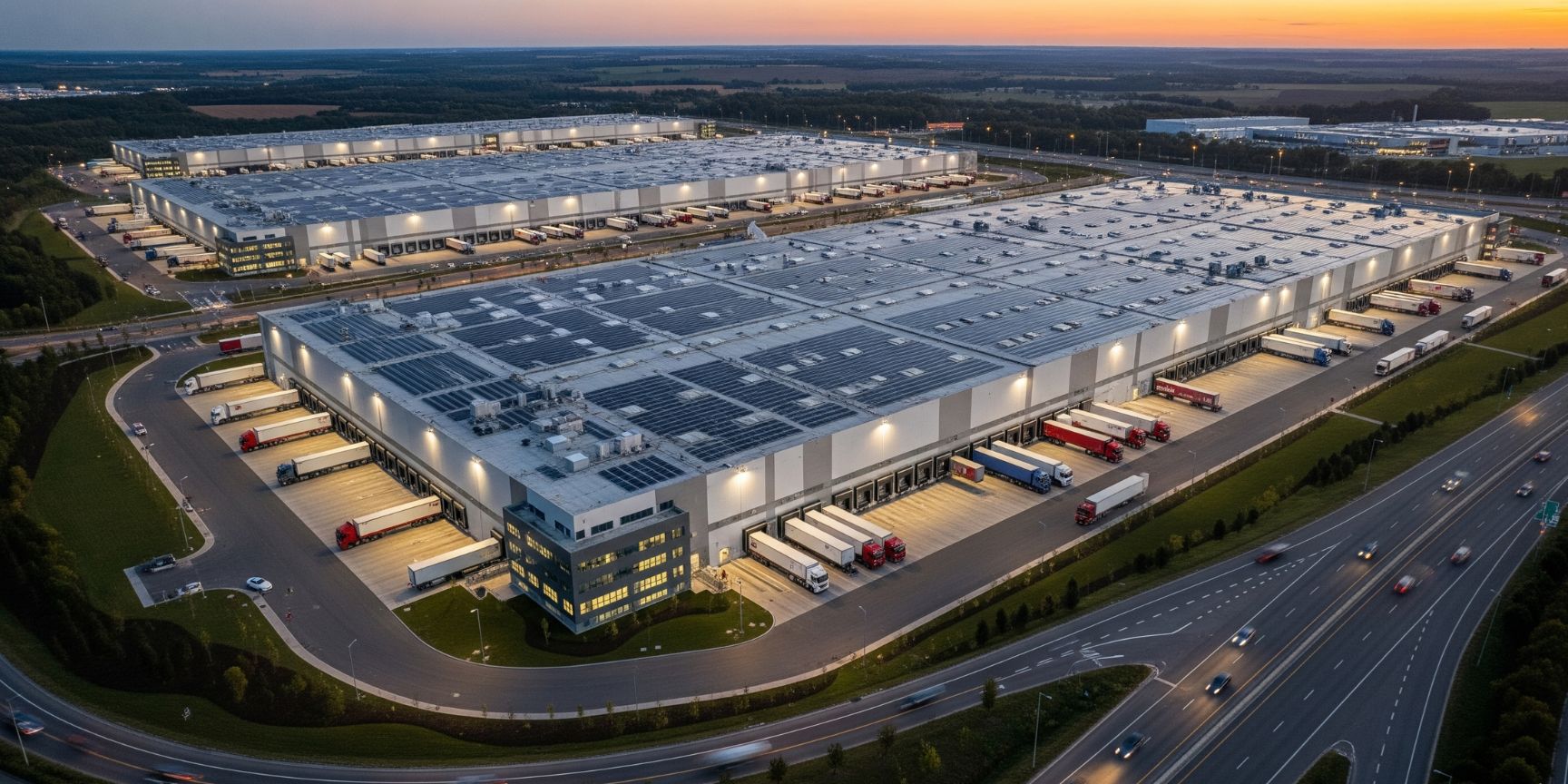
Marketing Logistics Properties: An In-Depth Analysis for 2025
Table of Contents
- The Modern Logistics Market: More Than Just Four Walls and a Roof
- The Pillars of Marketing: Digital Channels as the Game-Changer
- The Broker's Role: Partner Instead of Sole Gatekeeper
- Regional Powerhouses: Marketing Differences in Germany's Logistics Hubs
- A Look Across the Border: Europe vs. Germany
- Facts, Data, Figures: The German Market Analyzed
- The Future of Marketing: ESG, PropTech, and New Demands
- Conclusion: The Perfect Strategy is a Tailored, Digital-First Mix
The e-commerce boom continues, supply chains are being fundamentally rewired, and the demand for modern warehouse and logistics space is at an all-time high. But in a competitive market, how does a highly specialized logistics property find its perfect tenant or buyer? Marketing warehouses, distribution centers, and industrial parks is far more than just posting a "For Lease" sign. It's a strategic discipline that requires deep market intelligence, an excellent network, and a tailored marketing mix that combines the strengths of classic sales channels with the power of highly specialized niche portals, such as Germany's leading platform, www.lagerflaeche.de.
So, where should your focus be today? Is the traditional broker still your first call? What is the decisive role of digital channels? And how do marketing strategies differ across major logistics hubs in Germany and Europe? This in-depth guide provides the practical answers, data, and facts you need for a winning marketing strategy.
The Modern Logistics Market: More Than Just Four Walls and a Roof
Before we talk about marketing, we must understand the product. Today's logistics property is a highly complex asset. We can broadly categorize them into:
- Classic Warehouses: Often older, with simpler specifications, used for basic storage.
- Distribution Centers (DCs): Modern facilities with high ceilings, numerous dock doors, and optimized for rapid throughput and cross-docking.
- Light Industrial Properties: A hybrid of manufacturing and warehouse space.
- Specialized Facilities: Cold storage, hazardous materials (hazmat) warehouses, and other properties that meet strict regulatory requirements.
Adding another layer of complexity is contract logistics (3PL), where a tenant is not just seeking space but a comprehensive package of logistics services. Your marketing must reflect this complexity. It's not just about square footage and rental rates; it's about efficiency, process optimization, and suitability for specific supply chain models.
The Pillars of Marketing: Digital Channels as the Game-Changer
While personal contact and brokers once dominated, the game has shifted. A modern, successful marketing strategy relies on an intelligent mix where online channels play a central, often leading, role.
The Digital Spearhead: Niche Portals and Targeted Online Marketing
This is often the most important and effective channel today. But not all portals are created equal.
- Generalists vs. Specialists: General real estate portals provide enormous reach but also high levels of unqualified inquiries. Their platforms are not designed for the complex requirements of logisticians.
- The Power of the Niche: www.lagerflaeche.de: This is where the decisive advantage lies. A niche portal like www.lagerflaeche.de is exclusively aimed at the target audience of logisticians, freight forwarders, manufacturers, and retailers. The benefits are immense:
- Audience Precision: You reach the exact decision-makers who are searching for warehouse, logistics, or production space.
- Qualified Inquiries: The users are professionals. They know what they need and can filter using detailed criteria like clear height, floor load capacity, dock doors, or hazardous material classes. This results in fewer casual browsers and more serious prospects.
- Efficiency: The specialized platform makes comparing relevant properties simple and fast, accelerating the entire leasing process for the seeker. For landlords, this means a faster and more suitable tenancy.
- Expanded Online Marketing: A portal listing alone is not enough. A professional online strategy also includes:
- Search Engine Optimization (SEO): Dedicated landing pages for top properties that rank on Google for "warehouse for lease in Hamburg."
- Social Media Campaigns: Targeted ads on LinkedIn that are delivered directly to the screens of Expansion Managers or Logistics Directors at major companies.
Other Pillars in the Strategic Mix
- The Indispensable Expert: The Specialist Broker: Remains a key partner for very large or complex transactions.
- Relationship Management: Direct Outreach: Direct contact with large corporations remains important but is often initiated by a digital touchpoint—for example, a prospect who first discovers a property on LAGERflaeche.de.
The Broker's Role: Partner Instead of Sole Gatekeeper
The role of the broker has changed. They are no longer the exclusive gatekeepers of information. Thanks to the transparency of online marketplaces like www.lagerflaeche.de, landlords and tenants can find each other more directly and with better information. Today, brokers are most often engaged as strategic advisors and negotiators for large-scale transactions (>100,000 sq ft / 10,000 m²), complex development projects, and in highly competitive prime locations.
| Advantages of Using a Broker | Disadvantages of Using a Broker |
| Network & Negotiation: Access to off-market deals and professional negotiation. | Cost: The commission is a significant expense that is avoided with direct marketing via portals. |
| Expertise & Valuation: Professional assessment of rental rates and market potential. | Reduced Control: You relinquish control over the marketing process. |
| Time Savings: Manages administrative overhead. | Potential Conflict of Interest: A broker wants a quick deal, not necessarily the absolute best one for the landlord. |
Regional Powerhouses: Marketing Differences in Germany's Logistics Hubs
Yes, there are clear differences. The marketing strategy, especially the digital approach, must be adapted to each logistics metropolis. On a portal like LAGERflaeche.de, these regional searches and listings can be precisely controlled.
- Hamburg & Bremerhaven: Focus on port-related logistics. Online listings must include keywords like "port proximity," "customs clearance," and "trimodal connection."
- Berlin & Surrounding Area: Shaped by e-commerce and last-mile logistics. Digital campaigns here directly target online retailers and courier services.
- Frankfurt am Main (Rhine-Main): Enormous demand pressure due to the airport. Properties listed online here often receive a high number of qualified inquiries in a very short time. Speed is everything.
- Ruhr Area & Düsseldorf/Cologne: High density and strong competition. A professional online presentation with high-quality photos, videos, and full technical specs is crucial to stand out.
According to the analysis firm bulwiengesa, prime rents for modern logistics space in Germany's top regions were already well over €8.00/m² in the first half of 2024, even exceeding €10.00/m² in Munich (Source: bulwiengesa, Logistics Real Estate Market Analysis, 2024).
A Look Across the Border: Europe vs. Germany
Direct digital marketing is also gaining importance in other European countries.
- Poland: Has become a key hub for nearshoring. International companies specifically use online platforms to survey the market before engaging expensive brokers.
- The Netherlands: A very digitally-savvy nation. Online marketing is the absolute standard and is extremely professional.
- France & UK: Traditional broker structures still hold a stronger position here, but specialized online services are increasingly gaining traction to make the market more transparent.
The main difference often lies in the market penetration and acceptance of digital channels. Germany, driven by efficient niche portals like lagerflaeche.de, is already very advanced in this area.
Facts, Data, Figures: The German Market Analyzed
The market data underscores the need for a smart marketing strategy.
- Leasing Volume: The take-up of space in the German industrial and logistics property rental market was around 7.4 million m² in 2023, according to JLL (Source: JLL, Industrial and Logistics Market Overview Germany, Q4 2023). A large portion of these searches now begins online.
- Vacancy Rate: The historically low vacancy rate of around 3% means your online listing will meet maximum demand. This allows you to select the best tenant, not just the first one.
- Investment Yields: Attractive yields of around 4.0% - 4.5% (Source: BNP Paribas Real Estate, 2024) are only achievable if the lease is completed efficiently and at the best possible market price—a clear argument for high-reach, high-precision digital channels.
The Future of Marketing: ESG, PropTech, and New Demands
The marketing of tomorrow is digital and data-driven.
- ESG (Environmental, Social, Governance): Sustainability features (solar panels, EV charging, certifications) are top filter criteria on good online portals and a key marketing argument.
- PropTech & Digitalization: 360° virtual tours are now standard in online listings. AI-powered tenant-matching systems, as developed by advanced portals, are the future.
- Flexibility: Flexible lease options must be clearly and transparently communicated in the online description to attract the right audience.
Conclusion: The Perfect Strategy is a Tailored, Digital-First Mix
Marketing logistics properties in 2025 has a clear focus: digital-first. The days of passively waiting for a broker's call are over.
The foundation of any successful marketing campaign today is a strong presence on the right online channels. For logistics and industrial properties, this primarily means the targeted use of niche portals like Germany's www.lagerflaeche.de, which offer unparalleled audience accuracy and efficiency.
Supplemented by a professional digital marketing strategy and—where necessary—supported by the expertise of a broker for the final negotiation, you create a marketing process that is fast, cost-effective, and precise. This is how you ensure your valuable asset doesn't just find a tenant—it finds the right long-term partner for a successful future.
Latest Blog Posts
Stay up to date with the newest trends, insights, and tips in warehouse and logistics. Our latest articles help you navigate the industry with confidence.
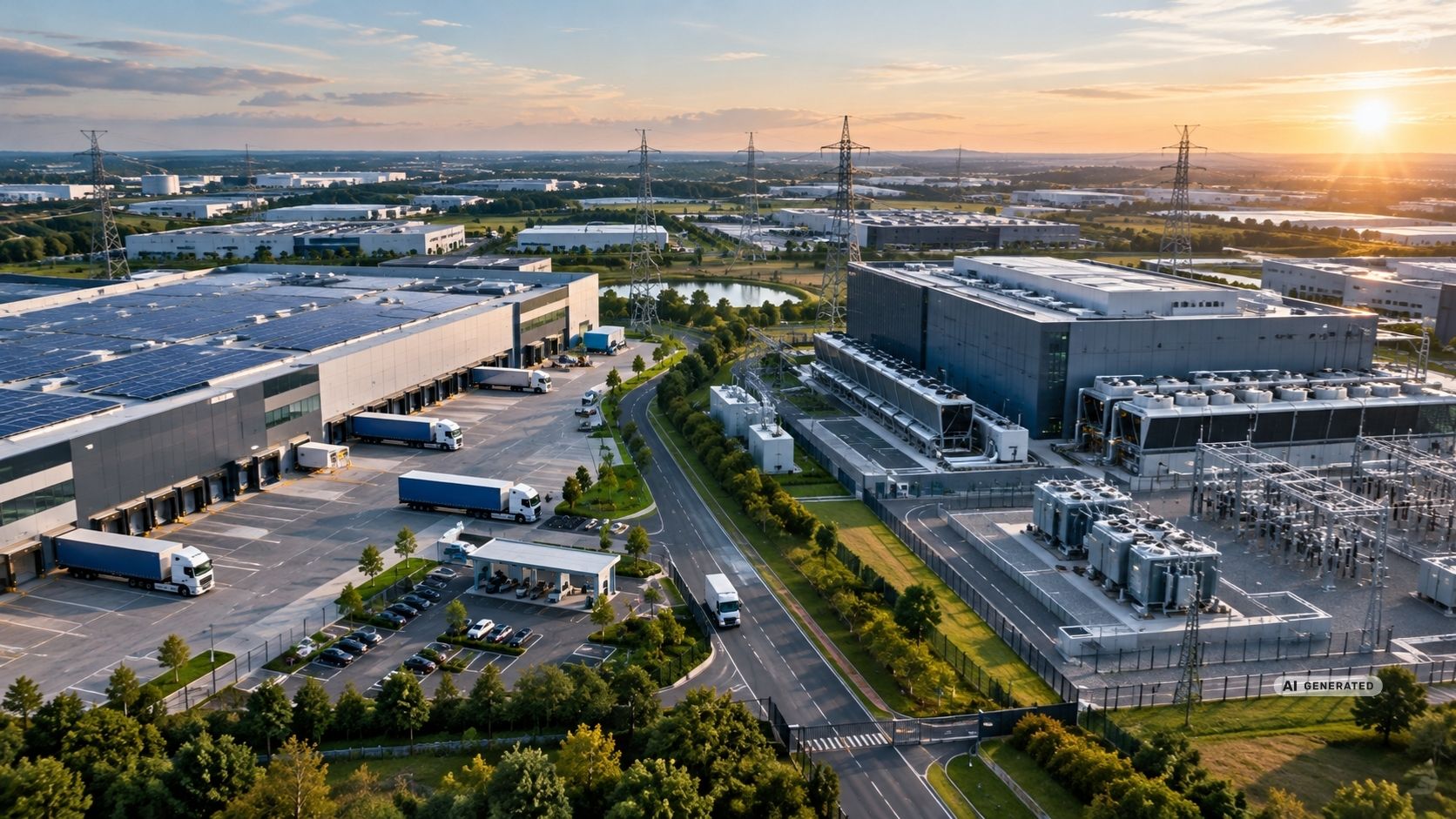
Data Centres vs. Logistics Facilities: The Race for Power and Land
Across Europe, logistics operators are competing for more than land and transport access. They increasingly need something much harder to secure: grid capacity. Data centres are intensifying that competition — and changing how logistics locations are evaluated....

Chinese companies discover Europe's logistics real estate
Chinese companies are becoming an increasingly visible user group in Europe's logistics real estate market. What does this mean for warehouse space, 3PL structures and the requirements for European logistics locations?...
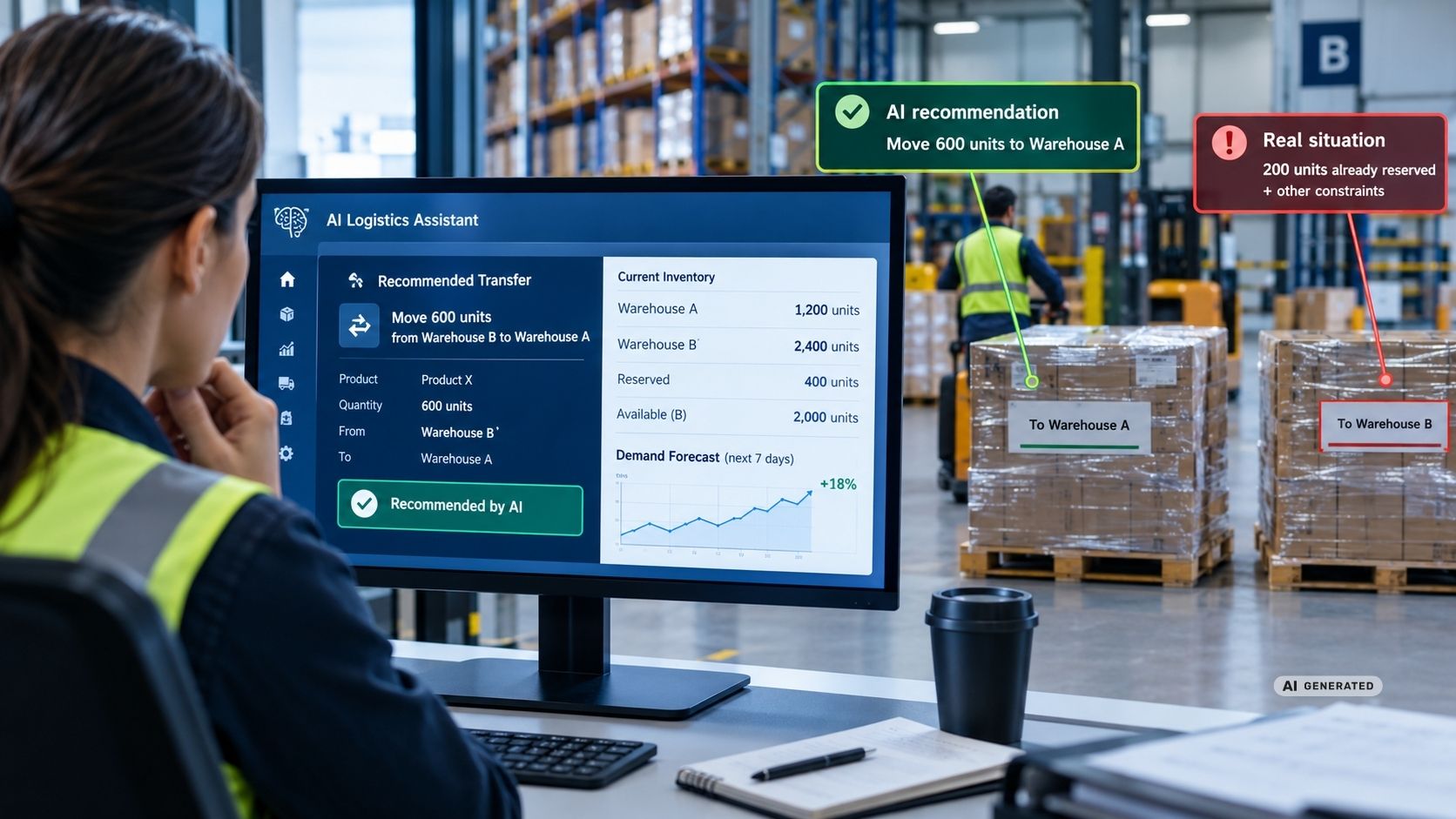
AI Hallucinations in Logistics: When AI Plans the Wrong Delivery
AI can analyze enormous amounts of logistics data — but it can also produce a convincing answer that is simply wrong. The critical question is not whether AI makes mistakes, but what happens when a wrong recommendation becomes an operational decision....
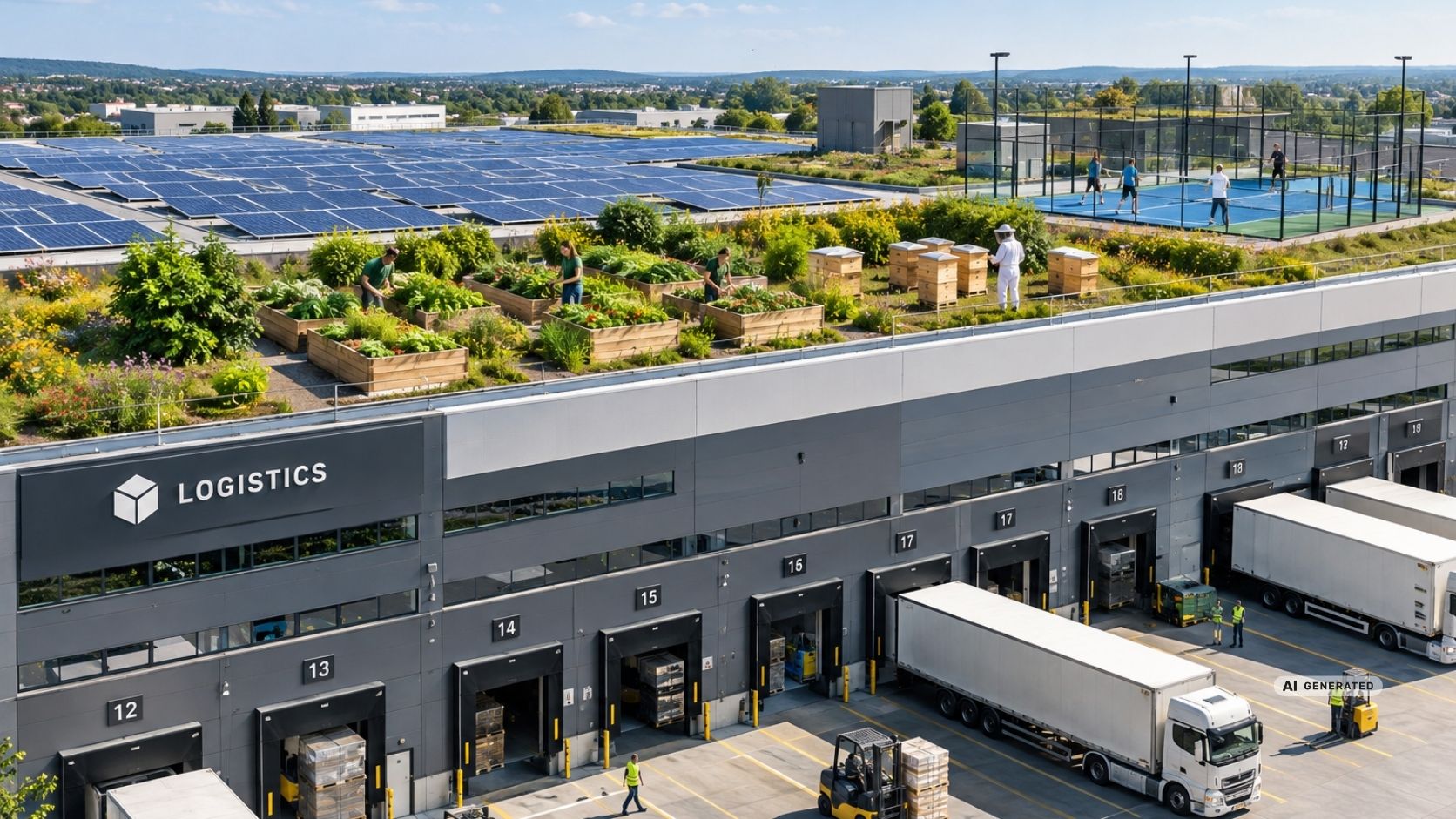
The Green Revolution on the Hall Roof: From Concrete Block to Ecological Power Plant?
Logistics roofs can do more than PV: greening, bees, urban farming and even sports areas turn unused roof space into multifunctional rooms....