



Logistics Service Providers: Your Guide Through the Variety of Transport and Warehousing Partners
Table of Contents
- The Classics: From 1PL to 2PL – The Foundations of Logistics Partnerships
- The All-Rounders: 3PL Providers – Your Partner for Comprehensive Logistics Solutions
- The Strategists: 4PL Providers – The Orchestrators of Your Entire Supply Chain
- The Networkers of the Future: 5PL Providers – Logistics as a Service
- Specialized Logistics Service Providers: Niches, Innovations, and Custom Solutions
- Your Choice Matters: Finding the Right Logistics Partner for Sustainable Success
The world of logistics is dynamic, complex, and a crucial pillar of success for many companies. But who is actually behind the term "logistics service provider," and what role do they play in the global supply chain? Anyone who delves into the topic of "logistics service providers" quickly realizes: there is no single type of provider. Instead, logistics service providers can be divided into various categories, each covering specific tasks and competencies. This blog post takes you on a journey through the different types of logistics partners, explains their functions, and helps you keep an overview. Discover how a solid understanding of these categories can help you develop the optimal logistics strategy for your company and make your supply chains more efficient.
The Classics: From 1PL to 2PL – The Foundations of Logistics Partnerships
At the foundation of the logistics industry are the traditional approaches and service providers that often form the basis for more advanced services:
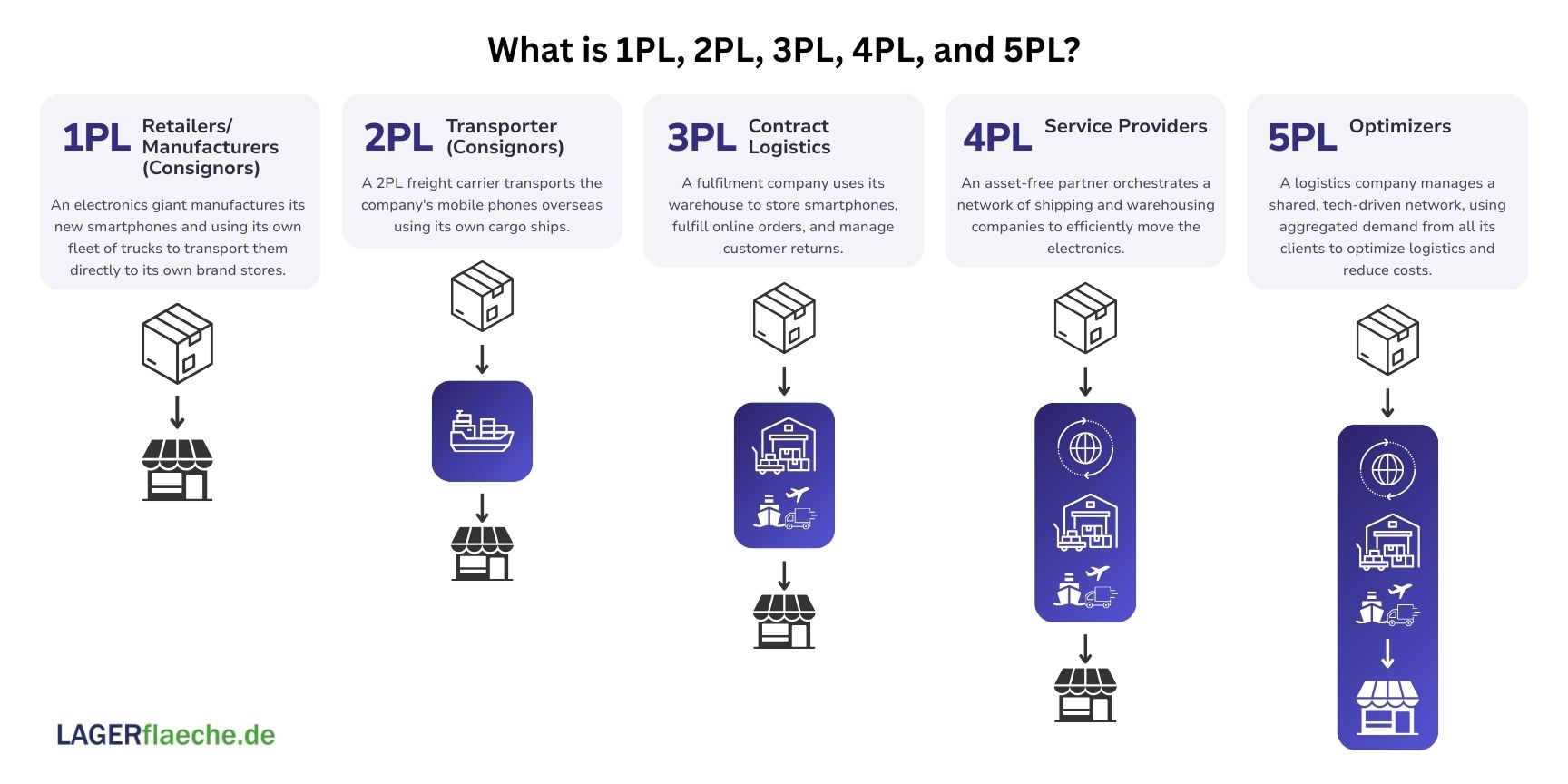
1PL (First Party Logistics): The In-House Provider
Here, a company handles all its logistics internally. It owns and operates its own warehouses, vehicle fleet, and personnel for transport and storage. Control over the processes is maximal, but this also requires high investment and corresponding internal expertise. This is often the case with very large companies or those with highly specialized logistics requirements.
2PL (Second Party Logistics): The Asset-Based Provider
These providers offer specialized, often asset-based logistics services. They have their own resources such as trucks, ships, airplanes, or warehouses. 2PL providers include traditional carriers that perform the physical transport of goods by road, rail, water, or air. Warehouse operators, who provide their own storage space and offer basic warehousing services like storage and retrieval, also fall into this category. They cover specific, defined functions within the supply chain without managing or strategically planning the entire chain. Freight forwarders often organize the services of 2PL providers without carrying out the transport themselves.
The All-Rounders: 3PL Providers – Your Partner for Comprehensive Logistics Solutions
A step further in the integration of logistics processes are 3PL providers (Third Party Logistics Providers), often referred to as contract logistics providers. These providers offer a more comprehensive range of services that go beyond mere transport or storage.
3PL (Third Party Logistics): The Integrated Service Provider
A 3PL provider takes over entire parts or even the complete operational logistics for a company. This can include the combination of transport, warehousing, handling, and additional value-added services. Examples of such services are order picking, packing, product assembly, labeling, returns management, or quality control. The term "contract logistics" is derived from the often long-term contract signed between the client and the logistics provider to offer customized solutions. The goal is to optimize the client's logistics processes, reduce costs, and increase efficiency by leveraging the 3PL provider's expertise, infrastructure, and often specific IT systems.
The Strategists: 4PL Providers – The Orchestrators of Your Entire Supply Chain
At the pinnacle of logistics integration and optimization are 4PL providers (Fourth Party Logistics Providers), also known as Lead Logistics Providers (LLP). They are responsible for the strategic planning and management of the entire supply chain, without owning any physical assets themselves.
4PL (Fourth Party Logistics): The Neutral Integrator
A 4PL provider acts as a neutral integrator that plans, controls, and optimizes a client's entire supply chain. They coordinate not only the activities of 3PL providers but also those of other service providers (e.g., IT providers, consultants). A 4PL provider does not own its own means of transport or warehouses but manages and optimizes the resources and processes of third parties. The goal is an end-to-end optimization of the supply chain that goes beyond pure cost reduction and also includes aspects such as risk management, sustainability, and agility. LLPs offer strategic know-how and technology to orchestrate complex logistics networks and ensure maximum transparency and control. They act as a central point of contact for all the client's logistics matters.
The Networkers of the Future: 5PL Providers – Logistics as a Service
The newest and most comprehensive category of logistics service providers are the 5PL providers, who position themselves as master integrators and network optimizers.
5PL (Fifth Party Logistics): The Network Optimizer
These providers go beyond orchestration and often act as master integrators or operators of complete logistics networks. They combine the expertise of 3PL and 4PL providers and use the most advanced technologies such as Artificial Intelligence (AI), Big Data, and the Internet of Things (IoT) to create and manage highly complex, often global supply chain ecosystems. A strong focus is on e-commerce logistics and providing "Logistics as a Service" to a multitude of clients. 5PLs are responsible not only for efficiency but also for optimizing the entire value chain with regard to sustainability and resilience. They act as strategic consultants and implementers for companies that want to fully outsource and optimize their logistics.
Specialized Logistics Service Providers: Niches, Innovations, and Custom Solutions
In addition to the main categories focusing on the depth of integration, there is a multitude of specialized logistics service providers that concentrate on specific industries, types of goods, or transport routes:
- CEP Services (Courier, Express, Parcel): Specialized in the rapid transport of smaller shipments and parcels. These are of great importance for e-commerce and fast delivery. Examples include DHL, UPS, FedEx, Hermes.
- Hazardous Goods Logistics: Experts in the transport and storage of dangerous goods, which require special regulations and safety measures.
- Temperature-Controlled Logistics: Transport and storage of sensitive goods that require a constant temperature (e.g., pharmaceuticals, food).
- Project Logistics: Specialists in the transport of large and heavy goods as well as for complex logistics projects (e.g., construction of wind turbines, industrial installations).
- IT Logistics Service Providers: Focus on software solutions for logistics processes (e.g., Transport Management Systems (TMS), Warehouse Management Systems (WMS), telematics).
These specialists complement the service spectrum of the larger providers and enable customized solutions for specific requirements, often in collaboration with 3PL, 4PL, or 5PL providers.
Your Choice Matters: Finding the Right Logistics Partner for Sustainable Success
Choosing the right logistics service provider is a strategic decision that has far-reaching effects on the efficiency, costs, and competitiveness of your company. A solid knowledge of the different "PL" categories and specialists is essential:
- Cost Optimization: Understand which type of provider is most cost-effective for your specific needs. Sometimes a specialist is more expensive but essential for compliance or safety.
- Risk Management: A specialized provider can minimize risks when handling certain goods or complex transports. A 4PL or 5PL provider can take over the entire risk management of the supply chain.
- Service Quality and Reliability: Ensure that the chosen partner can provide the required service quality and reliability for your products and customers.
- Scalability and Flexibility: The ideal partner should be able to grow with your company and adapt to changing market conditions.
- Innovation and Sustainability: More and more companies value innovative and sustainable logistics solutions. Choosing a partner who shares these values can strengthen your brand image and contribute to achieving your sustainability goals.
A careful analysis of your own logistics requirements and the respective strengths of the different provider types is the key to success. The future of logistics will continue to be shaped by innovation, digitalization, and sustainability. Those who set the right course today and rely on the right logistics service provider will secure decisive competitive advantages for the supply chain of tomorrow. Invest time in choosing your logistics partner – it's worth it!
Latest Blog Posts
Stay up to date with the newest trends, insights, and tips in warehouse and logistics. Our latest articles help you navigate the industry with confidence.

Data Centres vs. Logistics Facilities: The Race for Power and Land
Across Europe, logistics operators are competing for more than land and transport access. They increasingly need something much harder to secure: grid capacity. Data centres are intensifying that competition — and changing how logistics locations are evaluated....
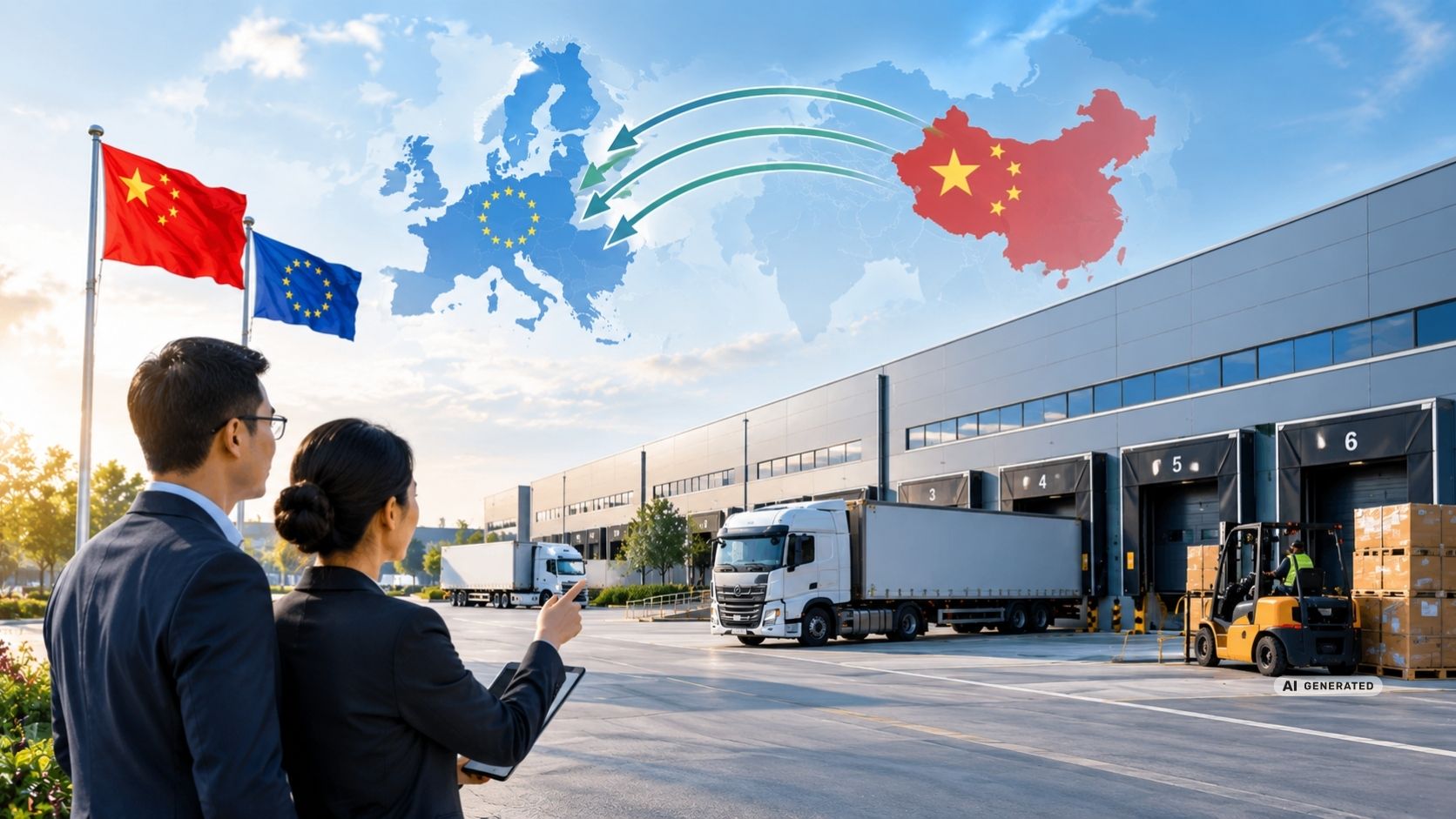
Chinese companies discover Europe's logistics real estate
Chinese companies are becoming an increasingly visible user group in Europe's logistics real estate market. What does this mean for warehouse space, 3PL structures and the requirements for European logistics locations?...
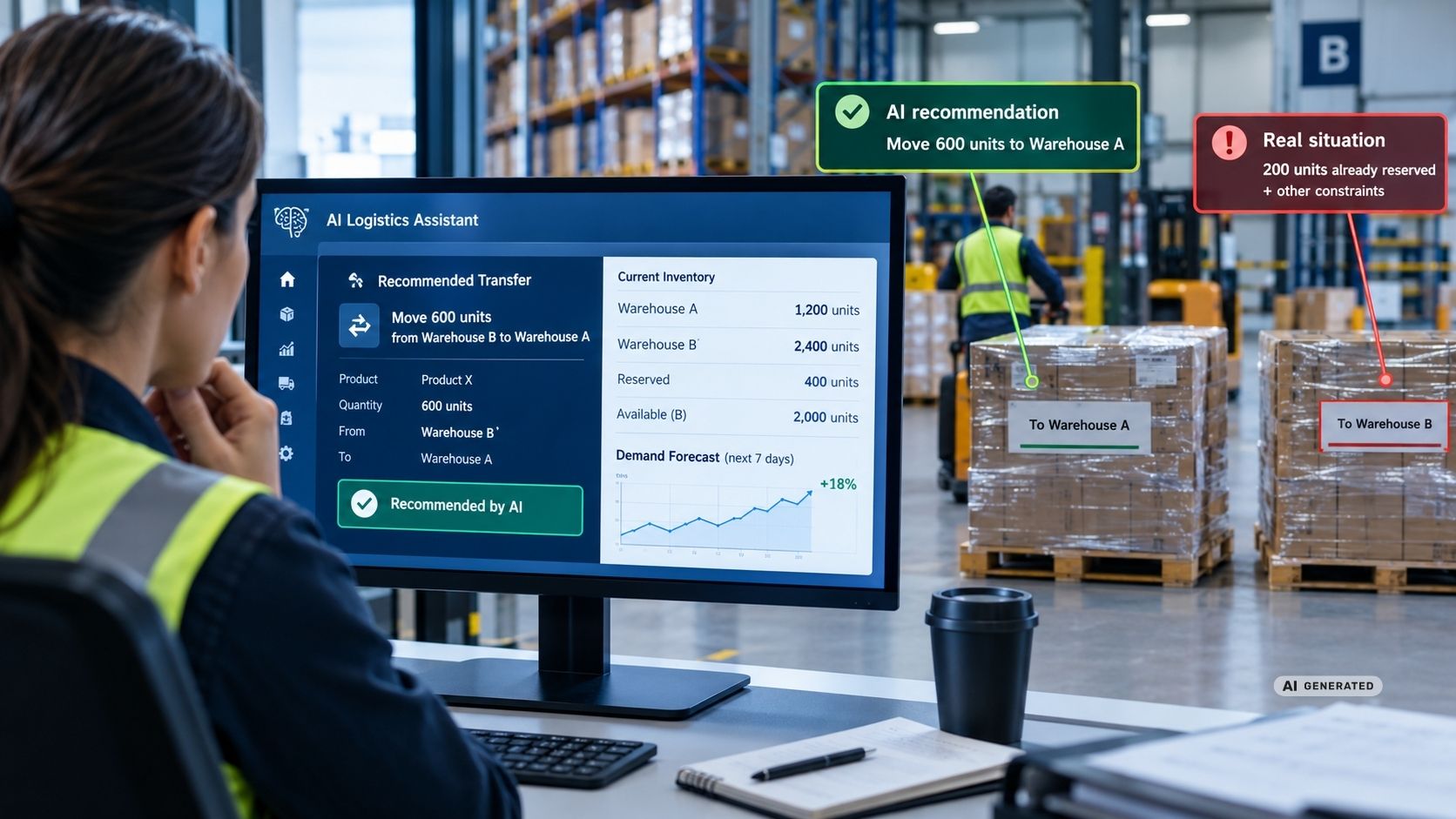
AI Hallucinations in Logistics: When AI Plans the Wrong Delivery
AI can analyze enormous amounts of logistics data — but it can also produce a convincing answer that is simply wrong. The critical question is not whether AI makes mistakes, but what happens when a wrong recommendation becomes an operational decision....
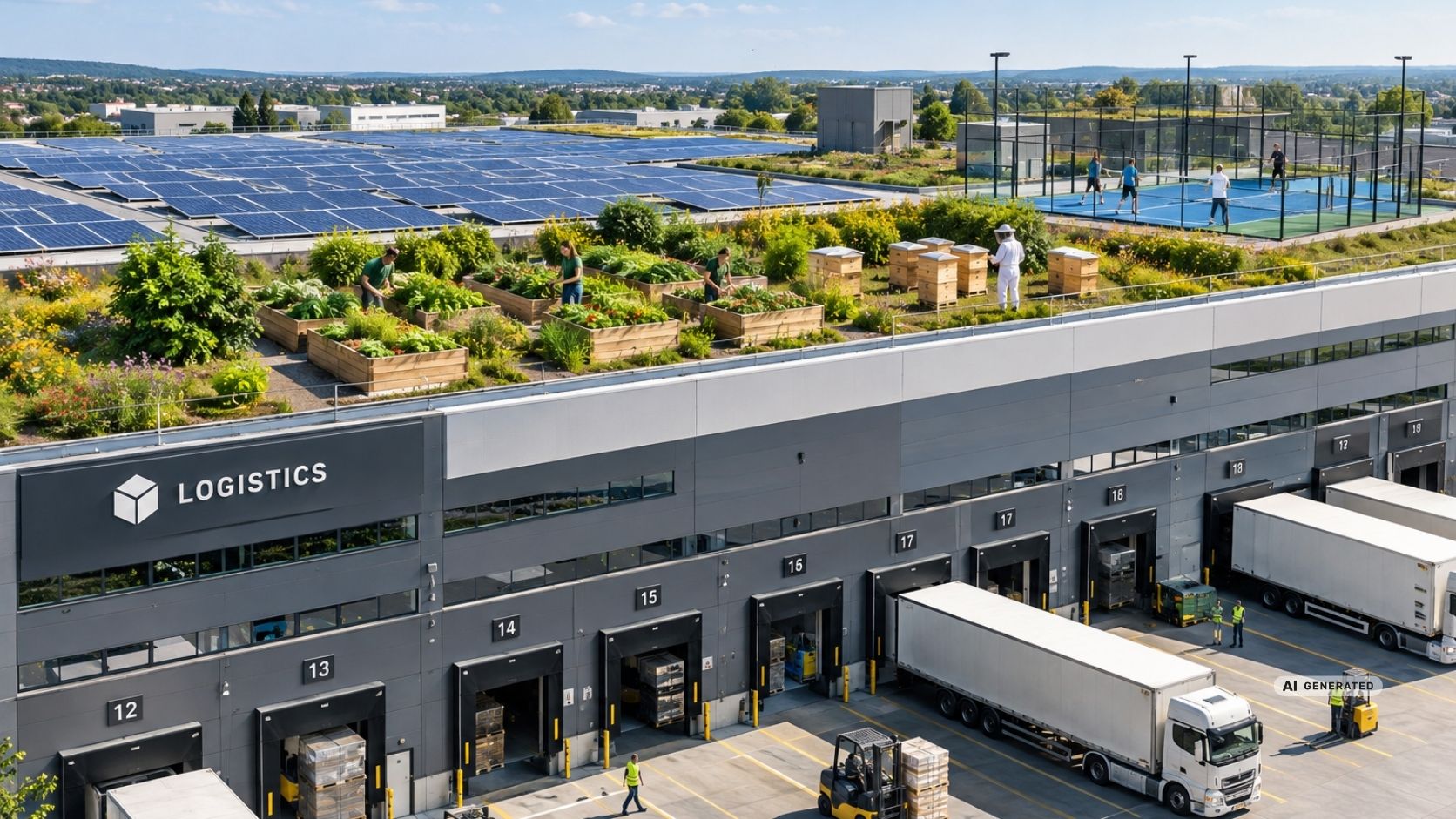
The Green Revolution on the Hall Roof: From Concrete Block to Ecological Power Plant?
Logistics roofs can do more than PV: greening, bees, urban farming and even sports areas turn unused roof space into multifunctional rooms....