


Convenience is expensive: Why doorstep delivery is reaching its limits
Out-of-home is becoming the new infrastructure of the last mile
Lucerne, 23 June 2026 – Consumers today expect flexible and convenient delivery options. Parcel services, on the other hand, are struggling with rising delivery costs, traffic and delivery problems in city centres and growing pressure on margins. Parcel shops, parcel terminals and other out-of-home solutions are therefore growing rapidly throughout Europe. "The front door is convenient, but expensive," says Rico Back, Managing Partner of SKR AG. "Out-of-home is evolving from an additional service to a strategic parcel delivery infrastructure."
A look at Germany and Europe shows how dynamically the market is changing. DHL Group aims to double the number of its pick-up and drop-off stations to 30,000 by 2030. At the same time, almost all major parcel service providers are investing in the expansion of their out-of-home networks. GLS, for example, has expanded its European network from around 70,000 to more than 130,000 locations within two years. Together with DPD, the company is pursuing the goal of building one of the largest provider-open out-of-home networks in the country with 20,000 pick-up and delivery points by the end of 2027 with the "inboxx" brand.
Investors are also increasingly evaluating access to out-of-home networks as a strategic competitive advantage. In early 2026, a consortium led by FedEx and Advent International announced the acquisition of InPost. The valuation of around 7.8 billion euros underlines the economic importance of dense delivery and pick-up networks for the future of the last mile.
Why out-of-home is gaining importance
In Poland and parts of Scandinavia, out-of-home models are already much more firmly anchored in everyday life than in Germany. In this country, too, the use of parcel stations and pick-up points is growing continuously.
At the same time, the expectations of the recipients are changing. Many people are more mobile than before, both professionally and privately, and want to decide for themselves when and where they receive their shipments. It is not about ever faster deliveries, but above all about flexibility, control and reliability in delivery.
In addition, the framework conditions for delivery in cities are becoming more demanding. More traffic, fewer parking spaces, environmental zones, delivery windows and new regulatory requirements are increasing the pressure on parcel services. While parcel volumes continue to rise, especially due to e-commerce, it is becoming increasingly difficult to get every shipment to the front door efficiently and economically.
Bringing together cost-effectiveness and customer comfort
"One thing is particularly important for the industry – it must organise the last mile in an economically adequate way and at the same time meet consumers' desire for convenient delivery," says Rico Back.
Out-of-home structures make it possible to bundle shipments, reduce delivery stops and use scarce resources more efficiently. That is why parcel services, trading platforms and investors are investing in the expansion of corresponding networks throughout Europe.
"However, success is not determined by the number of parcel stations, but by how intensively they are used," says Rico Back. "Infrastructure only creates an economic advantage if it bundles sufficient volumes and makes delivery more efficient."
The right balance will be decisive
For Rico Back, there is much to suggest that out-of-home structures will continue to gain in importance in the coming years. Nevertheless, classic doorstep delivery remains indispensable for many consumers and use cases.
Whether the billions of euros invested in new delivery structures will pay off in the long term, however, will not only depend on the expansion of the networks. It is important that it is possible to direct sufficient shipment volumes to this infrastructure and at the same time meet consumer expectations.
"The industry is currently investing massively in new delivery structures," says Rico Back. "That alone does not guarantee success. The decisive factor will be which models are accepted by customers and can be operated economically at the same time."
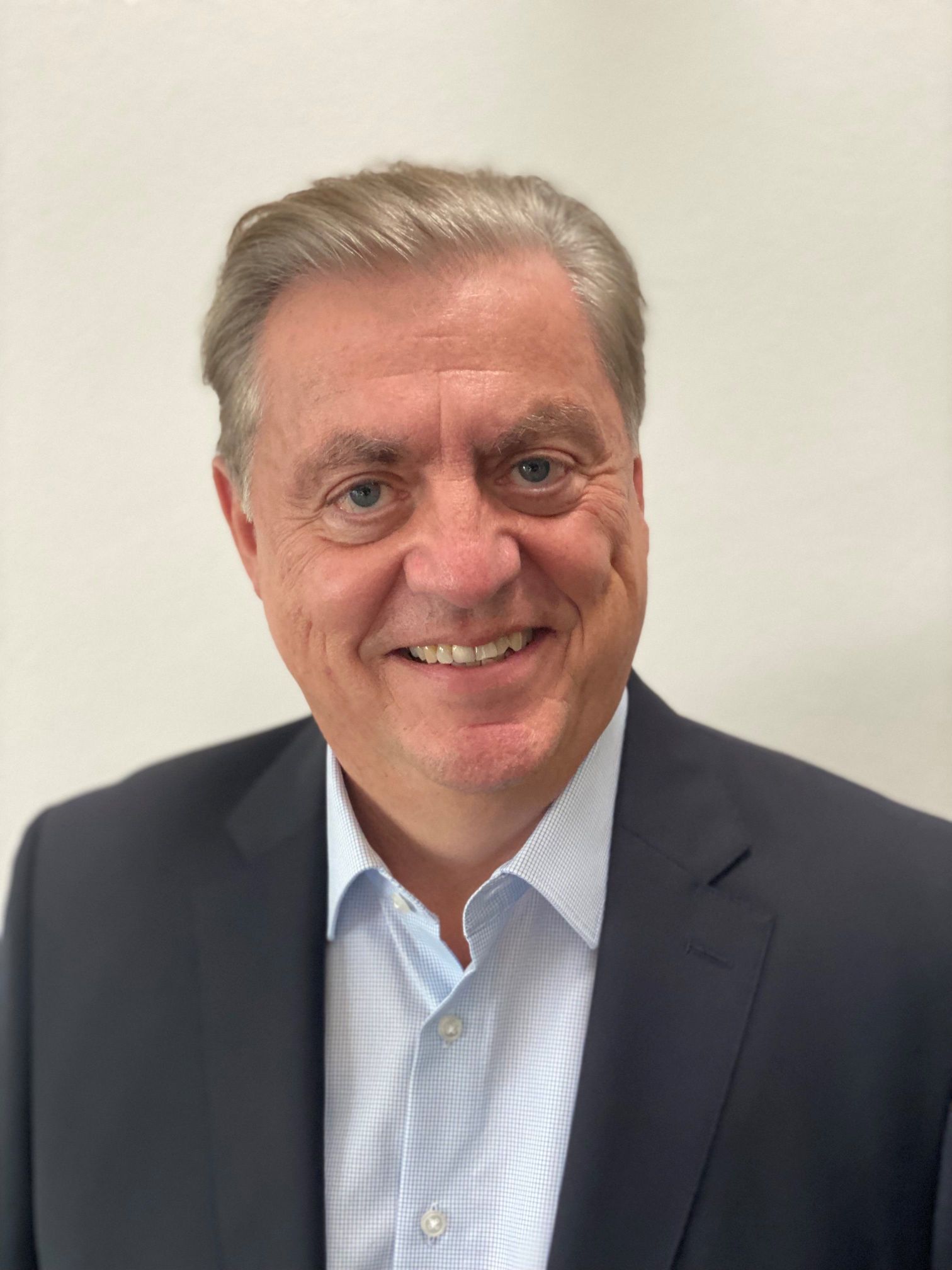
Portrait photo of Rico Back, Managing Partner of SKR AG ( © SKR AG).
About SKR AG
SKR AG, headquartered in Lucerne, is an independent consulting and investment company with a focus on the CEP market, e-commerce and restructuring. Managing Partner Rico Back brings over 30 years of international experience in the parcel and logistics industry – including as CEO of the Royal Mail Group and the GLS Group. SKR AG advises industry, trade and investors on strategic decisions along the supply chain.
Further information: skr-ag.com
Press contact:
STROOMER PR | Concept GmbH, Rellinger Str. 64 a, 20257 Hamburg
Yvonne.Riede@stroomer.de, Phone: 040 85 31 33-12
Latest Warehouse News
Logivest supports JCL Home Delivery Germany again in Cologne expansion
Logivest once again supports JCL Home Delivery Germany in expanding its space in Cologne...
CargoLine expands its Italian expertise: Arco Spedizioni becomes new partner for Milan and Lombardy
CargoLine gains Arco Spedizioni as new partner for Milan and Lombardy...
Logistics take-up continues to rise – particularly high volume in the third quarter
BNP Paribas Real Estate publishes market figures for Q3 2026...
20 years of Gebrüder Weiss in Maria Lanzendorf: an investment with foresight
With the construction of the Maria Lanzendorf branch near Vienna, Gebrüder Weiss set the course for further growth in Austria and Europe. Today, the site is the largest in the entire Group network....