




Understanding Logistics: How Warehouse, Intralogistics, and Transport Work Together
In today's fast-paced supply chain environment, terms like warehouse logistics, intralogistics, and transport logistics are often used interchangeably. Yet each plays a distinct and critical role within a company's logistics operations. This article breaks down the definitions, differences, and synergies between these three areas, with a special focus on warehouse logistics as the core driver of operational excellence.
What Is Logistics? A Foundational Overview
Logistics refers to the planning, execution, and control of the movement and storage of goods, services, and information throughout the supply chain. The goal is to deliver the right product, in the right quantity, at the right time, to the right place, at the right cost, and in the right condition.
An effective logistics strategy integrates multiple disciplines including intralogistics, transport logistics, and warehouse management to ensure smooth and cost-effective operations.
Core logistics goals:
- Deliver goods on time
- Optimize inventory levels
- Reduce logistics costs
- Improve customer satisfaction
- Increase supply chain visibility
Intralogistics: Internal Logistics Operations
Intralogistics involves all material flow processes within the boundaries of a facility—such as warehouses, production plants, and distribution centers. It focuses on internal transport, storage, and information flow.
Key intralogistics functions:
- Internal material handling (e.g., conveyors, forklifts, AGVs)
- Inventory control and warehouse organization
- Order picking and packing
- Coordination of goods movement between departments
- Real-time data integration via Warehouse Management Systems (WMS)
Goal: Improve internal process efficiency and reduce handling times through smart automation and layout optimization.

Transport Logistics: Connecting Facilities and Customers
Transport logistics manages the physical movement of goods between locations—whether from supplier to manufacturer, warehouse to retailer, or business to end customer.
Transport logistics includes:
- Route planning and transport mode selection
- Freight and carrier management
- Shipment tracking and visibility
- Customs and compliance (e.g., for international logistics)
- Handling of dangerous or perishable goods
Goal: Enable fast, reliable, and cost-effective deliveries across national and international networks.
Warehouse Logistics: The Backbone of Supply Chain Efficiency
Warehouse logistics is at the heart of both intralogistics and transport logistics. It manages everything that happens within a warehouse—receiving, storing, picking, packing, and shipping goods.
Core warehouse logistics processes:
- Inbound logistics: Receiving, inspecting, and recording goods
- Storage optimization: Strategic placement based on turnover rates and special requirements (e.g., cold storage)
- Inventory management: Accurate tracking to avoid shortages or overstock
- Order picking & packing: Using smart systems like Pick-by-Light or Pick-by-Voice
- Outbound logistics: Preparing and loading shipments for transport
Benefits of efficient warehouse logistics:
- Reduced storage costs and picking errors
- Faster delivery times
- Greater transparency and traceability
- Higher customer satisfaction
Why Integration Matters: The Logistics System as a Whole
Warehouse, intralogistics, and transport logistics are not isolated units—they function as interconnected gears within the greater logistics engine.
Interdependencies:
- Poor transport coordination leads to delays in inbound or outbound warehouse operations.
- Inefficient internal workflows impact order fulfillment speed and accuracy.
- Digital tools like WMS, TMS (Transport Management System), and ERP systems must work seamlessly together to enable real-time data exchange.
Result: A well-integrated logistics system enhances resilience, cost-efficiency, and agility throughout the supply chain.

Conclusion: Investing in Warehouse Logistics Drives Performance
Companies that invest in modern warehouse logistics—through automation, skilled personnel, and advanced systems—gain a competitive edge. An optimized warehouse reduces lead times, minimizes waste, and improves overall logistics performance.
Recommendations:
- View warehouse logistics as a strategic function
- Continuously review and optimize logistics processes
- Strengthen links between warehouse, intralogistics, and transport logistics
A future-ready logistics system starts with a strong warehouse foundation.
Latest Blog Posts
Stay up to date with the newest trends, insights, and tips in warehouse and logistics. Our latest articles help you navigate the industry with confidence.
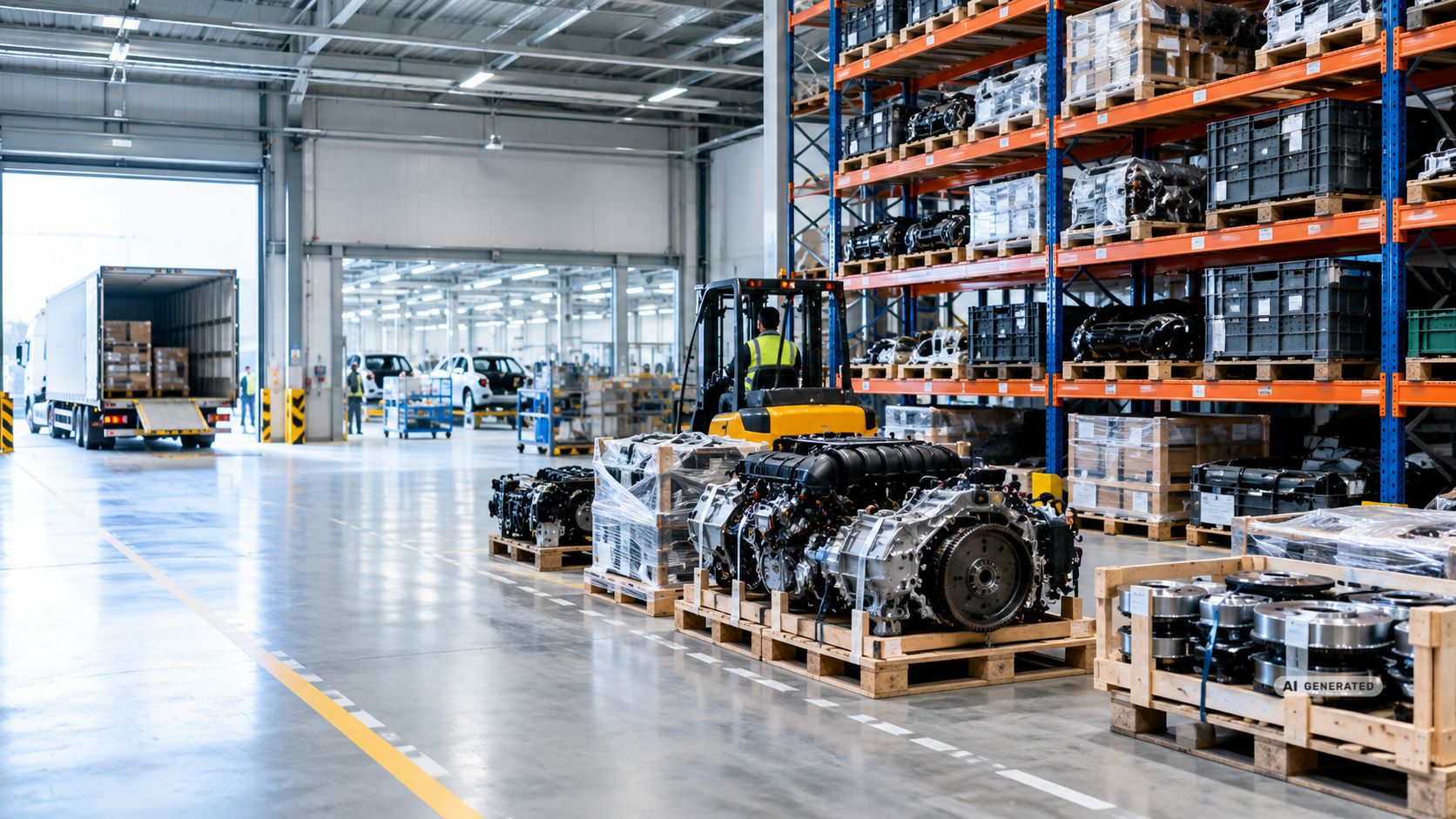
Poland, Czechia, Slovakia or Hungary: Which Location Best Fits Your Automotive Supply Chain?
Poland, Czechia, Slovakia and Hungary play different roles in Europe's automotive industry. This comparison explores which locations companies should consider for component sourcing, manufacturing, electric mobility and cross-border logistics....
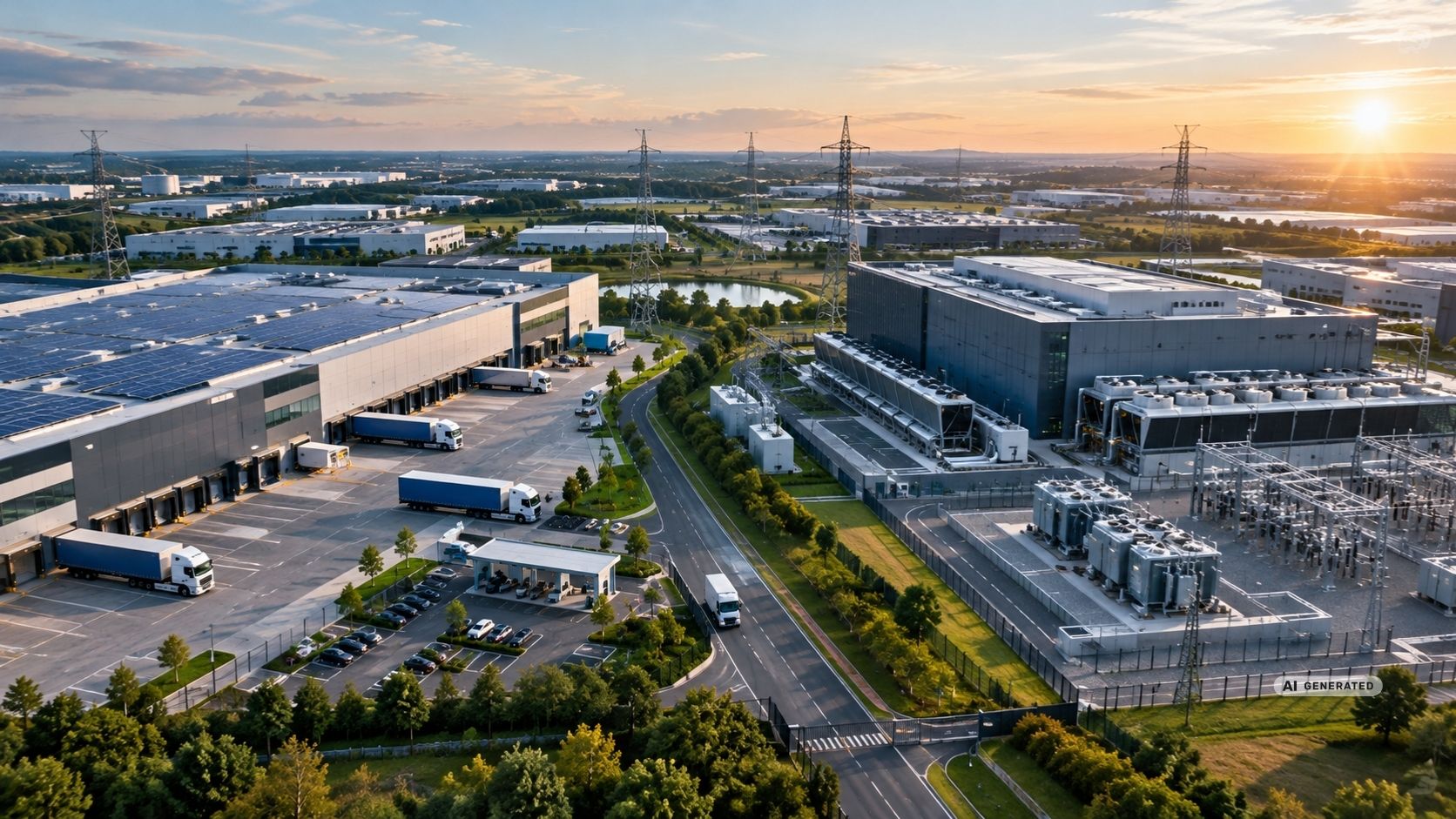
Data Centres vs. Logistics Facilities: The Race for Power and Land
Across Europe, logistics operators are competing for more than land and transport access. They increasingly need something much harder to secure: grid capacity. Data centres are intensifying that competition — and changing how logistics locations are evaluated....
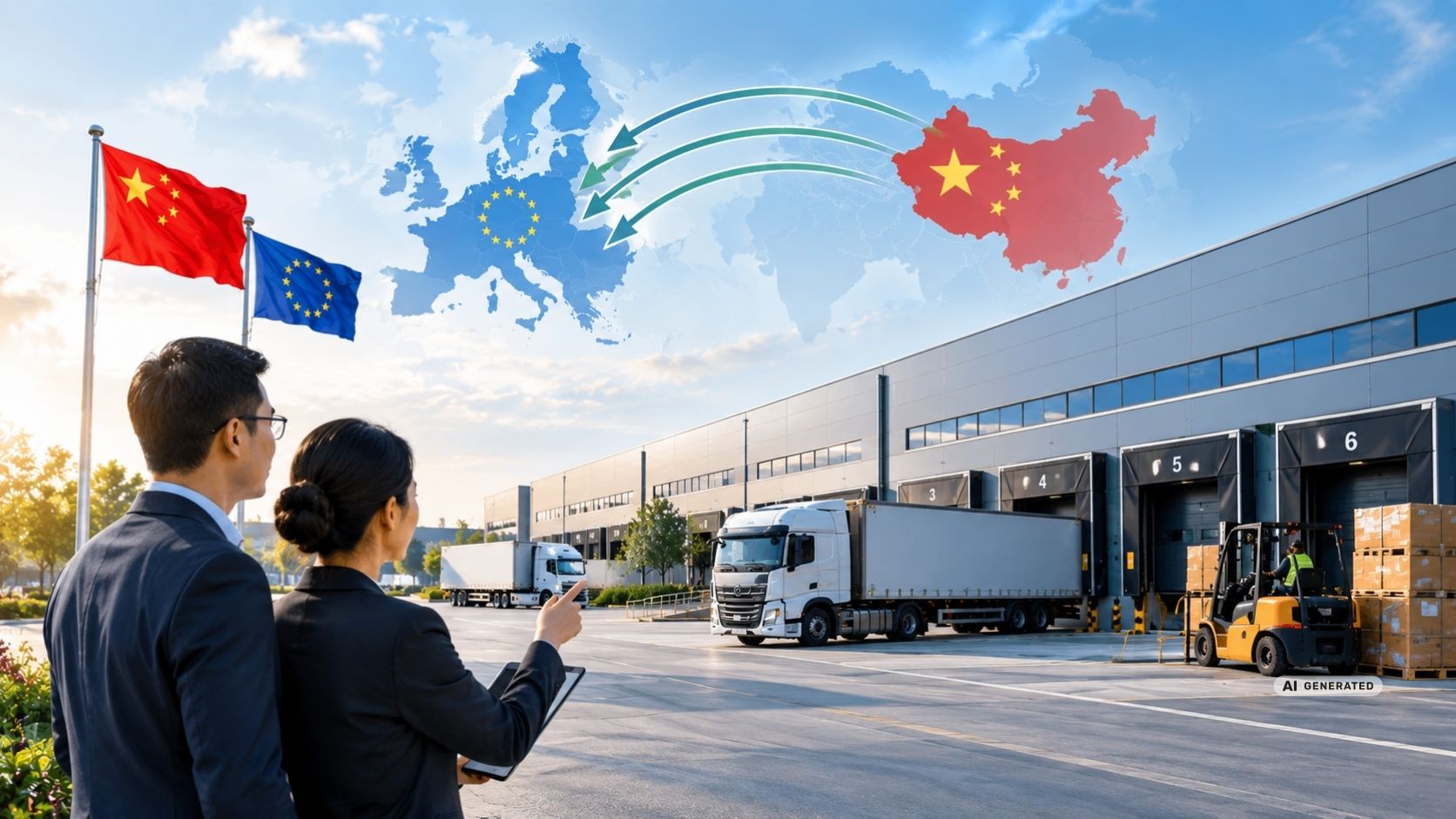
Chinese companies discover Europe's logistics real estate
Chinese companies are becoming an increasingly visible user group in Europe's logistics real estate market. What does this mean for warehouse space, 3PL structures and the requirements for European logistics locations?...
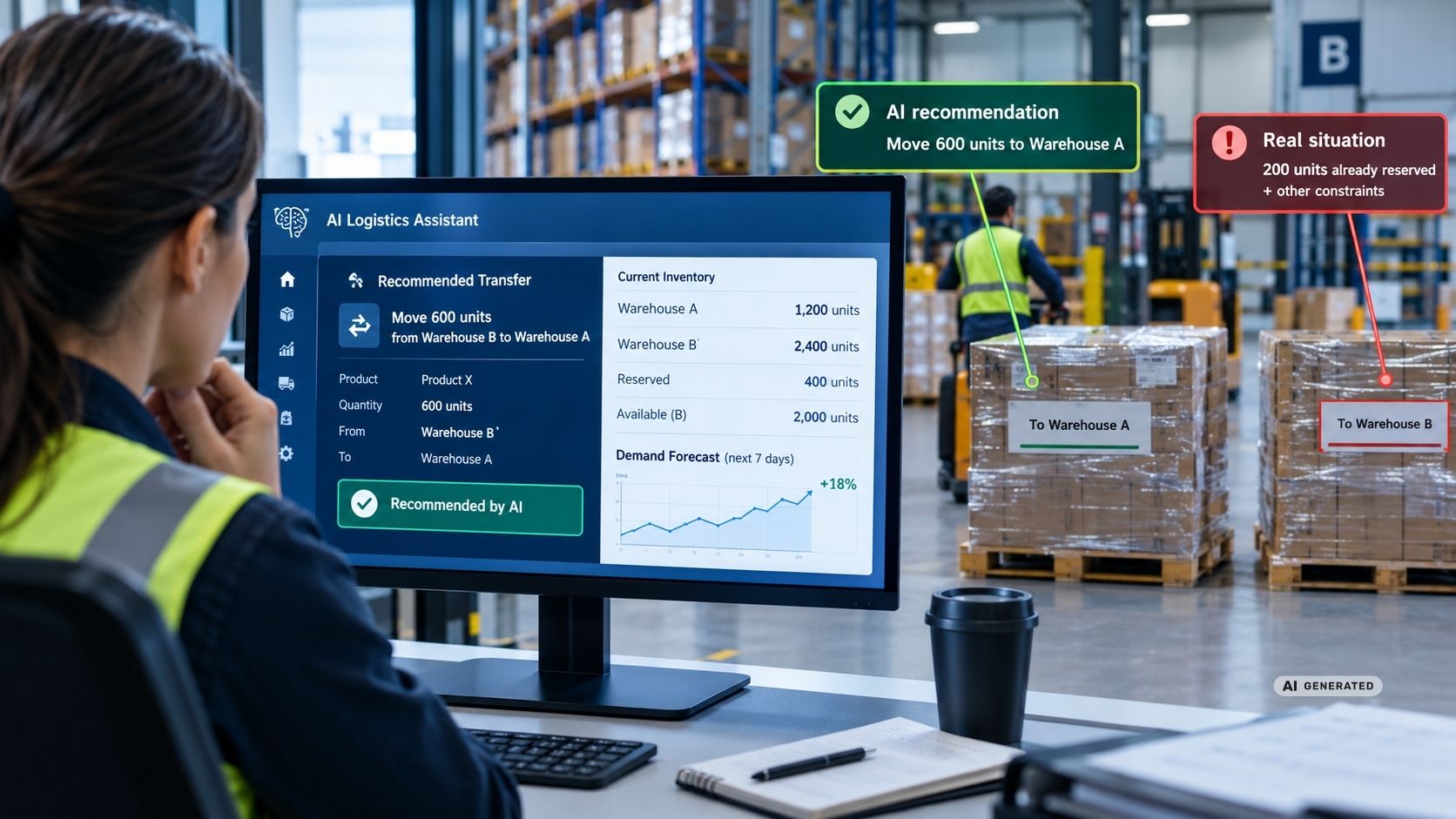
AI Hallucinations in Logistics: When AI Plans the Wrong Delivery
AI can analyze enormous amounts of logistics data — but it can also produce a convincing answer that is simply wrong. The critical question is not whether AI makes mistakes, but what happens when a wrong recommendation becomes an operational decision....