




Which Warehouse Types are used in which Industry? The Comprehensive 2025 Guide
Today, a tailor-made warehouse concept is a decisive factor for delivery capability, cost structure and customer satisfaction. But which warehouse type is particularly suitable for which logistics sector - and why? This guide provides an in-depth overview of established warehouse types, their industry-specific areas of application and upcoming developments in the fields of automation, artificial intelligence and sustainability.
Why the Choice of Warehouse is a Strategic Success Factor
Choosing the right type of warehouse has a direct impact on the efficiency of logistics processes. It helps to reduce throughput times, lowers capital commitment and improves service levels for customers. Depending on the industry, product characteristics and supply chain strategy, different types of warehouse are used, such as cold stores, hazardous goods warehouses or cross-dock hubs. Studies by Fraunhofer IML show that an optimally coordinated warehouse concept can save up to 18% of process costs and significantly improve the carbon footprint.
Distribution Warehouses - The Logistics Hub for Retail & E-Commerce
Distribution warehouses take on central tasks in the supply of stores and end customers. They enable efficient consolidation, picking and delivery of goods.
| Typical Users | Special Requirements |
| Retail, Omnichannel Providers | High proportion of pick & pack processes, same-day shipping requirements |
| Food- & beverage industry | Compliance with hygiene standards (HACCP), seamless temperature monitoring |
| Manufacturers of consumer goods (FMCG) | Constant replenishment waves to ensure the availability of goods |
Practical example: The use of automated shuttle systems can shorten picking routes by up to 40% and significantly increase picking performance.

Production Warehouses - Material Supply directly at the Value Chain
Production warehouses are used to provide raw materials, components and semi-finished products for production in line with demand. Finished products are also temporarily stored here until delivery.
- Automotive industry: Just-in-time and just-in-sequence deliveries are standard. Warehouses often work with RFID-supported Kanban systems, and the buffer time is usually less than 90 minutes.
- Mechanical and plant engineering: This requires a flexible warehouse structure that can efficiently handle both large components and a large number of C-parts.
- Pharmaceutical industry: Warehouses must meet strict GMP requirements and ensure specific temperature and humidity conditions at all times.
Cross Dock Hubs - Maximum Speed instead of Warehousing
Cross-docking hubs serve as transshipment points where goods are transferred directly from delivery to onward transportation without being stored temporarily.
- Freight forwarders use cross-docking to bundle general cargo shipments and to optimize part and full loads.
- CEP service providers (courier, express and parcel services) sort up to 40,000 consignments per hour using automated sorting systems.
- Food retailers reduce the waiting times of temperature-sensitive goods in the hub to less than two hours, which significantly reduces energy consumption.
Consignment Warehouse: Flexibility and Proximity to the Customer
With consignment warehouses, ownership of the goods initially remains with the supplier, although the warehouse is located on the customer's premises. The advantage lies in the increased security of supply and lower capital commitment.
| Industry | Main Benefits |
| Automotive suppliers | Production reliability through immediate access to safety-critical parts |
| Industrial goods & spare parts | Reduction of storage costs for customers through on-demand retrieval |
| Medical technology | High-quality implants and instruments are immediately available in hospitals |
Special Warehouses: Individual Solutions for Special Requirements
Some industries require customized storage solutions that go beyond the standard and meet special legal or technical requirements.
Hazardous Goods Storage
Strict safety regulations apply in the chemical industry and other processing sectors. Warehouses must guarantee explosion protection zones, extinguishing water retention and special material separation.
Cold and Deep-freeze Storage
In the food, pharmaceutical and biotechnology industries, cold storage facilities with temperature ranges from -25 °C to +4 °C ensure product quality throughout the entire supply chain.
Automated High-bay warehouse
These warehouses are often used to supply spare parts to the automotive and aviation industries. At heights of up to 40 m, they offer up to 35 % higher storage density compared to manual systems.
Bonded Warehouses
Bonded warehouses enable tax-free interim storage for internationally active companies. They are particularly suitable for e-commerce returns from non-EU countries or for customs clearance strategies.

Future Trends: Flexibility, Automation and Sustainability
The warehouse logistics of the future will be increasingly digital, sustainable and dynamic.
- Robotics as a Service (RaaS): Modular, rentable robot solutions reduce investment costs and scale according to demand.
- AI-supported Slotting: Intelligent systems allocate storage locations based on forecasts, which can reduce the picking error rate by up to 25%.
- Sustainable Warehouse Concepts: Energy-efficient construction with PV roofs, heat pumps and DGNB Gold or Platinum certification are becoming increasingly important.
Conclusion: The Right Type of Warehouse is the Key to Logistics Excellence
Whether distribution, production or special warehouses: the choice of the right type of warehouse should always be based on product requirements, process logic and market conditions. Those who rely on flexible, digitally networked and ESG-compliant warehouse concepts in 2025 will not only be able to increase their own competitiveness, but also ensure long-term customer satisfaction and a stable supply chain.
Latest Blog Posts
Stay up to date with the newest trends, insights, and tips in warehouse and logistics. Our latest articles help you navigate the industry with confidence.
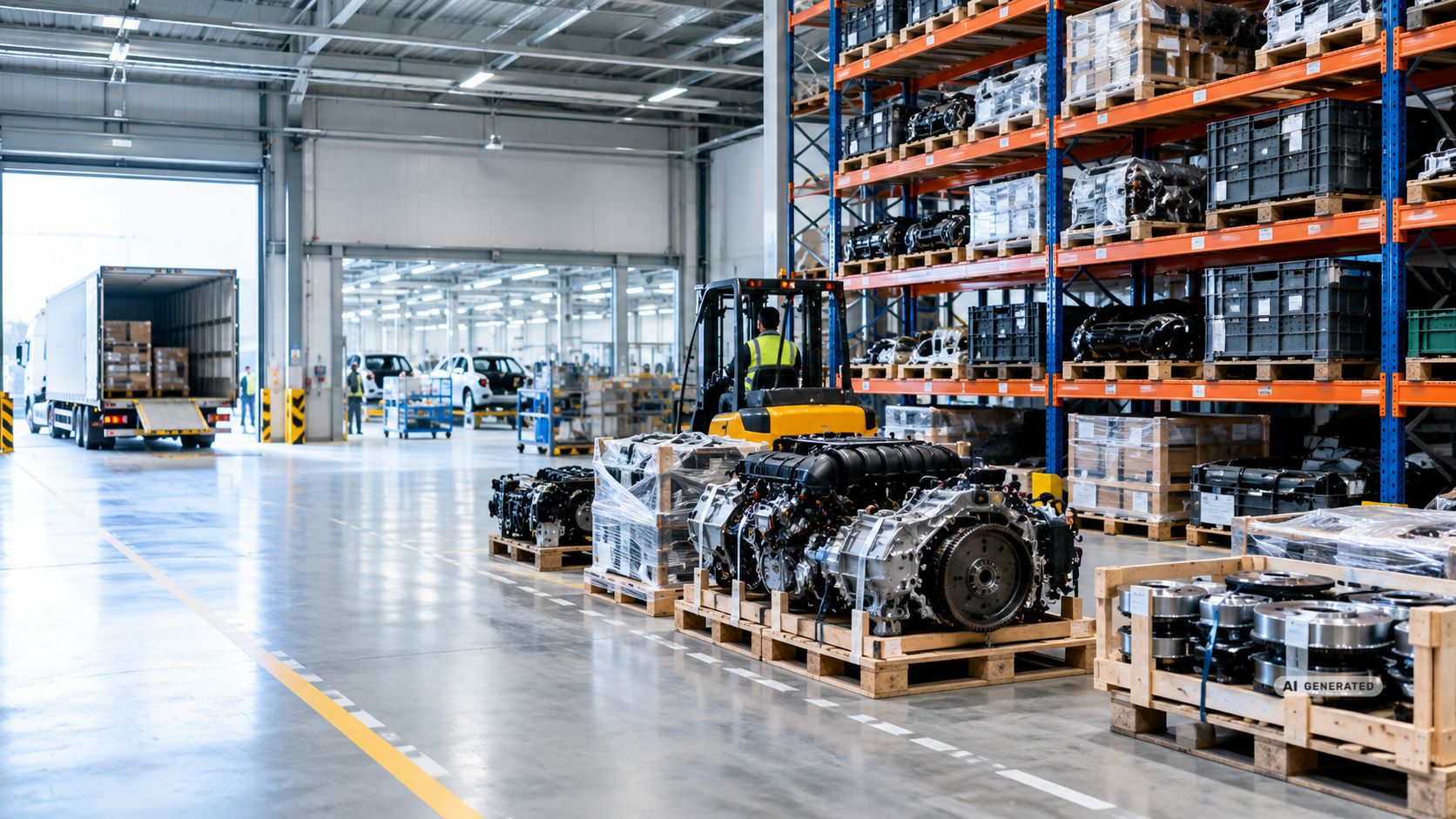
Poland, Czechia, Slovakia or Hungary: Which Location Best Fits Your Automotive Supply Chain?
Poland, Czechia, Slovakia and Hungary play different roles in Europe's automotive industry. This comparison explores which locations companies should consider for component sourcing, manufacturing, electric mobility and cross-border logistics....
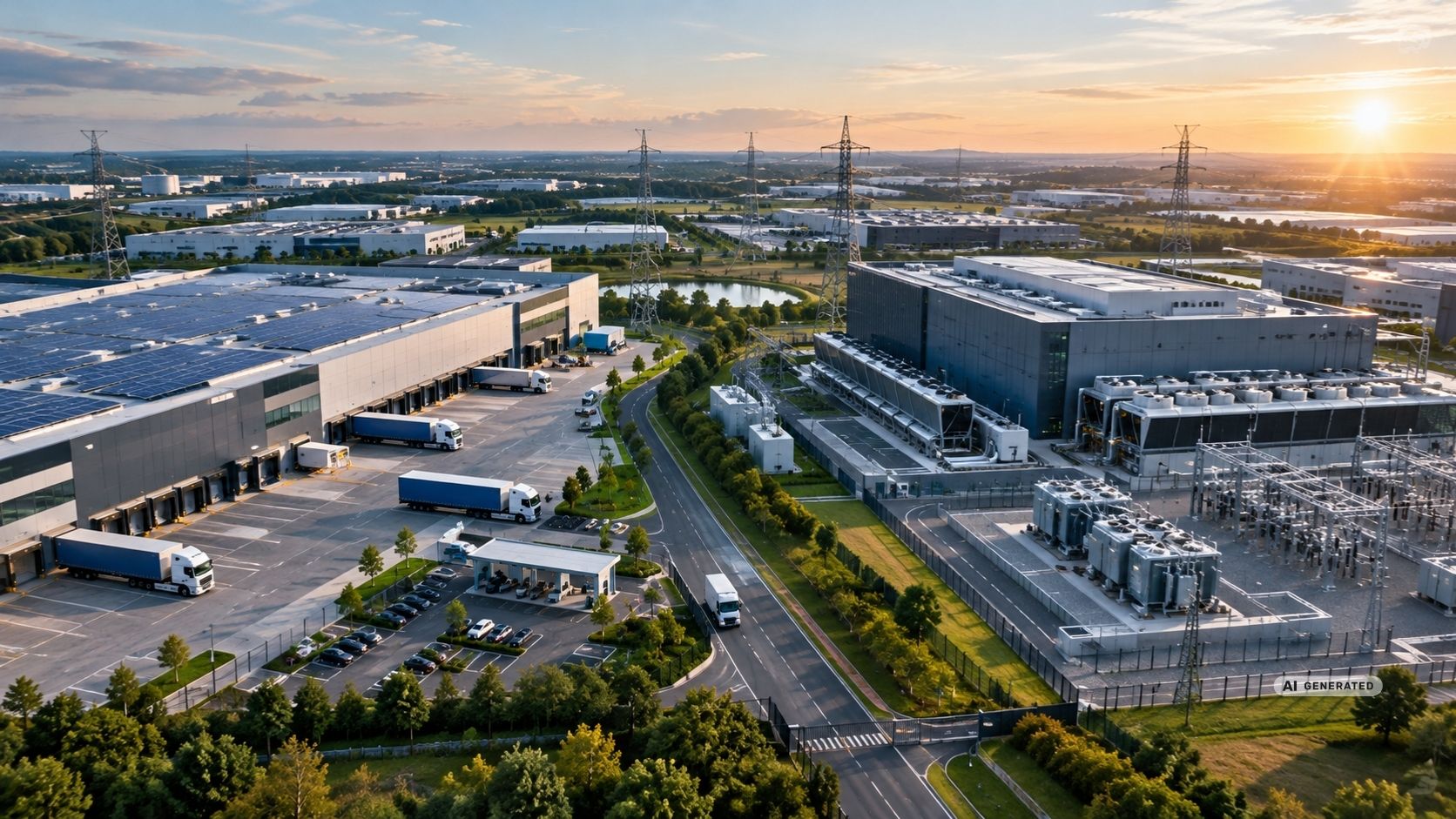
Data Centres vs. Logistics Facilities: The Race for Power and Land
Across Europe, logistics operators are competing for more than land and transport access. They increasingly need something much harder to secure: grid capacity. Data centres are intensifying that competition — and changing how logistics locations are evaluated....

Chinese companies discover Europe's logistics real estate
Chinese companies are becoming an increasingly visible user group in Europe's logistics real estate market. What does this mean for warehouse space, 3PL structures and the requirements for European logistics locations?...
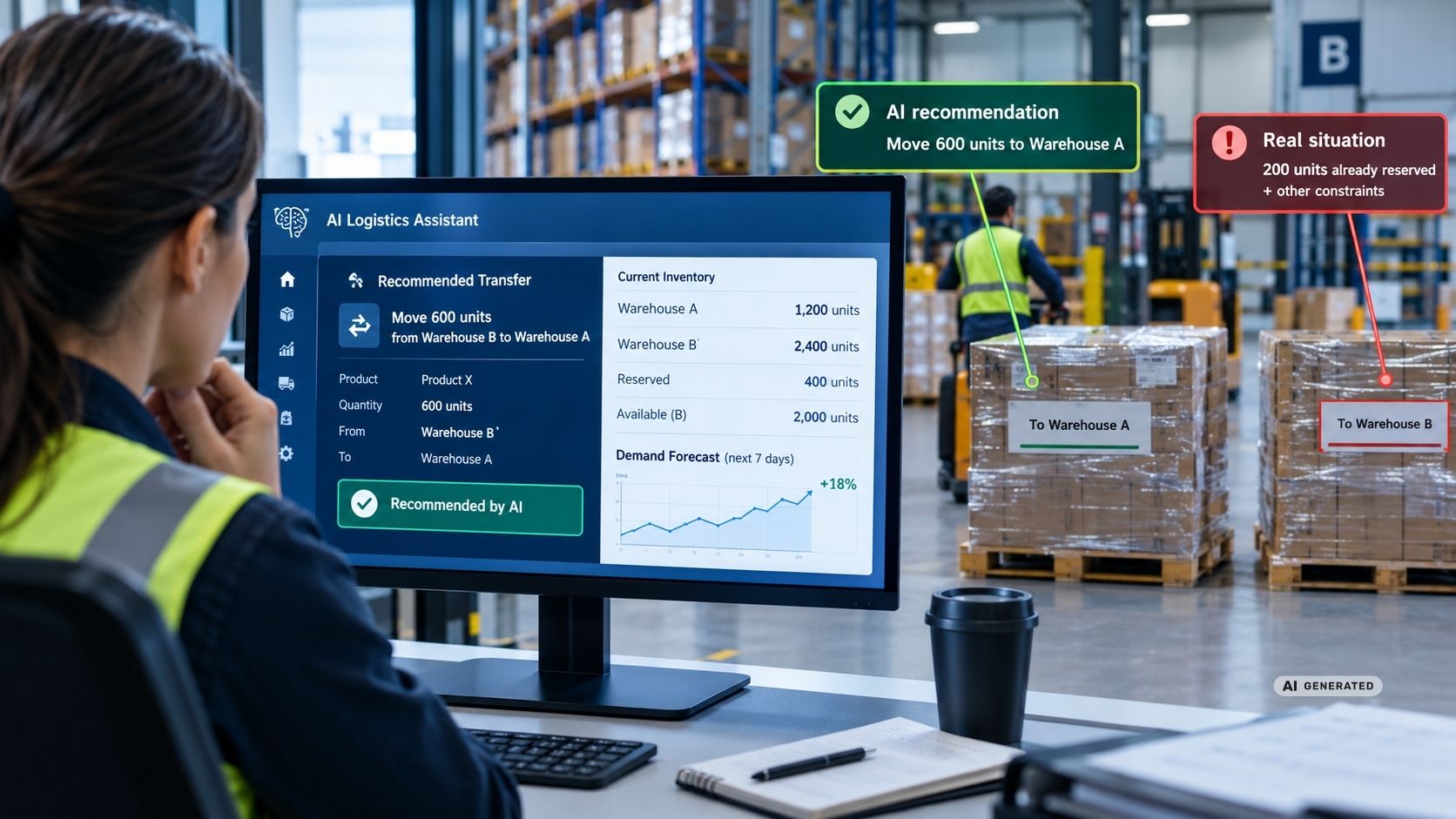
AI Hallucinations in Logistics: When AI Plans the Wrong Delivery
AI can analyze enormous amounts of logistics data — but it can also produce a convincing answer that is simply wrong. The critical question is not whether AI makes mistakes, but what happens when a wrong recommendation becomes an operational decision....