



CAPEX Costs in Warehouse Logistics
Table of contents
- Lexicon & Guide: CAPEX Costs in Logistics
- What are CAPEX costs? (Definition)
- CAPEX vs. OPEX: The Difference in Warehouse Logistics
- Typical CAPEX drivers for logistics properties and halls
- Intralogistics and contract logistics: Investments in efficiency
- ESG and sustainability: Do green standards increase CAPEX?
- CAPEX Reduction Strategies: The "As-a-Service" Revolution
- FAQ – Frequently Asked Questions about CAPEX in Logistics
- Conclusion: CAPEX as the foundation of the supply chain
Lexicon & Guide: CAPEX Costs in Logistics
The logistics industry is extremely asset-intensive. If you want to build a competitive supply chain today, you have to invest massively in concrete, steel and technology. This is exactly where the term CAPEX comes into play. But what exactly is behind this financial indicator, and why does the correct handling of it determine the success of project developers and contract logistics companies?
What are CAPEX costs? (Definition)
CAPEX stands for Capital Expenditure and refers to a company's capital expenditure on longer-term assets. It is therefore money that is spent to acquire, modernize or maintain physical assets. Unlike ongoing operating costs, which immediately appear in the income statement (P&L), CAPEX costs are depreciated over the useful life of the asset.
CAPEX vs. OPEX: The Difference in Warehouse Logistics
In order to classify CAPEX correctly, you have to know the opposite pole: OPEX (Operational Expenditure, i.e. the ongoing operating costs).
- Example CAPEX: The purchase of a new logistics property, the installation of an ESFR sprinkler system or the acquisition of a fleet of automated guided vehicles (AGVs).
- Take OPEX, for example: the monthly electricity costs for the hall, the salaries of warehouse workers or leasing rates for forklift trucks.
A major trend in modern warehouse logistics is the shift from CAPEX to OPEX (the so-called as-a-service approach) in order to avoid high initial investments and remain liquid.
Typical CAPEX drivers for logistics properties and halls
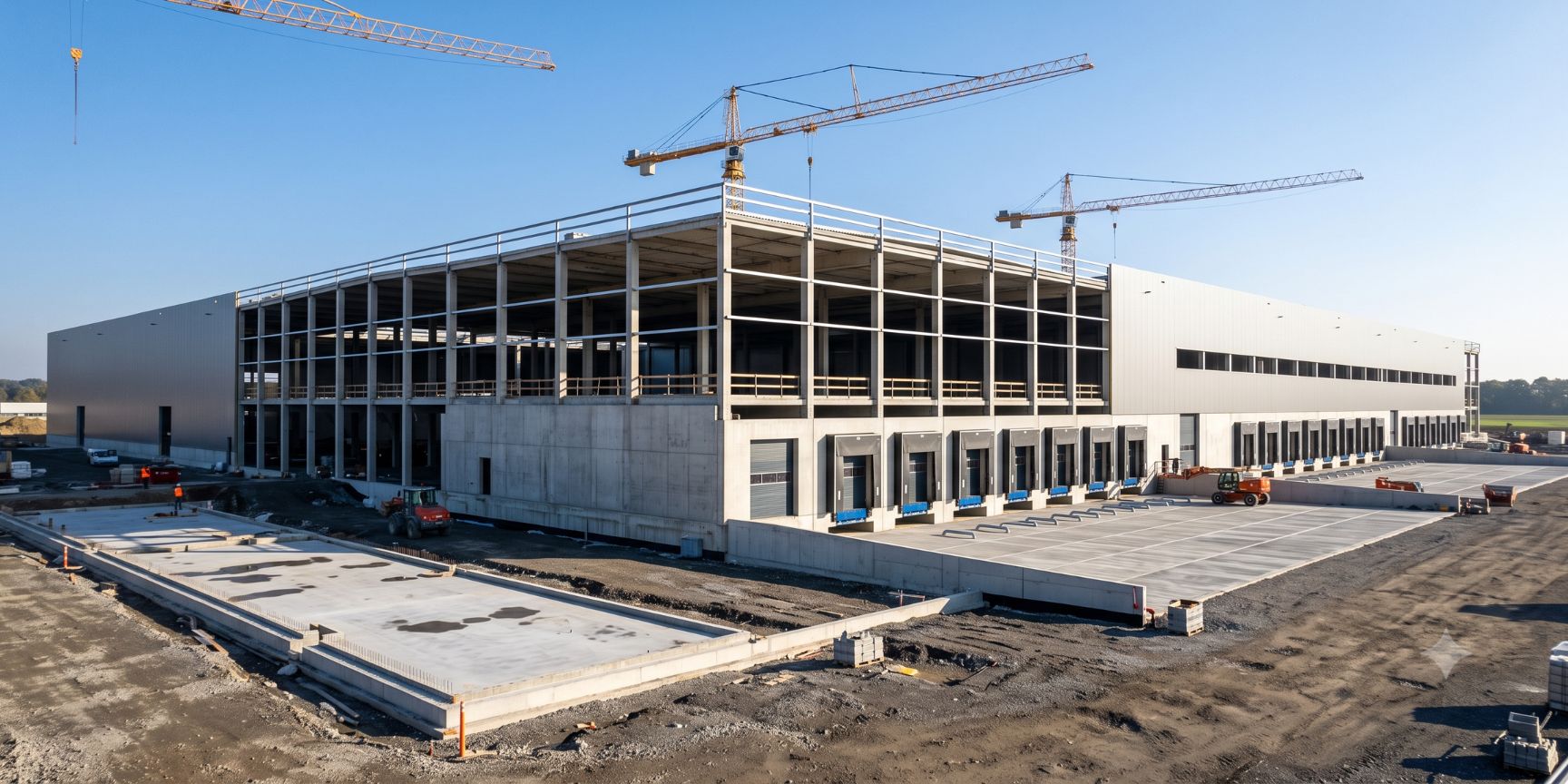
For project developers and investors, logistics real estate is a classic CAPEX project. The biggest cost drivers when building a new hall (greenfield development) are:
- Land procurement & development: The preparation of the ground for heavy goods traffic.
- Hall architecture & industrial flooring: A high-strength concrete floor (often with a load capacity of 5 to 7 tons per square meter) is extremely expensive to produce, but essential for high-bay warehouses.
- Infrastructure & gates: loading passages, ramps, dock levelers and fire walls.
Facts & Figures: For a long time, the pure construction costs for a modern standard logistics hall were around 500 to 600 euros per square metre. Due to increased material and labor costs, project developers today often have to calculate with CAPEX of 800 to 1,200 euros per square meter (depending on the equipment).
Intralogistics and contract logistics: Investments in efficiency
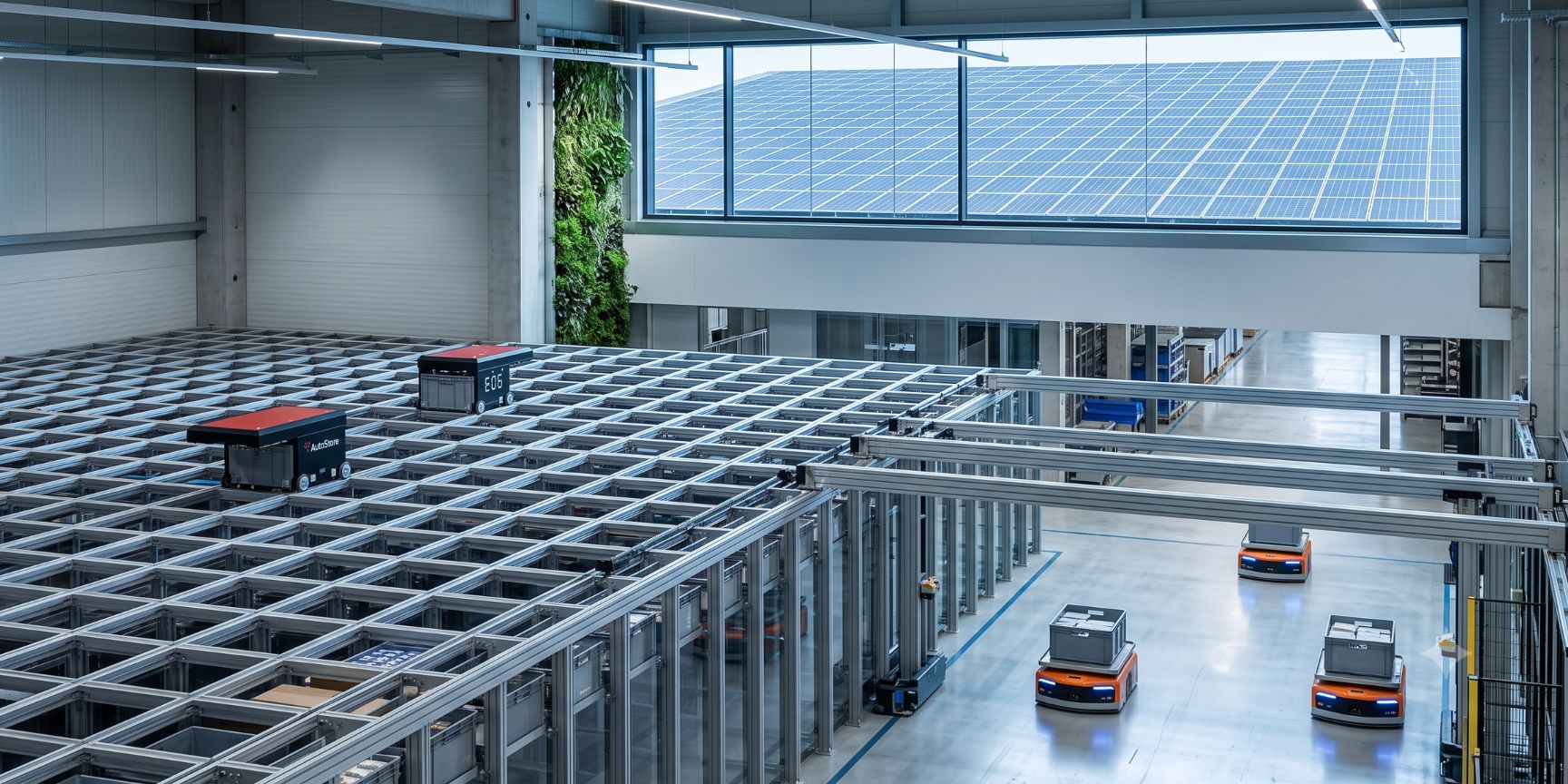
While the landlord bears the CAPEX for the building envelope, the burden of interior fittings usually lies with the tenant – the contract logistics provider or e-commerce retailer. If you want to achieve an efficient pick rate (picking performance) today, you have to invest high CAPEX in intralogistics. These include complex conveyor systems, AutoStore systems, sorter systems and the Warehouse Management System (WMS).
The logistical dilemma: A contract logistics contract with a customer often only runs for 3 to 5 years. However, a fully automated high-bay warehouse often only pays for itself (ROI) after 7 to 10 years. The high CAPEX is the main reason why many service providers insist on fixed customer contracts before screwing automation technology into the hall.
ESG and sustainability: Do green standards increase CAPEX?
The real estate sector is under enormous pressure to become CO2-neutral. Certifications such as DGNB (platinum or gold) or BREEAM are now mandatory for new buildings in order to avoid so-called "stranded assets". Measures such as nationwide photovoltaic systems (solar roofs), heat pumps and intelligent LED lighting controls increase the initial CAPEX in hall construction by an estimated 3 to 8 percent. The strategic advantage: These higher CAPEX lead to massively reduced OPEX (lower energy costs) in later operation and make the logistics property significantly more valuable on the investment market.
CAPEX Reduction Strategies: The "As-a-Service" Revolution
Since capital commitment is a risk in times of crisis, logistics companies are looking for ways to reduce their CAPEX. The solution lies in flexible usage models:
- Robotics-as-a-Service (RaaS): Instead of buying warehouse robots for millions (CAPEX), logistics companies rent the robots and pay per picked item (OPEX).
- Pay-per-pallet models: In hall rental, too, the trend is moving away from rigid long-term leases to transaction-based models in which only the space actually used is paid.
FAQ – Frequently Asked Questions about CAPEX in Logistics
Question: Can CAPEX be immediately deducted from taxes?
Answer: No. Since these are investments in long-term assets (e.g. the construction of a hall or the purchase of a crane system), CAPEX are capitalized and depreciated over the normal useful life (depreciation).
Question: Why are CAPEX often a major risk for contract logistics companies?
Answer: Because logistics service providers often have to invest in specific racking and conveyor systems for a specific customer. If the customer drops out after a few years, the logistics company is left with the high, not yet amortized CAPEX costs for the now useless system.
Question: Does the maintenance of the hall roof count as CAPEX or OPEX?
Answer: That depends. A routine inspection or minor repair is OPEX (operating expense). However, if the entire roof is completely renovated and insulated, which significantly increases the service life and value of the logistics property, it is CAPEX.
Conclusion: CAPEX as the foundation of the supply chain
Whether in contract logistics, e-commerce fulfillment or the development of gigantic solitary locations: CAPEX are the financial backbone of logistics. High capital expenditures should not be seen primarily as a burden, but as a ticket to an automated, ESG-compliant and highly efficient future. Those who master the interplay of cleverly calculated CAPEX (for modern halls and robots) and minimized OPEX (through energy efficiency and lower error rates) will secure the best return in the long term in the highly competitive logistics industry.
Your Ideal Logistics Warehouse
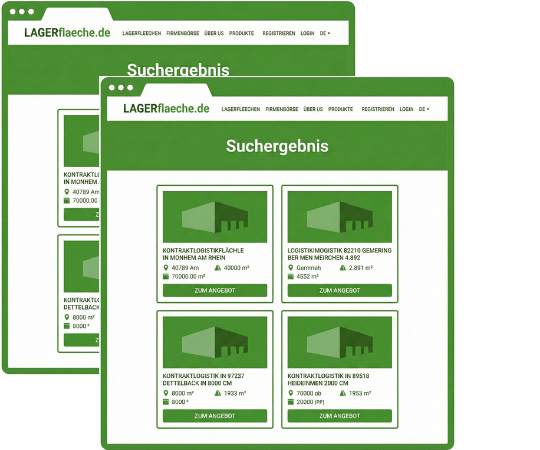
Browse listings for warehouse space, logistics real estate, industrial land, and contract logistics solutions.
Browse Exposés
Maximize Exposure for Your Warehouse Space
Showcase your logistics properties and attract qualified inquiries.
Discover Products